Health is a crown on the heads of the healthy that only the sick can see.



🐝Apitherapy : healing power of bee injection
Discover the various benefits of bee therapy, the healing properties of bee venom for arthritis, nerve pain, and chronic diseases. Learn how honey, propolis, and beeswax can enhance immunity
GENERAL
Dr Hassan AlWarraqi
1/17/202516 min read
🐝Apitherapy : healing power of bee injection
Discover the various benefits of bee therapy, bee venom benefits including the healing properties of bee venom for arthritis, nerve pain, and chronic diseases.
Learn how honey, propolis, and beeswax can enhance immunity and support respiratory health.
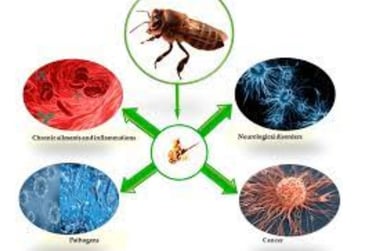
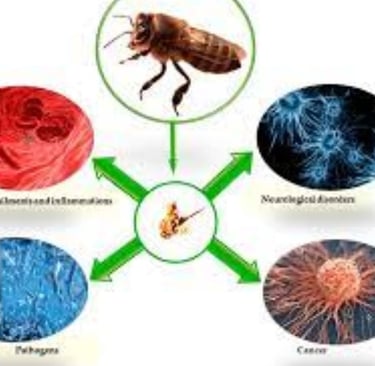
bee venom benefits Bee therapy, or Apitherapy, is a branch of alternative medicine that utilizes bee products such as honey, bee venom, beeswax, propolis, and pollen to treat various health conditions.
Recent studies have highlighted the remarkable benefits of these products bee venom benefits in alleviating certain diseases, boosting immunity, and improving overall health.
This article explores the benefits of bee therapy and explains how these natural products positively impact the body.
What is Bee Therapy (Apitherapy)?
bee venom benefits Bee therapy involves the use of natural bee products for therapeutic purposes. These products include:
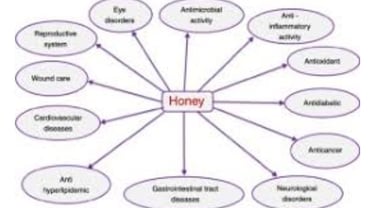
- Honey: Known for its antibacterial and healing properties.
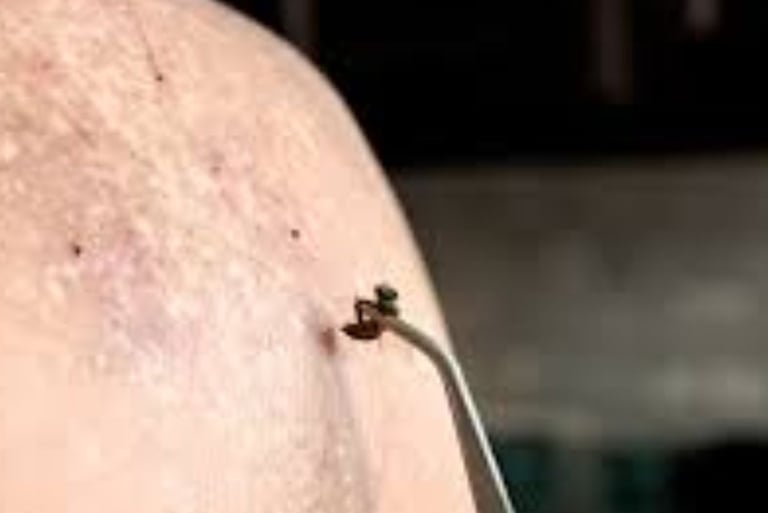
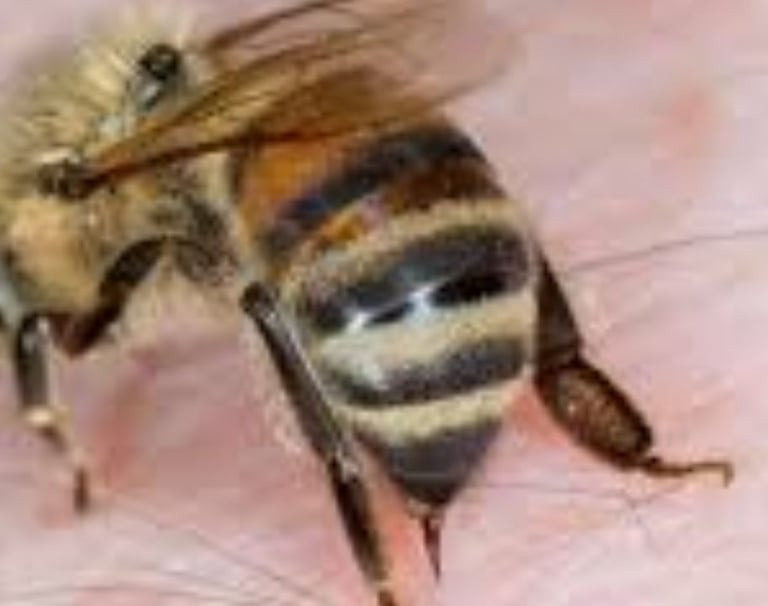
- Bee Venom: Contains anti-inflammatory and pain-relieving compounds.
- Beeswax: Used for skin health and wound healing.
- Propolis: A resin-like substance with antimicrobial and immune-boosting properties.
- Pollen: Rich in nutrients and antioxidants.
Key Health Benefits of Bee Therapy
Bee therapy offers a wide range of health benefits, including:
1. Boosting the Immune System:
- Bee products have antibacterial, antifungal, and antiviral properties.
- Nutrients and minerals in honey and propolis strengthen the body's natural defenses.
2. Relieving Joint Pain:
- Bee venom contains compounds like melittin, which reduce inflammation and pain in conditions like rheumatoid arthritis.
- It improves joint mobility and reduces swelling.
3. Improving Skin Health:
- Beeswax and honey moisturize and nourish the skin, helping with conditions like eczema and skin infections.
- Honey accelerates wound healing and reduces scarring due to its anti-inflammatory and antibacterial properties.
4. Supporting Respiratory Health:
- Honey and propolis help alleviate sore throats, coughs, and nasal congestion.
- Bee venom can reduce allergy symptoms and improve breathing.
5. Enhancing Nervous System Health:
- Bee venom has been shown to reduce nerve pain and inflammation, making it beneficial for conditions like neuropathy.
- It contains antioxidants that improve nerve cell function and reduce stress.
Conditions Treated with Bee Sting Therapy bee venom benefits
Bee sting therapy, a key component of apitherapy, is used to treat:
- Rheumatoid Arthritis: Reduces pain, swelling, and improves joint function.
- Neuropathic Pain: Alleviates nerve pain caused by damage or chronic conditions.
- Respiratory Issues: Improves breathing and reduces nasal congestion.
- Migraines: May help reduce the severity of migraines.
When Do Results of Bee Venom Therapy Appear?
Results typically begin to show after several weeks or months of consistent treatment.
The body needs time to respond to the active compounds in bee venom.
Professional supervision is essential to avoid adverse reactions.
Is Bee Venom Beneficial for Nerves?
Yes, bee venom contains compounds that help alleviate nerve pain and promote healing due to its anti-inflammatory and antimicrobial properties.
Benefits of Bee Stings for Women bee venom benefits
Bee stings can benefit women by:
- Improving skin health and blood circulation.
- Reducing daily stress and fatigue.
- Potentially supporting reproductive health.
Benefits of Bee Stings on the Head
Bee stings on the head are believed to improve blood flow to the brain, potentially enhancing memory and reducing fatigue.
However, this should only be done under professional supervision.
Is Bee Venom a Natural Antibiotic?
Yes, bee venom has antibacterial properties, making it a natural antibiotic. However, more research is needed to confirm its effectiveness compared to traditional antibiotics.
Does Bee Sting Therapy Strengthen Immunity?
Yes, bee venom stimulates the production of immune cells, enhancing the body's natural defenses.
Benefits of Bee Stings on the Abdomen bee venom benefits
Bee stings on the abdomen can improve digestion and relieve cramps, making it beneficial for individuals with digestive issues or irritable bowel syndrome (IBS).
Frequently Asked Questions About Bee Venom Therapy bee venom benefits
1. Is bee venom beneficial for nerves?
- Yes, it helps alleviate nerve pain and strengthens the nervous system.
2. How many bee stings can be dangerous?
- For adults, 100 to 500 stings can be life-threatening, depending on sensitivity.
3. Is bee venom a treatment or a painkiller?
- It is both, as it has anti-inflammatory and pain-relieving properties.
4. When do results of bee venom therapy appear?
- Some people notice improvement after a few sessions, but lasting results may take weeks.
Precautions Before Using Bee Venom Therapy
1. Consult a Specialist: Always seek professional advice, especially if you have allergies.
2. Start with Small Doses: Test your body's sensitivity to bee venom.
3. Avoid Overuse: Follow the therapist's guidelines to prevent side effects.
My Opinion
The location of bee stings may not be as important as the overall effect on the body.
Bee venom can impact various systems, but more research and regulated practices are needed to fully understand its benefits.
Conclusion
bee venom benefits
Bee therapy is a natural treatment that can improve overall health in many ways.
Bee venom contains active compounds that help alleviate pain, boost immunity, and treat nerve and joint issues.
However, medical guidance and supervision are crucial, as bee venom can cause severe side effects in individuals with allergies.
Keywords
Bee therapy, benefits of bee venom, honey for chronic diseases, bee venom for arthritis, bee sting therapy, propolis for immunity, bee venom for nerve pain, honey for respiratory health, beeswax for skin, natural anti-inflammatory effects,bee venom benefits,
Bee Venom bee venom benefits and Its Therapeutic Uses
This document provides a comprehensive analysis of key facts and insights regarding bee venom, its chemical composition, potential medical benefits, therapeutic applications, and associated allergy risks.
The content is grounded in reliable sources, emphasizing the scientific and practical aspects of bee venom therapy,
Chemical Composition of Bee Venom bee venom benefits
Bee venom is a clear, acidic liquid that dries quickly, characterized by a pungent aromatic odor and bitter taste.
It consists of a complex mixture of biologically active compounds, including:
Melittin: The primary component (40-60% of venom), with anti-inflammatory properties surpassing hydrocortisone by tens of times and the ability to destroy cancer cell membranes. "We found that melittin can completely destroy cancer cell membranes within 60 minutes"
Apamin: A small protein that enhances neural signaling, supporting nervous system functions.
Phospholipase A2: An enzyme with immune-modulating and anti-inflammatory effects, described as "yesterday’s enemy becomes today’s friend"
Histamine, Dopamine, Norepinephrine: Contribute to inflammatory and immune responses.
Other Compounds: Including adolapin (a pain-relieving peptide) and volatile oils.
"Bee venom is a clear liquid that dries quickly even at room temperature, with a pungent aromatic odor, bitter taste, and contains numerous acids...
along with a large amount of proteins and volatile oils" . The venom’s potency increases with higher protein content in the bees’ diet, enhancing its efficacy.
Therapeutic Mechanisms of Bee Venom bee venom benefits
Bee venom exerts its therapeutic effects through several mechanisms:
Immune Enhancement: Stimulates immune cell production, strengthening the body’s defenses against viruses and diseases. "The concept of bee venom therapy relies on increasing the efficiency and strength of the immune system"
Natural Cortisone Activation: Stimulates the adrenal glands to release cortisone, reducing inflammation.
"The mechanism of bee stings activates the adrenal gland, which secretes natural cortisone"
Pain Relief: Contains adolapin, a pain-relieving compound potentially more potent than morphine.
"Bee venom contains adolapin, used to alleviate cancer-related pain in its early stages"
Immune Regulation: Exhibits a dual effect (stimulating or suppressing immunity) depending on dosage.
"Bee venom has an immunomodulatory effect, activating immunity at low doses and suppressing it at high doses"
Potential Benefits and Therapeutic Uses bee venom benefits
Bee venom is used to treat a wide range of health conditions, with scientific evidence supporting its efficacy in several applications:
Anti-Inflammatory Effects:
Highly effective for rheumatoid arthritis and osteoarthritis, reducing pain and swelling. "Numerous studies have confirmed the importance of bee venom in treating rheumatoid arthritis and relieving associated pain"
Nanoparticles derived from bee venom have been developed for direct knee injections to treat arthritis.
"A team of American scientists developed nanoscale bee venom particles for direct injection into knees"
Skin Health Improvement:bee venom benefits
Reduces inflammation, combats bacteria, and improves wrinkles and acne. "Bee venom promotes skin health by reducing inflammation and providing antibacterial effects"
Used for eczema and wound healing due to its antimicrobial properties.
Treatment of Autoimmune Diseases:
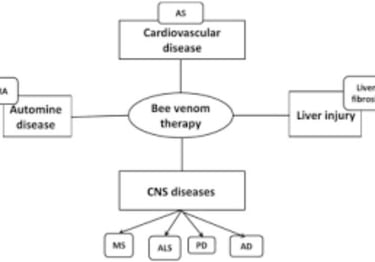
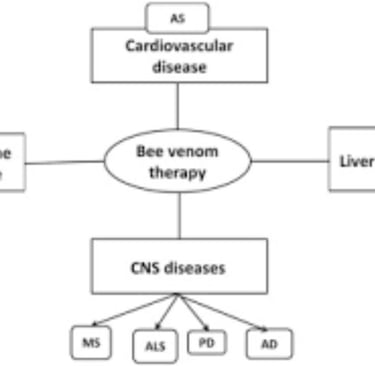
Shows promise in rheumatoid arthritis, lupus, and multiple sclerosis (MS).
"Bee venom is used to treat autoimmune diseases in general and multiple sclerosis in particular"
Reduces inflammation in the central nervous system and supports myelin regeneration in MS. "Melittin has anti-inflammatory effects on inflammatory lesions in the central nervous system"
Anti-Cancer Properties:
Recent studies demonstrate melittin’s ability to selectively and rapidly kill breast cancer cells, including triple-negative types.
"Bee venom and melittin significantly and selectively reduce the viability of triple-negative breast cancer cells"
May serve as an adjunct therapy with further research.
Nerve Pain Relief:
Alleviates neuropathic pain from conditions like MS, sciatica, or nerve damage, and strengthens the nervous system.
"Bee venom helps alleviate nerve pain and strengthens the nervous system"
Respiratory Health Support:
Relieves cough, sore throat, and sinus infections, especially when combined with honey.
Other Applications:
Treatment of asthma, irritable bowel syndrome, herniated discs, anemia, malaria, and certain skin conditions.
May stabilize pregnancy and treat some sexual disorders, per the Academic Applied Treatment Center.
Allergies and Risks of Bee Venom Therapy
Allergy Testing Mandatory: Testing for bee venom sensitivity is essential to avoid severe reactions.
"Testing for bee venom sensitivity is essential to prevent serious allergic complications"
Local Swelling: A normal, desired reaction, not indicative of allergy.
"Swelling after a sting is a desired local reaction for the therapeutic process"
True Allergies: Include itching, widespread redness, and, in severe cases, life-threatening anaphylactic shock.
"Severe allergic reactions may lead to cardiac or respiratory arrest"
Allergy Incidence: Relatively low (0.045% per a systematic study). "The overall rate of anaphylaxis in response to bee venom therapy is 0.045%"
Dangerous Sting Count: 100-500 stings can be life-threatening for non-allergic adults, while a single sting may be fatal for allergic individuals.
Precautions: Antihistamines or an epinephrine pen must be available at treatment sites. "Doctors advise having antihistamine kits available at the treatment site"
How to Use Bee Venom Therapy bee venom benefits
Medical Consultation: Essential to confirm no allergies or contraindications.
Skin Preparation: The sting site is cleaned with warm water and soap, avoiding alcohol or iodine.
"The site is washed with warm water and soap, and alcohol use is prohibited"
Allergy Testing: Conducted via a single sting or superficial venom injection.
"Allergy testing can be done via traditional bee stings or superficial venom injection"
Gradual Sting Increase: Treatment starts with one sting on day one, increasing incrementally (e.g., two stings on day two) up to 10 stings, followed by a 4-5 day rest. "Gradual increase in stings up to 10, followed by rest"
Pain Relief: Ice is applied to reduce sting-related pain. "Ice on the sting site can reduce pain"
Venom Collection: When using a venom collection device, safety measures like gloves, masks, and protective glasses are required.
Contraindications for Bee Venom Therapy
Bee venom therapy is contraindicated in the following cases:
Severe bee venom allergy.
Hereditary heart diseases or weak heart muscle.
Diabetes, tuberculosis, syphilis, or scleroderma.
Pregnancy during the first five months.
Hypoxemia or low blood pressure.
Live organ transplants.
Pulmonary phlegm or renal reflux pressure.
Severe gastrointestinal issues, constipation, or diarrhea.
Fever or influenza.
During chemotherapy sessions for cancer patients.
Elderly during extreme cold and children under 18 months.
Conclusion
Growing research highlights the therapeutic potential of bee venom in treating conditions like arthritis, autoimmune diseases, neuropathic pain, and even cancer,
thanks to active compounds like melittin and adolapin.
However, the therapy requires strict medical supervision, mandatory allergy testing, and adherence to safe protocols to avoid complications like anaphylaxis.
Clear contraindications must be considered to ensure patient safety.
As research advances, bee venom may become a recognized complementary treatment in modern medicine.
Keywords
bee venom benefits
Bee venom, bee venom therapy, benefits of bee venom, bee stings, melittin, arthritis treatment, multiple sclerosis, cancer treatment, nerve pain relief, immune enhancement, bee venom allergy, apitherapy.
Frequently Asked Questions About Bee Venom Therapy bee venom benefits FAQS
Below is a detailed exploration of common questions regarding bee venom therapy (BVT), addressing its potential health benefits, allergy testing,
treatable conditions, key components, contraindications, immune system effects, neurological applications, and evidence for cancer treatment.
The responses are grounded in reliable sources, providing scientific and practical insights,
1. What Are the Potential Health Benefits of Bee Venom Therapy?
Bee venom therapy harnesses the medicinal properties of bee venom, which contains bioactive compounds like melittin, known for its potent anti-inflammatory effects that surpass hydrocortisone by tens of times.
Key benefits include: bee venom benefits
Arthritis Relief: Significantly reduces pain and swelling in rheumatoid arthritis and osteoarthritis.
"Numerous studies have confirmed the importance of bee venom in treating rheumatoid arthritis and relieving associated pain"
Skin Health: Added to skincare products, it reduces inflammation, provides antibacterial effects, and improves wrinkles and acne.
"Bee venom promotes skin health by reducing inflammation and providing antibacterial effects"
Immune Enhancement: Strengthens the immune system, making the body more resistant to viruses and diseases.
"The concept of bee venom therapy relies on increasing the efficiency and strength of the immune system"
Other Conditions: Preliminary evidence suggests benefits for autoimmune diseases, nerve pain, respiratory issues, and even cancer, as detailed below.
2. How Is Allergy Testing for Bee Venom Conducted, and Why Is It Important?
Allergy testing is critical to prevent severe allergic reactions, including potentially life-threatening anaphylactic shock.
Testing is conducted in two ways:
Traditional Method: A single bee sting is applied, with the stinger removed after a short period to minimize venom exposure.
Modern Method: A small, diluted amount of bee venom is injected superficially into the skin (epidermal injection).
Reactions are monitored to distinguish between normal local responses (limited redness and swelling) and true allergic reactions (widespread itching, redness, or systemic symptoms).
"Testing for bee venom sensitivity is essential to prevent serious allergic complications"
This step is vital as approximately 1% of people are hyper-allergic to bee venom, and even a single sting can be fatal for them.
3. What Conditions and Diseases Can Benefit from Bee Venom Therapy?
Bee venom therapy is used as a natural treatment for a diverse range of conditions, supported by varying levels of scientific evidence:
Rheumatoid Arthritis and Osteoarthritis: Reduces pain, swelling, and improves joint function.
Autoimmune Diseases: Benefits multiple sclerosis (MS), lupus, and scleroderma by modulating immune responses.
Neurological Pain: Alleviates back pain, joint pain, and sciatica.
Respiratory Issues: Treats asthma and sinus problems.
Gastrointestinal Disorders: Supports ulcerative colitis, irritable bowel syndrome, and stomach ulcers.
Wound Healing: Effective for acute and chronic wounds due to antimicrobial properties.
Spinal Conditions bee venom benefits : Aids in herniated disc management.
Skin Conditions: Treats certain dermatological issues.
Other Conditions: Preliminary studies suggest potential in cancer (stopping tumor spread), anemia, malaria, sexual disorders, and fertility issues.
"Bee venom is used to treat autoimmune diseases in general and multiple sclerosis in particular"
4. What Are the Main Components of Bee Venom and Their Therapeutic Properties?
Bee venom is a complex mixture of bioactive compounds with distinct therapeutic roles:
Melittin: The primary protein (40-60% of venom), with anti-inflammatory effects stronger than hydrocortisone and the ability to destroy cancer cell membranes.
"Melittin can completely destroy cancer cell membranes within 60 minutes"
Apamin: A small protein that may protect neurons and enhance neural signaling, supporting nervous system health.
Phospholipase A2: An enzyme with immune-modulating and anti-inflammatory effects, contributing to therapeutic outcomes.
Hyaluronidase: Facilitates venom spread and may aid in myelin regeneration in neurological conditions.
Histamine, Dopamine, Norepinephrine: Modulate inflammatory and immune responses.
Adolapin: A pain-relieving peptide, potentially more effective than morphine for early-stage cancer pain.
These compounds collectively contribute to bee venom’s anti-inflammatory, analgesic, antimicrobial, and immune-modulating properties.
5. Are There Contraindications for Using Bee Venom Therapy?
Yes, bee venom therapy is contraindicated in several cases to ensure patient safety:
Severe Bee Venom Allergy: Can trigger anaphylaxis.
Heart Conditions: Including hereditary heart diseases or weak heart muscle.
Chronic Diseases: Such as diabetes, tuberculosis, syphilis, or scleroderma.
Pregnancy: Particularly in the first five months.
Blood Disorders: Including hypoxemia or low blood pressure.
Organ Transplants: Live organ transplant recipients.
Respiratory or Renal Issues: Such as pulmonary phlegm or renal reflux pressure.
Acute Conditions: Severe gastrointestinal issues, constipation, diarrhea, fever, or influenza.
Cancer Treatment: During chemotherapy sessions.
Age Restrictions: Elderly during extreme cold and children under 18 months.
These contraindications highlight the need for medical evaluation before starting BVT.
6. How Can Bee Venom Affect the Immune System?
Bee venom acts as a potent immunomodulator, with dual effects depending on dosage:
Low Doses: Stimulate and activate the immune system, enhancing resistance to infections.
"Bee venom has an immunomodulatory effect, activating immunity at low doses"
High Doses: May suppress immune activity, useful in autoimmune conditions.
Bee venom promotes differentiation of regulatory T cells (Tregs), which are crucial for immune tolerance and combating inflammation.
This makes it valuable for autoimmune disorders like rheumatoid arthritis, lupus, and multiple sclerosis, where immune regulation is disrupted.
7. What Mechanisms Allow Bee Venom to Contribute to Treating Neurological Diseases Like Multiple Sclerosis?
Bee venom shows promise in treating multiple sclerosis (MS) through several mechanisms:
Anti-Inflammatory Effects: Melittin reduces inflammation in central nervous system lesions, mitigating damage.
"Melittin has anti-inflammatory effects on inflammatory lesions in the central nervous system"
Myelin Regeneration: Hyaluronidase may support remyelination of damaged nerves, improving nerve function.
Neuroprotection: Components like apamin protect neurons from degeneration, potentially slowing MS progression.
These mechanisms collectively reduce inflammation, support nerve repair, and enhance neurological function in MS patients.
8. Is There Scientific Evidence Supporting the Use of Bee Venom in Cancer Treatment?
Recent studies provide preliminary evidence for bee venom’s potential in cancer treatment, particularly through melittin:
Breast Cancer: Melittin selectively and rapidly kills triple-negative and HER2-positive breast cancer cells by disrupting cell membranes and inhibiting growth signals.
"Bee venom and melittin significantly and selectively reduce the viability of triple-negative breast cancer cells"
Pain Management: Adolapin offers potent pain relief, potentially stronger than morphine, for early-stage cancer pain.
"Bee venom contains adolapin, used to alleviate cancer-related pain in its early stages"
However, further research is needed to optimize delivery methods, determine safe and effective dosages, and confirm clinical efficacy.
Current evidence is promising but not yet conclusive for widespread use.
Conclusion
Bee venom therapy offers a range of potential health benefits, from reducing arthritis pain and enhancing immunity to supporting skin health and showing promise in cancer and neurological treatments.
However, its use requires careful consideration due to risks like allergic reactions, necessitating mandatory allergy testing and medical supervision.
With ongoing research, bee venom may solidify its role as a complementary therapy in modern medicine, but patients must adhere to safety protocols and respect contraindications.
Keywords
Bee venom therapy, benefits of bee venom, bee sting therapy, melittin, arthritis treatment, immune enhancement, multiple sclerosis treatment, cancer treatment, nerve pain relief, bee venom allergy, apitherapy, skin health.
============================================================================================================================================================================================================================================================================================
🐝Apitherapy : healing power of bee injection
🐝 Apitherapy: The Healing Power of Bee Venom Injections — What Does Science Say?
🌿 What Is Apitherapy?
Apitherapy is the use of products from honey bees—including honey, propolis, royal jelly, bee pollen, and bee venom—for health purposes. Bee venom therapy (BVT) involves either live bee stings or injections of purified bee venom.
Bee venom contains biologically active compounds such as:
Melittin (the major peptide component)
Apamin
Adolapin
Phospholipase A2
Various enzymes and peptides
These substances can influence inflammation, pain signaling, and immune responses.
🔬 Potential Therapeutic Effects
Research suggests that bee venom may have:
🩹 Anti-Inflammatory Properties
Melittin and other components can modulate inflammatory pathways in laboratory and animal studies.
Potential areas of investigation include:
Arthritis
Tendinitis
Chronic inflammatory disorders
⚡ Pain Modulation
Some studies have reported pain-relieving effects, particularly when bee venom is used at acupuncture points ("bee venom acupuncture").
Researchers have explored its use for:
Chronic musculoskeletal pain
Low back pain
Neck pain
Osteoarthritis
🧠 Neurological Research
Experimental studies have investigated bee venom's effects on:
Parkinson's disease
Multiple sclerosis
Peripheral neuropathies
However, evidence remains limited and insufficient for routine clinical use.
⚠️ Important Risks
Despite its popularity in some alternative medicine circles, bee venom therapy carries significant risks.
🚨 Allergic Reactions
The most serious risk is anaphylaxis, a life-threatening allergic reaction that can occur even in individuals who have previously tolerated bee stings.
Symptoms may include:
Difficulty breathing
Swelling of the throat
Severe drop in blood pressure
Loss of consciousness
Emergency medical treatment may be required immediately.
🔥 Local Reactions
Common side effects include:
Pain
Redness
Swelling
Itching
🩺 Other Reported Complications
Rare but serious complications have been reported, including:
Severe allergic reactions
Kidney injury
Liver injury
Nerve damage
Excessive immune reactions
📊 What Does the Evidence Show?
Current scientific evidence is mixed:
✅ Some small studies suggest benefits for certain pain conditions.
❌ Many studies are limited by:
Small sample sizes
Lack of rigorous controls
Variability in treatment protocols
Major medical organizations generally do not recommend bee venom injections as a standard treatment for chronic diseases because stronger evidence is still needed.
🕌 Islamic Perspective
Islam encourages seeking treatment while recognizing that healing ultimately comes from Allah.
The Prophet ﷺ said:
"Seek treatment, for Allah has not created a disease except that He has also created its remedy."
When considering any treatment, Muslims are encouraged to weigh:
Evidence of benefit
Potential harms
Advice from qualified healthcare professionals
🌟 Bottom Line
Bee venom therapy is an intriguing area of research with possible anti-inflammatory and pain-modulating effects. However:
✔ Some promising scientific findings exist.
✔ It may help certain conditions in selected patients.
❌ Evidence remains limited for many claimed benefits.
❌ Serious allergic reactions, including anaphylaxis, can occur.
Bee venom injections should only be considered under the supervision of qualified medical professionals equipped to manage severe allergic emergencies. 🐝🩺🌿
Healing potential exists, but so do significant risks—science supports cautious evaluation rather than viewing bee venom as a cure-all.
================================================================================================================================================================================================================================
🌍 Women’s Pants in Islam: Restrictions and Allowances 🕌
The question of whether Muslim women may wear pants (trousers) is a matter that scholars have discussed in light of the principles of modesty (ḥayāʾ), covering the ʿawrah, and avoiding clothing that contradicts Islamic guidelines.
✅ When Pants May Be Permissible
Many contemporary scholars permit women to wear pants if they:
Cover the body adequately and are not transparent.
Are loose enough that they do not reveal the shape of the body.
Do not attract undue attention through extravagance or immodesty.
Are worn in environments where they fulfill Islamic standards of modest dress.
Are not intended to imitate clothing that is exclusively associated with men in a particular culture.
Examples may include:
Loose wide-leg trousers.
Palazzo pants.
Modest athletic wear designed for women.
Trousers worn underneath a long tunic, abaya, or jilbab.
⚠️ When Pants May Be Problematic
Many scholars discourage or prohibit pants when they:
Are tight-fitting and reveal the contours of the body.
Are transparent or excessively thin.
Resemble clothing associated with immodesty.
Cause unnecessary attraction or temptation.
Are worn in a manner that fails to meet the broader Islamic objective of modesty.
The concern is generally not the garment itself, but whether it fulfills the Islamic requirements of covering and modest conduct.
📖 Relevant Islamic Principles
The Qur'an instructs believing women to dress modestly:
"And tell the believing women to lower their gaze and guard their chastity and not display their adornment except what ordinarily appears thereof..."
— Qur'an 24:31
Allah also says:
"O Prophet, tell your wives and your daughters and the women of the believers to bring down over themselves part of their outer garments..."
— Qur'an 33:59
These verses establish the principle of modest dress, while the exact style of clothing may vary according to culture and time, provided the Islamic requirements are met.
🕌 Scholarly Perspectives
Scholars have differed regarding women's trousers:
Some scholars consider trousers permissible if loose and modest.
Others prefer outer garments such as jilbabs or abayas when outside the home because they provide greater concealment.
Nearly all scholars agree that tight clothing which exposes body shape conflicts with the spirit of Islamic modesty.
⚖️ A Balanced Conclusion
Islam does not specifically prohibit a particular garment called "pants." Rather, the ruling depends on whether the clothing:
✔ Covers the required areas.
✔ Is loose and non-transparent.
✔ Preserves modesty and dignity.
✔ Avoids imitation that conflicts with Islamic values.
Therefore, loose and modest trousers can be permissible according to many scholars, while tight or revealing pants are generally considered impermissible due to violating the objectives of modest dress.
"Indeed, Allah does not look at your appearance or your wealth, but He looks at your hearts and your deeds." — Prophet Muhammad ﷺ (Ṣaḥīḥ Muslim)
The central Islamic principle remains taqwā (God-consciousness), modesty, and dignity, rather than attachment to any single cultural style of clothing. 🌿🕌

Get in touch
Address
Cairo Al Rehab
Contacts
+20 109 405 2056
hassanalwarraqi@h-k-e-m.com