
Health is a crown on the heads of the healthy that only the sick can see.



🚽 Haemorrhoids, Inflammatory Bowel Disease and fasting
Discover the causes of anal bleeding and explore free treatment options. Learn about fasting, gastrointestinal rest, dietary reset
GASTROINTESTINAL FASTING
Dr Hassan Al Warraqi
12/26/2024


🚽 Haemorrhoids, Inflammatory Bowel Disease and fasting
Discover the causes of anal bleeding and explore free treatment options. Learn about fasting, gastrointestinal rest, dietary reset, and the importance of medical evaluation for effective care. Understand risks associated with hemorrhoids, fissures, and inflammation.
Bleeding Per Anus And Only EFFECTIVE Treatment
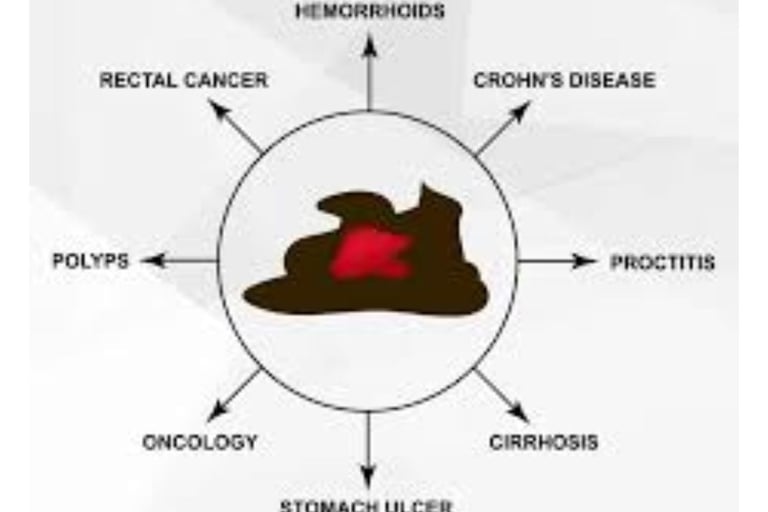
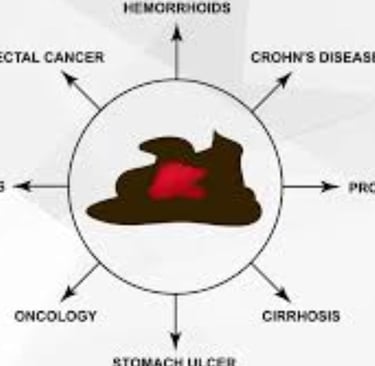
Bleeding from the anus can be caused by a variety of conditions, ranging from minor to more serious issues.
The treatment depends on the underlying cause.
Here are the common causes and their corresponding treatments:
1. Hemorrhoids
Symptoms: Bright red blood on toilet paper or in the stool, itching, pain during bowel movements.
Treatment:
Over-the-counter creams or suppositories (e.g., hydrocortisone).
Sitz baths (soaking the anal area in warm water).
High-fiber diet and increased fluid intake to soften stools.
Severe cases may require procedures like rubber band ligation or surgery.
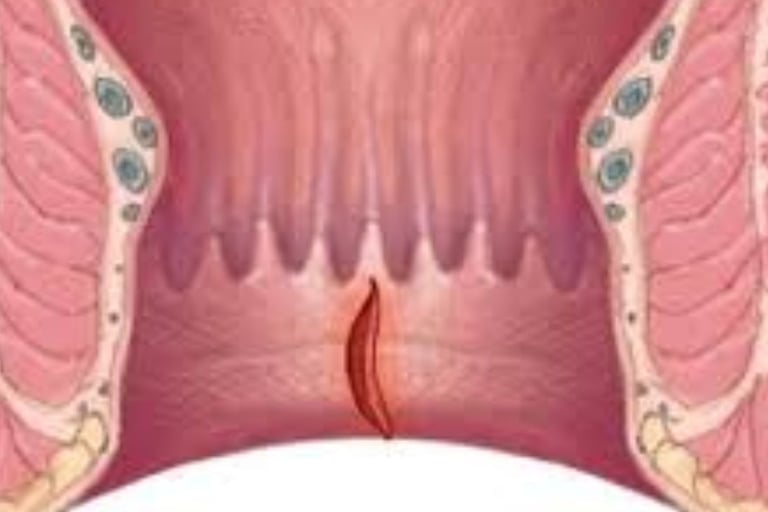
2. Anal Fissures
Symptoms: Painful bowel movements, bright red blood on the stool or toilet paper.
Treatment:
Topical anesthetics or nitrates to relax the anal sphincter.
Stool softeners to reduce straining.
Surgery for chronic fissures (e.g., lateral internal sphincterotomy).
3. Diverticular Disease
Symptoms: Sudden painless bleeding, often in large amounts.
Treatment:
Often resolves on its own.
Severe cases may require colonoscopy, embolization, or surgery.
4. Colorectal Polyps or Cancer
Symptoms: Darker blood mixed with stool, changes in bowel habits, weight loss.
Treatment:
Removal of polyps during a colonoscopy.
Surgery, chemotherapy, or radiation for cancer.
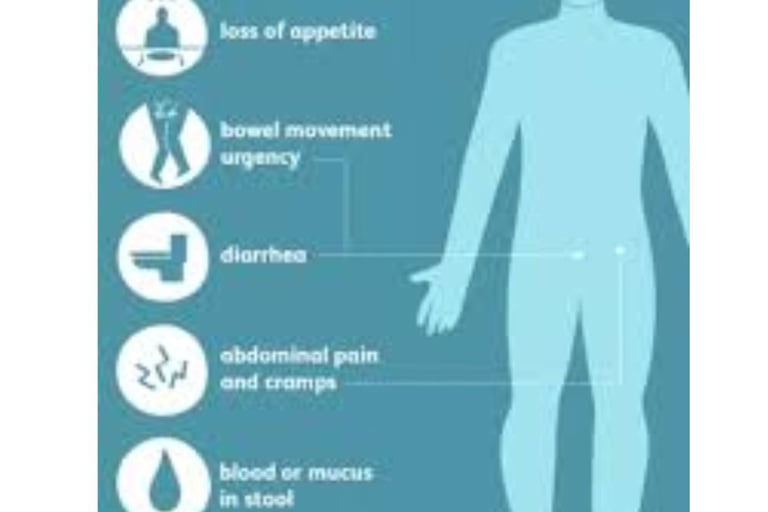
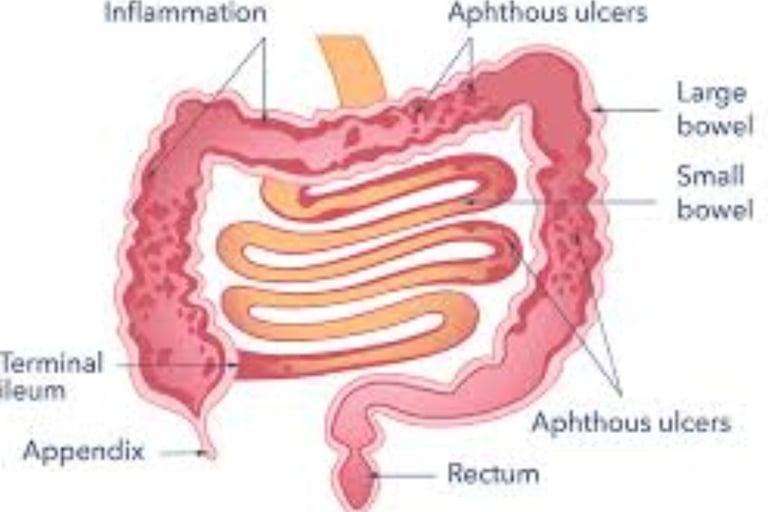
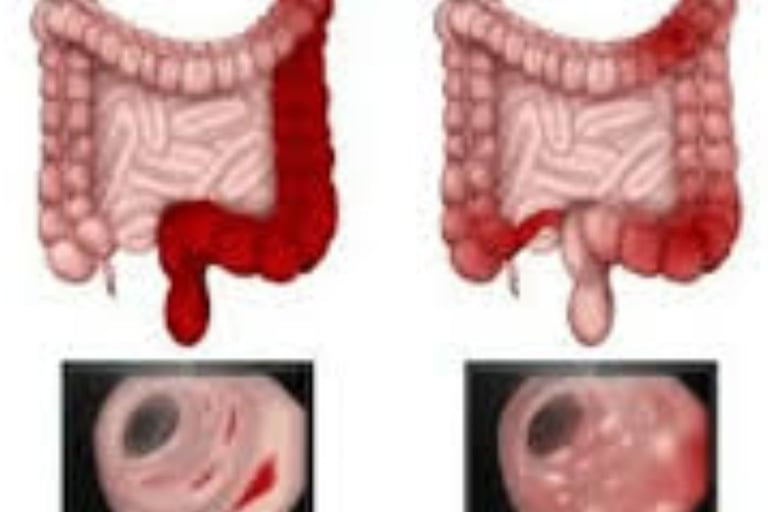
5. Inflammatory Bowel Disease (IBD)
Symptoms: Bloody diarrhea, abdominal pain, weight loss (e.g., Crohn's disease, ulcerative colitis).
Treatment:
Anti-inflammatory drugs (e.g., mesalamine).
Immunosuppressants or biologics.
Surgery in severe cases.
6. Gastrointestinal Infections
Symptoms: Diarrhea mixed with blood, fever, abdominal cramps.
Treatment:
Antibiotics for bacterial infections.
Rehydration and symptomatic management.
7. Rectal Trauma
Symptoms: Bleeding after injury or straining.
Treatment:
Rest and healing for minor trauma.
Surgical intervention for severe damage.
General Recommendations
Seek medical advice: Any unexplained bleeding should be evaluated by a healthcare provider.
Diagnostic tests: These may include a rectal exam, colonoscopy, or imaging studies.
Emergency care: Seek immediate attention if the bleeding is heavy, accompanied by dizziness, weakness, or fainting.
Bleeding Per Anus And Only free EFFECTIVE Treatment FASTING
Fasting is not a standard or universally recommended treatment for bleeding from the anus, as the appropriate treatment depends on the underlying cause.
However, in some cases, fasting or dietary modifications may help manage symptoms or support recovery.
Below are insights on how fasting might relate to specific causes of anal bleeding:
When Fasting Might Be Helpful
Gastrointestinal Rest:
In cases of gastrointestinal irritation or inflammation (e.g., inflammatory bowel disease, infectious colitis), short-term fasting may reduce bowel activity, allowing the digestive tract to rest and heal.
Dietary Reset:
Fasting followed by gradual reintroduction of a high-fiber, low-irritant diet can help regulate bowel movements and reduce strain or irritation.
Religious or Therapeutic Context:
Some individuals incorporate fasting for religious or therapeutic purposes. If done carefully, it may aid in reducing systemic inflammation, though it should not replace direct medical treatment.
CONTROL OF CHRONIC DISEASES:
such as diabetes ,hypertension , hyperlipidemia , hyperuricemia , in addition to the increased stem cells and autophagy. especially have beneficial effect in reduction of blood pressure.
Risks and Considerations
Delayed Diagnosis: Fasting without proper medical evaluation may mask symptoms or delay the diagnosis of serious conditions like colorectal cancer or significant gastrointestinal bleeding.
Nutritional Deficiency: Prolonged fasting without guidance can lead to nutritional deficiencies, which may worsen healing.
Dehydration: Lack of food and fluids may exacerbate conditions like hemorrhoids, as dehydration can lead to harder stools and increased straining.
Conditions Where Fasting Is Not Advised
Severe bleeding: Requires immediate medical intervention.
Chronic conditions: Such as hemorrhoids or anal fissures, need targeted treatments like dietary fiber, topical medications, or surgical intervention.
Infections: May worsen without proper nutrition and medical care.
fasting is the only effective treatment , either alone or in conjunction of the other treatments.
Recommendation
Seek medical evaluation: Before considering fasting as a treatment, consult a healthcare provider to identify the cause of bleeding.
Consider supportive care: A high-fiber diet, hydration, and rest are generally more effective and safer approaches.
Short-term fasting under supervision: If you believe fasting could help, it should be done under medical guidance to ensure safety.
keywords
Anal bleeding, fasting, causes, treatment, gastrointestinal rest, dietary reset, risks, medical evaluation, hemorrhoids, fissures, inflammation, and targeted care,.
https://www.centerforadvancedgi.net/rectal-bleeding-causes-and-treatments/
https://www.bladderandbowel.org/bowel/bowel-problems/haemorrhoids-anal-tears-and-fissures/
https://www.manhattangastroenterology.com/conditions/rectal-bleeding/
Questions and Answers About Anal Bleeding and Treatment FAQS
What are the common causes of anal bleeding?
Anal bleeding can have numerous causes, ranging from mild to serious. Common causes include:
Hemorrhoids
Anal fissures
Diverticular disease
Colorectal polyps or cancer
Inflammatory Bowel Disease (IBD)
Gastrointestinal infections
Rectal trauma or injuries
unknown cause
Each cause has distinct symptoms and different treatment methods.
How are hemorrhoids treated?
Hemorrhoids are usually treated with over-the-counter creams or suppositories, such as those containing hydrocortisone.
Additional recommendations include:
Sitting in a warm water bath (Sitz baths).
Following a high-fiber diet and increasing fluid intake to soften stools.
Severe cases may require procedures like rubber band ligation or surgery.
What are anal fissures, and how are they treated?
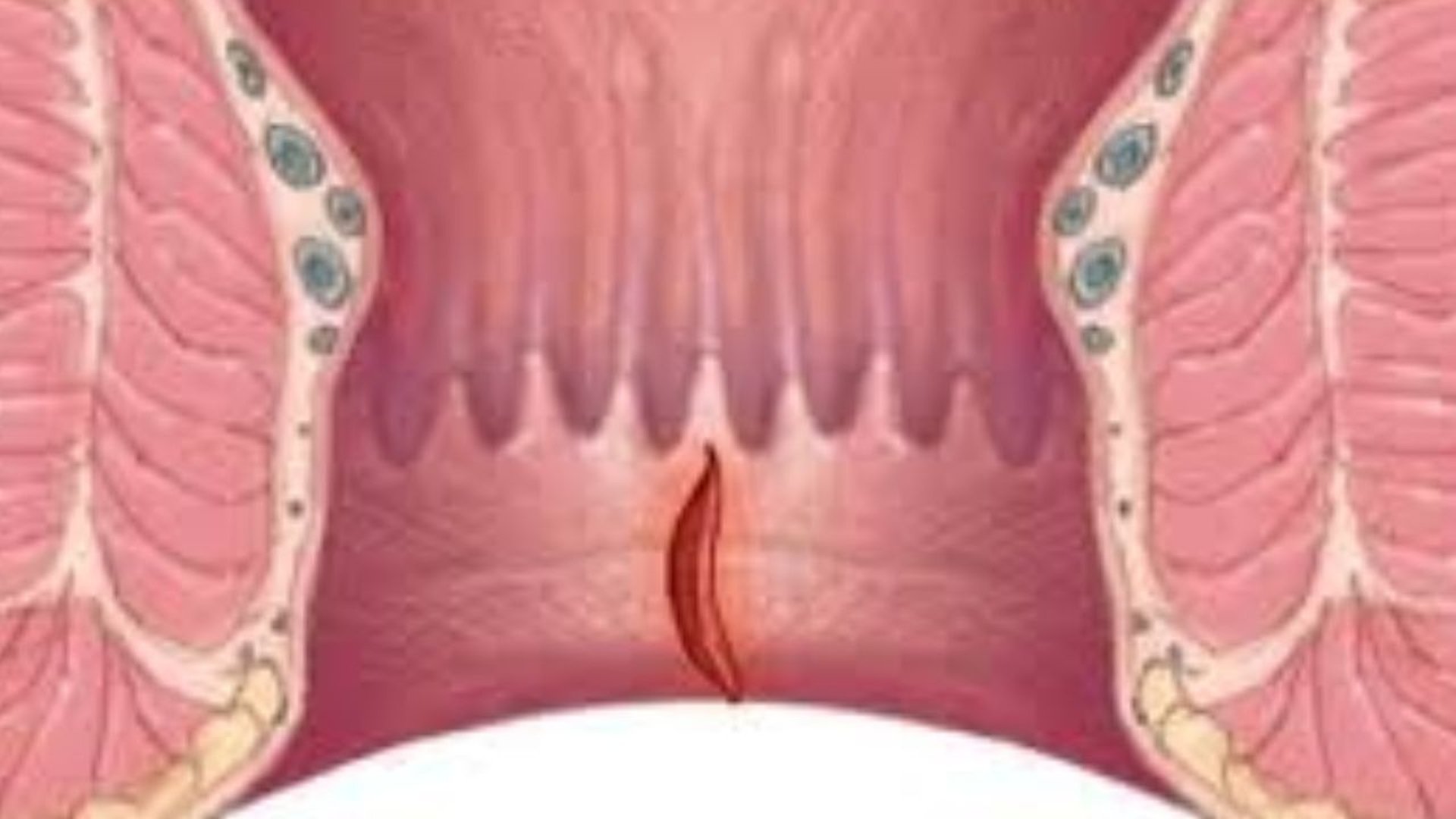
Anal fissures are small tears in the lining of the anus that cause pain during bowel movements and bright red bleeding.
Treatment includes:
Using topical anesthetics or nitrates to relax the anal sphincter.
Stool softeners to reduce strain during bowel movements.
Surgery, such as lateral internal sphincterotomy, may be necessary for chronic cases.
Is fasting an effective treatment for anal bleeding?
Fasting is not a standard or universally recommended treatment for anal bleeding, as the appropriate treatment depends on the underlying cause.
However, in some cases, fasting or dietary modifications might help manage symptoms or support recovery, particularly by reducing bowel activity.
This should only be done under medical
supervision.
When can fasting be beneficial for anal bleeding?
Fasting might be helpful in cases of irritation or gastrointestinal inflammation (such as inflammatory bowel diseases), as it
can reduce bowel activity and
allow the digestive system to rest and heal.
It can also help reset the diet and reduce stress or irritation after gradually reintroducing a fiber-rich diet.
Additionally, fasting may have other health benefits, such as managing chronic diseases.
What are the risks and precautions associated with fasting as a treatment for anal bleeding?
Delayed diagnosis: Fasting without proper medical evaluation can delay diagnosing serious conditions, such as colorectal cancer or severe gastrointestinal bleeding.
Nutritional deficiencies: Prolonged fasting without supervision can lead to nutritional deficiencies and worsened dehydration, which may exacerbate conditions like hemorrhoids.
Severe bleeding: Fasting is not recommended in cases of severe bleeding that require immediate medical attention.
What general measures are recommended for anal bleeding?
Seek medical advice for any unexplained bleeding.
Diagnostic tests may include a rectal exam, colonoscopy, or imaging.
For severe bleeding accompanied by dizziness, weakness, or fainting, seek immediate medical attention.
Following a high-fiber diet, staying hydrated, and getting adequate rest are considered safe and effective treatments.
Are there specific cases where fasting is not recommended as a treatment for anal bleeding?
Yes, fasting is not advisable in cases of:
Severe bleeding that requires immediate medical intervention.
Chronic conditions, such as hemorrhoids or anal fissures, that require topical or surgical treatments.
============================================================================================================================================================================================================================================================================================================================================================================
🚽 Haemorrhoids, Inflammatory Bowel Disease and fasting
https://www.h-k-e-m.com/-haemorrhoids-inflammatory-bowel-disease-and-fasting
✍️ About the Author
Hassan Al-Warraqi is the founder of H-K-E-M.com, a researcher in integrative health with a focus on gastrointestinal disorders, nutritional therapies, and the role of fasting in disease prevention. He educates on the early warning signs of serious colorectal conditions and advocates for holistic approaches to gut health.
In this article, Hassan explores how common conditions like hemorrhoids and anal fissures can sometimes mask deeper issues such as IBD and colorectal cancer—stressing the importance of early detection, lifestyle change, and dietary intervention.
🖋️ By Hassan Al-Warraqi
Founder @h_k_e_m_com | Are hemorrhoids or fissures harmless—or signs of something deeper? Learn how to protect your gut 🚨🦠 #GutHealth #ColorectalCancer #HKEM
🚽 Hemorrhoids, Anal Fissures, Inflammatory Bowel Disease & Colorectal Cancer — Summary
🚽 Hemorrhoids
Hemorrhoids are swollen veins in or around the rectum and anus.
They may cause:
Pain or discomfort
Itching
Bleeding during bowel movements
Swelling or lumps near the anus
Common causes include constipation, straining, prolonged sitting, pregnancy, and low-fiber diets.
🌿 Anal Fissures
Anal fissures are small tears in the lining of the anus.
Symptoms often include:
Sharp pain during or after bowel movements
Bright red bleeding
Burning or spasms
They are commonly caused by hard stools, chronic constipation, diarrhea, or trauma to the anal area.
🔥 Inflammatory Bowel Disease (IBD)
Inflammatory Bowel Disease includes:
Crohn's Disease
Ulcerative Colitis
IBD is a chronic immune-related inflammation of the digestive tract.
Symptoms may include:
Abdominal pain
Chronic diarrhea
Blood in stool
Fatigue
Weight loss
IBD can increase the risk of complications, including colon damage and colorectal cancer over time.
🎗️ Colorectal Cancer
Colorectal Cancer develops in the colon or rectum, often starting as polyps.
Warning signs may include:
Persistent rectal bleeding
Changes in bowel habits
Unexplained weight loss
Fatigue
Abdominal pain
Risk factors include aging, family history, smoking, obesity, processed diets, chronic inflammation, and untreated IBD.
🛡️ Prevention & Early Care
Helpful preventive measures:
Eat high-fiber foods
Drink enough water
Exercise regularly
Avoid excessive straining
Stop smoking
Seek medical evaluation for persistent bleeding or bowel changes
Early diagnosis greatly improves treatment outcomes, especially for colorectal cancer.
============================================================================================================================================================================================================================================================================================================================================================================
🧠 Stockholm Syndrome & Islamic Rules: Understanding Trauma and Consent — Summary
Stockholm Syndrome is a survival response where a person under fear, captivity, or severe pressure may emotionally bond with the controlling or abusive party.
This reaction is usually linked to:
Fear
Trauma
Emotional dependency
Survival instincts
In Islam, true consent must be:
Free
Conscious
Without coercion or intimidation
Any “agreement” formed under:
Threats
Captivity
Psychological pressure
❌ is not considered valid consent ethically or spiritually.
Islamic principles emphasize:
Human dignity
Mercy
Justice
Protection from oppression
💡 Bottom line:
What may appear as acceptance or attachment can actually be a trauma response—not genuine consent. Understanding trauma requires compassion, psychological awareness, and ethical responsibility.
============================================================================================================================================================================================================================================================================================================================================================================




Get in touch
Address
Cairo Al Rehab
Contacts
+20 109 405 2056
hassanalwarraqi@h-k-e-m.com