
Health is a crown on the heads of the healthy that only the sick can see.



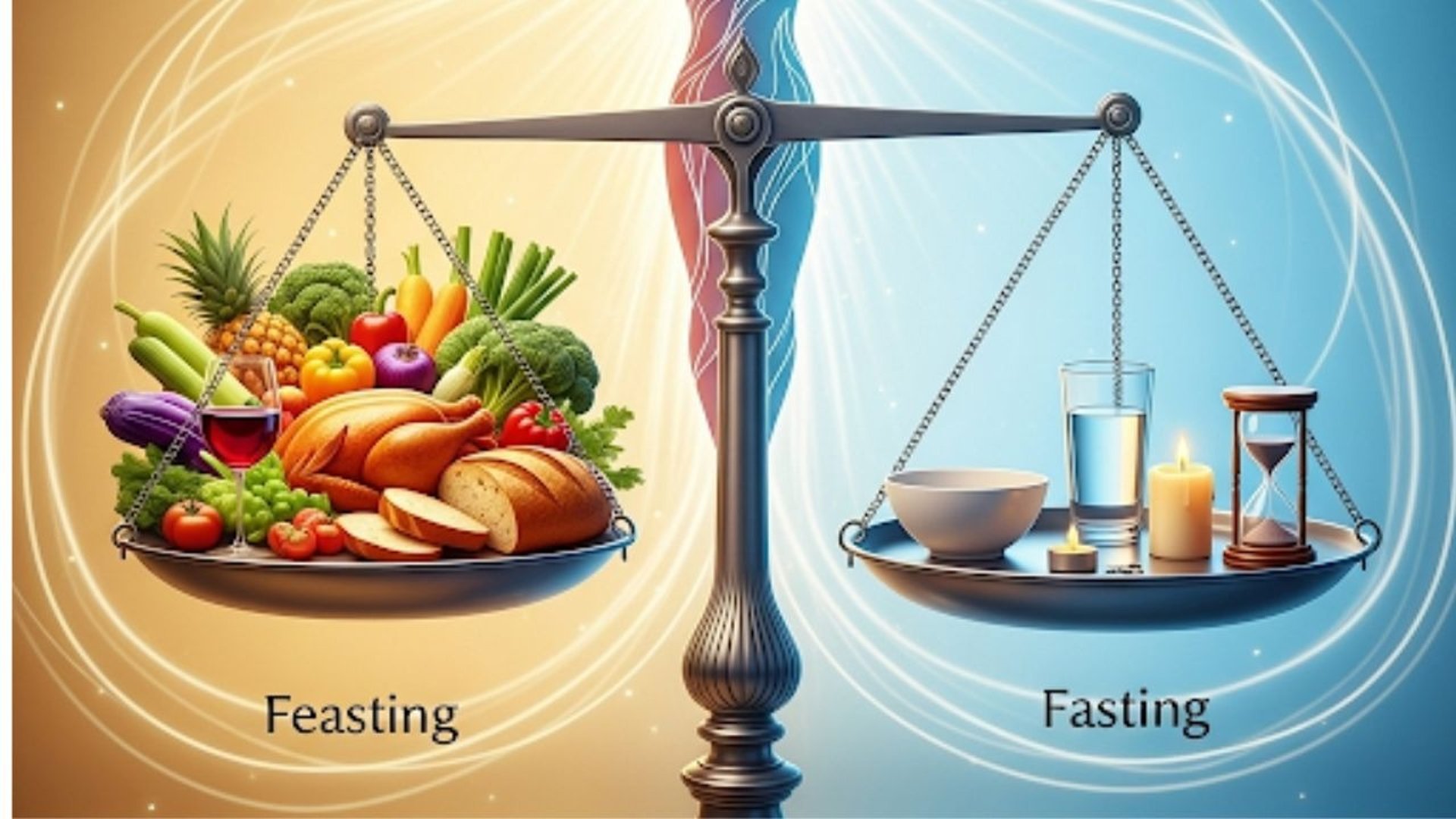
🌙 Feast and Fast : The Balance
eating and fasting boosts metabolism, improves immunity, and promotes long-term health and vitality."
OBESITYFASTINGGENERAL
Dr Hassan Al Wrraqi
5/27/20258 min read

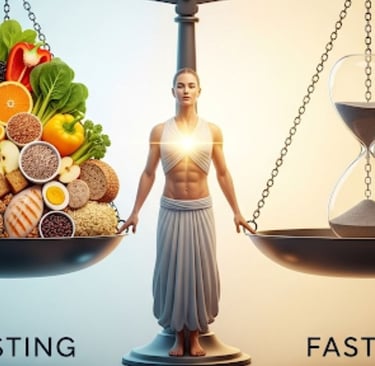
🌙 Feast and Fast : The Balance
"🍽️🌙 Feast and Fast: Explore how balancing eating and fasting boosts metabolism, improves immunity, and promotes long-term health and vitality."
To achieve peak health, the body requires a delicate balance between eating and fasting—a rhythm deeply rooted in human biology.
Modern eating habits, characterized by constant snacking and frequent meals, disrupt this natural cycle, leading to metabolic dysfunction, chronic inflammation, and disease.
This in-depth guide explores why fasting is crucial for health, how continuous eating harms the body, and how to reintroduce fasting for improved metabolism, longevity, and disease prevention.
To achieve optimal health, the body requires a delicate balance between eating and fasting periods.
Constantly eating disrupts this balance and overburdens the body's vital functions, potentially leading to chronic diseases that are currently prevalent.
Therefore, incorporating regular fasting periods, even if short, is a simple yet highly effective step toward improving health.
Why the Body Needs Both Eating and Fasting
1. Insulin Regulation and Metabolic Health
Problem with Constant Eating:
Every meal (especially carbs) triggers insulin release, which helps cells absorb glucose.
Frequent eating keeps insulin chronically high, leading to insulin resistance—a precursor to type 2 diabetes, obesity, and fatty liver disease.
How Fasting Helps:
Fasting lowers insulin levels, allowing cells to regain insulin sensitivity.
Studies show that intermittent fasting (16:8 method) improves blood sugar control and reduces diabetes risk.
2. Autophagy: The Body’s Cellular Cleanup Process
Problem with Constant Eating:
Autophagy (the body’s way of recycling damaged cells) only activates during fasting.
Without fasting, toxins and dysfunctional proteins accumulate, increasing cancer, Alzheimer’s, and aging risks.
How Fasting Helps:
After 12–16 hours without food, autophagy kicks in, removing:
Misfolded proteins (linked to neurodegeneration).
Dysfunctional mitochondria (boosting energy).
Viral and bacterial remnants (strengthening immunity).
3. Fat Burning vs. Sugar Dependency
Problem with Constant Eating:
The body relies on glucose (sugar) for energy, rarely tapping into fat stores.
This leads to weight gain, energy crashes, and cravings.
How Fasting Helps:
After 12+ hours without food, the body shifts to fat-burning mode, producing ketones for energy.
Benefits:
Sustained energy (no sugar crashes).
Reduced inflammation (linked to heart disease).
Improved mental clarity (ketones fuel the brain efficiently).
4. Gut Health and Digestion
Problem with Constant Eating:
The digestive system needs rest between meals to:
Fully break down food.
Repair the gut lining.
Balance gut bacteria.
Non-stop eating causes bloating, acid reflux, and leaky gut syndrome.
How Fasting Helps:
A 12–16 hour overnight fast allows:
Gut healing (reducing inflammation).
Microbiome rebalancing (improving immunity and digestion).
5. Brain Health and Cognitive Function
Problem with Constant Eating:
High insulin and inflammation impair BDNF (Brain-Derived Neurotrophic Factor), a protein vital for memory and learning.
Linked to brain fog, depression, and Alzheimer’s.
How Fasting Helps:
Fasting boosts BDNF, enhancing:
Neuroplasticity (brain’s ability to adapt).
Focus and mental clarity.
Protection against neurodegenerative diseases.
How to Reintroduce Fasting for Optimal Health
1. Start with Simple Intermittent Fasting (IF)
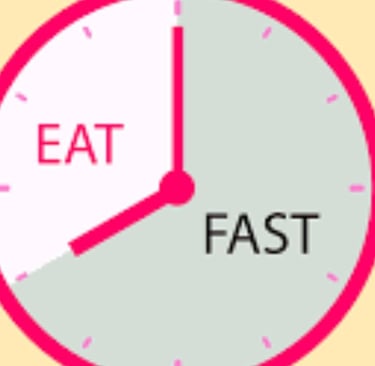
16:8 Method (Most Popular):
Fast for 16 hours (e.g., 8 PM–12 PM next day).
Eat within an 8-hour window (e.g., 12 PM–8 PM).
14:10 Method (Beginner-Friendly):
Fast for 14 hours, eat within 10 hours.
2. Avoid Common Mistakes
❌ Breaking a fast with sugar or refined carbs → spikes insulin.
✅ Break fast with protein + healthy fats (eggs, avocado, nuts).
❌ Drinking calorie-rich beverages (juices, milk) → breaks fasting.
✅ Stay hydrated (water, black coffee, herbal tea).
3. Progress to Longer Fasting Periods (Optional)
24-Hour Fast (1–2x per week):
Dinner → next day dinner (great for autophagy).
36–72 Hour Fast (Advanced, 1x per month):
Deep cellular repair, immune system reset.
4. Who Should Avoid Fasting?
Pregnant/nursing women.
Underweight individuals or those with eating disorders.
Diabetics on insulin (consult a doctor first).
Final Thoughts: Fasting Is a Metabolic Reset
The modern habit of constant eating disrupts our natural feast-fast cycle, contributing to obesity, diabetes, and brain decline.
By reintroducing fasting—even in small doses (12–16 hours)—we reactivate fat-burning, cellular repair, and brain health.
Start small: Skip late-night snacks, delay breakfast, and gradually extend fasting windows.
Your body will thank you with better energy, mental clarity, and long-term disease prevention.
🔹 Ready to try? Begin with 14 hours of fasting tonight and notice the difference!
SEO Optimization Notes:
Target Keywords: Intermittent fasting, autophagy, insulin resistance, fat burning, gut health, brain function.
Readability: Clear headings, bullet points, actionable steps.
Engagement: Questions, bold highlights, structured flow.
Backlinks Potential: Cites studies (can link to research).
FAqs of the Feast and Fast: The Essential Balance for Optimal Health
1. What is the "feast and fast" cycle, and why is it important?
The feast-fast cycle refers to the natural rhythm of eating followed by periods of fasting.
Historically, humans didn’t have constant access to food, so our bodies evolved to function optimally with this pattern.
Why it matters:
Fasting triggers autophagy (cellular cleanup).
Restores insulin sensitivity (preventing diabetes).
Boosts fat-burning and energy.
Supports brain health and longevity.
2. How long should I fast to see benefits?
Beginners: Start with 12–14 hours overnight (e.g., 7 PM–7 AM).
Intermediate: 16:8 method (16-hour fast, 8-hour eating window).
Advanced: 24–72 hours (for deep autophagy and metabolic reset).
3. Won’t fasting slow down my metabolism?
No! Short-term fasting (up to 72 hours) boosts metabolism by:
Increasing norepinephrine (fat-burning hormone).
Preserving muscle mass (unlike long-term calorie restriction).
Studies show fasting increases metabolic rate by 3–14% .
4. Can I drink anything during a fast?
Yes, but stick to zero-calorie options:
✅ Water (essential for hydration).
✅ Black coffee (boosts fat-burning).
✅ Herbal tea (no sugar or milk).
❌ Juices, milk, or diet sodas (break the fast).
if you do islamic fasting should be from dawn to sunset stop eating and drinking and sex.
5. Will fasting make me lose muscle?
Not if done correctly.
Fasting increases growth hormone (preserves muscle).
Eat enough protein in your eating window.
Strength training helps maintain muscle mass.
6. What should I eat after a fast?
Break your fast with nutrient-dense foods:
Protein: Eggs, chicken, fish (repairs tissues).
Healthy fats: Avocado, nuts, olive oil (sustained energy).
Fiber: Vegetables, berries (supports gut health).
Avoid sugar and refined carbs (spikes insulin).
7. Can fasting help with weight loss?
Yes! Fasting helps by:
Lowering insulin (fat-storage hormone).
Increasing fat oxidation (burning stored fat).
Reducing calorie intake naturally (fewer meals).
Studies show intermittent fasting leads to 3–8% weight loss in 3–24 weeks
8. Is fasting safe for women?
Yes, but women may need adjustments:
Shorter fasts (12–14 hours) work better for some (hormonal sensitivity).
Avoid fasting if:
Pregnant/breastfeeding.
Have a history of eating disorders.
Experience irregular periods (consult a doctor).
9. Can I exercise while fasting?
Yes! In fact, fasted workouts can:
Enhance fat-burning.
Boost growth hormone.
Best exercises: Light cardio, yoga, or strength training.
Avoid: High-intensity workouts if feeling weak.
10. How often should I fast?
Daily: 12–16 hour overnight fasts (easy to maintain).
Weekly: 1–2 longer fasts (18–24 hours).
Monthly (optional): A 36–72 hour fast for deep detox.
11. What are the signs I should stop fasting?
Stop and eat if you experience:
🚩 Extreme dizziness or nausea.
🚩 Severe fatigue or brain fog.
🚩 Heart palpitations or weakness.
🚩 Headaches that don’t go away with hydration.
12. Does fasting help with inflammation?
Absolutely! Fasting:
Reduces inflammatory markers (like CRP).
Resets the immune system (via autophagy).
Helps with autoimmune conditions (anecdotal evidence).
13. Can fasting improve gut health?
Yes! Benefits include:
Gut lining repair (reducing leaky gut).
Balancing gut bacteria (fasting starves harmful bacteria).
Reducing bloating and indigestion.
14. Will fasting help my brain function?
Definitely! Fasting:
Increases BDNF (supports memory and learning).
Reduces brain fog (ketones are efficient brain fuel).
May protect against Alzheimer’s and Parkinson’s.
15. Can I fast if I have diabetes?
Consult your doctor first!
Type 2 diabetics may benefit from fasting (improves insulin sensitivity).
Type 1 diabetics need careful monitoring (risk of hypoglycemia).
Never fast if on insulin without medical supervision.
Final Answer: Should You Try Fasting?
✅ YES if you want:
Better metabolism.
Weight loss.
Sharper brain function.
Longevity benefits.
⚠️ NO (or consult a doctor) if:
Pregnant/breastfeeding.
Underweight or have an eating disorder.
Have a serious medical condition.
Start small—even a 12-hour fast can make a difference!
SEO Optimization:
Keywords: Intermittent fasting benefits, fasting for beginners, autophagy, weight loss fasting, fasting and diabetes.
============================================================================================================================================================================================================================================================================================================================
🌙 Feast and Fast : The Balance
🌙 Feast and Fast: The Balance ⚖️
In a world of constant abundance, the ancient rhythm of feasting and fasting reminds us that health often thrives on balance rather than excess. Together, these complementary states support both physical and mental well-being when practiced wisely.
🌙 The Power of Fasting
Periods of fasting may help:
🔄 Support metabolic flexibility
🩸 Improve insulin sensitivity
⚖️ Promote healthy weight management
❤️ Support cardiovascular health
♻️ Activate natural cellular maintenance processes
🧠 Enhance mental clarity in some individuals
🍽️ The Importance of Feasting
Healthy eating periods are equally essential. They provide:
💪 Protein for muscle maintenance
🦴 Calcium and vitamin D for bone health
🧠 Essential fats for brain function
🥗 Vitamins, minerals, and antioxidants
⚡ Energy for daily activities and recovery
A nourishing "feast" means quality nutrition, not overeating.
⚖️ Finding the Right Balance
The greatest benefits come from alternating between:
🌙 Mindful fasting that allows the body time to rest and adapt.
🍽️ Balanced meals rich in whole foods, lean proteins, healthy fats, fruits, vegetables, and whole grains.
Both phases are necessary:
Fasting encourages repair and metabolic adaptation.
Eating supplies the nutrients needed for growth, recovery, and normal body function.
🚫 Avoid the Extremes
Neither chronic overeating nor excessive fasting promotes optimal health.
A balanced approach helps reduce the risk of:
Weight gain
Nutrient deficiencies
Blood sugar fluctuations
Fatigue
Metabolic disorders
🕌 A Timeless Principle
Islam encourages moderation in both eating and fasting.
Allah says:
"Eat and drink, but do not be excessive. Indeed, He does not like those who commit excess."
(Qur'an 7:31)
This principle reflects a timeless approach to healthy living: moderation, gratitude, and self-discipline.
🌟 Key Takeaway
Feast and Fast are not opposites—they are partners.
🌙 Fast to allow the body to rest, adapt, and renew.
🍽️ Feast wisely to nourish, strengthen, and sustain.
True wellness is found not in constant restriction or constant indulgence, but in the balance between nourishment and restraint. 🌿❤️
✍️ About the Author
Hassan Al-Warraqi is a health educator and founder of H-K-E-M.com, where he explores the science of metabolic balance, fasting, and mindful nutrition. Drawing on both traditional practices and cutting-edge research, Hassan emphasizes the power of meal timing, hormonal rhythms, and fasting-feeding cycles in achieving optimal health.
Through his work, he encourages readers to rediscover the natural wisdom of alternating between feasting and fasting as a sustainable path to longevity and vitality.
https://h-k-e-m.com/-feast-and-fast-the-essential-balance-for-optimal-health
=======================================================================================================================================================================================================
🍯 Manuka Honey & Multiple Sclerosis (MS): A Natural Support for Future Management 🧠
Subtitle:
Exploring the Potential Role of Manuka Honey, Healthy Nutrition, and Medical Fasting in Supporting Neurological Health
Key Points for the Image:
✅ May Help Reduce Inflammation
🧠 Supports Overall Brain and Nerve Health
🛡️ Provides Antioxidant Protection
🌿 Supports Gut-Immune Balance
⚡ May Help Improve Energy and Well-Being
Future Management of MS
✔️ Anti-inflammatory nutrition
✔️ Regular physical activity
✔️ Stress reduction and quality sleep
✔️ Medical supervision and follow-up
✔️ Adequate Vitamin D and nutrient status
✔️ Psychological and social support
✔️ Complementary approaches such as Manuka honey
⚠️ Important Notice:
Manuka honey may serve as a supportive nutritional option but is not a cure for Multiple Sclerosis and should not replace prescribed medical treatment.
Bottom Caption:
🍯 Manuka Honey + Healthy Lifestyle + Medical Care = Better Long-Term Support for Living with MS 💚🧠








Get in touch
Address
Cairo Al Rehab
Contacts
+20 109 405 2056
hassanalwarraqi@h-k-e-m.com