
Health is a crown on the heads of the healthy that only the sick can see.

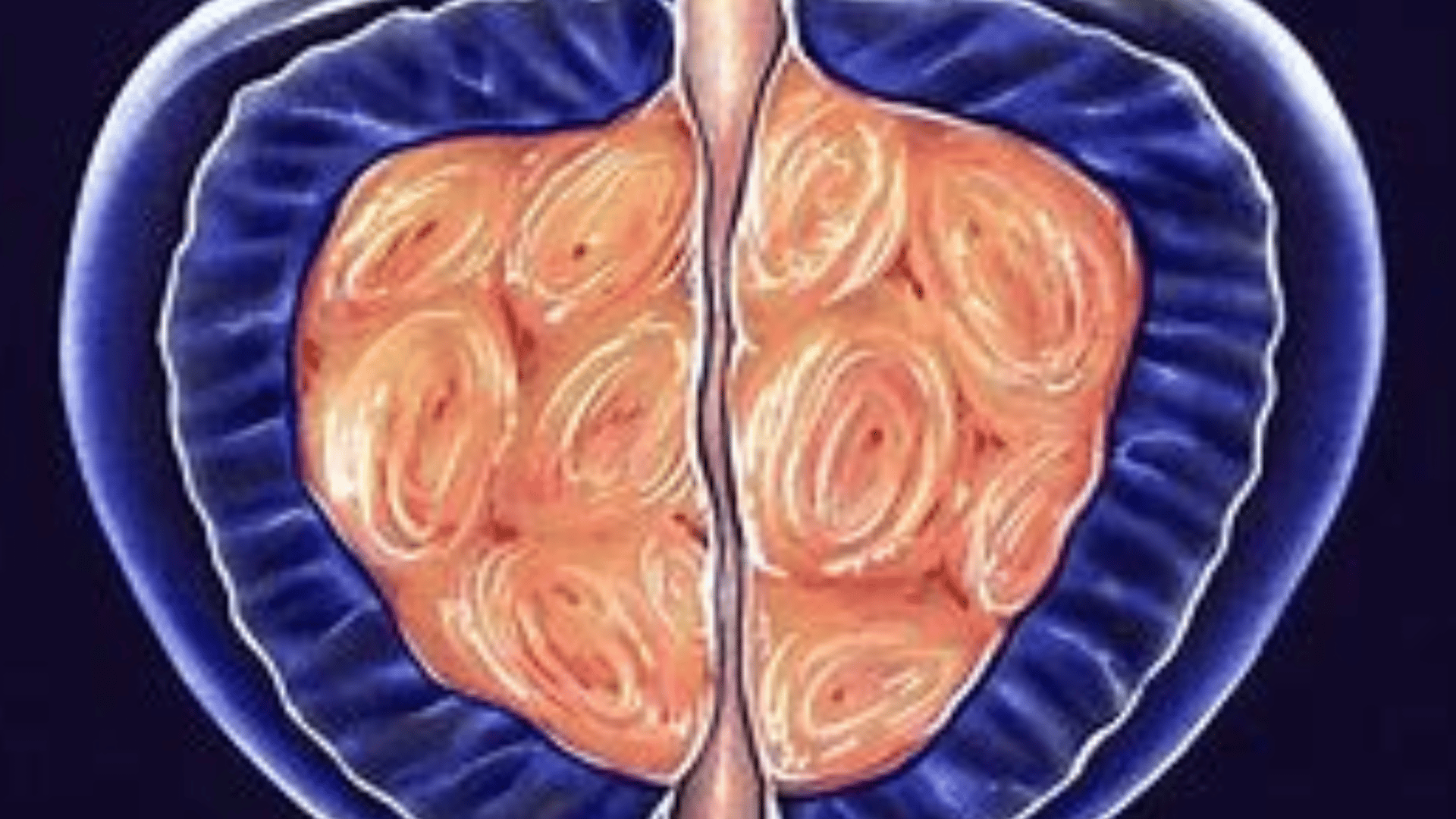
🧔 BPH & Prostate Cancer: Shrink the Gland Naturally📉
🧴🔬 Learn how to shrink an enlarged prostate and manage BPH symptoms naturally. Explore treatment options, lifestyle changes, may also help prevent prostate cancer.
GENERAL
Dr Hassan Al Warraqi
6/9/2024
🧔 BPH & Prostate Cancer: Shrink the Gland Naturally📉
🧴🔬 Learn how to shrink an enlarged prostate and manage BPH symptoms naturally. Explore treatment options, lifestyle changes, and early interventions that may also help prevent prostate cancer.
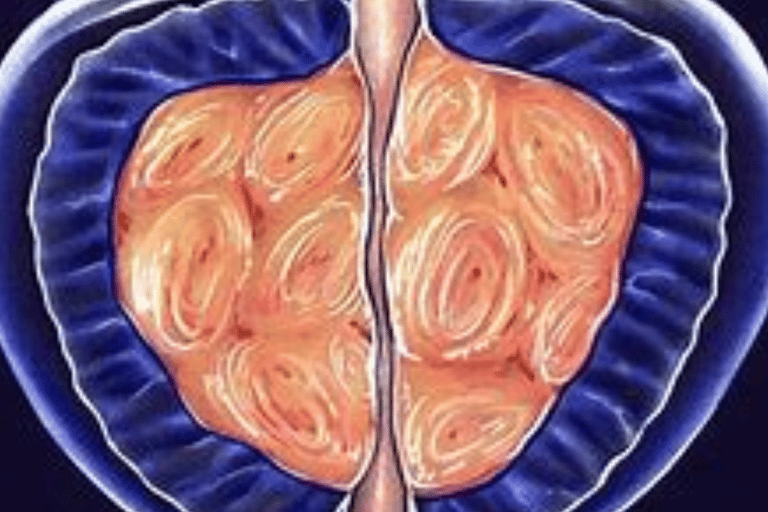
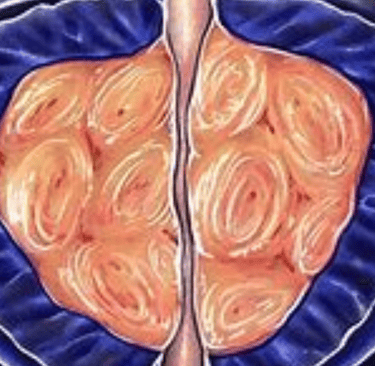
It is a procedure used to treat prostate enlargement, a common condition that affects men after the age of forty.
This procedure is performed by reducing the size of the enlarged prostate to improve urine flow and relieve the symptoms of cystitis and the constant need to urinate.
A range of methods are used to shrink the prostate, including drug therapy, surgical treatments such as prostatectomy and focused ultrasound energy.
Choosing the appropriate method depends on the size and enlargement of the prostate and the patient's condition.
You must consult a specialist doctor to determine the appropriate treatment plan and the necessary tests before performing any procedure to reduce the enlarged prostate.
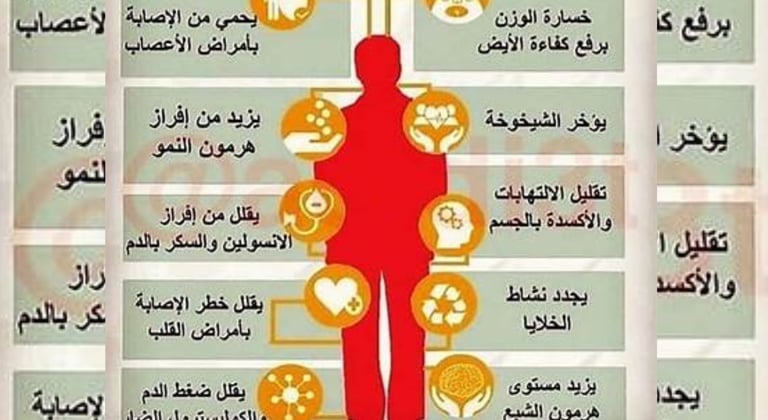
You must first try to fast, whether intermittent fasting or Islamic fasting, and before beginning any type of treatment
There are many, many health benefits of fasting, the most important of which is the purification of the body’s systems so that they become like new
enlarged prostate,benign prostatic hyperplasia (BPH),cancer ,BPH; Benign prostatic hyperplasia (hypertrophy); Prostate - enlarged, Shrinking enlarged prostate,fasting,
Benign Prostatic Hyperplasia (BPH): Symptoms, Causes & Treatments
keywords: enlarged prostate, BPH treatment, prostate health, intermittent fasting, prostate cancer
What is Benign Prostatic Hyperplasia (BPH)?
Benign Prostatic Hyperplasia (BPH) is a non-cancerous enlargement of the prostate gland, common in aging men.
By age 40, 5–6% of men develop BPH, rising to 29–33% by age 65.
Though not cancerous, an enlarged prostate can compress the urethra, leading to urinary issues like weak flow, frequent urination, and nocturia (nighttime urination).
Causes of BPH
The exact cause remains unclear, but age-related hormonal shifts—such as declining testosterone and rising dihydrotestosterone (DHT)—are key contributors.
Genetics and lifestyle factors (e.g., obesity) may also play a role.
Common Symptoms of BPH
Difficulty starting urination
Weak or interrupted urine stream
Post-void dribbling
Frequent/urgent urination (especially at night)
Incomplete bladder emptying
Pain during urination or ejaculation
Note: Medications like decongestants, antihistamines, and diuretics can worsen symptoms.
Diagnosing BPH
Physical Exam: Includes a digital rectal exam (DRE) to assess prostate size.
Urinalysis: Rules out infections or blood in urine.
PSA Blood Test: Screens for prostate cancer (elevated PSA may indicate BPH).
Urine Flow/Post-Void Tests: Measure bladder function.
Imaging: Transrectal ultrasound or cystoscopy for detailed evaluation.
BPH Treatment Options
Lifestyle Modifications
Limit evening fluids, caffeine, alcohol, and artificial sweeteners.
Exercise regularly and maintain a healthy weight.
Medications
Alpha-blockers (e.g., Tamsulosin): Relax prostate/bladder muscles.
5-Alpha Reductase Inhibitors (e.g., Finasteride): Shrink the prostate over months.
PDE5 Inhibitors (e.g., Tadalafil): Improve urinary flow and erectile function.
Minimally Invasive Procedures
UroLift: Lifts enlarged prostate tissue to relieve urethral pressure.
Rezūm Therapy: Steam treatment to reduce prostate size.
TURP: Surgical removal of excess prostate tissue.
Surgery
Prostatectomy: For severe cases, though risks include incontinence and erectile dysfunction.
Potential Complications of Untreated BPH
Chronic urinary retention
Bladder/kidney damage
Recurrent UTIs or bladder stones
Hematuria (blood in urine)
Can Fasting Help Manage BPH?
Weight Control & Reduced Inflammation
Obesity is a risk factor for BPH.
Intermittent fasting (e.g., 16:8 method) may aid weight loss and lower inflammation, potentially easing urinary symptoms.
Autophagy & Cellular Repair
Fasting triggers autophagy—a cellular “cleanup” process—that may reduce oxidative stress linked to prostate enlargement.
Caution: Long-term fasting risks malnutrition. Always consult a doctor before starting.
Fasting and Prostate Cancer: Emerging Research
Insulin Sensitivity & IGF-1 Reduction
Fasting may lower insulin and IGF-1 levels, hormones linked to cancer growth.
Chemotherapy Support
Animal studies suggest fasting protects healthy cells during chemo, but human data is lacking.
Key Takeaway: Fasting is not a cure but may complement standard treatments like surgery, radiation, or hormone therapy.
Prevention & Proactive Care
Exercise regularly to reduce BPH risk.
Avoid supplements like beta-sitosterol or saw palmetto without medical advice.
Seek immediate care for severe symptoms: inability to urinate, blood in urine, or fever.
SEO-Optimized FAQ
Can intermittent fasting cure BPH?
No, but it may help manage symptoms by reducing inflammation and supporting weight loss.
Is BPH linked to prostate cancer?
No—BPH is non-cancerous, but both conditions require proper diagnosis via PSA tests or biopsies.
What’s the safest BPH treatment?
Minimally invasive options like UroLift or Rezūm have fewer side effects than surgery.
Meta Description:
Learn about BPH symptoms, treatments, and how intermittent fasting may support prostate health. Explore surgical options, lifestyle tips, and risks.
Internal Linking Tip: Link to related articles like “Natural Remedies for Prostate Health” or “Understanding PSA Tests.”
Target Keywords:
Enlarged prostate treatment
BPH and intermittent fasting
Prostate cancer prevention
Autophagy and prostate health
FAQs About Benign Prostatic Hyperplasia (BPH): Symptoms, Causes & Treatment
keywords: BPH symptoms, enlarged prostate, BPH treatment, PSA test, prostate health
What is Benign Prostatic Hyperplasia (BPH)?
Benign Prostatic Hyperplasia (BPH) is a common, non-cancerous prostate enlargement that affects men as they age.
As the prostate grows, it can press against the urethra, leading to urinary difficulties.
While BPH is not prostate cancer, its symptoms (like frequent urination) may overlap with more serious conditions, requiring proper diagnosis.
What Are the Symptoms of BPH?
BPH symptoms include:
Difficulty starting urination
Weak or interrupted urine stream
Dribbling after urination
Frequent or urgent need to urinate
Waking up multiple times at night to urinate (nocturia)
Feeling of incomplete bladder emptying
Pain during urination or ejaculation
Changes in urine color or odor
What Causes BPH?
The exact cause of BPH is unclear, but age-related hormonal changes play a key role.
Declining testosterone levels, rising estrogen, and increased dihydrotestosterone (DHT) are linked to prostate growth. Genetics and lifestyle factors (e.g., obesity) may also contribute.
How is BPH Diagnosed?
Diagnosis typically involves:
Medical history & physical exam: Including a digital rectal exam (DRE) to assess prostate size.
Urinalysis: To rule out infections or blood in urine.
Urine flow test: Measures speed and strength of urine flow.
Post-void residual volume test: Checks how much urine remains in the bladder after urination.
PSA blood test: Screens for prostate cancer (though elevated PSA can also indicate BPH).
Cystoscopy or transrectal ultrasound: Visualizes the bladder, urethra, or prostate.
What Are the Treatment Options for BPH?
Treatment depends on symptom severity:
Lifestyle changes: Reduce caffeine/alcohol, exercise, and avoid medications that worsen symptoms.
Medications:
Alpha-blockers (e.g., Tamsulosin): Relax prostate/bladder muscles.
5-alpha reductase inhibitors (e.g., Finasteride): Shrink the prostate.
PDE5 inhibitors (e.g., Tadalafil): Improve urinary flow.
Minimally invasive procedures:
TURP (Transurethral Resection of the Prostate): Removes excess prostate tissue.
Rezūm Therapy: Uses steam to shrink enlarged tissue.
UroLift: Lifts prostate tissue to relieve urethral pressure.
Prostate Artery Embolization: Reduces blood flow to shrink the prostate.
Can BPH Be Prevented?
There’s no guaranteed way to prevent BPH, but a healthy lifestyle—regular exercise, a balanced diet rich in fruits/vegetables, and maintaining a healthy weight—may lower your risk.
Complications of Untreated BPH
Left untreated, BPH can lead to:
Urinary retention
Bladder/kidney damage
Recurrent UTIs
Bladder stones
Urinary incontinence
When to See a Doctor for BPH
Consult a urologist if you experience urinary symptoms affecting your quality of life. Seek immediate care for:
Inability to urinate
Severe lower abdominal pain
Blood in urine
Fever/chills with painful urination
SEO-Optimized FAQ Section
Is BPH a sign of prostate cancer?
No—BPH is non-cancerous. However, symptoms overlap, so a PSA test or biopsy may be needed to rule out cancer.
Can diet improve BPH symptoms?
Yes! Avoiding spicy foods, caffeine, and alcohol may reduce irritation.
Focus on zinc-rich foods (pumpkin seeds) and antioxidants.
What’s the difference between BPH and prostatitis?
BPH involves prostate enlargement, while prostatitis is inflammation (often due to infection) causing pain and urinary issues.
Meta Description:
Learn about BPH symptoms, causes, and treatments—from lifestyle changes to surgery. Discover how to manage an enlarged prostate and when to seek help.
Internal Linking Tip: Link to related articles like “Natural Remedies for Prostate Health” or “Understanding PSA Tests.”
Target Keywords in Headers:
BPH symptoms and causes
Enlarged prostate treatment options
PSA test for BPH
Minimally invasive BPH surgery
Can Fasting Help Manage BPH and Prostate Cancer? Exploring the Science
(SEO-optimized for keywords: intermittent fasting, BPH, prostate cancer, insulin sensitivity, autophagy)
Fasting and Benign Prostatic Hyperplasia (BPH)
1. Weight Management and Reduced Inflammation
Obesity is a known risk factor for BPH, a non-cancerous prostate enlargement. Intermittent fasting (e.g., 16:8 method) may aid weight loss, indirectly easing BPH symptoms like urinary difficulty.
Studies suggest fasting reduces chronic inflammation, a driver of prostate growth, potentially improving urinary flow and discomfort.
2. Lowering Oxidative Stress
Fasting triggers cellular repair processes like autophagy (the body’s “cleanup” mechanism), which may reduce oxidative stress linked to prostate enlargement.
While human trials are limited, preclinical research highlights fasting’s anti-inflammatory benefits for prostate health.
Fasting and Prostate Cancer: Potential Benefits
1. Insulin Sensitivity and IGF-1 Reduction
High insulin and insulin-like growth factor (IGF-1) levels are tied to prostate cancer progression.
Fasting may lower these markers, potentially slowing cancer cell growth.
A 2020 study in Nature Communications noted fasting’s role in inhibiting tumor growth in certain cancers, though prostate-specific data remains sparse.
2. Chemotherapy Support
Animal studies show fasting may protect healthy cells during chemotherapy while sensitizing cancer cells to treatment.
However, human evidence is lacking, and prolonged fasting risks malnutrition—critical for cancer patients battling weight loss.
3. Autophagy and Cellular Repair
By stimulating autophagy, fasting helps cells remove damaged components, a process theorized to suppress cancer development. While promising, clinical trials are needed to confirm its efficacy for prostate cancer.
Key Considerations and Risks
Not a Standalone Treatment: Fasting should never replace surgery, radiation, or hormone therapy for prostate conditions.
Consult Your Doctor: Fasting may interact with medications or worsen side effects. Always seek medical advice before starting.
Safe Approaches: Short-term intermittent fasting (12–16 hours) is generally low-risk, but long-term fasting requires supervision.
SEO-Optimized FAQ Section
Q: Can intermittent fasting cure BPH?
A: No, but it may help manage symptoms by reducing inflammation and supporting weight loss.
Q: Does fasting prevent prostate cancer?
A: While fasting shows promise in lab studies, there’s no conclusive evidence it prevents prostate cancer in humans.
Q: Is fasting safe during prostate cancer treatment?
A: Consult your oncologist first. Fasting may interfere with therapies or nutritional needs.
Meta Description:
Explore how intermittent fasting may aid BPH symptom relief and support prostate cancer treatment through weight loss, reduced inflammation, and autophagy.
Learn the science, risks, and expert recommendations.
Internal Linking Tip: Link to related articles like “Diet Tips for Prostate Health” or “BPH Treatment Options.”
Target Keywords in Headers/Subheaders:
Intermittent fasting and BPH
Fasting for prostate cancer
Autophagy and prostate health
Insulin sensitivity and prostate cancer
By balancing scientific insights with actionable advice, this content aims to rank for prostate health queries while emphasizing medical guidance.
=====================================================================================================================================================================================================================================================================================================================================================================================================================
🧔 BPH & Prostate Cancer: Shrink the Gland Naturally📉
: https://www.h-k-e-m.com/-bph-and-prostate-cancer-shrink-the-gland-naturally
🧑⚕️ The Overarching Rule: Medical Supervision is Essential
Before exploring any natural approach, it's crucial to understand that dietary supplements can interact with prescription medications or be unsafe for men with certain health conditions. The long-term effects of many supplements are not fully understood, so always discuss their use with a qualified medical provider before starting. While studies on supplements for enlarged prostate have shown mixed results, healthy habits like diet and exercise can offer significant benefits.
🩺 BPH: Natural Strategies for Symptom Relief
1. Lifestyle and Dietary Foundations
For Benign Prostatic Hyperplasia (BPH), also known as an enlarged prostate, lifestyle changes can be very effective in managing symptoms like frequent urination and weak stream.
Dietary Adjustments: The most consistent evidence points to a diet that is low in red meat and saturated fats and rich in vegetables, fruits, whole grains, and omega-3-rich fish like salmon or sardines. This general anti-inflammatory diet may help support the prostate.
Bladder-Friendly Habits: To reduce nighttime urination, try to limit or avoid caffeine and alcohol, as these can act as bladder irritants. Also, consider reducing fluid intake for a few hours before bedtime.
Exercise is Medicine: Regular physical activity is a powerful tool. A Mendelian randomization study provides causal evidence that strenuous sports have a protective effect against BPH. In addition to general exercise, Kegel (pelvic floor) exercises are highly beneficial. They strengthen the muscles that control urination, helping to reduce BPH-related urgency and a weak stream.
Weight Management: Maintaining a healthy weight is crucial, as excess abdominal fat can worsen lower urinary tract symptoms. One study found that prostate volume was reduced after a six-month weight-loss intervention in men with BPH.
2. Supplements for BPH Symptom Relief
Many men turn to supplements as a natural, complementary alternative to medications. The evidence for these is mixed, but several have shown promise. It's generally well-tolerated, and may offer men with BPH some degree of symptom relief.
SupplementMechanism & EfficacyKey ConsiderationBeta-sitosterolA plant compound found in many foods. A large placebo-controlled trial showed men taking beta-sitosterol experienced improved urine flow and reduced residual urine volume. It may help modulate 5-alpha-reductase activity, the enzyme linked to prostate growth.Generally safe, but can interact with certain medicines.Pumpkin Seed ExtractRich in zinc and plant sterols,
it is thought to help inhibit 5-alpha-reductase. A 12-week trial showed a 30% reduction in symptom scores and improved quality of life.Generally safe, but mild gastrointestinal issues or diuretic effects have been reported.Pygeum AfricanumAn extract from African plum tree bark that demonstrated possible advantages in improving urinary symptoms and flow.Appears to have few negative effects.Saw PalmettoEvidence for saw palmetto is mixed. While some analyses show it may offer slight improvements in urinary symptoms, a 2020 meta-analysis found it had comparable efficacy to the drug tamsulosin.A 2022 meta-analysis in 1080 males reported no significant effect on reducing the prostate itself.
Combination FormulasEmerging research suggests multi-herbal blends may be effective. A 2025 clinical trial found that a compound of Angelica gigas and Astragalus membranaceus (SHPro®) significantly improved total IPSS (symptom scores) and sexual function after 12 weeks.The combinations and dosages vary greatly between products.
🩺 Prostate Cancer: Supporting a Healthy Outcome
When it comes to prostate cancer, the focus of natural strategies is on supporting overall health, potentially slowing progression, and improving quality of life. It is critical to note that these are not cures and should be used only as part of an active surveillance or treatment plan under oncological supervision.
1. Foundational Lifestyle Support
The principles for cancer are similar to those for BPH, but with higher stakes. A plant-based diet rich in fruits, vegetables, and whole grains is linked to a decreased risk of prostate cancer and its progression. Key nutrients often highlighted include:
Lycopene (found in cooked tomatoes)
Polyphenols (found in green tea)
Omega-3 fatty acids (found in fish)
These components demonstrate promise in mitigating prostate cancer risk and progression. Regular exercise also plays a vital role. Physical activity can lower the risk of prostate cancer, help slow disease progression, and improve hormonal balance and inflammation.
2. Investigational Nutritional Interventions
Recent high-quality research has pointed toward more specific nutritional strategies.
A 2025 double-blind, placebo-controlled trial involving 208 men with low-risk prostate cancer on active surveillance found that taking phytochemical-rich food capsules helped slow Prostate-Specific Antigen (PSA) progression significantly, and also improved urinary symptoms and erectile function. Notably, the addition of a blend of five Lactobacillus probiotics resulted in a three-fold greater slowing of PSA progression, as well as a reduction in inflammation markers. This points to a potential "gut-prostate axis" that could be targeted nutritionally.
Another 2025 study provides a potential mechanism, reporting that the phytosterol Stigmasterol (found in various plants) significantly reduced dihydrotestosterone (DHT) levels and inflammation in an animal model, demonstrating promise as a potential agent for managing BPH and possibly cancer.
3. Supplements and Prostate Cancer: Proceed with Caution
Many supplements have been investigated for their potential in prostate cancer. However, the evidence is often mixed, and some can be problematic.
SupplementPotential & EvidenceKey WarningGreen TeaContains catechins, which some studies suggest may help reduce the progression of pre-cancerous lesions and slow the growth of cancerous cells.Research is ongoing, but results are promising, particularly in early-stage disease.Lycopene & OthersA 2025 review of clinical trials concluded that products like lycopene, green tea, pomegranate, and curcumin showed promise in reducing prostate cancer risk and progression, as measured by PSA levels and other markers.Results are inconclusive due to small sample
sizes.Multivitamins, Selenium, & Vitamin EWhile selenium has been inversely associated with prostate cancer risk in some studies, large-scale trials paint a concerning picture. The SELECT trial found no effect of selenium and actually found a 17% increased risk from vitamin E supplementation.High-dose selenium (10–100 mg/kg) has been shown to induce epithelial dysplasia in animal models. Furthermore, excessive multivitamin use (especially those containing selenium, beta-carotene, or zinc) has been linked to an increased risk of advanced and fatal prostate cancers, particularly in men with a family history.
=================================================================================================================================================================================================================================================================================================
✍️ General Author Bio (For Articles on Fasting, Natural Healing, and Chronic Illness)
Dr. Hassan Al Warraqi is the founder of H-K-E-M.com, a platform dedicated to evidence-based natural healing, voluntary fasting, and holistic approaches to chronic illness. With a background in medicine and a passion for ancient healing wisdom, he combines modern science with traditional knowledge to help people reclaim their health—naturally. His writings explore the power of fasting, honey, detoxification, and lifestyle change as safe and sustainable alternatives to lifelong medication.
🧠 Expert Bio (For Brain Health, Neurodegeneration, and Mental Wellness)
Dr. Hassan Al Warraqi writes extensively on brain resilience, neuroinflammation, and natural therapies for cognitive health. Through his work at H-K-E-M.com, he educates the public about the therapeutic potential of fasting, sleep optimization, and metabolic renewal in managing conditions like Alzheimer’s, MS, and anxiety—without unnecessary drugs or side effects.
🧬 Bio for Scientific Health Readers (SEO-Optimized, Authoritative Tone)
Hassan Al Warraqi, M.D., is a physician-writer and founder of H-K-E-M.com, an educational hub exploring the intersections of fasting, metabolic health, and natural medicine. Drawing on clinical experience and current research, his content helps readers understand complex health issues through clear, actionable insights rooted in science and tradition.
🌿 Holistic/Spiritual Wellness Bio (For Mindful, Natural Health Content)
Dr. Hassan Al Warraqi is a physician and wellness educator who believes in the body’s natural power to heal through fasting, stillness, and simplicity. At H-K-E-M.com, he shares practical knowledge inspired by ancient wisdom, divine design, and modern science to guide readers toward healing with purpose—one fast, one breath, one day at a time.
✨ Short One-Liner Bios (For Blog Footers or Cards)
Hassan Al Warraqi, M.D., is a health educator who blends fasting science and natural medicine to promote lasting healing.
Dr. Al Warraqi helps people reverse chronic illness through the art of fasting and simplicity at H-K-E-M.com.
Physician, author, and fasting advocate—Hassan Al Warraqi empowers readers with natural, evidence-based solutions for chronic disease.
=====================================================================================================================================================================================================================================================================================================================================================================================================================
Mental Health in War Zones: Short Guide (2023–2026)
1. Two Types of War Trauma
GroupExposure PatternKey FeaturesIsraeli SoldiersEpisodic (combat missions)High control, trained role, military support availableGaza CiviliansContinuous (environmental)No safe space, no control, limited recovery access
Result: Soldiers get combat-related PTSD; civilians develop continuous traumatic stress (brain never exits survival mode).
2. How Trauma Affects the Brain
Amygdala (fear center) → becomes overactive (false alarms)
Hippocampus (memory) → disorganized (can’t separate past from present)
Prefrontal cortex (logic) → weaker (poor emotional control)
Effect on learning: Trauma does not lower IQ, but it impairs working memory, concentration, and school performance. These effects are reversible with safety.
3. Children Are Most Vulnerable
Symptoms: nightmares, bedwetting, aggression, withdrawal, learning difficulties.
Long-term risk: chronic PTSD, anxiety, depression, developmental delays.
Key difference (Gaza vs. Ukraine):
Gaza children: continuous trauma → very high risk, minimal recovery windows.
Ukraine children: episodic trauma with breaks → better chance for resilience.
4. What Helps? (Interventions)
StageBest ApproachImmediate crisisPsychological First Aid (PFA): safety, calm, basic needs, connectionShort-termRoutine, family support, grounding techniques (breathing, 5-4-3-2-1)Long-term recoveryTrauma-Focused CBT (gold standard), EMDR
For children: calm adult + routine + play + reassurance → most effective “treatment” in crisis.
5. Fasting & Mental Health – Key Points
Not a treatment for depression, anxiety, or PTSD.
Possible mild benefits in healthy individuals (mood, energy).
Significant risks for vulnerable people:
Increases anxiety, panic, irritability.
Can worsen depression.
May trigger mania/hypomania in bipolar disorder.
Dangerous for eating disorders.
Comparison: Antidepressants = proven, reliable, evidence-based. Fasting = experimental, unpredictable, not a substitute.
6. How Therapy Rebuilds the Brain
Calms the amygdala (less fear)
Strengthens prefrontal cortex (better control)
Repairs hippocampus (organizes memories)
Uses neuroplasticity to build new, safe pathways
Goal: Change response from “I’m in danger now” to “That happened, but I’m safe now.”
7. Final Takeaways
Soldiers and civilians experience different trauma structures – both valid, both damaging.
Children are the most affected group; continuous trauma causes long-term developmental harm.
Recovery is possible with safety, routine, human connection, and evidence-based therapy (TF-CBT, CBT, EMDR).
Fasting is not a psychiatric treatment and can be harmful in mood disorders.
When no services exist: stay together, keep routines, use grounding, protect sleep – these save lives.




Get in touch
Address
Cairo Al Rehab
Contacts
+20 109 405 2056
hassanalwarraqi@h-k-e-m.com