
Health is a crown on the heads of the healthy that only the sick can see.



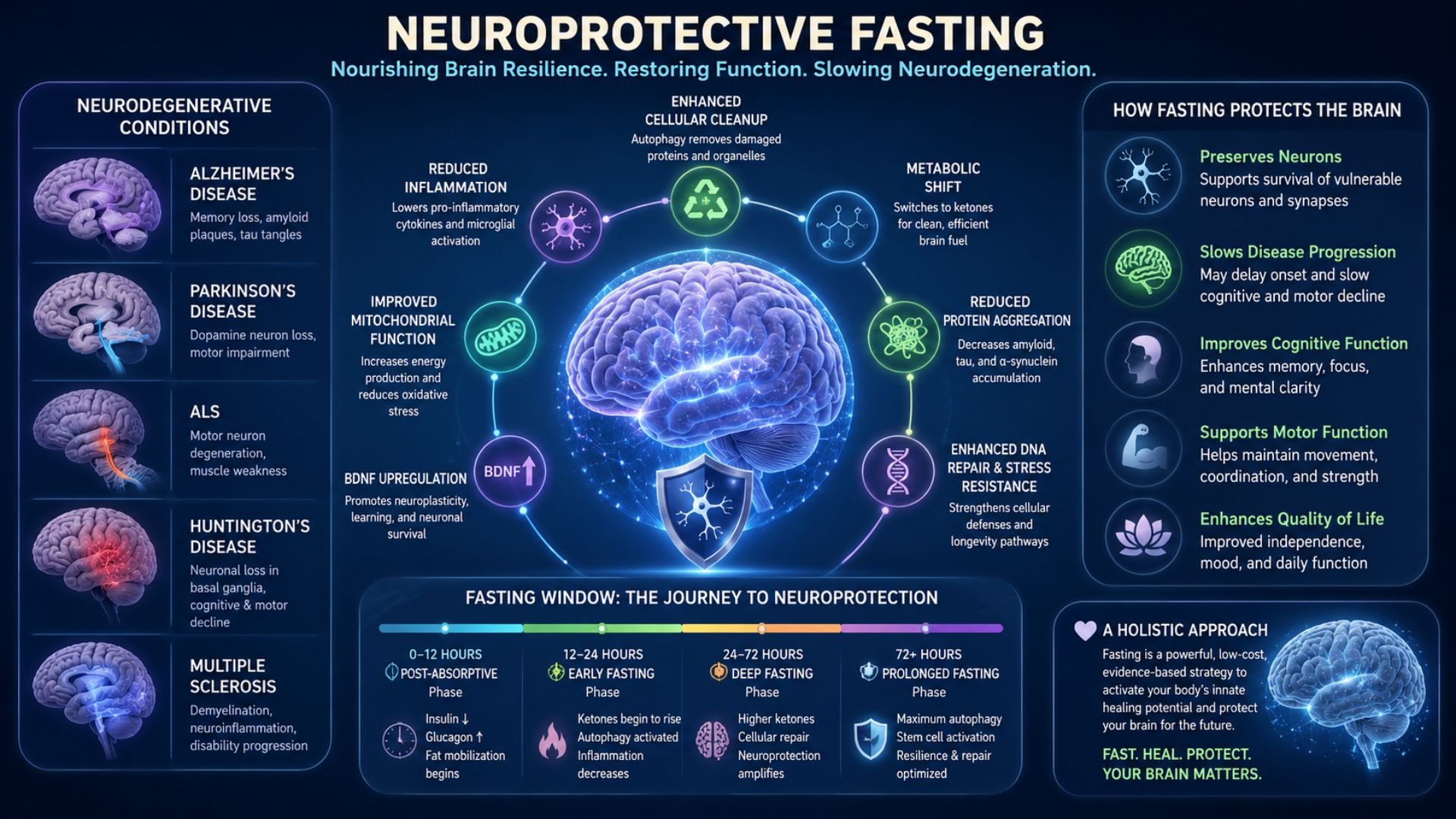
🌙Neuroprotective Fasting in Neurodegenerative Conditions🧠
Discover how fasting may protect the brain by activating autophagy, reducing inflammation, boosting BDNF, supporting healthy aging in neurodegenerative diseases.
FASTINGNERVOUS SYSTEM
Dr Hassan Al Warraqi
6/27/202612 min read
🌙Neuroprotective Fasting in Neurodegenerative Conditions🧠
Discover how fasting may protect the brain by activating autophagy, reducing inflammation, boosting BDNF, supporting healthy aging in neurodegenerative diseases.
Recent scientific research indicates that intermittent fasting (IF), the fasting-mimicking diet (FMD), and the ketogenic diet (KD) offer significant neuroprotective benefits, particularly in the context of Alzheimer's disease (AD) and other neurodegenerative conditions.
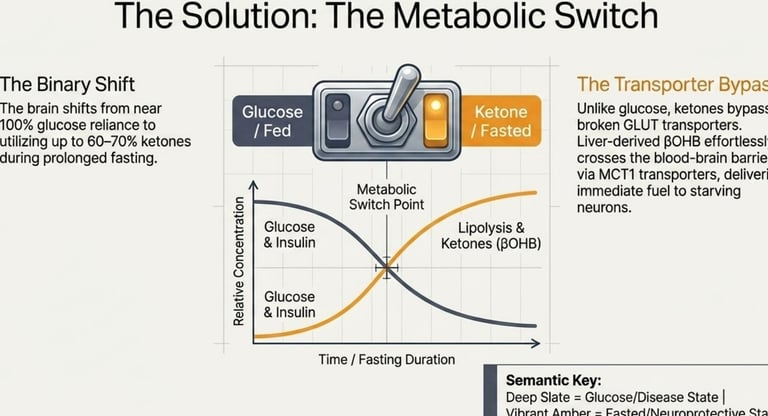
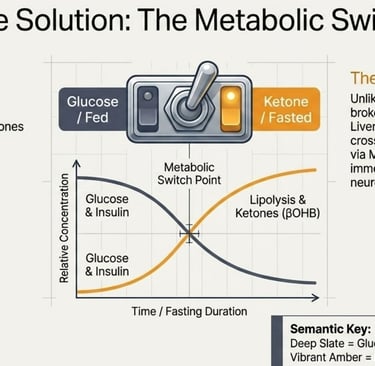
The primary mechanism of action is a "metabolic switch" where the brain transitions from reliance on glucose to utilizing ketone bodies, such as β-hydroxybutyrate (βOHB).
Key Findings from Analyzed Research
Reduction of Pathological Markers: In AD mouse models (e.g., 3xTg, E4FAD), periodic cycles of FMD or IF significantly reduced amyloid-beta plaque buildup and hyperphosphorylated tau protein, the two primary hallmarks of the disease.
Enhanced Bioenergetics: Ketones provide an alternative fuel source that bypasses glucose hypometabolism—a common early feature of AD—supplying up to 60–70% of the brain's energy requirements during prolonged fasting.
Cellular Homeostasis
These dietary interventions activate autophagy (the cell's waste-clearance system) and inhibit the mTOR pathway, facilitating the removal of toxic protein aggregates.
Anti-inflammatory Signaling: Ketosis suppresses neuroinflammation by inhibiting the NLRP3 inflammasome and modulating microglial activity, effectively reducing oxidative stress.
Clinical Feasibility: Initial Phase 1 clinical trials suggest that FMD is safe and feasible for patients with mild cognitive impairment or early-stage AD, though further research into sex-specific responses and long-term safety (regarding muscle loss) is required.
1. The Metabolic Switch: Ketones as Alternative Brain Fuel
Alzheimer's disease is characterized by "cerebral glucose hypometabolism", where the brain's ability to uptake and utilize glucose is impaired, often due to deficiencies in glucose transporters like GLUT1 and GLUT3.
1.1 Ketone Utilization
Ketone bodies (βOHB, acetoacetate, and acetone) are produced in the liver from fatty acids during periods of low glucose availability.
Unlike glucose metabolism, ketone utilization remains largely intact in the aging and AD brain.
Energy Efficiency: βOHB is a more efficient fuel than glucose; it reduces the NAD+/NADH ratio and increases the ΔG' of ATP hydrolysis, promoting higher ATP production.
MCT Transporters: The uptake of ketones across the blood-brain barrier is mediated by monocarboxylate transporters (MCT1, MCT2, and MCT4).
Studies show that KD and fasting can upregulate these transporters, enhancing the brain's capacity to utilize alternative fuel.
1.2 The Astrocyte-Neuron Lactate Shuttle (ANLS)
During fasting, the brain also relies on lactate. Astrocytes metabolize glucose into lactate, which is then exported via MCT1/4 and taken up by neurons via MCT2.
This shuttle is critical for maintaining energetics and supporting synaptic plasticity by modulating NMDA receptor signaling.
2. Molecular Mechanisms of Neuroprotection
The transition to a ketogenic state triggers a cascade of molecular events that protect neurons from damage and death.
2.1 Mitochondrial Enhancement and Oxidative Stress Reduction
Mitochondrial dysfunction is a primary contributor to AD.
Ketone bodies and KD enhance mitochondrial function through several pathways:
Sirtuin Activation: Elevated NAD+ levels activate SIRTs (SIRT1, SIRT2, SIRT3). SIRT3, in particular, binds to mitochondrial complexes I and II, increasing their activity and reducing the production of reactive oxygen species (ROS).
Antioxidant Defense: Ketones activate the Nrf2 signaling pathway, which upregulates antioxidant enzymes like superoxide dismutase 2 (SOD2) and glutathione.
Uncoupling Proteins (UCPs): KD increases the expression of UCP2, UCP4, and UCP5, which help reduce ROS production by uncoupling oxidative phosphorylation.
2.2 Autophagy and Protein Clearance
Autophagy is the catabolic process of degrading and recycling damaged cellular components.
In AD, this process is often impaired.
mTOR Inhibition: Fasting and caloric restriction (CR) inhibit the mTORC1 pathway, a major suppressor of autophagy.
ULK1 Activation: AMPK, an energy sensor activated during fasting, directly phosphorylates and activates ULK1, which initiates autophagosome formation.
TFEB Regulation: Ketone bodies promote the activity of Transcription Factor EB (TFEB), the master regulator of lysosomal biogenesis, facilitating the clearance of amyloid-beta and tau aggregates.
3. Epigenetic and Signaling Functions
Beyond their role as fuel, ketone bodies act as potent signaling molecules that regulate gene expression.
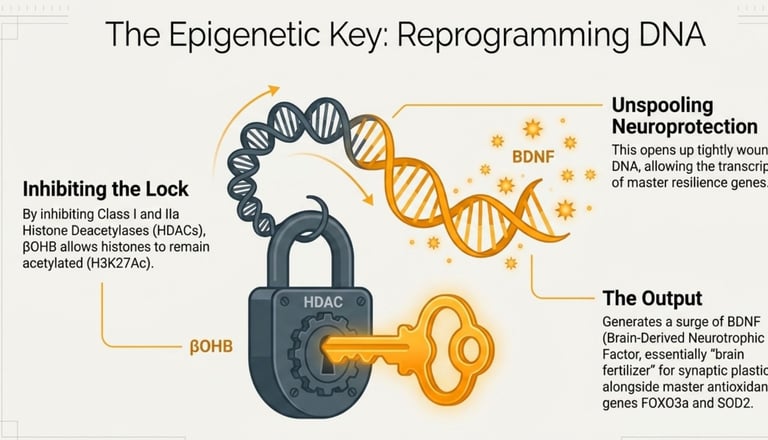
HDAC Inhibition: βOHB inhibits Class I and II Histone Deacetylases, leading to increased acetylation of histones and the expression of protective genes like Bdnf and Foxo3a.
β-Hydroxybutyrylation: A unique post-translational modification where βOHB attaches to lysine residues on histones, upregulating metabolic starvation-response genes.
HCAR2 Activation: βOHB binds to the G protein-coupled receptor HCAR2 (GPR109A) on microglia, which inhibits NF-κB and reduces the release of pro-inflammatory cytokines.
4. Systemic Crosstalk and the Gut-Brain Axis
Neuroprotection is not limited to the brain; it involves a complex dialogue with peripheral tissues and the gut microbiome.
Brain-Adipose Tissue Crosstalk: IF improves leptin sensitivity. Leptin influences hippocampal synaptic transmission and enhances NMDA receptor activation, which is critical for long-term potentiation (memory formation).
Brain-Skeletal Muscle Crosstalk: Exercise and fasting stimulate the release of myokines like BDNF and Irisin. Muscle-derived BDNF plays a role in metabolic flexibility and supports neuronal resilience.
The Gut-Brain Axis: KD alters the gut microbiota, increasing beneficial bacteria such as Akkermansia muciniphila and Lactobacillus. These bacteria produce short-chain fatty acids (SCFAs) that improve blood-brain barrier integrity and reduce systemic inflammation.
5. Comparative Analysis of Dietary Interventions
While IF, KD, and CR share common pathways, their implementation and specific metabolic impacts vary.
Intermittent Fasting (IF) produces intermittent ketone elevations during fasting cycles. Autophagy is activated via AMPK–mTOR signaling. Outcomes include reduced Aβ burden and improved cognition in models.
Ketogenic Diet (KD) produces sustained ketosis via carbohydrate restriction. Autophagy is activated via mTOR and SIRT1. Outcomes show mixed-to-positive results with improved daily function.
Caloric Restriction (CR) produces moderate increases in ketone utilization. Autophagy shows strong and consistent activation. Outcomes demonstrate robust improvements in pathology and behavior.
Exercise produces transient ketone increases depending on intensity. Autophagy shows variable induction. Outcomes are generally positive for resilience and function.
6. Clinical Evidence and Safety Considerations
6.1 Preclinical Success
In mouse models of AD (3xTg and E4FAD), periodic FMD (4–5 days twice monthly) resulted in lower levels of amyloid-beta and hyperphosphorylated tau, reduced microgliosis (active immune cells) and brain inflammation, and significant improvement in cognitive performance on maze tests—in some cases matching non-AD control mice.
6.2 Emerging Human Data
Feasibility: A Phase 1 trial of 40 patients with mild cognitive impairment or AD showed that a once-monthly, 5-day FMD cycle is safe and feasible.
Cognitive Gains: A 36-month study of older adults with MCI found that regular IF significantly improved cognitive outcomes, likely mediated by ketogenesis.
ApoE4 Genotype: Some clinical evidence suggests that MCTG-based ketogenic diets may be more effective in cognitive improvement for ApoE4-negative patients than for ApoE4-positive carriers.
6.3 Safety and Sex Differences
Sarcopenia Risk: Older adults are at risk for muscle loss (sarcopenia). Long-term IF must be monitored to ensure adequate protein intake to preserve lean mass.
Sex Dimorphism: Preclinical data suggests that females may adapt to an "energy-conservative" phenotype during fasting, showing a more significant decline in resting energy expenditure (8.1%) compared to males (4.6%). In some AD models, cognitive benefits from certain calorie-restricted fasting protocols were only observed in females.
7. Conclusion
Dietary interventions that induce ketosis—specifically IF and FMD—represent a multi-pronged approach to treating Alzheimer's disease.
By providing an alternative energy source, enhancing mitochondrial health, stimulating the clearance of toxic proteins, and dampening neuroinflammation, these strategies address the fundamental metabolic and cellular failures associated with neurodegeneration.
Future research must focus on optimizing the duration and timing of these interventions and tailoring them to individual genetic risks and sex-specific metabolic profiles.
Specific Neurodegenerative Diseases and Fasting
These sources examine how fasting-mimicking diets and intermittent fasting provide neuroprotective benefits, particularly against Alzheimer's disease and age-related cognitive decline.
Research in preclinical mouse models shows that these dietary cycles reduce brain inflammation, lower amyloid-beta and tau protein levels, and enhance memory performance.
The biological mechanisms involve a metabolic switch where the brain utilizes ketone bodies as an alternative fuel source, bypassing the glucose metabolism issues common in dementia.
This process also triggers autophagy, a cellular cleaning system that clears toxic proteins and supports synaptic plasticity.
While human clinical trials are in early stages, preliminary data suggest that these protocols are safe and feasible for patients with mild cognitive impairment.
Ultimately, the research highlights a vital crosstalk between peripheral tissues and the brain to sustain cognitive resilience.
Frequently Asked Questions FAQS🌙Neuroprotective Fasting in Neurodegenerative Conditions🧠
How do ketone bodies act as alternative fuel in Alzheimer's?
Ketone bodies serve as an alternative fuel in Alzheimer's by bypassing the brain's impaired glucose metabolism. In AD, cerebral glucose hypometabolism occurs due to deficiencies in glucose transporters like GLUT1 and GLUT3.
β-hydroxybutyrate (BHB) and other ketones are transported across the blood-brain barrier via monocarboxylate transporters (MCTs) and utilized by neurons as a more efficient energy substrate.
BHB reduces the NAD+/NADH ratio and increases ATP production efficiency, providing up to 60–70% of the brain's energy needs during prolonged fasting.
How does fasting influence neuroinflammation and brain-peripheral crosstalk?
Fasting influences neuroinflammation through multiple mechanisms.
It reduces active, pro-inflammatory microglia and decreases lipid droplet accumulation within microglia, restoring their phagocytic capacity for amyloid-beta clearance. Ketone bodies inhibit the NLRP3 inflammasome and suppress NF-κB activation via HCAR2 receptor binding.
Fasting also reduces pro-inflammatory cytokines like TNF-α and IL-1β. Regarding brain-peripheral crosstalk, fasting improves leptin sensitivity (brain-adipose axis), stimulates myokine release like BDNF and Irisin from skeletal muscle (brain-muscle axis), and promotes beneficial gut microbiota changes that produce SCFAs (gut-brain axis).
What are the cognitive differences between males and females during fasting?
Research indicates sex-specific differences in fasting responses.
Females show a greater decline in resting energy expenditure (8.1%) compared to males (4.6%), suggesting an energy-conservative phenotype.
Males show significant cortical mTOR downregulation with IF, linked to improved cognition; this effect is not observed in females.
In some AD models, cognitive benefits from calorie-restricted fasting were observed only in females.
Fasting did not significantly alter muscle mass in females, whereas males showed reduction in both lean and fat mass.
How Do Fasting Diets Protect Neurons from Alzheimer's Pathology?
Fasting diets, including intermittent fasting (IF) and the fasting-mimicking diet (FMD), protect neurons from Alzheimer's disease (AD) through a multimodal approach that targets the primary hallmarks of the disease, restores metabolic health, and enhances cellular resilience.
These diets work by inducing a metabolic switch that shifts the brain's energy source, triggering cellular cleanup processes, and reducing chronic neuroinflammation.
1. Reduction of Pathological Hallmarks
Fasting diets directly reduce the accumulation of the two primary hallmarks of Alzheimer's: amyloid-beta (Aβ) plaques and hyperphosphorylated tau protein.
Aβ Clearance: Cycles of FMD or IF have been shown in transgenic mouse models to significantly lower Aβ plaque levels in the hippocampus and cerebral cortex.
Tau Amelioration: These dietary regimens also reduce levels of phosphorylated tau, preventing the formation of neurofibrillary tangles that disrupt neuronal communication.
Mechanism: This reduction is achieved through autophagy upregulation and enhancement of microglial phagocytic activity, allowing the brain to more effectively digest and remove toxic aggregates.
2. Metabolic Rescue via Ketone Bodies
In Alzheimer's, the brain often experiences glucose hypometabolism, meaning it loses the ability to effectively use glucose for energy.
Alternative Fuel: Fasting promotes production of ketone bodies, such as β-hydroxybutyrate (BHB), which serve as an alternative energy substrate for neurons when glucose utilization is impaired.
Efficiency: BHB is a more efficient fuel than glucose, reducing the NAD+/NADH ratio and increasing ATP production efficiency in mitochondria.
Lactate Shuttle: Fasting also supports the astrocyte-neuron lactate shuttle (ANLS), which helps maintain brain energetics during metabolic stress.
3. Activation of Autophagy and mTOR Inhibition
A critical neuroprotective mechanism of fasting is autophagy activation, the cell's internal recycling system.
Protein Clearance: Fasting inhibits the mTOR signaling pathway while activating AMPK, a master energy sensor.
This inhibition removes the brake on autophagy, allowing neurons to clear damaged organelles and misfolded proteins.
Mitophagy: Dietary restriction induces mitophagy, specifically targeting and removing dysfunctional mitochondria to reduce harmful reactive oxygen species (ROS) production.
4. Attenuation of Neuroinflammation
Chronic neuroinflammation drives AD progression by damaging synapses and promoting protein aggregation.
Microglial Modulation: Fasting reduces active, pro-inflammatory microglia.
It decreases lipid droplet accumulation within microglia; these lipid-laden microglia are less effective at clearing debris, so their reduction restores phagocytic capacity for Aβ.
Signaling Inhibition: Ketone bodies bind to the HCAR2 receptor, inhibiting NF-κB and the NLRP3 inflammasome, thereby suppressing release of pro-inflammatory cytokines like TNF-α and IL-1β.
5. Enhancement of Neuroplasticity and BDNF
Fasting diets promote the brain's ability to repair itself and maintain connections.
BDNF Upregulation: Intermittent fasting significantly increases brain-derived neurotrophic factor (BDNF). BDNF supports survival of existing neurons, promotes neurogenesis in the hippocampus, and enhances synaptic plasticity, vital for learning and memory.
Synaptic Resilience: By improving mitochondrial efficiency and reducing oxidative stress, fasting protects synapses from toxic effects of Aβ oligomers.
6. Improved Insulin Sensitivity
Alzheimer's is sometimes referred to as "Type 3 diabetes" due to high prevalence of central insulin resistance.
Restoring Signaling: Fasting diets improve systemic and central insulin sensitivity, reducing tau hyperphosphorylation and preventing metabolic reprogramming that makes neurons vulnerable to apoptosis.
SIRT1 Activation: Calorie restriction activates SIRT1, enhancing neuronal survival and improving insulin sensitivity by silencing negative regulators of insulin action.
Phase 1 Clinical Trial Results
Initial results from a small Phase 1 clinical trial involving 40 patients with mild cognitive impairment or mild Alzheimer's disease found that the fasting-mimicking diet (FMD) is safe and feasible.
While the study is ongoing, initial data suggests the diet was well-tolerated by patients with family support.
Further tests measure specific outcomes related to cognitive performance and inflammation.
Cognitive Outcomes in the Phase 1 Trial
The Phase 1 trial involved 40 patients diagnosed with amnestic mild cognitive impairment (MCI) or mild Alzheimer's disease. Initial results confirmed FMD is safe and feasible.
While final analysis is ongoing, researchers intend to measure cognitive performance and brain inflammation as primary outcomes.
In similar studies, researchers observed significant improvements in global cognitive function, memory recall, verbal function, and executive functioning.
mTOR Pathway Differences Between Sexes
The mTOR signaling pathway, which regulates cellular energy and autophagy, responds differently to fasting based on sex.
Males: Pilot studies found IF significantly downregulated cortical mTOR expression, linked to improved cognitive performance.
Females: This same cortical mTOR downregulation was not observed. These findings suggest both sexes may gain neuroprotective benefits from fasting, but likely through distinct mechanistic pathways.
Females may adapt to energy restriction with a more energy-conservative metabolic phenotype, potentially helping preserve tissue mass better than males.
Fasting-Mimicking Diet and Muscle Mass Preservation
Evidence from early human trials suggests monthly cycles of FMD can lead to fat mass loss without muscle mass loss, particularly in overweight or obese individuals.
General IF research also indicates these regimens can help preserve muscle functions and neuromuscular health.
Important Safety Considerations:
Sex Differences: In pilot data, fasting did not significantly alter muscle or fat mass in females, whereas males showed reduction in both lean and fat mass.
Sarcopenia Risk in Seniors: For older adults with Alzheimer's, prolonged fasting could exacerbate sarcopenia (age-related muscle loss).
Mitigation: Researchers recommend IF protocols be modified to ensure sufficient protein intake to support muscle synthesis. Regular assessment of body composition and strength is advised for this group.
Specific Neurodegenerative Diseases and Autophagy
Alzheimer's Disease
Preventing Toxic Accumulation: Autophagy plays a vital role in clearing the brain of amyloid-beta plaques and phosphorylated tau protein, the two primary pathological hallmarks causing neuronal death in Alzheimer's.
Protective Mechanism: Stimulating autophagy (through intermittent fasting or caloric restriction) inhibits the mTOR pathway, removing the brakes on cellular cleaning and allowing cells to eliminate protein aggregates that disrupt neural communication.
Familial Parkinson's Disease
Cleaning Damaged Components: Autophagy helps clean cells of misfolded alpha-synuclein (aSyn) protein accumulated in Lewy bodies, and removes damaged mitochondria through specialized mitophagy.
Reducing Neurotoxins: Research shows autophagy activation through fasting patterns reduces accumulation of phosphorylated aSyn in insoluble brain regions, protecting dopaminergic neurons in the substantia nigra and maintaining dopamine levels essential for movement.
Amyotrophic Lateral Sclerosis (ALS)
Genetic Association: Mutations in genes regulating autophagy are linked to increased ALS risk, leading to failure in clearing harmful protein waste.
Complex Response: Despite autophagy's importance, preclinical evidence in SOD1 mutation animal models suggests caloric restriction may accelerate disease onset and shorten survival in some cases—possibly due to weakened mitochondrial energy efficiency or increased inflammatory processes specific to this disease.
This makes nutritional management critically important for ALS patients.
Autophagy is a natural degradation mechanism that systematically breaks down and recycles unnecessary or damaged cellular components.
In the healthy brain, this process maintains cellular balance by eliminating damaged organelles and proteins; when impaired, it leads to toxic protein accumulation and neuronal loss, accelerating neurodegenerative diseases.
==================================================================================================================================================================================
🌙Neuroprotective Fasting in Neurodegenerative Conditions🧠
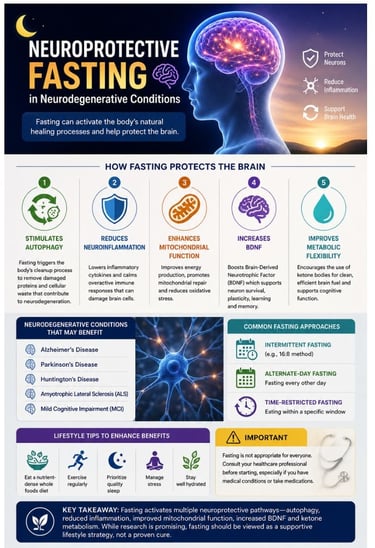
Fasting is attracting increasing scientific interest for its potential to protect the brain and support healthy aging. While it is not a cure for neurodegenerative diseases, research suggests that fasting may activate several biological pathways that help maintain neuronal health and resilience.
🧬 How Fasting May Protect the Brain
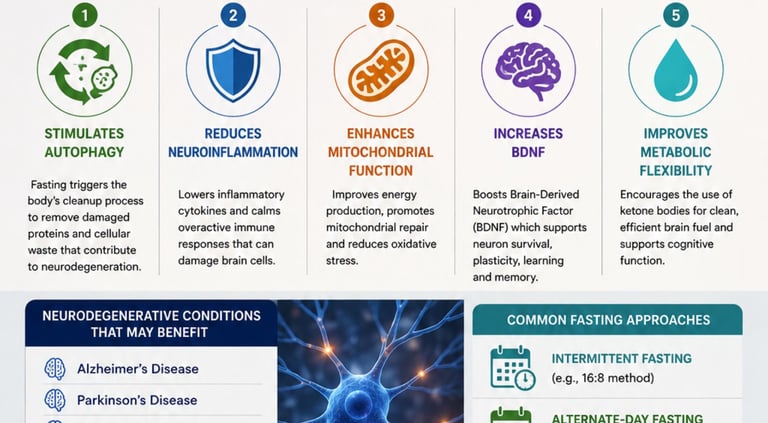
✅ 1. Stimulates Autophagy
Fasting activates autophagy—the body's natural cellular recycling process—which helps remove damaged proteins and dysfunctional organelles that accumulate in disorders such as Alzheimer's and Parkinson's disease.
✅ 2. Reduces Neuroinflammation
Chronic inflammation contributes to the progression of many neurodegenerative diseases. Fasting may lower inflammatory cytokines and reduce activation of immune cells in the brain, potentially slowing neuronal damage.
✅ 3. Enhances Mitochondrial Function
Fasting promotes mitochondrial repair and biogenesis, improving energy production while reducing oxidative stress, a major contributor to neuronal degeneration.
✅ 4. Increases Brain-Derived Neurotrophic Factor (BDNF)
Studies suggest fasting can increase BDNF levels, a protein that supports neuron survival, synaptic plasticity, learning, and memory.
✅ 5. Improves Metabolic Flexibility
During fasting, the brain efficiently uses ketone bodies as an alternative fuel. Ketones provide stable energy and may reduce oxidative stress while supporting cognitive function.
🧠 Potential Benefits in Neurodegenerative Disorders
Research suggests fasting may help support brain health in:
Alzheimer's disease
Parkinson's disease
Huntington's disease
Amyotrophic lateral sclerosis (ALS)
Mild cognitive impairment (MCI)
However, most evidence comes from animal studies and early human research. Larger clinical trials are still needed to determine the long-term effectiveness and safety of fasting as a therapeutic strategy.
⚠️ Important Considerations
Fasting is not appropriate for everyone, particularly individuals who are frail, underweight, have advanced neurodegenerative disease, diabetes treated with insulin or certain medications, or other medical conditions. Anyone considering therapeutic fasting should consult a qualified healthcare professional.
🌿 Key Takeaway
Fasting appears to activate multiple protective mechanisms—including autophagy, reduced inflammation, improved mitochondrial function, enhanced BDNF production, and ketone metabolism—that may help preserve brain health and potentially slow aspects of neurodegeneration.
Although the findings are promising, fasting should currently be viewed as a supportive lifestyle strategy rather than a proven treatment for neurodegenerative diseases.
SEO Title:
🧠🌙 Neuroprotective Effects of Fasting in Neurodegenerative Conditions
Meta Description (155 characters):
Discover how fasting may protect the brain by activating autophagy, reducing inflammation, boosting BDNF, and supporting healthy aging in neurodegenerative diseases.
================================================================================================================================================================================================================================================================================================
🦠 URTI: Dr. Hassan Al-Warraqi’s Way of Treating Infection
Upper Respiratory Tract Infections (URTIs), including the common cold, sore throat, sinusitis, and laryngitis, are best managed by addressing the root cause while supporting the body's natural healing process.
Key Principles
🛡️ Strengthen immunity through balanced nutrition, hydration, quality sleep, and stress management.
🌿 Use evidence-based natural therapies to relieve symptoms and reduce inflammation.
💊 Reserve antibiotics for confirmed bacterial infections—not viral illnesses.
🍯 Consider supportive natural remedies such as Manuka honey, ginger, turmeric, black seed, probiotics, and warm fluids.
🥗 Maintain a healthy lifestyle to promote faster recovery and prevent recurrence.
Seek Medical Care If
⚠️ Fever persists for more than 3 days, breathing becomes difficult, severe throat pain develops, symptoms last longer than 10 days, or the patient has a weakened immune system.
Take-Home Message
Treat the cause, support the immune system, relieve symptoms naturally, and use antibiotics only when medically indicated for a safer, more effective recovery. 🌿🩺


Get in touch
Address
Cairo Al Rehab
Contacts
+20 109 405 2056
hassanalwarraqi@h-k-e-m.com