Health is a crown on the heads of the healthy that only the sick can see.


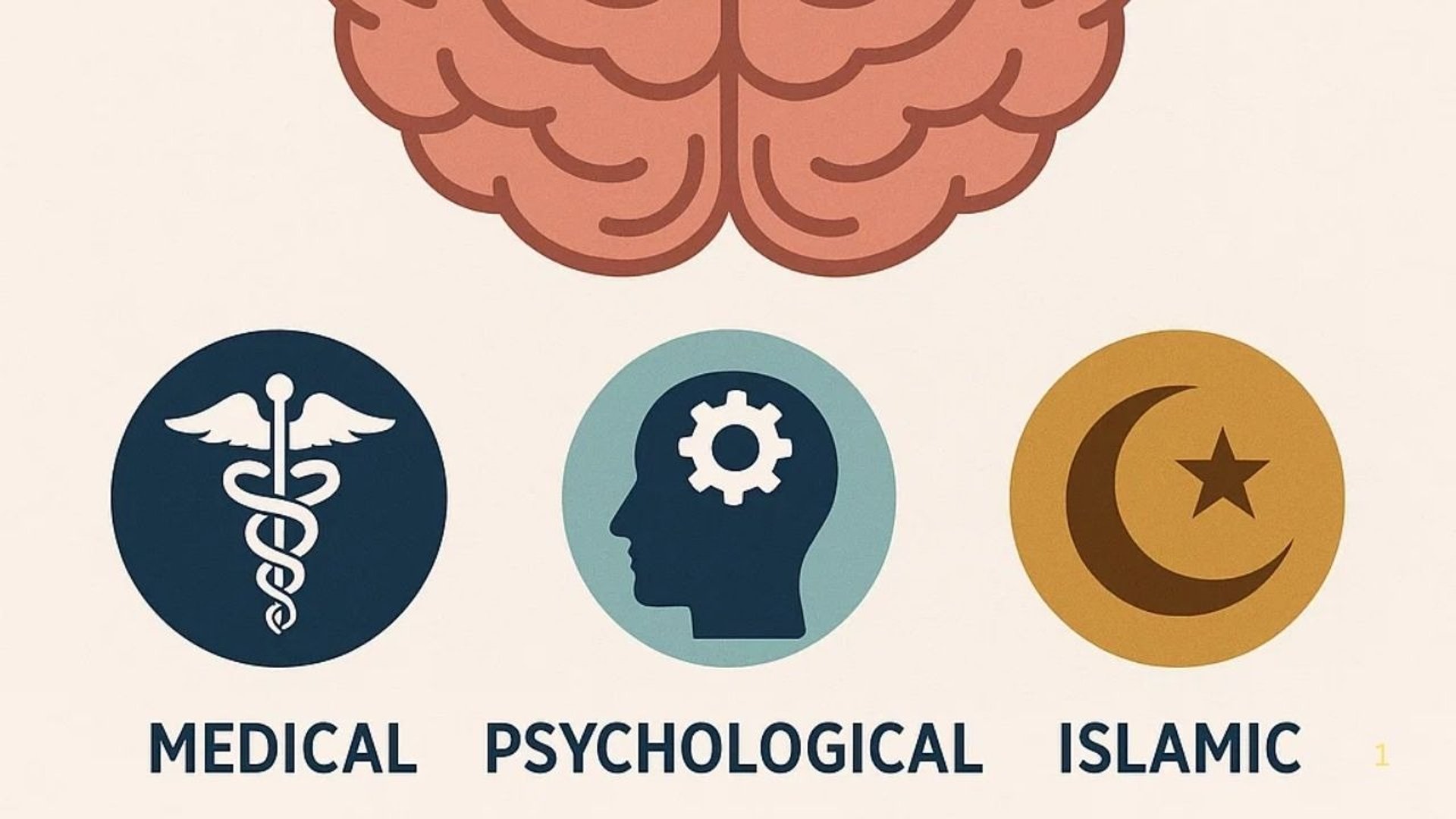
🧠Is Masturbation Healthy or Harmful? The Answers
🧠 Is masturbation healthy or harmful? Explore the medical facts, psychological impact, and Islamic perspective to understand its effects on body, mind, and soul.
GENTIOURINAY SYSTEM
Dr Hassan Al Warraqi
4/28/20259 min read


🧠Is Masturbation Healthy or Harmful? The Answers
🧠 Is masturbation healthy or harmful? Explore the medical facts, psychological impact, and Islamic perspective to understand its effects on body, mind, and soul.
Introduction
Masturbation, or autoeroticism, is a nearly universal human behavior observed across cultures and historical periods.
Despite its prevalence, it remains shrouded in secrecy, stigma, and misinformation, particularly in societies influenced by religious and cultural taboos.
This document provides a balanced, evidence-based analysis of masturbation, addressing its medical implications, psychological drivers, socio-cultural dynamics, and Islamic jurisprudential rulings.
By synthesizing scientific research, theological discourse, and social context, this guide aims to foster informed, nuanced discussions about this complex topic.
1. Scientific Definition and Global Prevalence
1.1. Medical and Psychological Definition
Operational Definition: Self-stimulation of the genitals or erogenous zones to achieve sexual pleasure, often culminating in orgasm, without a partner.
Distinction from Other Sexual Behaviors: Unlike partnered sex, masturbation is a solitary act but falls within the spectrum of human sexual expression.
Common Methods: Manual stimulation (fingers), use of vibrators or objects, and reliance on mental imagery or erotic content.
1.2. Prevalence Statistics
Global Data:
Males: 90% of men in the U.S. report masturbating at least once.
Females: 60–80% of women globally engage in masturbation.
Arab World:
A 2006 Damascus University study found 35.5% of male and 87.3% of female medical students practiced masturbation, with cultural and religious norms likely suppressing reported rates.
Demographics: Common among adolescents and adults, with reporting gaps due to stigma and gender biases.
2. Motivations and Mechanisms
2.1. Physiological Drivers
Sexual Tension Relief: Primary motivator (53.1% in Damascus study).
Medical Purposes: Sperm collection for fertility testing.
Self-Exploration: Understanding bodily responses and sexual preferences.
2.2. Psychological and Social Drivers
Stress Management: Acts as a coping mechanism via endorphin release.
Mood Enhancement: Linked to temporary reductions in anxiety and depression.
Loneliness or Lack of Partner: Substitute for partnered intimacy.
3. Medical Perspective: Benefits vs. Risks
3.1. Potential Health Benefits
Prostate Health: Studies suggest a 34% lower prostate cancer risk in men masturbating ≥5 times weekly (correlation, not causation).
Pain Relief: Alleviates menstrual cramps and tension headaches.
Sexual Health: Treats erectile dysfunction, premature ejaculation, and anorgasmia.
STI Prevention: A "safe sex" alternative.
3.2. Debunked Myths and Evidence-Based Risks
Debunked Myths:
No Link to: Infertility, blindness, hair loss, or insanity.
Virginity Loss: Rare unless using invasive methods (e.g., object insertion).
Physical Risks:
Skin irritation, fatigue (from overstimulation).
Possible association with prostatitis (inconclusive evidence).
Psychological Risks:
Guilt/shame (especially in religious contexts).
Compulsive behavior .
4. Islamic Jurisprudence: Rulings and Scholarly Debates
4.1. Majority Opinion (Prohibition)
Quranic Basis: "Guard your private parts... except with spouses" (Q23:5–7).
Scholarly Views:
Ibn Baz, Al-Shafi’i: Forbidden as it violates natural order (fitrah) and risks harm.
Exceptions: Permitted if avoiding adultery (lesser of two evils).
4.2. Minority Opinions (Permissibility)
Ibn Hazm, Al-Shawkani: No explicit Quranic prohibition; discouraged but not sinful.
Conditions: Extreme necessity (e.g., mental health crises, inability to marry).
Modern Scholars: Advocate contextual ijtihad (interpretation) balancing scripture and science.
5. Socio-Cultural Dynamics
5.1. Stigma and Secrecy
Arab Context: Taboos stem from conflating masturbation with immorality, despite its universality.
Impact on Mental Health: Shame drives isolation and reluctance to seek help.
5.2. Role of Sex Education
Deficiencies: Lack of structured education perpetuates myths (e.g., linking masturbation to infertility).
Cultural Solutions: Integrate science with Islamic ethics in school curricula.
5.3. Pornography’s Influence
Correlation: Increased masturbation frequency and compulsive behavior.
Distorted Expectations: Unrealistic standards harm real-life intimacy.
6. Managing Compulsive Behavior
6.1. Signs of Addiction
Red Flags: Neglecting responsibilities, escalating porn use, failed quit attempts.
6.2. Evidence-Based Strategies
Behavioral Interventions:
CBT: Address underlying anxiety or trauma.
Mindfulness: Reduce impulsive urges.
Religious Coping:
Fasting (Sunnah for unmarried youth).
Prayer and repentance (tawbah).
7. Conclusions and Recommendations
7.1. Key Findings
Masturbation is common, with mixed medical and psychological impacts.
Islamic rulings vary, prioritizing harm prevention and spiritual well-being.
Stigma exacerbates mental health risks; education reduces misinformation.
7.2. Actionable Recommendations
Policy: Implement culturally sensitive sex education.
Research: Fund studies on masturbation in Arab-Islamic contexts.
Community: Normalize nonjudgmental dialogue via mosques and health clinics.
Frequently Asked Questions (FAQs) About Masturbation (Autoeroticism)
Q1: Is masturbation always haram in Islam?
Majority scholars prohibit it except in dire necessity (e.g., avoiding adultery).
Q2: Does masturbation cause infertility?
No. Scientific studies debunk this myth.
Q3: How to quit compulsive masturbation?
Combine CBT, mindfulness, and spiritual practices (fasting, prayer).
Q4: Is watching porn normal?
Common but risky; linked to unrealistic expectations and addiction.
Q5: What’s the Islamic alternative to masturbation?
Marriage or fasting (Hadith: "Whoever cannot marry, let him fast").
Keywords
Masturbation in Islam, health effects of masturbation, compulsive masturbation, Islamic rulings on autoeroticism, sex education in Muslim societies, pornography addiction.
Meta Description
A thorough, evidence-based analysis of masturbation covering medical benefits, Islamic jurisprudence, psychological impacts, and strategies for managing compulsive behavior. Ideal for educators, healthcare providers, and individuals navigating cultural and religious concerns.
6. What is the definition of masturbation?
Masturbation is the self-stimulation of the genitals (penis in males, clitoris/vagina in females) to achieve sexual arousal or orgasm without a partner. It is a common practice among adolescents and adults and is not limited to a specific age group.
7. How have historical and societal views on masturbation evolved?
Historically: Masturbation has been stigmatized in many civilizations. For example, ancient Greek medicine described it as a cause of physical frailty, while Abrahamic religions often linked it to sin.
Societally: Some conservative communities still portray it as immoral or harmful, despite modern studies (e.g., Kinsey Reports) confirming its prevalence and lack of severe negative effects for most individuals.
8. What are the primary motivations for masturbation?
Physiological Motivations:
Relieving repressed sexual urges.
Collecting semen for fertility testing.
Psychological Motivations:
Reducing stress and anxiety (via oxytocin and endorphin release).
Exploring one’s bodily responses.
Preventive Motivations:
Avoiding sexually transmitted infections (compared to partnered sex).
9. Are there proven health or psychological benefits to masturbation?
Physical Benefits:
May reduce prostate cancer risk in men (based on observational studies).
Alleviates menstrual cramps in women by relaxing pelvic muscles.
Psychological Benefits:
Improves mood through sexual energy release.
Enhances body confidence and self-awareness.
Medical Uses:
Part of fertility treatments (e.g., artificial insemination).
10. What are the potential harms of excessive masturbation?
Rare Physical Complications:
Genital skin irritation (from aggressive stimulation).
Temporary muscle fatigue.
Psychological Risks:
Guilt or shame (common in religious communities).
Anxiety or depression if the behavior becomes compulsive.
Debunked Myths:
Does not cause infertility, blindness, hair loss, or mental illness.
11. How is pornography related to masturbation?
Direct Impact:
Pornography often increases masturbation frequency by fueling sexual fantasies.
May lead to psychological dependency on explicit content.
Indirect Risks:
Distorts expectations of real-life intimacy (e.g., unrealistic body standards).
Heightens guilt if it conflicts with personal or religious values.
12. How can one reduce or quit compulsive masturbation?
Practical Steps:
Identify Triggers: Loneliness, stress, or access to pornography.
Replace the Habit: Exercise, reading, or learning new skills.
Seek Support: Consult a therapist or join support groups.
Islamic Guidance:
Fasting (as advised in the Hadith: “O young people! Whoever among you can marry, should marry, and whoever cannot marry should fast, for it diminishes desire”).
Engage in religious routines (e.g., morning/evening supplications) to stay occupied.
13. What is the Islamic ruling on masturbation?
Scholarly Opinions:
Prohibition (Majority View):
Based on Quranic verses like “Guard your private parts except with your spouses” (Q23:5-7).
Permitted only in extreme necessity (e.g., avoiding adultery).
Contextual Permissibility (Minority View):
Some contemporary scholars permit it for medical or psychological needs, provided no physical harm occurs.
Alternatives:
Early marriage or fasting to discipline sexual urges.
Final Note
Masturbation is a complex behavior influenced by health, psychological, and religious factors. A balanced approach—avoiding excessive guilt or normalization—is key to managing its impact on well-being.
------------------------------------------------
===================================================================================================
🧠 Is Masturbation Healthy or Harmful? The Answers
Masturbation is one of the most discussed yet misunderstood human behaviors.
Modern medicine generally considers it a normal sexual activity when practiced in moderation, but excessive or compulsive behavior may affect mental, emotional, spiritual, and social well-being.
✅ Potential Health Benefits
Scientific studies suggest that moderate masturbation may:
Reduce temporary sexual tension
Help some people relax and sleep better
Improve mood through dopamine and endorphin release
Help individuals understand their own bodies
Potentially reduce stress in certain situations
For men, ejaculation has also been studied for possible links with prostate health, though evidence remains mixed and not fully conclusive.
⚠️ When It Can Become Harmful
Problems usually arise when masturbation becomes:
Compulsive or addictive
Linked to excessive pornography use
A replacement for healthy relationships
A cause of guilt, anxiety, or depression
Physically excessive, causing irritation or injury
A source of social isolation or reduced productivity
Some individuals may develop patterns similar to behavioral addiction, especially with constant digital stimulation and pornography exposure.
🧠 The Brain & Dopamine
Sexual stimulation activates the brain’s reward system through dopamine release.
Repeated overstimulation — especially through internet pornography — may lead in some people to:
Reduced motivation
Escalation of content seeking
Attention difficulties
Emotional numbness
Altered reward sensitivity
Research in behavioral neuroscience continues to explore how compulsive sexual behaviors affect the brain.
❤️ Mental & Emotional Perspective
The effect differs greatly from person to person.
Some people report:
Relaxation and emotional relief
Others report:
Shame or regret
Loss of focus
Reduced spiritual motivation
Emotional exhaustion after compulsive behavior
Mental health outcomes often depend on:
Frequency
Context
Presence of addiction
Personal beliefs and values
Pornography involvement
🌿 A Balanced Medical View
From a medical standpoint:
Occasional masturbation is generally not considered dangerous
Compulsive sexual behavior can negatively affect quality of life
Pornography addiction is increasingly recognized as a real psychological concern
Self-control, moderation, and healthy lifestyle balance matter most
⚖️ Spiritual & Ethical Dimensions
Many religious and spiritual traditions encourage:
Modesty
Self-discipline
Guarding desires
Protecting mental purity
For believers, spiritual consequences may matter as much as physical effects.
🔍 Key Takeaway
Masturbation itself is not usually considered medically harmful in moderation.
However, excessive behavior, compulsive habits, or pornography dependence can contribute to psychological, emotional, social, and spiritual difficulties.
The healthiest approach is:
moderation,
self-awareness,
avoiding compulsive behavior,
and maintaining balance in body, mind, and spirit.
Hashtags
#MentalHealth #BrainHealth #Dopamine #BehavioralHealth #AddictionAwareness #SelfControl #HealthyLifestyle #Psychology #Wellness #Neuroscience
https://www.h-k-e-m.com/is-masturbation-healthy-or-harmful-the-answers
Keywords
Masturbation, autoeroticism, Islamic rulings on masturbation, benefits of masturbation, harms of masturbation, compulsive masturbation treatment, sexual health, sex education, pornography, Islamic jurisprudence, sexual psychology.
Meta Description
Comprehensive FAQs on masturbation, addressing health impacts, Islamic perspectives, psychological factors, and strategies to manage compulsive behavior. Ideal for navigating cultural, religious, or personal concerns.
=======================================================================================================================================================================================================================================================================================================================================
Hassan Al-Warraqi is the founder of H-K-E-M.com, a platform dedicated to holistic health and values-based living. He explores complex and often sensitive topics—like sexual health, emotional well-being, and spiritual guidance—through the lenses of medical science, psychology, and Islamic ethics.
In this article, Hassan presents a balanced, evidence-based discussion on masturbation, offering clarity and reflection for those seeking better understanding and self-control in a hypersexualized world.
https://h-k-e-m.com/-is-masturbation-healthy-or-harmful-medical-psychological-and-islamic-answers
🖋️ By Hassan Al-Warraqi
Founder @h_k_e_m_com | A deeper look at masturbation: science, psyche & faith 🧠📿🧬
-------------------------------------------------------------------------------------------------------------------------=================================================================================================
❄️ Cold Water Immersion: Stress, Sleep & Immunity
📌 “A cold dip isn’t just refreshing—it can transform stress, sleep, and immunity.”
Cold water immersion — including cold showers, ice baths, and winter swimming — has gained attention for its effects on resilience, metabolism, mood, and recovery. Exposure to cold briefly activates the body’s stress response, but over time it may help the nervous system adapt more efficiently to stress.
🧠 Stress & Mental Resilience
Short cold exposure stimulates:
Adrenaline and noradrenaline release
Increased alertness and focus
Activation of the sympathetic nervous system
Some studies suggest regular cold exposure may improve stress tolerance and mood regulation by training the body to recover more efficiently after acute stress.
😴 Sleep & Recovery
Although cold exposure initially increases alertness, many people report:
Deeper relaxation afterward
Improved sleep quality
Better post-exercise recovery
Cooling the body after physical activity may also reduce muscle soreness and inflammation in some individuals.
🛡️ Immunity & Inflammation
Research on cold exposure suggests possible effects on:
Immune cell activity
Circulation and vascular tone
Inflammatory signaling
Some observational studies found fewer self-reported sick days among people practicing regular cold showers, though more high-quality research is still needed.
⚠️ Important Safety Notes
Cold immersion is not safe for everyone.
Avoid or seek medical advice if you have:
Heart disease
Uncontrolled high blood pressure
Arrhythmias
Severe asthma
Circulatory disorders
Sudden cold shock can trigger dangerous cardiovascular responses in vulnerable individuals.
🌿 Practical Approach
Beginners should:
Start gradually with cool showers
Limit exposure time
Focus on calm breathing
Avoid extreme exposure alone
Consistency matters more than intensity.
🔍 Key Takeaway
Cold water immersion may support:
Stress resilience
Mood and recovery
Sleep quality
Immune adaptation
But benefits depend on moderation, safe practice, and individual health status.
Hashtags
#ColdExposure #StressRelief #Longevity #IceBath #ColdTherapy #MentalResilience #SleepHealth #Recovery #ImmuneHealth #Biohacking
https://h-k-e-m.com/can-cold-exposure-improve-health-and-prevent-illness-
---------------------------------------------------------------------------------------------------------------------
===============================================================================================





Get in touch
Address
Cairo Al Rehab
Contacts
+20 109 405 2056
hassanalwarraqi@h-k-e-m.com