Health is a crown on the heads of the healthy that only the sick can see.



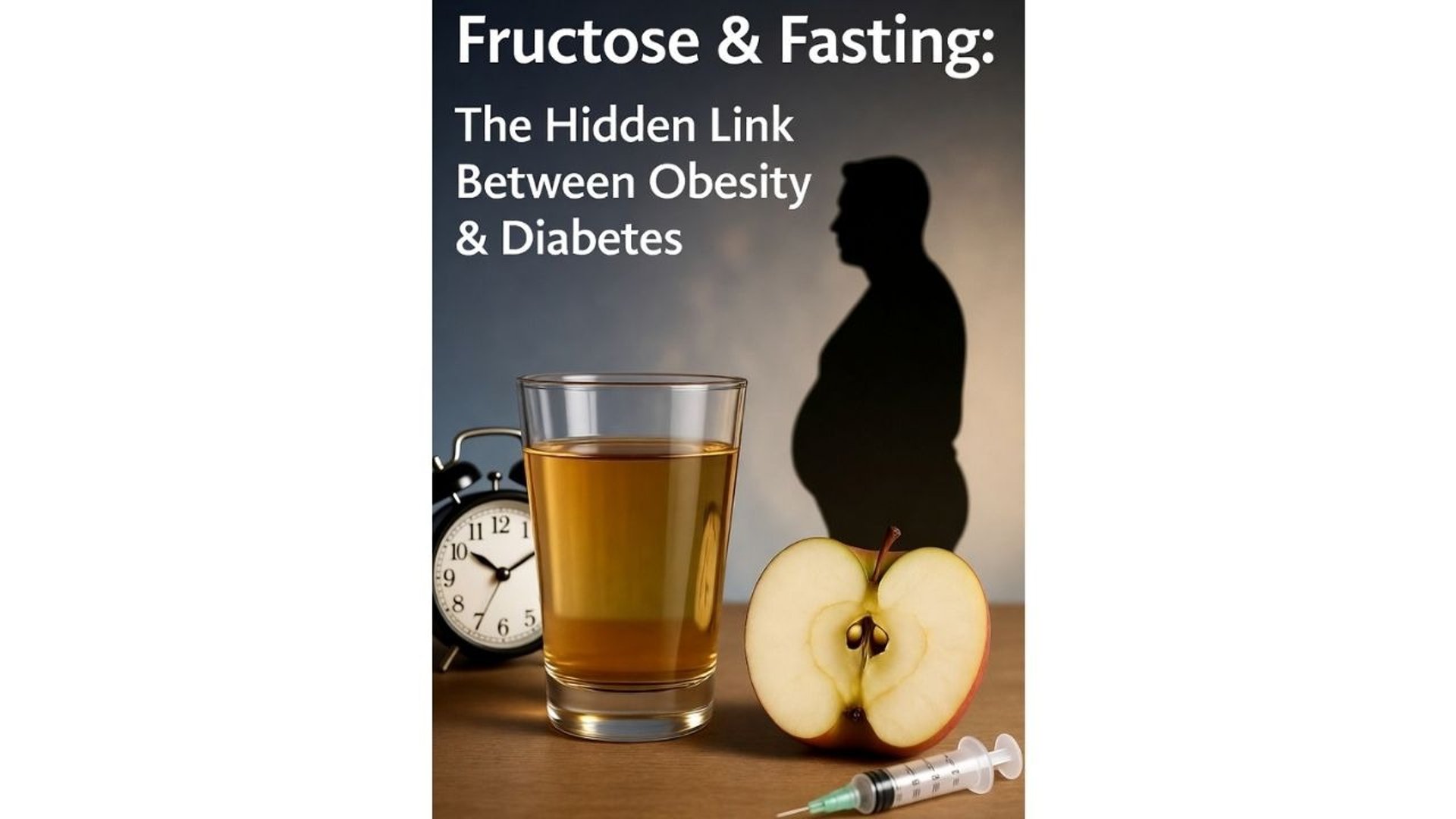
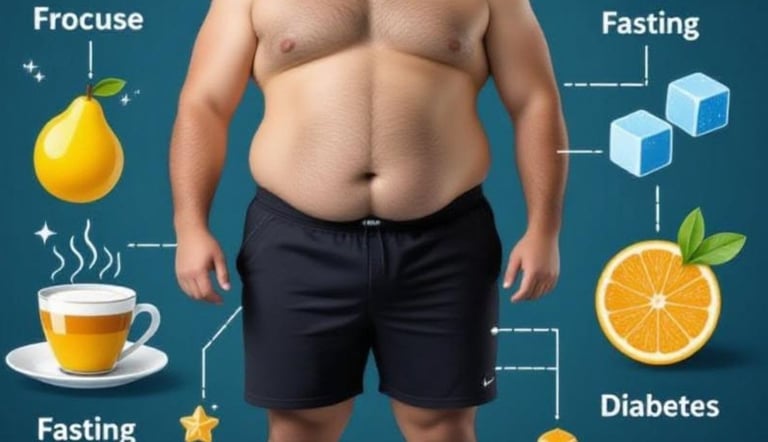
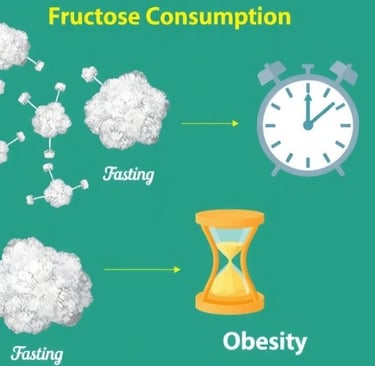
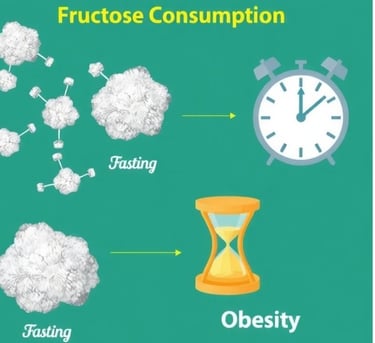
🍬Fructose & Fasting Link Between Obesity & Diabetes
🍬 Discover the hidden link between fructose, obesity, and diabetes. Learn how voluntary fasting can reset metabolism, reduce liver fat, and improve insulin sensitivity.
OBESITYFASTINGDIABETES
Dr Hassan AlWarraqi
5/20/202513 min read
🍬Fructose & Fasting:Link Between Obesity & Diabetes
🍬 Discover the hidden link between fructose, obesity, and diabetes. Learn how voluntary fasting can reset metabolism, reduce liver fat, and improve insulin sensitivity.
Fructose, also known as fruit sugar, is considered one of the main monosaccharides in our diet.
Although it naturally exists in many healthy foods such as fruits and vegetables, its excessive consumption raises increasing concern in the medical community.
the complex relationship between fructose and various health problems, as well as its effect in the context of different fasting practices.
What is Fructose?
Fructose is a simple sugar (monosaccharide) found naturally in fruits, honey, and some vegetables.
It is characterized by being approximately 1.2-1.8 times sweeter than table sugar (sucrose), which consists of a fructose molecule and a glucose molecule linked together.
Characteristics of fructose:
Sweetness: Sweeter than sucrose (table sugar)
Absorption: Absorbed directly into the bloodstream during digestion
Metabolism: Primarily metabolized in the liver, unlike glucose which most body cells use as a direct energy source
Fructose and Obesity: A Complex Relationship
Increasing studies suggest a relationship between excessive fructose consumption and increased risk of obesity.
The following are the main mechanisms that may explain this relationship:
1. Increased Fat Storage
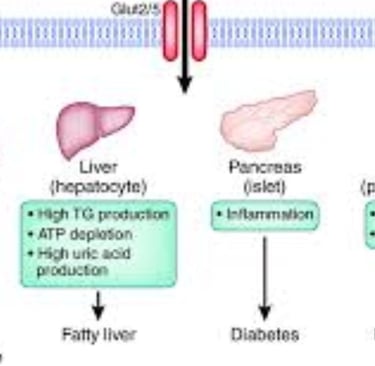
Unlike glucose, which is used as a direct energy source in most cells, fructose is primarily metabolized in the liver.
When large amounts are consumed, the liver can convert excess fructose into fat (a process called de novo lipogenesis), leading to increased fat storage in the body.
2. Decreased Feeling of Satiety
Fructose does not lead to the same satiety responses caused by glucose.
Specifically, fructose does not stimulate the secretion of satiety hormones in the same way, which may lead to increased calorie intake and difficulty in controlling weight.
3. Altering Metabolic Pathways
Regular consumption of large amounts of fructose may disrupt hormonal regulation and metabolism in the body, affecting factors such as insulin sensitivity and energy expenditure.
Fructose and Type 2 Diabetes
The relationship between fructose and diabetes is complex and multifaceted:
Low Blood Sugar Effect (Potential Positive): Unlike glucose, fructose is primarily metabolized in the liver and has a low effect on direct blood sugar and insulin levels.
Therefore, in some cases, small amounts of fructose can be considered a safer alternative than other sugars for people with diabetes.
Potential Negative Effects:
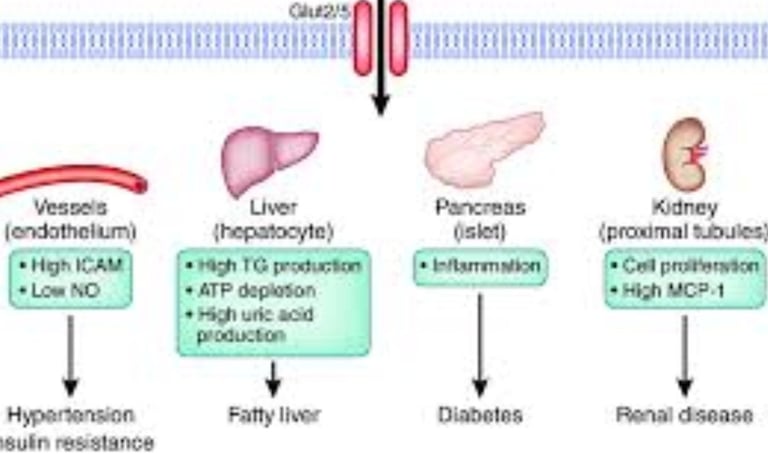
Insulin Resistance: Excessive long-term consumption of fructose may lead to the development of insulin resistance, a condition in which the body's ability to respond to insulin is weakened, leading to high blood sugar levels
Abdominal Fat: Fructose intake is associated with increased fat in the abdominal area, a risk factor for type 2 diabetes
Changes in Liver Function: Excessive fructose metabolism can lead to changes in liver function that increase the risk of diabetes
Fructose and Metabolic Syndrome
Metabolic syndrome is a group of conditions that occur together, increasing the risk of heart disease, stroke, and type 2 diabetes.
These conditions include:
High blood pressure
High blood sugar
Excess fat in the abdominal area
Unhealthy cholesterol levels
High triglyceride levels in the blood
Role of Fructose in Metabolic Syndrome:
Increased Triglycerides: Consuming large amounts of fructose can lead to increased blood triglyceride levels
Insulin Resistance: Fructose contributes to the development of insulin resistance, a key feature in metabolic syndrome
Inflammation: Excessive consumption of fructose may lead to low-grade inflammation in the body, which may exacerbate insulin resistance and contribute to other metabolic disorders
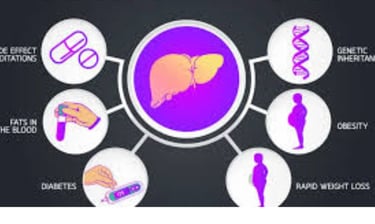
Fructose and Non-Alcoholic Fatty Liver Disease
Non-alcoholic fatty liver disease (NAFLD) is a condition in which excess fat accumulates in liver cells in people who do not drink alcohol excessively.
Fructose is considered a major factor in the development of this disease through multiple mechanisms:
1. Increased Fat Production
The liver can convert excess fructose into fat through de novo lipogenesis, leading to fat accumulation in liver cells.
2. Reduced Fat Breakdown
Fructose consumption may impair the liver's ability to break down existing fats, increasing fat accumulation.
3. Inflammation and Liver Damage
Studies indicate that consuming large amounts of fructose may lead to low-grade inflammation in the liver, which may exacerbate non-alcoholic fatty liver disease and increase the risk of progression to non-alcoholic steatohepatitis (NASH), a more serious form characterized by inflammation and liver cell damage.
Fructose and Fasting
The relationship between fructose and fasting depends on the source and amount of fructose consumed:
Fructose During Fasting:
Consuming foods or beverages containing fructose during the fasting period can break the fast and disrupt the intended metabolic benefits
Unlike other nutrients such as fats or protein, the body easily absorbs fructose and can lead to an insulin response
Recommendations Regarding Fructose and Fasting:
Limit fructose intake, especially from added sugars in processed foods and sugary drinks
Focus on unprocessed foods as part of a balanced diet for general health and well-being
Individuals with certain health conditions, such as diabetes or metabolic syndrome, may need to exercise more caution regarding fructose intake and fasting practices
Comparison Between Islamic Fasting and Intermittent Fasting
Similarities:
Both involve periods of abstention from food and drink
Both can offer health benefits such as weight control, improved insulin sensitivity, and enhanced cellular repair processes
Islamic Fasting:
Muslims abstain from food and drink from dawn to sunset
Focuses on abstaining from both food and drink
Fast is often broken by consuming dates
Time for self-reflection, prayer, and community gathering
Intermittent Fasting:
Has different schedules, with fasting periods ranging from 16 hours to several days
No specific dietary restrictions during eating periods
Considered primarily a dietary approach to achieve potential health benefits
Comparison:
Feature Islamic Fasting Intermittent Fasting Duration From dawn to sunset Varies (often more than 16 hours fasting)Daily Fasting Window From sunrise to sunset Varies according to schedule Dietary Restrictions Specific restrictions (no food or drink)Varied, water often allowed Primary Purpose Religious practice Healthy dietary approach
Who Should Not Fast:
Pregnant and breastfeeding women
Children
People with certain health conditions
Elderly people with poor health
Frequently Asked Questions (FAQs)
1. Are all types of fructose harmful to health?
No, not all sources of fructose are harmful.
Fructose naturally found in fruits and vegetables comes with fiber, water, and other nutrients that slow its absorption and provide health benefits.
The main problem is added fructose, especially high-fructose corn syrup, which is heavily used in soft drinks and processed foods.
2. What is the safe amount of fructose that can be consumed daily?
The World Health Organization recommends limiting the consumption of added sugars (including fructose) to less than 10% of total daily calories, preferably less than 5%. For a person consuming 2000 calories daily, this equals about 25 grams (about 6 teaspoons) of added sugar.
3. Can fructose help manage diabetes?
Although fructose has less effect on blood sugar levels compared to glucose, excessive consumption of fructose may lead to insulin resistance in the long term.
Diabetics should consult healthcare professionals about fructose consumption as part of a comprehensive diabetes management plan.
4. Does fructose affect children differently compared to adults?
Yes, children may be more sensitive to the metabolic effects of fructose.
Children who consume large amounts of fructose-sweetened beverages are particularly at risk for obesity and metabolic disorders.
It is important to limit children's consumption of sugary drinks and processed foods rich in added fructose
5. Can fasting help reduce the negative effects of excessive fructose consumption?
Intermittent fasting may provide rest periods for the liver from processing fructose, which may help improve insulin sensitivity and reduce the risks of fatty liver disease.
However, fasting should not be considered a "treatment" for an unhealthy diet.
It is better to limit added fructose consumption as part of a comprehensive dietary approach.
6. Are dates safe for consumption when breaking the fast for diabetics?
Dates contain a high percentage of fructose, but they also contain fiber and beneficial nutrients.
For diabetics, small amounts of dates (1-2 pieces) can be consumed to break the fast, but blood sugar levels should be monitored.
It is best to consult a healthcare professional for personalized recommendations.
7. How can I reduce fructose consumption in my diet?
Read food labels and look for added sugars, especially high-fructose corn syrup
Reduce consumption of sugary drinks such as soda and canned fruit juices
Choose whole fruits instead of juices
Eat unprocessed foods
Cook at home to control ingredients
8. Is there a difference between high-fructose corn syrup and regular sugar?
High-fructose corn syrup (HFCS) contains a higher percentage of fructose (usually 55%) compared to sucrose (table sugar), which consists of 50% fructose and 50% glucose.
The body absorbs HFCS faster, and it may have a greater effect on the liver. However, excessive consumption of any type of added sugar can be harmful.
9. Is Islamic fasting safe for people with fatty liver disease?
Fasting may have positive effects on non-alcoholic fatty liver disease by reducing calorie intake and improving insulin sensitivity.
However, people with liver diseases should consult a doctor before participating in Islamic fasting or any other fasting regimen, especially if they are taking medications.
10. What are the health benefits common to Islamic fasting and intermittent fasting?
Both types of fasting may provide the following health benefits:
Improved insulin sensitivity
Enhanced autophagy (cellular self-cleaning process)
Reduced inflammation levels
Help with weight management
Improved blood lipid profile
Enhanced heart health
Support for brain health
11. Can fructose cause addiction?
Some studies suggest that fructose may affect reward pathways in the brain in a way similar to addictive substances.
Consumption of foods and beverages rich in fructose may lead to intense cravings and addiction-like eating patterns in some individuals, making it difficult to reduce consumption.
12. Are there health benefits to fructose?
In moderate amounts, especially from natural sources such as fruit, fructose can have some benefits:
Low glycemic index compared to glucose
Provides sweetness at lower concentrations than other sugars
When consumed as part of whole fruit, it comes with beneficial vitamins, minerals, and phytochemicals
13. How does fasting affect fructose metabolism in the body?
During fasting, insulin levels decrease, which may improve insulin sensitivity and change how the body responds to fructose.
Fasting periods may help reduce the negative effects of fructose consumption on the liver by providing an opportunity for the liver to recover from metabolic stress.
14. Should people with metabolic syndrome avoid fructose completely?
Not necessarily, but they should severely limit added fructose and focus on natural sources of fructose with fiber, such as whole fruits.
Moderation should be the key, focusing on a balanced diet rich in vegetables, lean proteins, and healthy fats.
15. What are the best foods to consume when breaking Islamic fast from a health perspective?
From a health perspective, it is preferable to break the fast with:
Dates (1-2 pieces) for quick energy with fiber
Water or soup for rehydration
A balanced meal containing protein, fiber, and healthy fats to slow the digestion of sugars
Avoid fried foods and high-sugar desserts
Conclusion
Fructose is a simple sugar that plays an important role in our diet, but its excessive consumption, especially from added sugars, may be associated with multiple health risks including obesity, diabetes, metabolic syndrome, and fatty liver disease.
Fasting practices, whether Islamic or intermittent, may provide potential health benefits, but should be part of a comprehensive approach to health that includes a balanced diet and regular physical activity.
It is essential to follow a moderate approach and consult healthcare professionals, especially for people with pre-existing health conditions.
Keywords
Fructose, Obesity, Type 2 Diabetes, Metabolic Syndrome, Fatty Liver Disease, Islamic Fasting, Intermittent Fasting, High-Fructose Corn Syrup, Fruit Sugar, Insulin, Insulin Resistance, Triglycerides, Non-Alcoholic Fatty Liver Disease, Healthy Diet, Ramadan, Diabetes Management
======================================================================================================================================================================================================
🍬Fructose & Fasting Link Between Obesity & Diabetes
🍬🌙 Fructose & Fasting: Understanding the Link Between Obesity and Diabetes
The global rise in obesity and type 2 diabetes has sparked intense interest in the role of fructose consumption and the potential benefits of fasting. While neither fructose nor fasting alone explains these complex conditions, both can significantly influence metabolic health.
🍬 What Is Fructose?
Fructose is a simple sugar found naturally in:
🍎 Fruits
🍯 Honey
🥕 Some vegetables
It is also commonly consumed in large amounts through:
🥤 Sugar-sweetened beverages
🍭 Processed foods
🍰 Desserts and sweets
🥫 Products containing high-fructose corn syrup
The health effects of fructose depend greatly on the source and quantity consumed.
⚖️ Fructose, Obesity, and Metabolism
When fructose is consumed in excessive amounts—especially from sugary drinks and ultra-processed foods—it may contribute to:
Increased calorie intake
Weight gain
Fat accumulation in the liver
Insulin resistance
Elevated triglycerides
Over time, these changes can increase the risk of:
Obesity
Type 2 Diabetes
Fatty liver disease
Cardiovascular disease
Importantly, whole fruits contain fiber, water, vitamins, and antioxidants that slow sugar absorption and are generally associated with positive health outcomes.
🌙 How Fasting Influences Metabolic Health
Fasting may help counter some of the metabolic consequences associated with excess calorie intake.
Potential benefits include:
🔥 Improved Insulin Sensitivity
Fasting can help the body respond more effectively to insulin, improving glucose regulation.
⚖️ Weight Management
Many fasting approaches reduce overall caloric intake, supporting weight loss in some individuals.
🧬 Metabolic Flexibility
During fasting, the body shifts from relying primarily on glucose to utilizing stored fat for energy.
📉 Reduced Liver Fat
Weight loss and improved metabolism may help reduce excess fat accumulation in the liver.
🔄 Fructose and Fasting: Opposite Metabolic Signals?
In simplified terms:
Excess Fructose Intake Structured Fasting
Promotes excess calorie intake May reduce calorie intake
Can worsen insulin resistance May improve insulin sensitivity
May increase liver fat May reduce liver fat
Encourages weight gain Can support weight loss
However, biology is more complex than a simple "good vs. bad" comparison.
🍎 Not All Fructose Is Equal
There is an important distinction between:
✅ Fructose from whole fruits
and
⚠️ Large amounts of added sugars in:
Soft drinks
Energy drinks
Candy
Processed foods
Whole fruits remain part of a healthy dietary pattern for most people.
⚠️ Important Considerations
Fasting is not appropriate for everyone, including some individuals with:
Certain medical conditions
Eating disorders
Pregnancy
Specific diabetes treatment regimens
People with diabetes should consult their healthcare provider before beginning intensive fasting programs because medication adjustments may be necessary.
🌟 The Bottom Line
Excessive intake of added fructose-containing foods and beverages may contribute to obesity, insulin resistance, and type 2 diabetes. In contrast, structured fasting may improve insulin sensitivity, support weight management, and enhance metabolic health in some individuals. The most effective long-term strategy combines a nutrient-rich diet, regular physical activity, healthy sleep, and evidence-based medical care when needed.
Hashtags
#Fructose #Fasting #Obesity #Type2Diabetes #MetabolicHealth #InsulinResistance #WeightLoss #HealthyEating #Nutrition #BloodSugar #IntermittentFasting #PreventiveHealth #HealthyLifestyle #DiabetesPrevention #Wellness
Keywords
fructose and obesity, fructose and diabetes, fasting and insulin resistance, fasting for metabolic health, fructose metabolism, type 2 diabetes prevention, weight loss fasting, liver fat and fructose, healthy eating habits, blood sugar control, intermittent fasting benefits, obesity prevention, metabolic syndrome, insulin sensitivity, nutrition and diabetes.
Hassan Al-Warraqi is the founder of H-K-E-M.com, a platform dedicated to science-based health education. He specializes in metabolic health, nutritional science, and the therapeutic potential of voluntary fasting.
In this article, Hassan uncovers the underappreciated role of fructose metabolism in driving obesity and type 2 diabetes—and how fasting may help reverse these effects by restoring insulin sensitivity and metabolic balance.
https://h-k-e-m.com/-fructose-and-fasting-the-hidden-link-between-obesity-and-diabetes
======================================================================================================================================================================================================
#BeeVenom #Apitherapy #BeeStingTherapy #BeeVenomTherapy #Melittin #NaturalHealing #ArthritisRelief #ChronicPain #InflammationRelief #HolisticHealth #BeeMedicine #PainRelief #Autoimmune #HealingWithBees #BeekeeperLife #NaturalRemedies
#BeeVenomMagic #StungByScience #NatureHeals #BeeTherapy #MelittinPower #AntiInflammatory #ChronicPainRelief #RheumatoidArthritis #NaturalRemedies #HealingWithBees
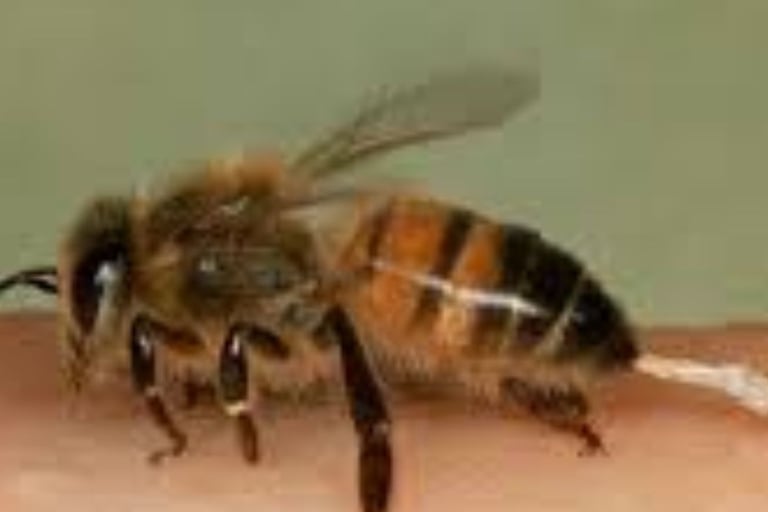
The Surprising (and Often Overhyped) Benefits of Bee Stings 🐝
Getting stung by a bee hurts like hell — that's the immediate "benefit" most of us experience: a sharp reminder to not mess with buzzing insects. But in apitherapy (bee venom therapy or BVT), people deliberately seek out stings or purified venom injections, claiming it treats everything from arthritis to multiple sclerosis (MS). Ancient texts (Hippocrates, Egyptian papyri) mention it, and beekeepers have long noticed they rarely get rheumatic issues. So... is there real science here, or just placebo + pain?
What's Actually in Bee Venom?
Bee venom (apitoxin) is a complex cocktail:
Melittin (∼50% of dry venom): Pokes holes in cell membranes → strong anti-inflammatory at low doses, but toxic/painful at high doses.
Phospholipase A2 (PLA2): Triggers inflammation locally but modulates immune responses systemically.
Apamin, adolapin, histamine, etc.: Pain-relieving, neuroprotective, antimicrobial effects in lab studies.
It contains 18–20 compounds with antibiotic, antiviral, and anti-inflammatory potential.
🐝 The Surprising (and Often Overhyped) Benefits of Bee Stings
Bee stings have been used for centuries in traditional practices, and a modern alternative medicine approach known as apitherapy uses bee venom in attempts to treat various conditions.
While bee venom contains biologically active compounds that have attracted scientific interest, many claims about bee stings remain unproven or exaggerated.
🧪 What's in Bee Venom?
Bee venom is a complex mixture of substances, including:
Melittin
Phospholipase A2
Apamin
Adolapin
Various peptides and enzymes
These compounds can affect inflammation, nerve signaling, and immune responses.
🔬 Potential Areas of Research
Scientists are investigating whether components of bee venom may have future therapeutic applications in areas such as:
🦴 Inflammatory Conditions
Some laboratory and animal studies suggest that bee venom compounds may influence inflammatory pathways.
🧠 Neurological Disorders
Researchers have explored bee venom's effects in experimental models of neurological diseases, though evidence in humans remains limited.
🛡️ Immunomodulation
Bee venom appears capable of altering certain immune responses, making it a topic of interest for immunology research.
🧬 Cancer Research
Certain bee venom components have shown anti-cancer effects in laboratory studies. However, laboratory findings do not automatically translate into safe or effective treatments for humans.
⚠️ Commonly Overhyped Claims
Claims that bee stings:
❌ Cure cancer
❌ Cure arthritis
❌ Cure multiple sclerosis
❌ Treat more than 100 diseases
❌ Replace conventional medical treatments
are not supported by high-quality clinical evidence.
While research continues, bee stings should not be viewed as proven cures for serious illnesses.
🚨 Risks of Bee Stings
Bee stings are not harmless.
Potential complications include:
😖 Local Reactions
Pain
Redness
Swelling
Itching
🤒 Large Local Reactions
Some people develop extensive swelling that can last for days.
⚡ Allergic Reactions
In susceptible individuals, bee stings can trigger:
Hives
Difficulty breathing
Low blood pressure
Loss of consciousness
🚑 Anaphylaxis
Anaphylaxis is a medical emergency requiring immediate treatment.
🩺 What About Apitherapy?
Apitherapy remains a controversial field.
Some practitioners use:
Bee venom
Honey
Propolis
Royal jelly
for various health purposes.
However, major medical organizations generally do not recommend bee venom therapy as a standard treatment for most diseases because evidence remains limited and safety concerns exist.
🌟 The Bottom Line
Bee venom contains fascinating biologically active compounds that continue to be studied by researchers. However, many popular claims about bee stings greatly exceed the available scientific evidence. Bee stings may have potential future medical applications, but they are not proven cures for major diseases and can cause serious allergic reactions in some individuals.
A balanced view is warranted: bee venom is scientifically interesting, medically promising in some research areas, but often overstated in popular health claims.
Hashtags
#BeeVenom #BeeSting #Apitherapy #MedicalScience #Immunology #Inflammation #NaturalHealth #EvidenceBasedMedicine #Research #HealthEducation #HoneyBee #AlternativeMedicine #PatientSafety #Wellness #Science
Keywords
bee sting benefits, bee venom therapy, apitherapy, bee venom research, melittin bee venom, bee sting risks, bee sting allergy, anaphylaxis bee sting, natural medicine, alternative therapy, bee venom inflammation, bee venom and cancer research, immunology research, honey bee health, evidence based medicine.
=========================================================================================================================================================================================================================================================================================================










Get in touch
Address
Cairo Al Rehab
Contacts
+20 109 405 2056
hassanalwarraqi@h-k-e-m.com