
Health is a crown on the heads of the healthy that only the sick can see.




☠️ Botulism: A Deadly Yet Preventable Foodborne Threat
🦠. Learn how contaminated food, improper canning, or wounds can lead to paralysis — and how proper food handling can prevent it 🍯❗
MUSCULOSKELETAL
Dr Hassan AlWarraqi
1/16/2025


☠️ Botulism: A Deadly Yet Preventable Foodborne Threat
Botulism is a disease caused by toxins produced by the bacterium Clostridium botulinum. These toxins attack the nervous system, leading to paralysis and potentially life-threatening complications. This article aims to clarify the facts about botulism, dispel common myths, and provide effective prevention strategies.
What is Botulism?
Botulism is a rare but severe illness caused by neurotoxins produced by the bacterium
Clostridium botulinum. These toxins disrupt nerve function, which can lead to life-threatening muscle paralysis.
Types of Botulism
1. Foodborne Botulism:
- Caused by consuming food contaminated with the toxin, often due to improper canning or storage.
- Home-canned foods are the most common source.
2. Infant Botulism:
- Occurs when infants ingest bacterial spores, which grow in their intestines and produce toxins.
- Honey is a known risk factor for infants under 12 months old.
3. Wound Botulism:
- Occurs when the bacteria enter open wounds, especially among intravenous drug users.
4. Iatrogenic Botulism:
- Rare and caused by accidental overdose of botulinum toxin (e.g., Botox) during medical procedures.
5. Adult Intestinal Toxemia:
- Similar to infant botulism but occurs in adults with disrupted gut bacteria.
Symptoms of Botulism
Symptoms vary depending on the type of botulism but commonly include:
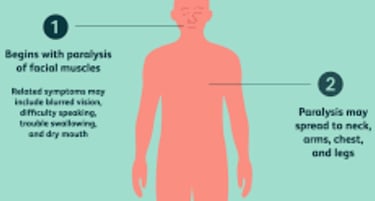
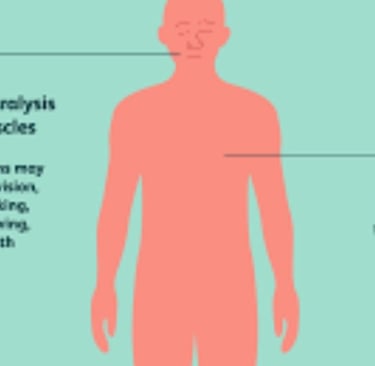
- General: Drooping eyelids, blurred or double vision, slurred speech, difficulty swallowing, muscle weakness progressing to paralysis, and potentially life-threatening respiratory failure.
- In Infants: Poor feeding, weak crying, and a "floppy" appearance due to muscle weakness.
Diagnosis and Treatment
Diagnosis:testing for botulism
- Based on clinical symptoms, patient history, and laboratory tests (blood, stool, or food analysis).
- Electromyography (EMG) or mouse bioassay may be used for confirmation.
Treatment:
- Antitoxin: Neutralizes circulating toxins but does not reverse existing nerve damage.
- Supportive Care: Including mechanical ventilation for respiratory failure.
- For Infants: Treated with botulism immune globulin (BabyBIG).
- For Wound Botulism: Requires wound cleaning and sometimes antibiotics.
Prevention Strategies
1. Food Safety:
- Follow proper canning procedures.
- Discard bulging or suspicious cans.
- Boil home-canned foods for at least 10 minutes before consumption.
2. Infant Care:
- Avoid giving honey to infants under 12 months old.
3. Wound Care:
- Maintain proper wound hygiene and seek medical attention for deep or infected wounds.
- Avoid injecting illicit drugs.
4. Handling Fish Products:
- Cook fish to an internal temperature of at least 70°C (158°F).
- Maintain proper refrigeration (below 4°C or 39°F).
- Be cautious with vacuum-packed fish products, especially if storage conditions are questionable.
Dispelling Common Myths
- Myth: Botulism only comes from canned foods.
Fact: It can also result from contaminated wounds, honey (in infants), and certain fish products.
- Myth: Refrigeration prevents botulism.
Fact: Refrigeration slows bacterial growth but does not destroy existing toxins.
- Myth: Heating food always destroys toxins.
Fact: Boiling for at least 10 minutes is required to inactivate toxins.
Botulism and Fish Products
Although the risk of botulism from fish products is low in well-regulated markets, certain products like lightly preserved or smoked fish may pose a risk if not processed and stored properly.
Safety Guidelines:
- Cook fish to an internal temperature of at least 70°C (158°F).
- Maintain proper refrigeration (below 4°C or 39°F).
- Avoid vacuum-packed fish products if storage conditions are questionable.
Conclusion
Botulism is a serious but preventable disease. By understanding the facts, practicing food safety, and maintaining good hygiene, the risks can be significantly reduced. Misinformation poses a greater danger than the disease itself, so it is essential to rely on credible sources and seek immediate medical attention if botulism is suspected.
Quotes from Original Sources:
- "Botulism is a life-threatening disease caused by toxins produced by Clostridium botulinum."
- "Prevention relies on food safety, hygiene, and awareness of risks."
- "Boiling for at least 10 minutes is necessary to inactivate toxins."
Keywords
Botulism, Clostridium botulinum, Foodborne Botulism, Infant Botulism, Wound Botulism, Botulism Symptoms, Botulism Diagnosis, Botulism Treatment, Food Safety, Botulism Prevention, Botulism Myths, Botulism and Fish Products.
Botulism: Guide to Causes, Symptoms, and Prevention
Botulism is a rare but life-threatening condition caused by potent neurotoxins produced by the bacterium Clostridium botulinum in low-oxygen environments.
These toxins are among the deadliest known substances, attacking the nervous system and causing flaccid paralysis that can lead to respiratory failure.
Transmission occurs through contaminated food (most common), wound infections, inhalation, or infant intestinal colonization.
Early diagnosis and immediate treatment with antitoxins and supportive care are critical for survival.
Prevention focuses on safe food handling practices and avoiding high-risk behaviors, such as feeding honey to infants under one year old.
Key Topics
1. Definition and Mechanism
Cause: Clostridium botulinum, an anaerobic bacterium that produces heat-resistant spores.
These spores germinate in oxygen-deprived environments, releasing neurotoxins (types A, B, E, F) that block nerve-muscle communication.
Toxicity: As little as 2 nanograms per kilogram of body weight can be lethal if inhaled.
2. Types and Transmission
Foodborne Botulism:
Caused by consuming improperly preserved foods (e.g., home-canned vegetables, smoked fish).
High-risk foods: Low-acid vegetables (green beans, beets), fermented fish, and cured meats.
Infant Botulism:
Occurs when infants ingest spores (commonly from honey) that colonize the intestines and produce toxins.
Honey is strictly prohibited for infants under 12 months.
Wound Botulism:
Linked to contaminated wounds or intravenous drug use (e.g., black tar heroin).
Inhalation Botulism:
Rare; associated with accidental exposure or potential bioterrorism.
3. Symptoms and Diagnosis
Early Symptoms:
Muscle weakness, dry mouth, blurred/double vision, difficulty swallowing or speaking.
In infants: Constipation, weak cry, poor feeding, and floppy movements.
Progression: Descending paralysis starting from the head, potentially leading to respiratory failure within 24–72 hours.
Diagnosis:
Clinical evaluation and laboratory tests (blood, stool, or wound samples) to detect toxins.
4. Treatment and Management
Antitoxin Administration:
Given immediately upon suspicion of botulism. Infant-specific treatment includes Botulism Immune Globulin Intravenous (BIG-IV).
Supportive Care:
Mechanical ventilation (weeks to months), intravenous nutrition, and rehabilitation for neuromuscular recovery.
Antibiotics:
Reserved for wound botulism (e.g., penicillin).
5. Prevention Strategies
Food Safety:
Use pressure canners (121°C) for low-acid foods.
Boil home-canned foods for 10 minutes before consumption.
Discard bulging, leaking, or foul-smelling canned products.
Infant Safety: Avoid honey and corn syrup for infants under one year.
Wound Care: Clean wounds promptly and avoid needle-sharing.
6. Medical Uses of Botulinum Toxin
Botox (Type A):
Used in diluted doses to treat muscle spasms, chronic migraines, and cosmetic wrinkles.
Must be administered by trained professionals to prevent unintended paralysis.
7. Botulism as a Bioweapon
Due to its extreme toxicity, botulinum toxin is classified as a potential bioweapon.
Rare cases have involved accidental laboratory exposure.
8. Case Study
Outbreak: 15 cases and 1 death linked to contaminated homemade canned sardines at a restaurant.
Lessons Learned: Highlights the need for stricter restaurant inspections and public education on food safety.
Recommendations
Public Awareness Campaigns: Educate on safe food preservation and infant feeding guidelines.
Enhanced Regulations: Strengthen food safety protocols in restaurants and manufacturing.
Healthcare Training: Equip medical staff with rapid diagnostic tools and treatment guidelines.
Antitoxin Accessibility: Ensure antitoxin availability in emergency healthcare settings.
Frequently Asked Questions About Botulism FAQS
Below is a detailed exploration of common questions about botulism, a rare but serious disease caused by toxins produced by the bacterium Clostridium botulinum.
This section addresses its preventive benefits, types, symptoms, diagnosis, treatment, prevention strategies, common misconceptions, and risks associated with fish products.
The responses are grounded in reliable sources, focusing on scientific and practical aspects,
1. What Is Botulism and What Causes It?
Botulism is a rare, life-threatening illness caused by neurotoxins produced by Clostridium botulinum.
These toxins attack the nervous system, leading to muscle paralysis that can be fatal if untreated.
"Botulism is a life-threatening disease caused by toxins produced by Clostridium botulinum" .
The disease can arise from various sources, including contaminated food, infected wounds, or ingestion of bacterial spores in infants.
2. What Are the Types of Botulism?
Botulism is classified into five main types based on the source of infection:
Foodborne Botulism: Results from consuming food contaminated with toxins, often due to improper canning or poor storage.
Home-canned foods are the most common source.
Infant Botulism: Occurs when infants ingest bacterial spores, which grow in their intestines and produce toxins.
Honey is a known risk factor for infants under 12 months.
Wound Botulism: Happens when the bacteria enter open wounds, particularly among intravenous drug users.
Iatrogenic Botulism: Rare, caused by an accidental overdose of botulinum toxin (e.g., Botox) during medical procedures.
Adult Intestinal Toxemia: Similar to infant botulism, but occurs in adults with disrupted gut bacteria.
3. What Are the Symptoms of Botulism?
Symptoms vary by type but commonly include:
General Symptoms: Drooping eyelids, blurred or double vision, slurred speech, difficulty swallowing, muscle weakness progressing to paralysis, and potentially life-threatening respiratory failure.
In Infants: Poor feeding, weak crying, and a "floppy" appearance due to muscle weakness.
Symptoms typically appear within 12-36 hours after exposure to toxins in foodborne cases and may take days in other types.
4. How Is Botulism Diagnosed?
Botulism is diagnosed based on:
Clinical Symptoms: Such as muscle weakness and descending paralysis.
Medical History: Including consumption of home-canned foods or presence of open wounds.
Laboratory Tests: Analysis of blood, stool, or food samples to detect toxins or bacteria.
Additional Tests: Such as electromyography (EMG) or mouse bioassay to confirm the presence of toxins.
Early detection is critical for improving treatment outcomes.
5. What Are the Treatment Options for Botulism?
Botulism requires immediate treatment to prevent complications:
Antitoxin: Administered to neutralize circulating toxins, though it does not reverse existing nerve damage.
Supportive Care: Includes mechanical ventilation for respiratory failure and close monitoring in an intensive care unit.
For Infants: Treated with botulism immune globulin (BabyBIG), a specific therapy that reduces disease severity.
For Wound Botulism: Requires surgical wound cleaning and, in some cases, antibiotics (e.g., penicillin), used cautiously to avoid bacterial resistance.
"Early treatment with antitoxins and supportive care can be lifesaving" .
6. How Can Botulism Be Prevented?
Preventing botulism relies on proper food safety and hygiene practices:
Food Safety:
Follow proper canning procedures using sterilized equipment and appropriate acidity levels.
Discard bulging cans or those with suspicious odors.
Boil home-canned foods for at least 10 minutes to inactivate toxins. "Boiling for at least 10 minutes is necessary to inactivate toxins" (original source).
Infant Care:
Avoid giving honey to infants under 12 months to prevent infant botulism.
Wound Care:
Maintain wound hygiene and seek medical care for deep or infected wounds.
Avoid injecting illicit drugs to reduce the risk of wound botulism.
Handling Fish Products:
Cook fish to an internal temperature of at least 70°C (158°F) to kill bacteria and toxins.
Maintain proper refrigeration (below 4°C or 39°F) to slow bacterial growth.
Be cautious with vacuum-packed fish products if storage conditions are questionable.
"Prevention relies on food safety, hygiene, and awareness of risks" .
7. What Are Common Misconceptions About Botulism?
Several misconceptions need clarification:
Myth: Botulism only comes from canned foods.
Fact: It can also result from contaminated wounds, honey (in infants), and certain fish products.
Myth: Refrigeration prevents botulism.
Fact: Refrigeration slows bacterial growth but does not destroy pre-existing toxins.
Myth: Heating food always destroys toxins.
Fact: Boiling for at least 10 minutes is required to inactivate toxins.
Correcting these misconceptions helps reduce risks through informed practices.
8. What Are the Risks Associated with Fish Products, and How Can They Be Minimized?
While the risk of botulism from fish products is low in well-regulated markets, products like lightly preserved or smoked fish may pose a risk if not processed or stored properly.
Guidelines to minimize risks include:
Cook fish to an internal temperature of 70°C (158°F) to eliminate bacteria and toxins.
Store fish products at below 4°C (39°F) to inhibit bacterial growth.
Avoid consuming vacuum-packed fish if storage conditions are questionable or if packaging appears bloated.
Purchase fish from reputable sources adhering to food safety standards.
"Be cautious with vacuum-packed fish products if storage conditions are questionable"
9. Is Botulism Contagious?
No, botulism is not contagious and cannot spread from person to person.
The disease occurs only through direct exposure to Clostridium botulinum toxins or spores, via contaminated food, wounds, or ingestion (in infants).
However, contaminated materials (e.g., suspect canned foods) should be handled carefully to prevent accidental exposure.
10. How Common Is Botulism, and Who Is Most at Risk?
Botulism is extremely rare, with only a few hundred cases reported annually worldwide in developed countries.
Those most at risk include:
Infants under 12 months: Due to infant botulism linked to honey or environmental spores.
Individuals consuming home-canned foods: Especially if improperly processed.
Intravenous drug users: Susceptible to wound botulism.
People with gut microbiota disruptions: At risk for adult intestinal toxemia.
Strict food safety regulations significantly reduce the prevalence of botulism in commercial markets.
11. When Should Medical Help Be Sought?
Immediate medical care should be sought if botulism symptoms appear, such as muscle weakness, difficulty swallowing, or vision problems, especially after consuming home-canned foods, exposure to an open wound, or giving honey to an infant.
Early intervention with antitoxins and supportive care can be lifesaving.
"If botulism is suspected, seeking immediate medical attention is essential"
12. Can Botulism Be Treated at Home?
No, botulism cannot be treated at home due to its life-threatening nature.
The disease requires specialized medical treatment, including antitoxins, mechanical ventilation, and hospital monitoring.
Home remedies may delay treatment and increase the risk of death.
Always consult a healthcare provider immediately.
Conclusion
Botulism is a serious but preventable disease. Through proper food safety practices, wound hygiene, and avoiding risks like giving honey to infants, the dangers can be significantly minimized.
Understanding the facts, debunking myths, and relying on credible sources are crucial for risk reduction.
Awareness of botulism symptoms and seeking immediate medical care can save lives.
With adherence to preventive guidelines, the risks of this rare disease can be greatly reduced.
Keywords
Botulism, Clostridium botulinum, Foodborne Botulism, Infant Botulism, Wound Botulism, Botulism Symptoms, Botulism Diagnosis, Botulism Treatment, Food Safety, Botulism Prevention, Botulism Myths, Botulism and Fish Products.
==============================================================================================================================================================================================================================================================================================================================================================================
☠️ Botulism: A Deadly Yet Preventable Foodborne Threat
✍️ About the Author
Hassan Al-Warraqi is a health educator and founder of H-K-E-M.com, a platform dedicated to raising awareness about preventable diseases through traditional wisdom and modern science. With a special focus on natural health, detoxification, and food safety, Hassan emphasizes practical knowledge to empower everyday health decisions.
In this article, he highlights the hidden danger of botulism—a rare but life-threatening illness—and explains how simple food-handling practices can save lives.
🖋️ By Hassan Al-Warraqi
Founder @h_k_e_m_com | Learn how to protect your food & family from botulism ☠️🍽️🛡️ #FoodSafety #BotulismAwareness #HKEM
☠️ Botulism: A Deadly Yet Preventable Foodborne Threat
Botulism is a rare but potentially life-threatening illness caused by toxins produced by the bacterium Clostridium botulinum. The toxin it produces is among the most powerful known biological toxins and can cause paralysis by blocking nerve signals to muscles.
Despite its severity, botulism is largely preventable through proper food handling, preservation, and awareness.
🦠 What Causes Botulism?
Botulism occurs when botulinum toxin enters the body. Major forms include:
🍲 Foodborne Botulism
Caused by eating foods containing preformed botulinum toxin.
Common sources include:
Improperly home-canned foods
Fermented fish products
Preserved vegetables
Foods stored under low-oxygen conditions
👶 Infant Botulism
Occurs when infants ingest spores that grow and produce toxin in the intestine.
Honey is a recognized source of spores, which is why honey should not be given to infants under 12 months of age.
🩹 Wound Botulism
Develops when spores contaminate a wound and produce toxin.
💉 Iatrogenic Botulism
Rarely, excessive doses of botulinum toxin used medically or cosmetically can cause symptoms.
🚨 Symptoms of Botulism
Symptoms usually begin with nerve-related problems rather than fever.
Common signs include:
👀 Blurred or double vision
😵 Drooping eyelids
🗣️ Slurred speech
😮 Difficulty swallowing
😬 Dry mouth
💪 Progressive muscle weakness
As the condition worsens:
🫁 Breathing muscles may become paralyzed, leading to respiratory failure.
👶 Signs of Infant Botulism
Symptoms may include:
Constipation
Poor feeding
Weak cry
Reduced facial expression
Floppiness ("floppy baby syndrome")
Infant botulism is a medical emergency.
🔬 How Does the Toxin Work?
The botulinum toxin blocks the release of acetylcholine, a neurotransmitter required for muscle contraction.
This results in:
➡️ Flaccid paralysis
➡️ Progressive weakness
➡️ Potential respiratory failure
🏥 Diagnosis and Treatment
Diagnosis may involve:
Clinical examination
Toxin testing
Laboratory analysis
Electromyography (EMG) in some cases
Treatment may include:
💉 Antitoxin
Administered as early as possible to neutralize circulating toxin.
🫁 Respiratory Support
Some patients require mechanical ventilation until nerve function recovers.
🩹 Wound Care
For wound botulism, treatment may include antibiotics and surgical cleaning of infected tissue.
🛡️ Prevention
🍽️ Safe Food Preservation
Follow proper home-canning guidelines
Discard bulging or damaged cans
Avoid consuming foods with unusual odors or signs of spoilage
👶 Protect Infants
🚫 Do not give honey to babies younger than 12 months.
🩹 Proper Wound Care
Promptly clean and treat wounds to reduce infection risk.
🌟 Prognosis
With modern intensive care and antitoxin treatment, many patients survive botulism. However, recovery may take weeks to months because nerve endings must regenerate.
Without treatment, severe botulism can be fatal.
🌟 The Bottom Line
Botulism is a rare but serious neurological illness caused by botulinum toxin. Early symptoms such as blurred vision, difficulty swallowing, and muscle weakness should never be ignored. Fortunately, proper food safety practices, careful home canning, wound care, and avoiding honey in infants under one year of age can prevent most cases.
Hashtags
#Botulism #FoodSafety #PublicHealth #FoodborneIllness #MedicalEducation #Neurology #PatientSafety #PreventiveHealth #FoodPreservation #HealthAwareness #InfectiousDisease #EmergencyMedicine #InfantHealth #Healthcare #Wellness
Keywords
botulism symptoms, botulinum toxin, foodborne botulism, infant botulism, wound botulism, food safety, home canning safety, botulism prevention, paralysis toxin, food poisoning, honey infant botulism, neurological emergency, botulism treatment, public health awareness, food preservation guidelines.
==================================================================================================================================================================
🧬🌙 How Fasting Calms Psoriasis & Eczema
🩺 Psoriasis and eczema are chronic inflammatory skin conditions that can cause itching, redness, irritation, and discomfort.
🌙 Can fasting help?
Researchers are exploring how fasting may influence the body's inflammatory and metabolic pathways. Some studies suggest that fasting may:
✨ Reduce certain inflammatory markers
✨ Improve metabolic health
✨ Promote cellular repair processes
✨ Support weight management, which may indirectly benefit some people with psoriasis
🧬 What does the evidence show?
For psoriasis, a few small studies have reported improvements in disease severity in some patients during periods of structured fasting or dietary changes.
For eczema, evidence is more limited, and results vary significantly between individuals.
⚠️ Important:
There is currently no strong evidence that fasting cures psoriasis or eczema.
🛡️ Proven management strategies include:
✅ Following prescribed treatments
✅ Regular skin moisturizing
✅ Avoiding known triggers
✅ Managing stress
✅ Maintaining a healthy lifestyle
🏥 People with chronic illnesses, diabetes, eating disorders, or those taking medications should seek medical advice before undertaking prolonged fasting.
💡 Bottom line:
Fasting may help some individuals by influencing inflammation and overall health, but it should be viewed as a possible supportive measure—not a proven cure—for psoriasis or eczema.
#Psoriasis #Eczema #Fasting #SkinHealth #Inflammation #ImmuneHealth #Dermatology #Wellness #HealthyLifestyle #MedicalFacts








Get in touch
Address
Cairo Al Rehab
Contacts
+20 109 405 2056
hassanalwarraqi@h-k-e-m.com