
Health is a crown on the heads of the healthy that only the sick can see.



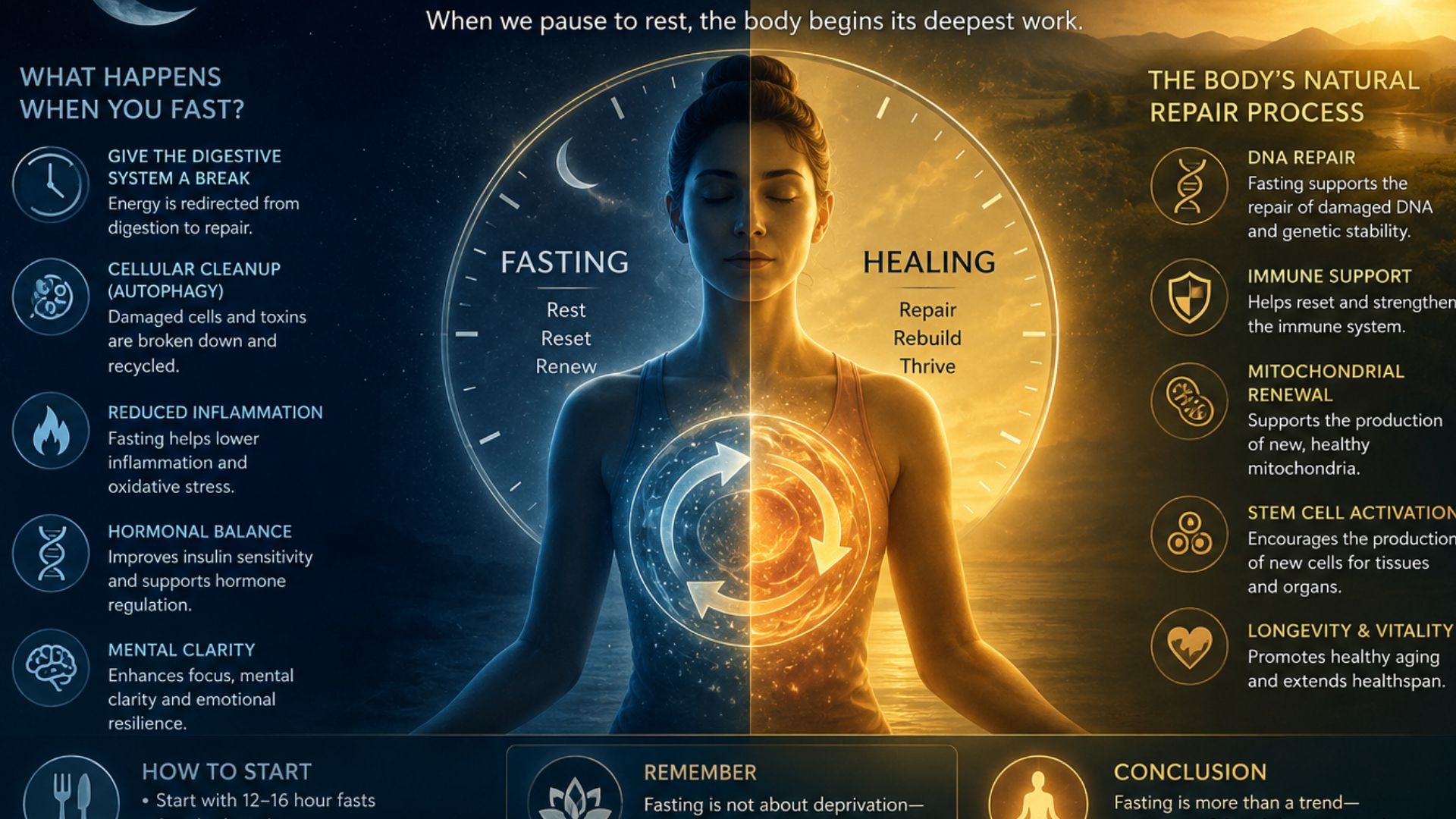
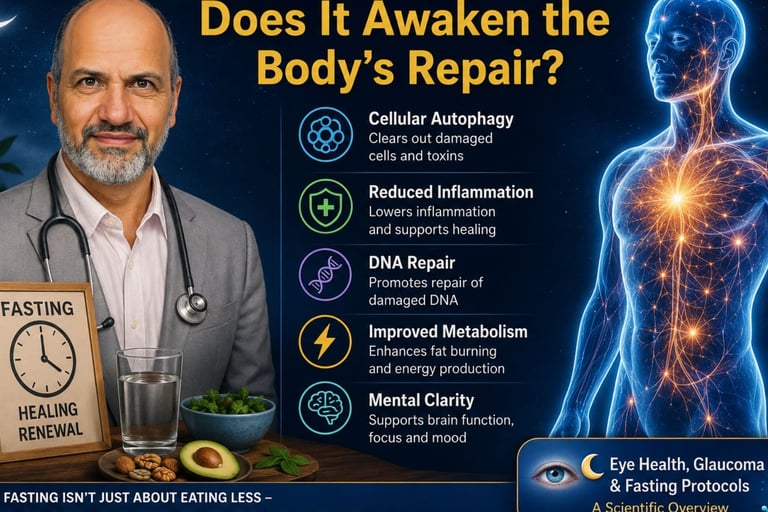
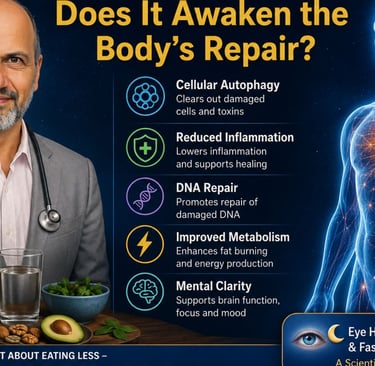
🌙Fasting&Self-Healing:Does It Awaken the Body's Repair?
Discover how fasting activates self-healing mechanisms through autophagy, DNA repair, neuroplasticity, and stem cell renewal — with recent scientific evidence from trusted sources.
SELF-HEALINGFASTING
Dr Hassan Al Warraqi
6/26/202610 min read
🌙Fasting&Self-Healing:Does It Awaken the Body's Repair?
Discover how fasting activates self-healing mechanisms through autophagy, DNA repair, neuroplasticity, and stem cell renewal — with recent scientific evidence from trusted sources.
Fasting is not merely a temporary abstention from food; it is a powerful biological tool that activates self-healing programs encoded within our cells.
For thousands of years, humans have used fasting for physical and spiritual purification.
Modern science has now revealed the precise molecular mechanisms that make fasting one of the most potent interventions available for improving health and repairing damaged tissues.
1. Autophagy — The Cellular Recycling System
Autophagy (from Greek: "auto" = self, "phagy" = to eat) is a self-preservation mechanism in which the body removes damaged or dysfunctional cellular components to regenerate newer, healthier cells.
This system functions as a "cellular recycling program" that eliminates damaged proteins and organelles from cells, preventing the accumulation of toxins and waste that contribute to aging and disease.
How Does Fasting Activate Autophagy?
When the body enters a fasting state, insulin and blood glucose levels drop, sending signals to cells that it is time for self-cleaning.
Short-term fasting significantly stimulates autophagy in nerve cells, protecting the brain from the accumulation of toxic proteins associated with neurodegenerative diseases.
Benefits Associated with Autophagy
Removal of damaged proteins that accumulate in cells and cause disease
Renewal of cellular organelles such as mitochondria (the cell's power stations)
Reduction of chronic inflammation linked to most chronic diseases
Delay of aging through maintaining cell health and function
Intermittent fasting is associated with longevity and improved health through autophagy and reduced inflammatory activity.
Studies show that this process begins activation after approximately 12-16 hours of fasting and peaks after 24-48 hours.
2. DNA Repair — Protecting the Genetic Code
DNA is the programming code for every cell in the body, and it is constantly subjected to damage from ultraviolet radiation, radiation exposure, and free radicals.
When the DNA repair system fails, mutations accumulate and the risks of cancer and degenerative diseases increase.
Fasting and DNA Repair
Intermittent fasting from dawn to sunset for 30 days stimulates repair of DNA damaged by ultraviolet and radiation exposure.
Repeated fasting also activates a chromatin program that enhances transcription of genes involved in antioxidant defense and DNA repair.
The Role of P53 Protein:
Fasting activates the P53 protein (known as the "guardian of the genome"), an essential protein that leads to multiple cellular processes:
Repair of damaged DNA
Cell cycle arrest to allow for repair
Stimulation of programmed cell death (apoptosis) for irreparably damaged cells
3. Neuroplasticity and Brain Health — Reshaping the Brain
Neuroplasticity is the brain's ability to change its structure and function in response to experiences.
It is the foundation of learning, memory, and recovery from brain injuries.
Fasting and BDNF Factor:
Fasting enhances production of Brain-Derived Neurotrophic Factor (BDNF), a vital protein that improves neuroplasticity and the growth of new nerve cells.
BDNF is sometimes called "fertilizer for the brain" because it nourishes nerve cells and supports their connections.
Neurological Benefits of Fasting
Improved cognition, focus, and working memory
Slowed age-related cognitive decline
Reduced brain damage from free radicals
Enhanced functional recovery after neurological and traumatic injuries
Protection of nerve cells from loss when fasting begins after a brain injury
Studies have shown that intermittent fasting improves working memory in animals and verbal memory in adult humans, making it a promising intervention for preventing dementia and Alzheimer's disease.
4. Stem Cell Renewal — Regenerating the Immune System
Stem cells are unspecialized cells that can transform into any type of cell.
They are the foundation of tissue regeneration and organ repair.
Fasting and Stem Cell Renewal:
During each fasting cycle, depletion of white blood cells occurs, which stimulates immune system regeneration based on stem cells.
This process resembles a "reboot" of the immune system, where old and damaged immune cells are eliminated and replaced with new, effective ones.
The Fasting and Refeeding Cycle
Stem cell renewal is suppressed during fasting, then increases significantly during the refeeding period.
This oscillating pattern mimics the environmental conditions in which the human body evolved, where periods of hunger were followed by periods of food abundance.
Short-term fasting is beneficial for renewing multiple tissue types, including the liver, muscles, and skin.
5. Molecular Mechanisms — mTOR and AMPK
The mTOR Pathway:
mTOR (mammalian Target of Rapamycin) is a signaling pathway that controls cell growth and division.
When we eat continuously, mTOR remains active, preventing autophagy and accelerating aging.
Fasting inhibits the mTOR pathway, unleashing cellular repair mechanisms and autophagy.
The AMPK Enzyme:
AMPK (AMP-activated protein kinase) is the cell's "energy sensor."
When energy levels drop (as occurs during fasting), AMPK activates and stimulates fat burning for energy, improved insulin sensitivity, activation of autophagy, and resistance to oxidative stress.
Adaptive Cellular Stress Response:
Fasting stimulates adaptive cellular stress responses, leading to enhanced ability to handle more severe stress.
This process is known as "hormesis" — where moderate stress strengthens the body rather than weakening it.
6. Clinical Benefits and Practical Applications
Removal of Damaged Cells and Recycling:
Fasting eliminates damaged cells, recycles waste, reduces inflammation, and supports natural healing.
This process mimics a "deep clean" of the body at the cellular level.
Brain Health and Ketosis:
Fasting may improve brain health through mechanisms such as:
Ketosis: Conversion of fats into ketone bodies that become a primary energy source for the brain
Autophagy: Removal of damaged proteins in nerve cells
Reduced inflammation: Lowering levels of inflammatory cytokines
Prevention of Cognitive Decline:
Intermittent fasting has emerged as a potential lifestyle intervention to alleviate cognitive decline and promote brain health.
Studies show that it can slow the progression of Alzheimer's disease and improve cognitive symptoms.
7. Metabolic Shift: From Glucose to Ketones
When food intake stops, the brain initially relies on glucose as its primary energy source.
After several hours of fasting, a remarkable process called "metabolic shift" begins:
Phase One — 0 to 12 Hours: The body depletes glycogen stores in the liver.
Phase Two — 12 to 24 Hours: Fat burning begins and the liver starts producing ketone bodies as an alternative fuel source.
Phase Three — 24+ Hours: Ketones become the primary energy source for the brain and peripheral tissues.
This shift stimulates secretion of fat-burning hormones such as norepinephrine and human growth hormone (which may increase up to five-fold), helping to preserve muscle mass while burning fat.
8. Sirtuins — Longevity Proteins
Sirtuins are known as "longevity proteins" for their role in:
Reducing oxidative stress throughout the body
Improving mitochondrial function
Enhancing DNA repair
Regulating cellular aging
Fasting activates sirtuins, contributing to resistance against age-related diseases and potentially extending healthy lifespan.
9. Additional Evidence-Based Benefits
Cardiovascular Health:
Fasting has been shown to improve blood pressure and resting heart rate, reduce LDL cholesterol and triglycerides, and improve vascular endothelial function
Diabetes Management:
Fasting reduces insulin resistance, lowers blood glucose levels during fasting, and in some cases may reverse insulin dependence for Type 2 diabetes patients.
Physical Performance:
Young adults who fasted for 16 hours were able to maintain muscle mass while losing fat.
Skin Health:
Fasting improves skin health and reduces acne appearance through cell renewal and autophagy properties.
10. Common Types of Intermittent Fasting
The 16:8 Method: Fast for 16 hours and eat within an 8-hour window. This is the most popular and sustainable approach for beginners.
The 5:2 Method: Eat normally for five days of the week, then restrict calories to 500-600 on two non-consecutive days.
Eat-Stop-Eat: Perform a full 24-hour fast once or twice per week.
The Warrior Diet: Fast for 20 hours with light consumption of fruits and vegetables, followed by one large evening meal within a 4-hour eating window.
11. Tips for Starting Intermittent Fasting
Start gradually. Begin with short fasting periods of 12 hours and gradually increase the duration as your body adapts.
Stay hydrated. Drink water, black coffee, and unsweetened herbal tea throughout the fasting window.
Focus on food quality. During eating windows, consume whole, nutrient-rich foods rather than processed options.
Listen to your body. If you feel dizzy or severely nauseous, break your fast immediately.
Avoid intense exercise in the first days of prolonged fasting.
Consult a doctor if you have chronic conditions or take medications.
12. Warnings and Who Should Avoid Fasting
Intermittent fasting is not suitable for everyone.
It should be avoided or discussed with a doctor in the following cases: pregnant or breastfeeding women; children and adolescents; individuals with eating disorders; diabetes patients (under medical supervision); those with severe underweight; and elderly individuals at risk of bone loss.
Conclusion
Fasting is not merely a religious or cultural practice; it is a powerful biological intervention that activates self-healing programs encoded in our cells.
From autophagy that cleans cells, to DNA repair that protects the genetic code, to stem cell renewal that regenerates the immune system — fasting offers a comprehensive package of scientifically proven health benefits.
However, it must be practiced wisely and consciously, with consideration for individual differences and special health conditions.
As with any health intervention, moderation and listening to your body are the keys to achieving maximum benefit safely.
Frequently Asked Questions (FAQs)🌙Fasting&Self-Healing:Does It Awaken the Body's Repair?
When does autophagy begin during fasting?
Autophagy begins activation after approximately 12-16 hours of fasting, and peaks after 24-48 hours.
However, even short-term intermittent fasting using the 16:8 method can significantly stimulate this process.
Studies show that autophagy activates faster in nerve cells compared to other cell types.
Can fasting reverse Type 2 diabetes?
Yes, in some cases.
Intermittent fasting improves insulin sensitivity and reduces insulin resistance, which may lead to reversal of insulin dependence for some Type 2 diabetes patients.
However, this requires careful medical supervision and is not suitable for Type 1 diabetes patients.
Diabetic patients should not change their dietary regimen without consulting their treating physician.
Does fasting negatively affect muscles?
When practiced correctly, intermittent fasting preserves muscle mass and even improves body composition.
The rise in human growth hormone during fasting (may reach up to five-fold) protects muscles from breakdown.
Studies have shown that young adults who fasted 16 hours daily were able to maintain their muscles while losing fat.
What is the difference between intermittent fasting and the ketogenic diet?
Intermittent fasting stimulates natural ketosis (production of ketone bodies from fats) through food abstinence.
The ketogenic diet mimics this state through consuming very high fat and very low carbohydrate ratios.
Both inhibit mTOR and activate autophagy, but fasting offers additional benefits such as stem cell renewal and DNA repair.
Does fasting affect the menstrual cycle in women?
Excessive or prolonged fasting may affect the menstrual cycle in some women.
Studies indicate that moderate fasting (such as 16:8) does not cause problems for most women, but women may be more sensitive to hormonal changes resulting from prolonged fasting.
Pregnant and breastfeeding women should avoid fasting entirely.
Can you exercise while fasting?
Yes, but wisely.
Light to moderate exercise such as walking and yoga is possible and beneficial during fasting.
However, avoid intense exercise such as heavy weightlifting or intensive running in the first days or during prolonged fasting exceeding 24 hours.
Listen to your body and drink adequate amounts of water.
What are the symptoms of "keto flu" and how to deal with them?
When starting fasting or the ketogenic diet, you may experience mild headache, fatigue and lethargy, mild nausea, and difficulty concentrating.
These symptoms are temporary (lasting 2-7 days) and occur due to the body's shift from burning glucose to burning fat.
To alleviate them: drink large amounts of water and mineral salts; consume black coffee or green tea; ensure adequate sleep; and start gradually by increasing fasting duration.
Does fasting really improve skin health?
Yes, through several mechanisms:
Autophagy removes damaged skin cells and stimulates their renewal.
Reduced inflammation alleviates acne and rosacea.
Hormonal balance improves oil secretion in the skin. Improved insulin sensitivity reduces its negative effects on the skin.
What is the best way to break a fast?
The best way is gradual and balanced:
Start with warm water with lemon (stimulates digestive enzymes).
Eat easily digestible food first such as vegetable soup, dates, or banana.
Avoid heavy, fried, and sugary foods immediately.
Wait 30-60 minutes before the main meal. Focus on clean protein, vegetables, and healthy fats.
Can you drink coffee and tea while fasting?
Yes, black coffee and green or black tea without sugar or milk do not break the fast.
In fact, they are beneficial: coffee stimulates autophagy and accelerates fat burning; green tea contains powerful antioxidants called catechins.
Avoid sweetened coffee, lattes, or any beverage containing calories.
How many times should I fast per week?
It depends on your goal and health:
For general health, aim for 3-4 days weekly using the 16:8 method.
For weight loss, try 5-6 days weekly using 16:8 or 18:6.
For deep cellular activation, perform a 24-hour fast once every two weeks.
For therapeutic purposes, stricter programs may be recommended under medical supervision.
The most important factors are consistency and moderation, not excess.
Does fasting affect mood and mental health?
In the long term, fasting improves mood through: increased BDNF production (protects against depression); improved insulin sensitivity (the link between insulin resistance and depression is proven); reduced inflammation (chronic inflammation is linked to depression); and enhanced sense of accomplishment and control.
However, in the first days you may feel temporary irritability due to changing blood sugar levels.
====================================================================================================================================================================================================================================================================================================================================================================
🌙Fasting&Self-Healing:Does It Awaken the Body's Repair?
The 5 Mechanisms of Self-Healing
1. Autophagy removes and recycles damaged cells. It begins after 12-16 hours of fasting.
2. DNA Repair activates P53, the "guardian of the genome," and repairs radiation-induced mutations progressively with fasting cycles.
3. Stem Cell Renewal "reboots" the immune system by replacing old white blood cells with new ones, primarily during the refeeding period after fasting.
4. Neuroplasticity enhances BDNF — "brain fertilizer" — improving memory and slowing dementia over days to weeks.
5. Metabolic Shift converts brain fuel from glucose to ketones, a cleaner and more efficient energy source, beginning after 24 hours.
Core Molecular Mechanism
During eating, mTOR remains active and AMPK stays dormant, promoting cell growth.
During fasting, mTOR becomes inhibited and AMPK becomes activated, shifting the body toward cell repair and cleaning.
⚠️ Quick Warning
Not suitable for: Pregnant women, breastfeeding women, diabetes patients (without supervision), and individuals with eating disorders.
Consult a doctor if you take chronic medications.
==============================================================================================================================================================================================================================================================================================================
The Gut-Eye Connection: How Fasting May Benefit Eye Health
The eye is no longer viewed as an organ separate from the rest of the body, but rather as part of a biological network connecting it to the gut, immune system, and metabolism.
This interconnection is known as the Gut-Eye Axis.
Research suggests that fasting may contribute to improving gut microbiome balance, reducing chronic inflammation and oxidative stress — factors that may affect eye health and function.
How Might Fasting Benefit the Eye?
Fasting may enhance diversity of beneficial gut bacteria. It may reduce systemic inflammation that could reflect on eye tissues.
It may improve insulin sensitivity and blood sugar regulation, which could help reduce risks of some eye complications associated with diabetes.
It may support production of beneficial gut compounds such as short-chain fatty acids, which contribute to immune regulation. It may reduce oxidative stress that could harm the retina and optic nerve.
What Does This Mean for Eye Health?
Maintaining gut health and a healthy lifestyle, including appropriate fasting for some individuals, may support eye health and reduce risk factors associated with conditions such as dry eye, diabetic retinopathy, age-related macular degeneration, and some inflammatory eye diseases.
⚠️ Important Note
Although scientific results are promising, current evidence does not prove that fasting directly treats eye diseases.
Diabetes patients or those with chronic conditions should consult a doctor before following any therapeutic fasting regimen.
✨ Conclusion
The path to protecting the eye may begin in the gut. By improving microbiome health, reducing inflammation, and enhancing metabolic processes, fasting may be part of a comprehensive strategy to support eye health — but it is not a substitute for regular examination or medical treatment when needed.
Keywords: Fasting and self-healing, autophagy, DNA repair, BDNF, stem cells, intermittent fasting, ketosis, AMPK, mTOR, gut-eye axis, neuroplasticity, longevity, metabolic health

Get in touch
Address
Cairo Al Rehab
Contacts
+20 109 405 2056
hassanalwarraqi@h-k-e-m.com