Health is a crown on the heads of the healthy that only the sick can see.



🧬Fasting & Stem Cell Renewal Is Regeneration Really Possible?
"🧬 Can fasting regenerate stem cells? Discover how intermittent and prolonged fasting activate autophagy, promote tissue repair, and support immune system renewal naturally. 🌱🕊️"
GENERAL
Dr Hassan Al Warraqi
7/18/2024
🧬Fasting & Stem Cell Renewal Is Regeneration Really Possible?
"🧬 Can fasting regenerate stem cells? Discover how intermittent and prolonged fasting activate autophagy, promote tissue repair, and support immune system renewal naturally. 🌱🕊️"
how fasting affect stem cells
the form of hip stem cell treatments
the list of diseases treated by stem cells How can stem cells cure diseases
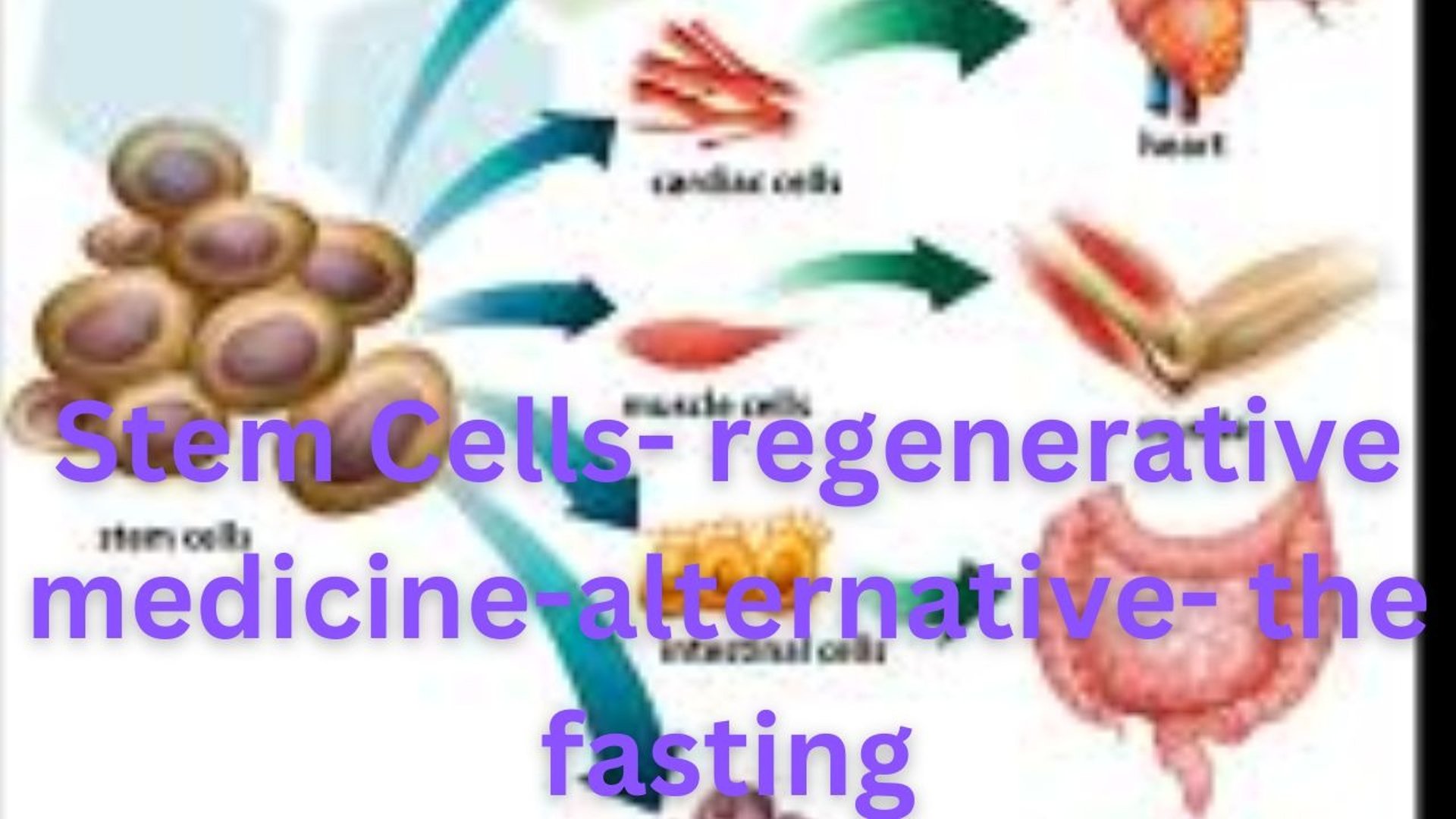
What Are Stem Cells
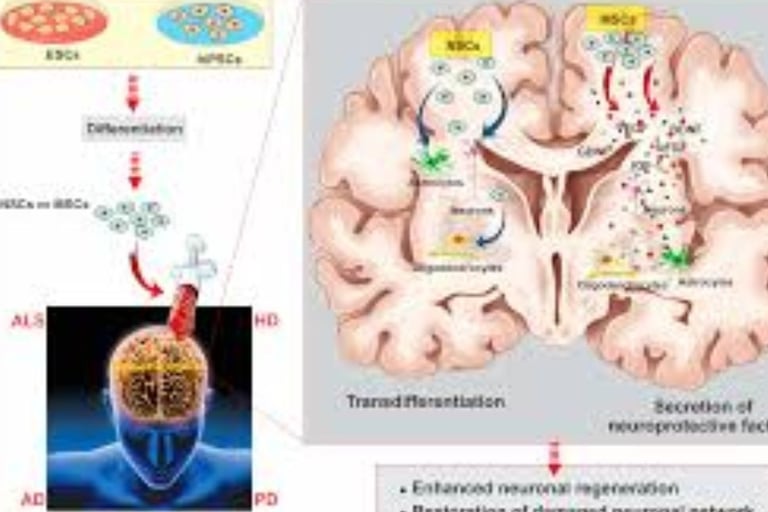
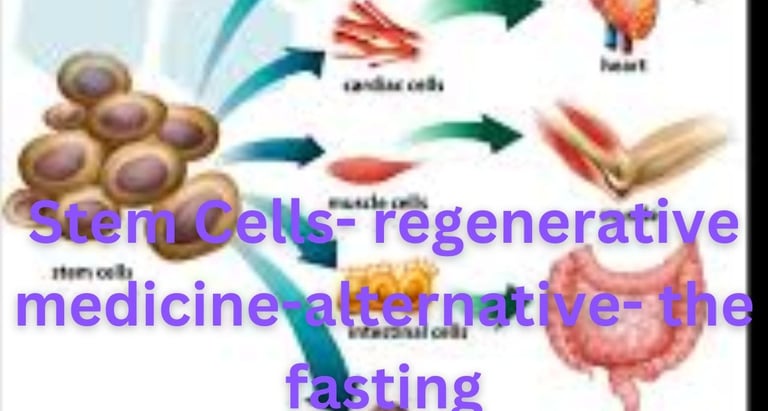
definition : Stem cells are cells that can renew themselves and generate new cells for the body
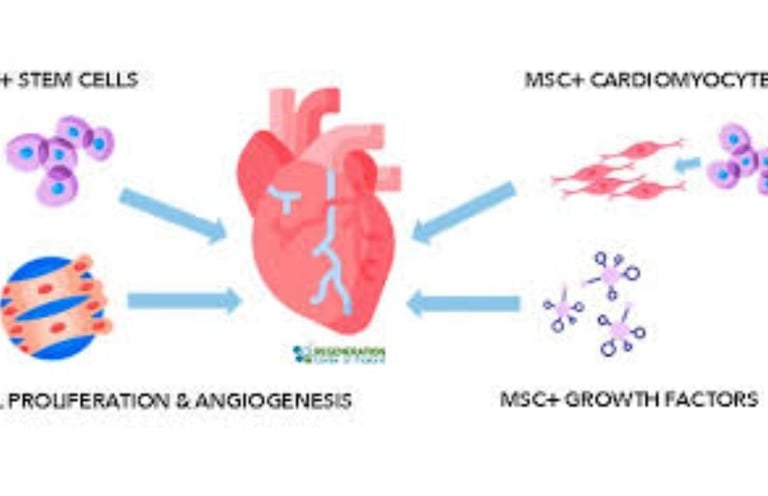
stem cells can develop into cells with a more specialized function, such as heart muscle, bone, blood and brain cells
allows them to regenerate diseased tissues and organs.
Stem cells have two main types:
Embryonic stem cells: originate from unused embryos
Embryonic stem cells are pluripotent, meaning they can divide into more stem cells or become any cell in the body
Adult stem cells: from fully developed tissues. Due to its maturity, physicians can only harvest a small number of cells
Adult stem cells also have limited capabilities in generating cell types
Why Is There Such an Interest in Stem Cells
stem cells has to do with their regenerative capabilities
researchers hope to increase understanding of how diseases occur
stem cells can be used as a form of regenerative medicine and have the potential to be grown for new tissue
Stem cells can also be test new drugs
What Diseases Can Be Cured With Stem Cells
they cure life-threatening conditions and malignancies
the diseases list treated by stem cells
Anemias
Aplastic Anemias
Blood disorders or inherited red cell abnormalities
Thalassemia Major, Pure Red Cell Aplasia and Sickle Cell Disease
Bone Marrow Cancers
Plasma Cell Leukemia, Multiple Myeloma and Waldenstrom's Macroglobulinemia
Leukemia
Acute Lymphoblastic Leukemia ALL
Acute Myelogenous Leukemia AML
Lymphoma (Hodgkin's Lymphoma)
Inherited Immune Disorders
Inherited immune and other system disorders
Inherited metabolic disorders
Inherited platelet abnormalities
Congenital Thrombocytopenia and Glanzmann Thrombasthenia
Phagocyte disorders
Solid tumors
Medulloblastoma, Retinoblastoma and Neuroblastoma
How Are Stem Cell Treatments Performed
the hip joint without making a large incision through the skin, allowing for better and faster healing
stem cells can be utilized as a viable treatment option
they can provide pain relief and tissue regeneration for
Osteonecrosis
Tendon injuries
Ligament injuries
Arthritis
Fractures
shoulder
arthritis
back pain
ms multiple sclerosis
In hip stem cell treatments
injection of a patient's own stem cells
The procedure is highly effective since the patient uses their own cells, no rejection and no infection
the patient's stem cells from their bone marrow, typically from the iliac pelvic bone
stem cells white blood cells and platelets before being re-injected directly into the damaged hip tissue to accelerate its healing
advanced and comprehensive hip stem cell treatments that promote healing of injured joints, ligaments, tendons and muscles
stem cell therapy for knees and anywhere in the body
journals
https://www.sciencedirect.com/journal/stem-cell-research/about/videos
oxford
https://academic.oup.com/pages/authoring/journals
is stem cell therapy covered by insurance
not covered its expensive
where i am found the therapy
usually in the usa china and india
alternative- the fasting
how fasting affect stem cells
stem cell regeneration fasting
long recognized that a lower caloric diet donates to durability in humans
it is now unstated that fasting can change the metabolism from using glucose as petroleum to using fatty acids
This change appears to trigger our stem cells to turn out to be lovelier and more regenerative
Regular Exercise
top 5 killing cancer food
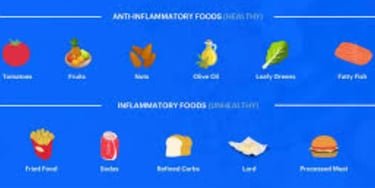
(berries, turmeric, green tea) and anti-inflammatory foods (tomatoes, olive oil, green leafy vegetables, nuts like almonds and walnuts, fatty fish like salmon) to stimulate stem cell production
how islamic fasting affect stem cells
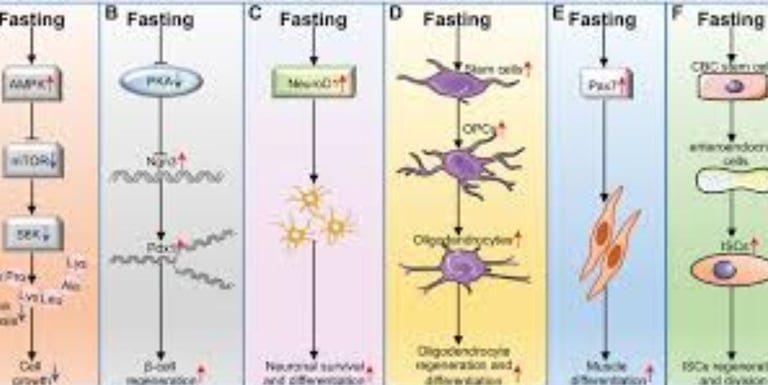
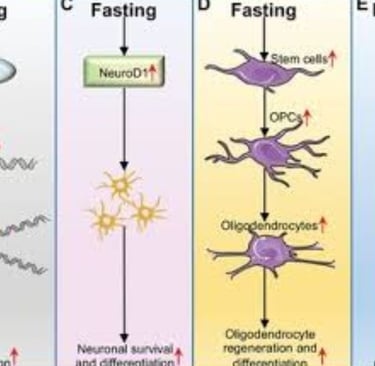
Fasting triggers stem cell regeneration of damaged, old immune system
fasting may play a role in stem cell regeneration
Fasting may improve stem cell function: the stem cells can multiply and differentiate into specialized cells more efficiently
Fasting boosts stem cells' regenerative capacity
Fasting may promote stem cell renewal: that prolonged fasting (lasting two or more days) can trigger stem cell regeneration in the immune system
Fasting triggers stem cell regeneration of damaged, old immune system
Fasting-refeeding cycles may be most beneficial that a fasting-refeeding cycle might be even more effective
enhance the regenerative potential of stem cells, particularly blood stem cells .
FastingRefeeding Paradigm Rejuvenates Old Stem Cells
https://www.youtube.com/watch?v=7UtsZJN_f2Y
https://news.mit.edu/2018/fasting-boosts-stem-cells-regenerative-capacity-0503
https://stemcell.keck.usc.edu/fasting-triggers-stem-cell-regeneration-of-damaged-old-immune-system/
https://www.dvcstem.com/post/fasting-and-stem-cells
https://www.sciencedaily.com/releases/2014/06/140605141507.htm
https://stemcellsportal.com/content/fasting-jumpstarts-stem-cell-regeneration-new-study-reveals
Fasting appears to be a promising approach to support stem cell regeneration, offering potential benefits for tissue repair and overall health.
Here's a structured summary of the key points and considerations:
Key Points:
1. Stem Cells and Their Importance:
- Stem cells are unique cells that can renew themselves and differentiate into specialized cell types, crucial for tissue and organ repair.
2. Fasting and Stem Cell Regeneration:
- Fasting may positively impact stem cell function by shifting metabolism from glucose to fatty acid utilization, potentially enhancing stem cell renewal and differentiation.
3. Types of Fasting:
- Intermittent Fasting: Such as 16/8 or 5:2 methods, which involve cycling between eating and fasting periods.
- Extended Fasting: Longer fasting periods (over 48 hours) that may have more significant effects.
- Voluntary Fasting: Self-imposed fasting periods.
4. Mechanisms:
- Metabolic Switching: Transition from glucose to fatty acid metabolism.
- Autophagy: Cellular cleanup and recycling, potentially creating a favorable environment for stem cell regeneration.
5. Potential Benefits:
- Enhanced stem cell renewal.
- Improved differentiation into specialized cells.
- Regeneration of blood stem cells.
- Better immune system regulation.
6. Risks and Considerations:
- Potential nutrient deficiencies and low blood sugar with prolonged fasting.
- Importance of consulting a healthcare professional, especially for those with health conditions.
7. Tips for Safe Incorporation:
- Start slowly and gradually increase fasting periods.
- Stay hydrated and maintain electrolyte balance.
- Seek medical advice if necessary.
8. Additional Factors Supporting Stem Cell Health:
- Nutrient-rich diet with antioxidants and anti-inflammatory foods.
- Regular exercise.
- Adequate sleep.
- Stress management techniques like meditation or yoga.
Considerations and Next Steps:
- Scientific Evidence: Further research is needed to understand the molecular mechanisms and confirm the benefits of fasting on stem cell regeneration.
- Personalization: Consider individual lifestyle, health goals, and potential risks when choosing a fasting method.
- Practical Implementation: Plan eating periods with balanced nutrition, monitor physical and psychological responses, and consider keeping a journal to track changes.
In conclusion
while fasting shows potential for enhancing stem cell regeneration, it should be approached thoughtfully, considering individual health and lifestyle.
Integrating fasting with a holistic approach to health, including a balanced diet, exercise, sleep, and stress management, may optimize its benefits.
Consulting with a healthcare professional is advisable to ensure safety and suitability.
Frequently Asked Questions about Fasting and Stem Cell Regeneration
What are stem cells and why are they important?
Stem cells are unique cells capable of self-renewal and differentiation into specialized cell types, such as heart, bone, blood, and brain cells. This ability enables them to regenerate damaged tissues and organs.How does fasting affect stem cell regeneration?
Research indicates that fasting can positively influence stem cell function by shifting metabolism from glucose utilization to fatty acid oxidation, thereby enhancing stem cell renewal. citeturn0search4What types of fasting can aid in stem cell regeneration?
Studies have explored various fasting methods impacting stem cell regeneration:Intermittent Fasting: Involves alternating periods of eating and fasting, such as the 16/8 method (16 hours fasting, 8 hours eating) and the 5:2 method (normal eating for 5 days, reduced calorie intake on 2 non-consecutive days).
Prolonged Fasting: Refers to fasting periods exceeding 48 hours.
Voluntary Fasting: Self-imposed fasting periods.
What is the mechanism by which fasting enhances stem cell regeneration?
Fasting promotes:Metabolic Shift: During fasting, the body transitions from using glucose to burning fatty acids for energy. This metabolic switch stimulates stem cells to become more regenerative. citeturn0search4
Autophagy: Fasting induces autophagy (the process of breaking down and recycling damaged cellular components), which may help reduce oxidative stress and support stem cell longevity.
What are the potential benefits of fasting on stem cell health?
Studies suggest that fasting may:Enhance the regenerative capacity of stem cells.
Improve their differentiation into specialized cells.
Stimulate the regeneration of blood stem cells.
Improve immune system regulation.
Are there any risks associated with fasting?
Potential risks include:Nutrient deficiencies and low blood sugar levels during extended fasting periods if not properly managed.
Individuals with underlying health conditions should consult a healthcare professional before starting any fasting regimen.
What are important tips for safely incorporating fasting into one's routine?
Start Gradually: If new to fasting, begin with shorter periods and gradually increase the duration.
Medical Consultation: Consult a healthcare professional if you have any health conditions, are taking medications, or are pregnant, before starting any fasting regimen.
Hydration: Maintain adequate hydration during fasting periods.
Electrolytes: Ensure sufficient intake of electrolytes, especially during longer fasting periods.
Are there other factors that can enhance stem cell health?
Yes, in addition to fasting, other factors supporting stem cell health include:Diet: Consuming foods rich in antioxidants and anti-inflammatory properties, such as berries, turmeric, green tea, tomatoes, nuts, and fatty fish.
Exercise: Regular physical activity supports stem cell health.
Adequate Sleep: Sufficient sleep is essential for overall health and stem cell production.
Stress Management: Chronic stress can negatively impact the benefits of fasting; therefore, practicing stress-reduction techniques like meditation or yoga is beneficial.
======================================================================================================================================================================================================================================================================================================================================================
🧬Fasting & Stem Cell Renewal Is Regeneration Really Possible?
🧬 Fasting & Stem Cell Renewal: Is Regeneration Really Possible? 🌙
The idea that fasting can "regenerate the body" has attracted significant scientific interest in recent years. While some claims on social media are exaggerated, research suggests that fasting may influence cellular repair processes and stem cell activity under certain conditions.
🔬 What Are Stem Cells?
Stem cells are specialized cells capable of:
Self-renewal (making more stem cells)
Developing into specialized cell types
Supporting tissue maintenance and repair
They play an important role in renewing tissues such as:
Blood and immune cells
Skin
Intestinal lining
Certain other tissues throughout the body
🌙 What Happens During Fasting?
When nutrient intake is reduced, the body shifts from a growth-focused state toward a maintenance and repair mode.
Key biological changes may include:
♻️ Increased Autophagy
Autophagy is a cellular recycling process that helps remove damaged proteins and cellular components.
🔥 Reduced Inflammatory Signaling
Fasting may decrease some inflammatory pathways associated with aging and chronic disease.
⚡ Metabolic Switching
The body shifts from primarily using glucose to utilizing stored fat and ketones for energy.
🧬 Changes in Growth Signaling
Fasting can influence pathways involving insulin, IGF-1, and mTOR, which are involved in cellular growth and repair.
🩸 Stem Cells and Fasting: What Does Research Show?
Some animal studies and early human research suggest that prolonged fasting or fasting-mimicking diets may:
Stimulate regeneration of certain immune cell populations
Promote activity of hematopoietic (blood-forming) stem cells
Enhance repair mechanisms in specific tissues
Support recovery following certain forms of physiological stress
However, important limitations remain:
❌ Most evidence comes from animal studies.
❌ Human evidence is still developing.
❌ Effects vary depending on fasting duration, age, health status, and tissue type.
⚠️ What Fasting Cannot Do
Current scientific evidence does not support claims that fasting:
Regrows entire organs.
Reverses all aspects of aging.
Cures chronic diseases.
Replaces medical treatments.
Creates unlimited tissue regeneration.
These popular claims go far beyond what has been demonstrated in human studies.
🧠 The Reality of Regeneration
The most accurate scientific conclusion is:
✅ Fasting may support natural cellular maintenance and repair mechanisms.
✅ It may influence stem cell function in certain tissues.
✅ It may help create conditions favorable for regeneration.
But:
❌ Human regeneration remains limited compared with some animals.
❌ The body's ability to rebuild tissues has biological limits.
❌ More research is needed to determine the long-term effects in humans.
🥗 Supporting Healthy Cellular Renewal
Factors associated with healthier tissue maintenance include:
Balanced nutrition
Regular physical activity
Adequate sleep
Stress management
Avoidance of smoking
Management of chronic diseases
Appropriate fasting practices when medically suitable
These habits work together to support the body's natural repair systems.
🕌 Reflection
The human body possesses remarkable capacities for healing, renewal, and adaptation. Scientific research continues to uncover how fasting influences these processes, but it is important to distinguish established findings from speculation.
"And We made from water every living thing." (Qur'an 21:30)
The body's ongoing cycles of repair and renewal are among the many signs of the complexity and resilience of life.
🌟 Key Takeaway
Is regeneration really possible? To a degree, yes. The body naturally renews many tissues throughout life, and fasting may help activate some of the biological pathways involved in repair and stem cell function. However, fasting is not a miracle cure, and current evidence does not support claims of unlimited regeneration or complete reversal of aging.
The science is promising—but it is still evolving. 🧬🌙❤️
Stem Cells- regenerative medicine,alternative- the fasting,how fasting affect stem cells,definition,Embryonic stem cells are pluripotent,Adult stem cells,pain relief and tissue regeneration,journals,how islamic fasting affect stem cells,improve stem cell function
r. Hassan Al Warraqi
Founder of H-K-E-M.com | Expert in Fasting Medicine & Regenerative Health | Medical Writer
Dr. Hassan Al Warraqi is a pioneer in the field of fasting-based healing and integrative medicine. His research and educational work focus on how voluntary fasting triggers natural processes like stem cell activation, autophagy, and tissue regeneration. Through H-K-E-M.com, Dr. Hassan helps patients and practitioners explore evidence-based methods to promote cellular repair and slow aging — naturally and safely.
🔬 Follow his work at: https://h-k-e-m.com
🧬 Can Fasting Really Trigger Stem Cell Regeneration?
Science says yes — under the right conditions.
🕊️ Prolonged or therapeutic fasting may:
✔️ Activate dormant stem cells
✔️ Enhance tissue repair
✔️ Slow aging at the cellular level
✔️ Support immune and metabolic reset
🌱 Regeneration isn’t science fiction — it’s biology, activated by fasting.
⚠️ Learn when and how to fast safely.
📖 Full article on [h-k-e-m.com]
#StemCells #FastingHealing #CellularRegeneration #Autophagy #NaturalMedicine #HKE_M #HassanAlWarraqi #LongevityScience
=========================================================================================================================================================================================================================================
🦴 Rheumatoid Arthritis (RA): A Multidisciplinary Approach 💪
What Is Rheumatoid Arthritis?
Rheumatoid Arthritis (RA) is a chronic autoimmune disease in which the immune system mistakenly attacks the lining of the joints, causing inflammation, pain, swelling, stiffness, and progressive joint damage. Unlike osteoarthritis, which primarily results from wear and tear, RA is driven by immune dysfunction and can affect multiple organs throughout the body.
RA most commonly affects:
Hands and wrists
Feet and ankles
Knees
Elbows
Shoulders
It often occurs symmetrically, meaning the same joints on both sides of the body are affected.
🔬 Understanding the Disease
In RA, the immune system targets the synovium (joint lining), leading to:
Chronic inflammation
Thickening of the synovial membrane
Cartilage destruction
Bone erosion
Joint deformity over time
Systemic inflammation may also affect:
❤️ Heart and blood vessels
🫁 Lungs
👁️ Eyes
🧠 Nervous system
🩸 Blood vessels
⚠️ Common Symptoms
Early Symptoms
Morning stiffness lasting more than 30 minutes
Fatigue and weakness
Joint pain and tenderness
Mild swelling
Low-grade fever
Advanced Symptoms
Persistent joint swelling
Reduced mobility
Joint deformities
Muscle loss
Chronic fatigue
👨⚕️ The Multidisciplinary Team
Successful RA management often requires collaboration among multiple healthcare professionals.
🩺 Rheumatologist
The primary specialist responsible for:
Diagnosis
Medication management
Monitoring disease activity
🏥 Primary Care Physician
Coordinates overall health management and preventive care.
🏃 Physical Therapist
Helps maintain:
Joint flexibility
Muscle strength
Mobility
Balance
✋ Occupational Therapist
Assists with:
Joint protection techniques
Adaptive devices
Daily activity modifications
🥗 Dietitian
Provides nutritional guidance to support:
Healthy weight
Cardiovascular health
Anti-inflammatory dietary patterns
🧠 Mental Health Professional
Addresses:
Anxiety
Depression
Chronic pain coping strategies
💊 Medical Treatment
Modern RA treatment focuses on controlling inflammation early to prevent permanent joint damage.
Disease-Modifying Antirheumatic Drugs (DMARDs)
Examples include:
Methotrexate
Sulfasalazine
Hydroxychloroquine
Biologic Therapies
Examples include:
Adalimumab
Etanercept
Rituximab
Other Medications
Nonsteroidal anti-inflammatory drugs (NSAIDs)
Corticosteroids for short-term control
🥗 Nutrition and Lifestyle
Although diet cannot cure RA, healthy habits can help reduce inflammation and improve overall health.
Helpful Dietary Patterns
Mediterranean-style diet
Fruits and vegetables
Whole grains
Fish rich in omega-3 fatty acids
Nuts and olive oil
Lifestyle Measures
✅ Regular physical activity
✅ Adequate sleep
✅ Stress management
✅ Smoking cessation
✅ Weight management
🌙 Fasting and Rheumatoid Arthritis
Some studies suggest that carefully supervised fasting may temporarily reduce inflammatory markers and improve symptoms in certain individuals with RA. Benefits may be related to:
Reduced inflammatory signaling
Improved insulin sensitivity
Changes in immune cell activity
However:
Fasting is not a replacement for medical treatment.
Responses vary among individuals.
Patients taking medications should consult their healthcare provider before major dietary changes.
🐝 Bee Venom Therapy and RA
Bee venom therapy has been investigated as a complementary approach due to its anti-inflammatory compounds such as melittin.
Research findings:
Some small studies report pain reduction and symptom improvement.
Evidence remains limited and inconsistent.
Serious allergic reactions, including anaphylaxis, can occur.
Therefore, bee venom therapy should not replace evidence-based RA treatment and should only be considered under qualified medical supervision.
🕌 A Holistic Perspective
Living with RA requires attention to physical, emotional, and spiritual well-being.
Many patients benefit from:
Strong family and social support
Regular physical activity
Balanced nutrition
Adherence to treatment
Patience and perseverance during disease flares
🌟 Key Takeaway
Rheumatoid Arthritis is a complex autoimmune disease that requires a multidisciplinary approach involving medical treatment, rehabilitation, nutrition, mental health support, and healthy lifestyle habits.
Early diagnosis and appropriate therapy can:
Reduce pain
Prevent joint damage
Preserve function
Improve quality of life
With modern treatments and comprehensive care, many people with RA are able to lead active, productive, and fulfilling lives. 💪🦴🌿



Get in touch
Address
Cairo Al Rehab
Contacts
+20 109 405 2056
hassanalwarraqi@h-k-e-m.com