
Health is a crown on the heads of the healthy that only the sick can see.



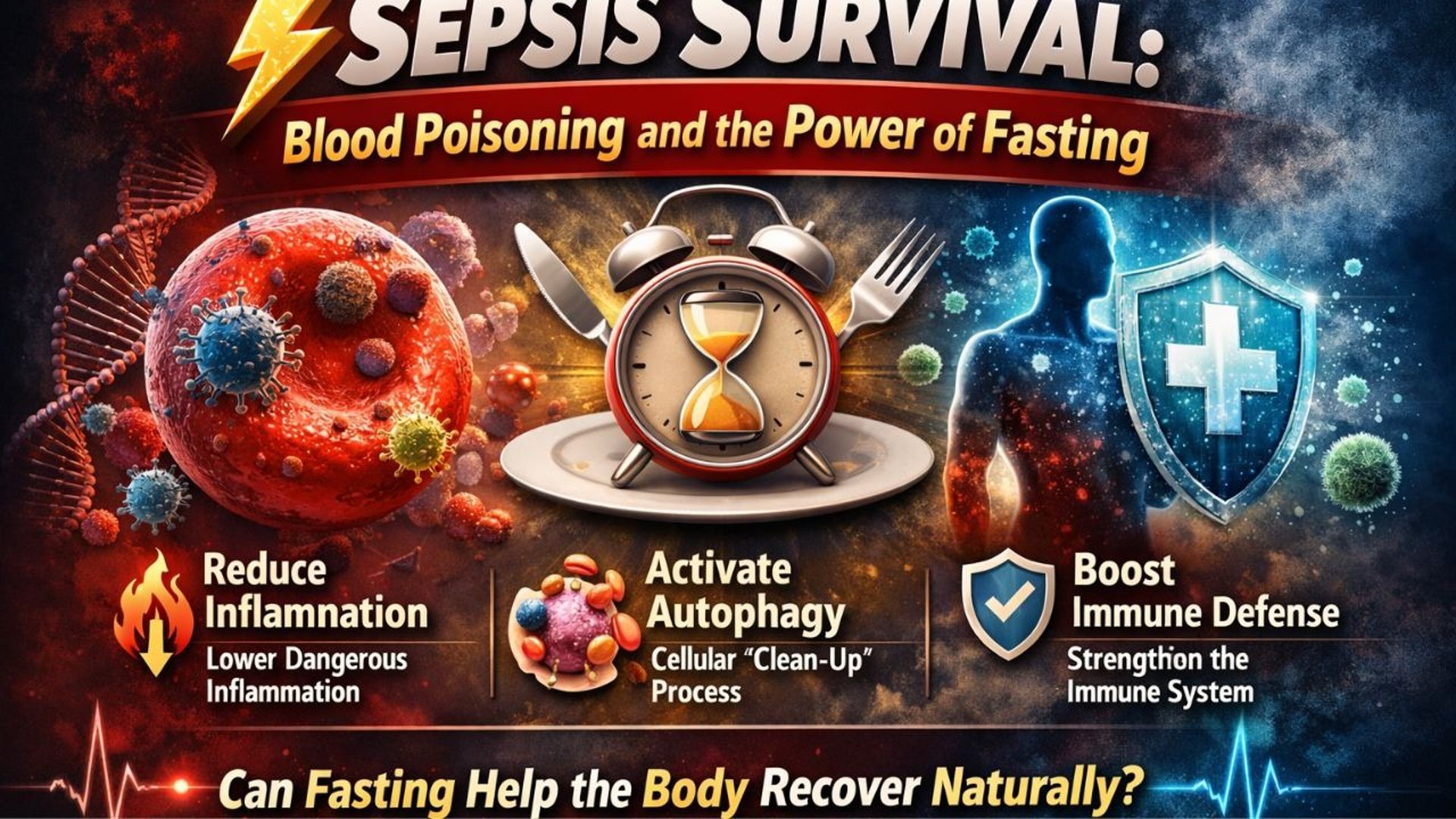
⚡ Sepsis Survival : Blood Poisoning and the Power of Fasting
New scientific insights suggest therapeutic fasting may help reduce inflammation, activate autophagy, and support immune system recovery naturally
FASTINGGENERAL SEPSIS
Dr Hassan AlWarraqi
2/24/202614 min read
⚡ Sepsis Survival : Blood Poisoning and the Power of Fasting
Sepsis is a life-threatening blood poisoning caused by an extreme immune response. New scientific insights suggest therapeutic fasting may help reduce inflammation, activate autophagy, and support immune system recovery naturally. Discover the science, benefits, and risks.
Fasting and Sepsis: What the Latest Research Says About Metabolic Strategies in Critical Care
Sepsis — commonly known as blood poisoning — is one of the most life-threatening medical emergencies a person can face.
It triggers a cascade of immune responses, organ stress, and metabolic upheaval that challenges even the most experienced critical care teams.
One question increasingly surfacing in medical research is whether fasting, or strategies that mimic fasting metabolism, could play a protective role during bacterial sepsis.
The answer is nuanced, evolving, and critically important to understand correctly.
What Happens Metabolically During Sepsis?
When sepsis takes hold, the body shifts into a hypermetabolic state.
Energy demands skyrocket as the immune system wages war against infection.
To meet these demands, the body begins breaking down muscle tissue and fat — a process called catabolism — to fuel vital functions.
This is why sepsis patients can lose significant muscle mass in a matter of days, prolonging their recovery, increasing their risk of complications like prolonged mechanical ventilation, and extending ICU stays.
Understanding this metabolic backdrop is essential before exploring any nutritional strategy in sepsis care.
Why Absolute or Prolonged Fasting Is Dangerous in Sepsis
Let's be unambiguous on this point: outright fasting during sepsis is not safe and should never be attempted outside of a controlled clinical environment.
Major critical care guidelines — including those from the European Society for Clinical Nutrition and Metabolism (ESPEN), the Society of Critical Care Medicine and American Society for Parenteral and Enteral Nutrition (SCCM/ASPEN), and the Surviving Sepsis Campaign — universally emphasize early enteral nutrition (feeding via the gut, preferred over intravenous nutrition) once a patient is hemodynamically stabilized, typically within 24 to 48 hours of ICU admission.
The reasons are compelling.
Without adequate nutrition during sepsis, patients face rapid and severe muscle wasting, delayed wound healing, compromised immune function, and an increased risk of organ failure.
Any brief delay in feeding during the acute stabilization phase — particularly in septic shock, when gut blood flow may be compromised — is a calculated clinical decision made to avoid complications like gut ischemia, not a therapeutic choice to induce a fasted state.
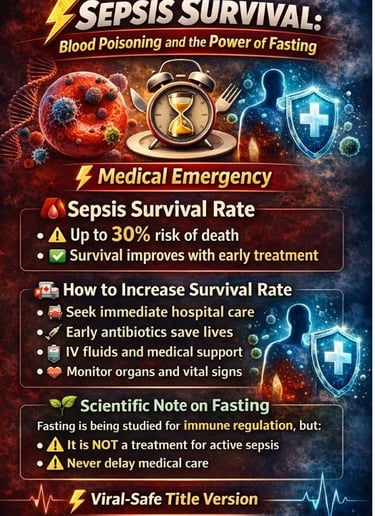
If sepsis is suspected, seek emergency medical care immediately. Do not attempt fasting at home.
The Emerging Science: When Fasting-Like Metabolism May Actually Help
Here is where the science becomes genuinely fascinating — and where the traditional view is being carefully re-examined.
A growing body of preclinical research and early clinical data suggests that certain aspects of fasting metabolism may be inherently protective during bacterial sepsis.
This isn't about starving the body; it's about what happens when the body naturally shifts away from glucose-dependent energy metabolism toward burning fatty acids and producing ketone bodies.
Disease Tolerance vs. Pathogen Elimination
Researchers have begun distinguishing between two immune strategies the body can deploy: resistance (directly fighting the pathogen) and disease tolerance (protecting tissues from the damaging effects of inflammation).
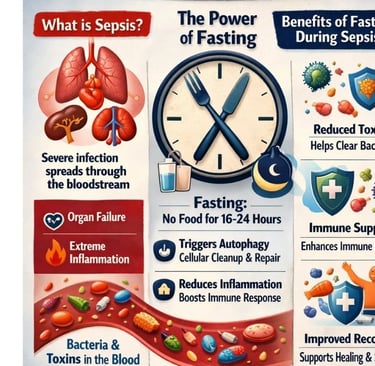
Fasting-like metabolic states appear to enhance disease tolerance — helping organs like the brain, kidneys, and heart withstand the oxidative stress and inflammatory damage that sepsis causes.
Ketone bodies, produced when the body burns fat in the absence of sufficient glucose, have shown particular promise.
They can reduce reactive oxygen species (ROS)-induced cellular damage, enhance autophagy (the cellular "self-cleaning" process that removes damaged components), and provide an alternative energy substrate to glucose for certain stressed tissues.
The Problem with Forced Glucose Loading
One counterintuitive finding from preclinical models is that aggressively supplementing glucose during bacterial sepsis may actually suppress these protective pathways.
Studies have shown that infection-induced anorexia — the natural loss of appetite that accompanies illness — may serve a biological purpose in bacterial infections, and that overriding it with high-carbohydrate feeds could blunt the body's adaptive metabolic response.
This does not mean clinicians should withhold nutrition.
It does suggest that the composition and timing of nutrition in sepsis may matter as much as the quantity — a subtle but important distinction that is reshaping nutritional research in critical care.
It's also worth noting that this metabolic dynamic appears to be specific to bacterial sepsis.
Evidence for similar benefits in viral infections or other forms of sepsis is less clear, highlighting how context-dependent these findings truly are.
Intermittent Feeding: The Strategy Bridging Both Worlds
Rather than choosing between fasting and continuous feeding, researchers are now exploring a middle path: intermittent enteral nutrition — also called cyclic or bolus feeding — in ICU settings.
The concept involves providing nutrition in scheduled intervals rather than continuously around the clock, often incorporating planned "rest" periods, typically overnight.
The potential benefits are several:
Mimicking natural fasting cycles to preserve autophagy and metabolic flexibility without depriving patients of needed calories
Improving insulin sensitivity, since continuous carbohydrate delivery can drive persistent hyperglycemia and insulin resistance
Supporting gut health by allowing the gastrointestinal tract periods of rest, which may improve motility and reduce complications like feeding intolerance
Aligning with circadian biology, as continuous overnight feeding disrupts natural hormonal rhythms that influence metabolism and immune function
Multiple clinical trials and meta-analyses published between 2023 and 2026 have compared intermittent versus continuous enteral nutrition in critically ill patients,
including those with sepsis and septic shock. Several have demonstrated comparable safety profiles, and some suggest advantages in feeding tolerance or speed of reaching nutritional goals.
Ongoing protocols are testing these approaches specifically in mechanically ventilated septic shock patients.
The evidence is promising but not yet practice-changing.
No major guideline currently recommends intermittent feeding as standard care.
These remain closely monitored, ICU-only strategies — not something to replicate outside a hospital setting.
Traditional View vs. Emerging Research: A Side-by-Side Comparison
The evolution in thinking around sepsis nutrition can be summarized along several dimensions:
Sepsis metabolism was traditionally viewed as a harmful state requiring correction through aggressive nutritional support.
Emerging research recognizes that some metabolic shifts — particularly toward fat oxidation and ketone production — may represent adaptive, protective responses worth preserving rather than overriding.
Absolute fasting remains dangerous and is not recommended by either traditional or emerging perspectives.
The difference lies in nuance: emerging science explains why it's harmful (prolonged catabolism in a high-demand state) while also illuminating why the body might naturally reduce appetite (protective fasting-like signaling).
Fasting-like metabolic states were historically avoided through continuous nutritional support.
Current research suggests these states may confer meaningful organ protection in bacterial sepsis, prompting investigation into how to harness them safely.
Feeding approach has traditionally centered on early, continuous enteral nutrition to meet caloric and protein targets.
Emerging protocols are exploring whether intermittent or cyclic feeding can deliver equivalent nutrition while preserving beneficial metabolic signals.
Glucose management has long focused on tight glycemic control through insulin.
Newer perspectives add a complementary concern: limiting excess carbohydrate delivery itself, to avoid suppressing fat-burning pathways that may support organ resilience.
What This Means for Patients and Families
If you or someone you love is dealing with sepsis, the most important message is this: sepsis is a medical emergency requiring immediate hospital care.
Nutrition decisions in sepsis are made by specialized ICU teams who monitor patients continuously and adjust interventions in real time.
There is no safe way to replicate these strategies at home.
For healthcare professionals and researchers, the emerging science points toward a more individualized, metabolically informed approach to nutrition in sepsis — one that respects the body's adaptive responses while ensuring patients receive the energy and protein they need to recover.
The Bottom Line
The relationship between fasting metabolism and sepsis outcomes is one of the more intellectually rich frontiers in critical care medicine.
Decades of guidelines built on the principle of "feed early and consistently" are now being refined — not overturned — by a deeper understanding of how bacterial infection reshapes metabolism, and how certain fasting-like states may help tissues survive the storm.
Intermittent feeding protocols represent the practical translation of this science, offering a way to preserve protective metabolic signals within a safe nutritional framework.
Whether this approach becomes standard practice will depend on the results of ongoing trials.
Until then, the guiding principle remains: early, individualized, gut-based nutrition, delivered by a critical care team, is the cornerstone of sepsis management.
Does Fasting Have a Role in Common Infections and Inflammatory Conditions?
Tonsillitis
Short answer: No therapeutic fasting, but reduced oral intake is common and manageable.
Tonsillitis — inflammation of the tonsils, usually bacterial (Group A Streptococcus) or viral — is painful enough that most patients naturally reduce their food intake simply because swallowing hurts.
This is not therapeutic fasting; it is symptom-driven reduced intake.
There is no clinical evidence that fasting accelerates recovery from tonsillitis.
The priorities are hydration, appropriate antibiotics if bacterial, and pain management. Cold soft foods like ice cream or yogurt are actually encouraged in many cases because they soothe inflamed tissue and encourage caloric intake.
In recurrent or chronic tonsillitis leading to tonsillectomy, brief pre-operative fasting is required for anesthesia safety — but again, this is procedural, not therapeutic.
The fasting-metabolism research discussed in sepsis context does not currently extend to localized upper respiratory infections like tonsillitis in any meaningful clinical way.
Osteomyelitis
Short answer: Fasting plays no therapeutic role; aggressive nutritional support is critical.
Osteomyelitis is a serious bacterial infection of bone tissue — often caused by Staphylococcus aureus — that can be acute or chronic.
It is treated with prolonged courses of antibiotics, sometimes surgical debridement, and increasingly in severe cases, hospitalization.
Nutritional support is actually a cornerstone of osteomyelitis management, particularly in chronic cases.
The reasons are significant.
Bone healing and immune function both require adequate protein, calcium, vitamin D, and micronutrients.
Patients with osteomyelitis are often already nutritionally compromised — especially diabetic patients, those with peripheral vascular disease, or patients who developed it as a complication of a pressure injury or open fracture.
Fasting or caloric restriction in this context would actively impair bone repair mechanisms, reduce immune competence, and prolong recovery.
There is no clinical or preclinical literature suggesting a fasting benefit specific to bone infections.
Pancreatitis
Short answer: This is the most nuanced case — fasting has historically been standard, but this is being actively reconsidered.
Pancreatitis is arguably the condition where the fasting question is most clinically relevant and scientifically interesting.
The Traditional Approach — "Resting the Pancreas"
For decades, the standard management of acute pancreatitis included keeping patients nil by mouth (NPO) — no food or drink — based on the rationale that eating stimulates pancreatic enzyme secretion, which would worsen inflammation and self-digestion of the pancreas (a process called autodigestion).
This was almost universal practice, particularly in moderate to severe cases.
What the Evidence Now Shows
This traditional view has been substantially revised.
Current evidence and major guidelines — including from the American College of Gastroenterology and the International Association of Pancreatology — now recommend early oral or enteral feeding in acute pancreatitis, even in moderately severe cases, for several reasons:
The gut becomes highly permeable during pancreatitis, allowing bacteria to translocate from the intestine into the bloodstream — a process that can convert sterile pancreatitis into infected necrotizing pancreatitis, one of the most dangerous complications.
Early enteral feeding helps maintain the gut barrier and significantly reduces this risk.
Prolonged fasting in pancreatitis leads to villous atrophy in the gut lining, worsened systemic inflammation, increased infection rates, and longer hospital stays.
Multiple randomized controlled trials have shown that early oral feeding — even a soft or low-fat diet within 24 hours in mild cases — is safe, reduces complications, and accelerates recovery compared to prolonged fasting.
Where Fasting-Like Metabolism Might Still Be Relevant
In severe acute pancreatitis with ileus (when the gut stops working), full enteral nutrition via nasojejunal tube (bypassing the stomach and proximal intestine) is preferred over parenteral nutrition, and full oral intake is appropriately delayed — but this is a functional limitation, not therapeutic fasting.
Even here, some form of gut feeding is preferred.
The theoretical overlap with fasting metabolism research is interesting — autophagy, for instance, plays a complex dual role in pancreatitis, sometimes being protective in early phases and potentially harmful if dysregulated.
This is an active research area but has not yet translated into any clinical fasting recommendation.
Chronic pancreatitis presents yet another picture: these patients often develop malnutrition, fat malabsorption, and diabetes. Nutritional optimization is essential; fasting is counterproductive.
Other Relevant Conditions Worth Considering
Appendicitis
Pre-operative fasting is standard and necessary before surgical removal, but this is purely procedural.
Post-operatively, early feeding within hours of uncomplicated appendectomy is now standard and associated with faster recovery.
No therapeutic fasting role exists here.
Cholecystitis (Gallbladder Inflammation)
Similar to pancreatitis, acute cholecystitis traditionally involved keeping patients NPO to "rest" the biliary system.
Current evidence favors early surgery (within 24–72 hours) and does not support prolonged therapeutic fasting.
Pre-operative fasting is required for anesthesia, nothing more.
Pyelonephritis (Kidney Infection)
A serious bacterial infection of the kidney requiring antibiotics, often IV. Hydration is critical — the exact opposite of fasting.
Adequate fluid intake helps flush the urinary tract and prevent renal complications.
Nutritional support is maintained normally.
Cellulitis and Soft Tissue Infections
Bacterial skin and soft tissue infections require antibiotics and sometimes surgical drainage.
Nutrition supports immune function and tissue repair.
No fasting role exists.
Infective Endocarditis
A serious infection of the heart valves requiring prolonged IV antibiotics and sometimes cardiac surgery.
These patients are often severely ill and nutritionally depleted.
Aggressive nutritional support is a priority.
Fasting would be actively harmful.
Synthesizing the Picture
Across these conditions, a consistent pattern emerges.
The role of fasting — or fasting-like metabolism — is most theoretically plausible in conditions involving:
Systemic bacterial infections with significant inflammatory burden, where disease tolerance mechanisms (like those seen in sepsis research) might be relevant.
Conditions with gut involvement, where the interplay between enteral nutrition, gut barrier integrity, and immune response is direct and well-studied, as in pancreatitis.
In conditions that are localized (tonsillitis, osteomyelitis, cellulitis), nutritional support consistently dominates as the correct strategy because tissue repair, immune cell production, and antibiotic metabolism all depend on adequate nutrition.
The emerging fasting metabolism research — however intellectually compelling — has not yet produced clinical protocols for any of these specific conditions.
The closest it comes to clinical relevance is in the revision of pancreatitis management (away from prolonged NPO) and in the ICU-based intermittent feeding trials for sepsis.
Practical Summary
ConditionFasting
RoleCurrent Recommended ApproachTonsillitis
None therapeuticHydration, antibiotics if bacterial, soft foodsOsteomyelitis NoneNutritional optimization; supports bone healing and immunityAcute Pancreatitis (mild)Historically yes, now noEarly oral feeding within 24 hours if toleratedAcute Pancreatitis (severe)Limited/proceduralEarly nasojejunal tube feeding; parenteral if gut failsChronic PancreatitisNoneNutritional rehabilitation; enzyme replacementAppendicitisPre-op onlyEarly post-operative
feedingCholecystitisPre-op onlyEarly surgery; no prolonged fastingPyelonephritisNoneAggressive hydration; maintain normal nutritionCellulitisNoneAntibiotics; support nutrition for tissue repairEndocarditisNoneNutritional support throughout prolonged treatment
This content is educational and based on current clinical evidence and guidelines. It does not constitute medical advice. Always consult a qualified healthcare provider for diagnosis and treatment decisions.
This article is intended for educational purposes and reflects current research literature. It is not medical advice. Sepsis is a life-threatening emergency — if you suspect sepsis in yourself or another person, call emergency services immediately.
Dr. Hassan Al-Warraqi advises fasting
as much as possible while you are ill, and to continue fasting every day until you recover.
You will not regret it.
I wish you a full recovery.
Frequently Asked Questions: Fasting and Sepsis
What is sepsis and why is it a medical emergency?
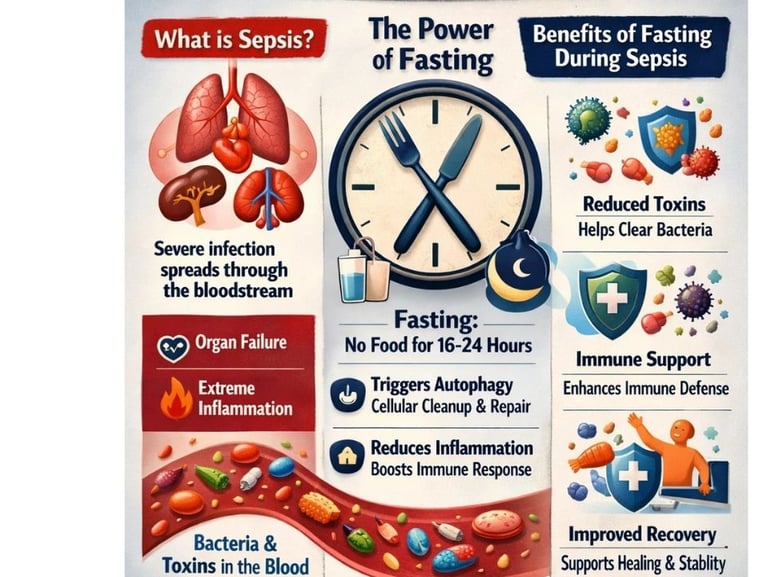
Sepsis is the body's life-threatening response to an infection, in which the immune system begins damaging its own tissues and organs rather than just fighting the pathogen.
It can progress to septic shock — a state of dangerously low blood pressure and organ failure — within hours.
It requires immediate emergency care because delays in treatment significantly increase the risk of death.
It is sometimes called blood poisoning, though that term is not technically precise.
Can I fast at home if I think I have sepsis?
No.
This cannot be emphasized strongly enough. If you suspect sepsis — symptoms include high or low fever, rapid heart rate, confusion, difficulty breathing, and extreme weakness — call emergency services immediately.
Fasting at home is not a treatment strategy for sepsis and could be life-threatening.
The energy demands during sepsis are enormous, and the body cannot safely go without nutritional support outside of a closely monitored clinical environment.
Why do doctors feed sepsis patients so early in their hospital stay?
Major international guidelines recommend beginning enteral nutrition (feeding through the gut) within 24 to 48 hours of ICU admission once a patient is stable.
This is because sepsis drives rapid muscle breakdown, and without nutritional support, patients can lose significant muscle mass in days.
Early feeding helps preserve muscle, support immune function, protect the gut lining, and improve recovery outcomes.
It is one of the most well-established interventions in critical care nutrition.
If fasting is dangerous, why are researchers interested in it at all?
The interest is not in fasting itself but in certain metabolic shifts that naturally accompany a fasted state — particularly the transition from burning glucose to burning fat and producing ketone bodies.
Preclinical studies suggest these shifts may help organs tolerate the intense inflammation and oxidative stress of bacterial sepsis, a concept researchers call "disease tolerance.
" The goal is to understand whether some of these protective effects can be preserved or harnessed safely within a properly fed patient, not to advocate for going without food.
What are ketone bodies and why do they matter in sepsis?
Ketone bodies are molecules produced by the liver when the body breaks down fat for energy, typically during fasting or low-carbohydrate states.
In the context of sepsis research, they have attracted attention because they can reduce oxidative cellular damage, support the brain and kidneys with an alternative fuel source,
and promote autophagy — the process by which cells break down and recycle damaged components.
Some researchers believe ketone production during bacterial sepsis may be part of a natural protective response rather than simply a sign of metabolic stress.
What is "disease tolerance" and how does it relate to fasting metabolism?
Disease tolerance is the body's strategy of protecting its own tissues from the collateral damage of a strong immune response, as opposed to resistance, which focuses on directly eliminating the pathogen. Fasting-like metabolism appears to enhance disease tolerance by reducing inflammation-related tissue injury and shielding vital organs.
This is a relatively new framework in immunology and is helping researchers think about nutrition in sepsis in a more nuanced way.
Is infection-induced loss of appetite actually protective?
This is one of the more surprising findings in recent research.
Some animal studies suggest that the anorexia — loss of appetite — that naturally accompanies bacterial infection may serve a biological purpose, helping shift the body into a metabolic state that supports disease tolerance.
Forcibly overriding this with aggressive glucose supplementation appeared harmful in some models.
However, this does not mean that appetite loss in human sepsis patients should go unaddressed.
The clinical context is far more complex, and nutrition must be carefully managed by medical teams.
Does fasting metabolism help with all types of sepsis?
No,
and this distinction is important.
The protective effects of fasting-like metabolism described in research appear to be specific to bacterial sepsis.
Evidence for similar benefits in viral infections or other inflammatory states is much less clear. This context-specificity is one reason why researchers are cautious about drawing broad conclusions, and why any future nutritional protocols would need to account for the type and source of infection.
What is intermittent enteral feeding and how is it different from standard practice?
Standard ICU practice typically involves continuous enteral nutrition — a steady, around-the-clock delivery of nutrients through a feeding tube — to meet daily caloric and protein targets.
Intermittent or cyclic enteral feeding delivers the same nutrition in scheduled intervals with planned rest periods, often overnight.
The idea is to mimic the natural fasting and feeding rhythm of healthy eating, which may preserve some of the metabolic benefits associated with fasting — such as autophagy activation and improved insulin sensitivity — while still meeting the patient's nutritional needs.
Is intermittent feeding currently recommended for sepsis patients?
Not yet as a standard recommendation.
While several clinical trials and meta-analyses from 2023 to 2026 have compared intermittent and continuous enteral nutrition in critically ill patients — including those with sepsis — the results are promising but not definitive enough to change existing guidelines.
Some studies show similar safety and tolerance; others point to potential benefits in specific outcomes.
This remains an active area of clinical research and is currently an ICU-only, closely monitored strategy.
Could eating too many carbohydrates actually make sepsis worse?
Some preclinical evidence suggests that excessive glucose delivery during bacterial sepsis may suppress the fat-burning, ketone-producing pathways that appear to offer organ protection.
This has led researchers to question whether the composition of nutrition — not just the total calories — matters in sepsis care.
The emerging view is that limiting excess carbohydrate intake while ensuring adequate overall nutrition may be worth investigating further.
However, this is still a research question, not a clinical directive, and any dietary adjustments in a sepsis patient must be managed by the treating medical team.
What should I actually do if I or someone I know develops sepsis?
Call emergency services immediately.
Sepsis can deteriorate rapidly, and the most effective interventions — intravenous antibiotics, fluid resuscitation, and organ support — must be delivered in a hospital setting.
Time is critical.
Do not attempt home remedies, dietary changes, or fasting.
Once in hospital, the ICU team will manage all nutritional decisions based on the patient's condition, comorbidities, and the latest clinical evidence.
These FAQs are for educational purposes only and do not constitute medical advice. Sepsis is a medical emergency — always contact emergency services if sepsis is suspected.
============================================================================================================================================
⚡ Sepsis Survival: Blood Poisoning and the Power of Fasting
https://www.h-k-e-m.com/-sepsis-survival-blood-poisoning-and-the-power-of-fasting
sepsis, blood poisoning, sepsis treatment, fasting and sepsis, therapeutic fasting, immune system reset, inflammation reduction, autophagy fasting, healing with fasting, sepsis recovery, natural healing, medical fasting benefits
#Sepsis #BloodPoisoning #Fasting #TherapeuticFasting #Autophagy #ImmuneSystem #Inflammation #MedicalFasting #NaturalHealing #HealthScience #CellularHealing #HealthInfographic
============================================================================================================================================

Get in touch
Address
Cairo Al Rehab
Contacts
+20 109 405 2056
hassanalwarraqi@h-k-e-m.com