Health is a crown on the heads of the healthy that only the sick can see.



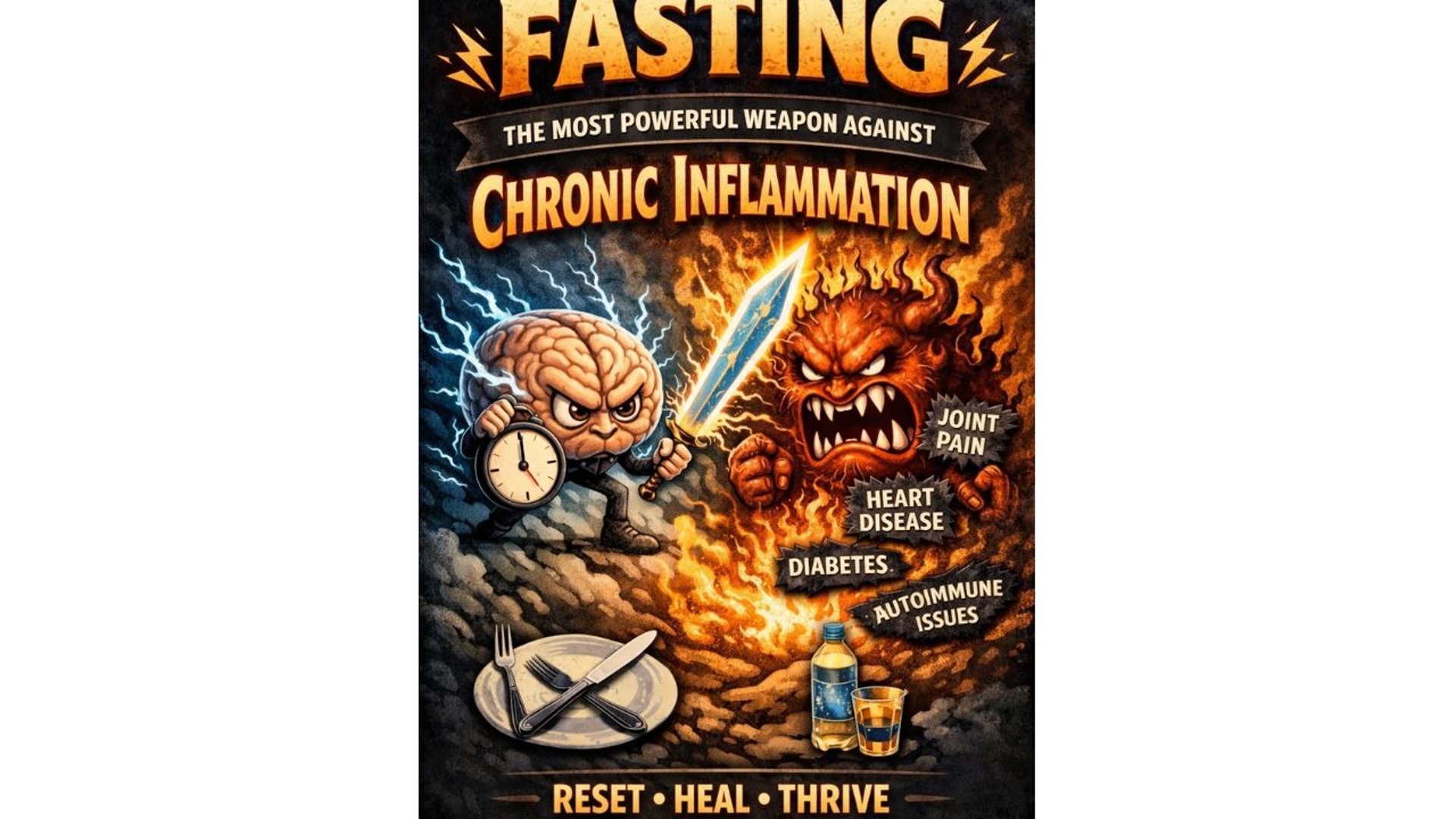
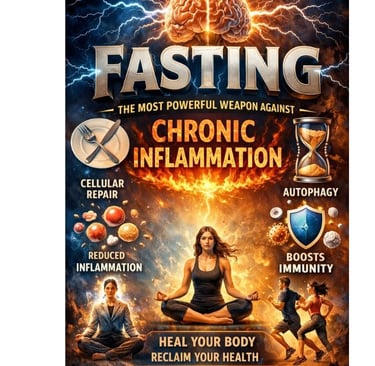
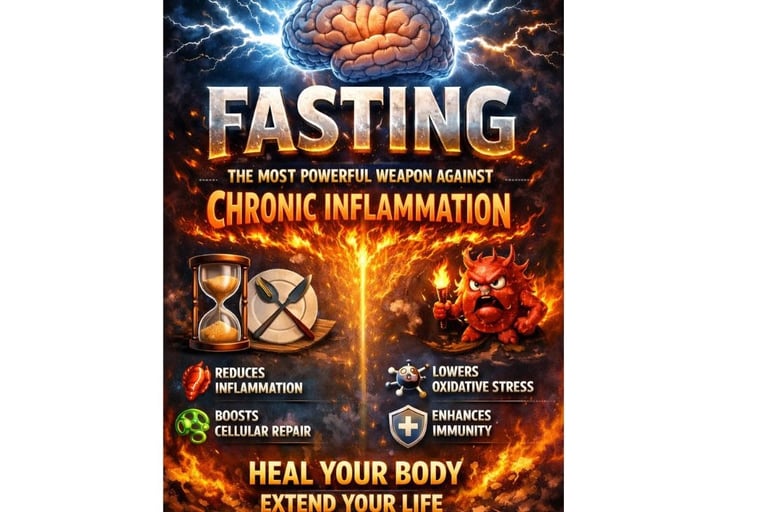
🧠⚡ Fasting : The Most Powerful Weapon Against Chronic Inflammation
Discover how fasting reduces chronic inflammation, activates autophagy, lowers insulin, and helps prevent heart disease, diabetes, and aging naturally.
FASTINGGENERAL CHRONIC INFLAMATION
Dr Hassan Al Warraqi
2/26/20269 min read
🧠⚡ Fasting : The Most Powerful Weapon Against Chronic Inflammation
Discover how fasting reduces chronic inflammation, activates autophagy, lowers insulin, and helps prevent heart disease, diabetes, and aging naturally.
Chronic inflammation is now recognized as one of the central mechanisms behind modern chronic diseases.
Unlike acute inflammation — which is protective and temporary — chronic inflammation is silent, persistent, and destructive, often progressing for years without obvious symptoms.
Understanding how fasting, nutrition, lab markers, supplements, and stress interact gives you powerful tools to reduce inflammation at its root.
What Is Chronic Inflammation?
Acute inflammation is your body's natural healing response to injury, infection, or toxins.
It activates immune cells, clears damaged tissue, and then shuts off.
Chronic inflammation, however, is different.
It occurs when the immune system remains continuously activated, even when there is no immediate threat.
Over time, this creates:
Cellular damage
Mitochondrial dysfunction
Hormonal disruption
Accelerated aging
Chronic inflammation is strongly linked to:
Heart disease
Type 2 diabetes
Alzheimer's disease
Autoimmune disorders
Cancer
Obesity
Depression
The most dangerous aspect is that it often produces no symptoms until disease develops.
Why Intermittent Fasting Works Against Inflammation
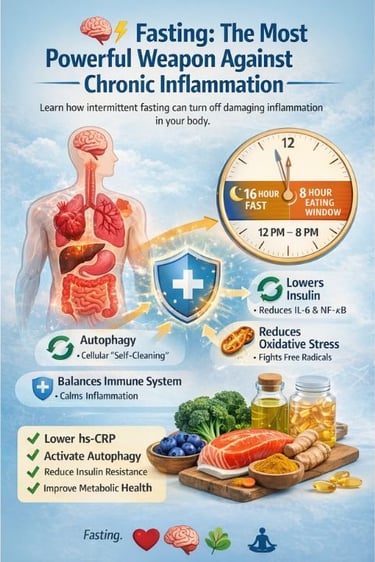
The 16:8 intermittent fasting method (fasting 16 hours, eating within 8 hours) directly targets the biological drivers of inflammation.
1. Insulin Reduction
After 12–16 hours of fasting, insulin levels drop significantly.
High insulin promotes inflammatory signaling molecules called:
IL-6
TNF-alpha
NF-κB
Lower insulin reduces these inflammatory triggers.
Chronically elevated insulin — caused by frequent eating and refined carbohydrates — is one of the primary drivers of metabolic inflammation.
Fasting breaks this cycle.
2. Activation of Autophagy
Fasting activates autophagy, the body's cellular repair process.
Autophagy:
Removes damaged cell parts
Eliminates dysfunctional mitochondria
Clears inflammatory debris
Supports cellular regeneration
This process is essential for reducing inflammation and slowing aging.
3. Reduction in Oxidative Stress
Fasting improves mitochondrial efficiency and reduces free radical production, lowering oxidative damage that drives inflammation.
Top Anti-Inflammatory Foods
These foods directly interfere with inflammatory pathways.
Wild-Caught Salmon and Sardines
Contain EPA and DHA omega-3 fatty acids.
These produce specialized anti-inflammatory molecules called:
Resolvins
Protectins
These actively switch inflammation off.
Extra Virgin Olive Oil
Contains oleocanthal, a natural anti-inflammatory compound.
It works similarly to ibuprofen by inhibiting:
COX-1
COX-2
But without the harmful side effects.
Broccoli and Arugula
Contain sulforaphane.
Sulforaphane activates:
Nrf2 — the body's master antioxidant system
This reduces inflammation at the genetic level.
Blueberries
Rich in anthocyanins and polyphenols.
These reduce activation of:
NF-κB — one of the main inflammatory switches
Frozen blueberries are equally effective.
Ginger and Turmeric
Contain:
Gingerols
Curcumin
These compounds reduce inflammatory cytokines and oxidative stress.
Fresh forms are more bioavailable.
Lab Tests That Reveal Hidden Inflammation
Standard blood tests often miss chronic inflammation.
These are the most important markers:
hs-CRP (High Sensitivity C-Reactive Protein)
Gold standard marker.
Levels:
Under 1.0 mg/L → Low inflammation
1.0–3.0 mg/L → Moderate
Above 3.0 mg/L → High inflammation
Improves within weeks of lifestyle change.
Fasting Insulin
Most overlooked marker.
Optimal level:
Under 5 µIU/mL
Above 10 suggests:
Insulin resistance
Chronic inflammation
Even if glucose appears normal.
Triglyceride to HDL Ratio
Simple but powerful marker.
Optimal ratio:
Under 2
High ratio indicates metabolic inflammation and insulin resistance.
Supplements With Strong Scientific Evidence
These supplements directly lower inflammatory markers.
Omega-3 (EPA/DHA)
Most effective anti-inflammatory supplement.
Dose:
2–4 grams daily
Benefits:
Reduces hs-CRP
Lowers triglycerides
Improves brain function
Curcumin (With Piperine)
Curcumin alone absorbs poorly.
Piperine increases absorption by up to 2000%.
Dose:
500–1000 mg daily
Reduces:
CRP
IL-6
Joint inflammation
Magnesium (Glycinate or Malate)
Supports:
Nervous system
Sleep
Cortisol regulation
Dose:
300–400 mg before sleep
Low magnesium is strongly linked to inflammation.
Vitamin D3 With K2
Optimal blood level:
50–70 ng/mL
Supports:
Immune balance
Reduces inflammatory signaling
K2 helps regulate calcium properly.
The Missing Link: Stress and Cortisol
Chronic psychological stress is one of the most powerful inflammation triggers.
Cortisol initially reduces inflammation.
But when elevated long-term, immune cells become resistant.
This leads to:
Increased IL-6
Increased TNF-alpha
Persistent inflammation
This mechanism is similar to insulin resistance.
How to Lower Cortisol Naturally
Morning Light Exposure
10–15 minutes of sunlight after waking helps regulate cortisol rhythm.
This improves sleep and reduces inflammation.
Walking
Your 20-minute daily walk lowers cortisol and inflammatory markers.
Movement is one of the most powerful anti-inflammatory tools.
Reduce Night-Time Stimulation
Avoid screens and stress 1 hour before bed.
Late cortisol elevation disrupts recovery.
Ashwagandha Supplement
One of the few supplements proven to lower cortisol.
Dose:
300–600 mg daily
Can reduce cortisol by up to 30%.
Master Anti-Inflammation Action Plan
Daily foundation:
Intermittent fasting (16:8)
Anti-inflammatory diet
Omega-3 intake
Magnesium at night
Vitamin D optimization
Regular walking
Stress reduction
Sleep optimization
Timeline of Improvement
Within 2 weeks:
Improved energy
Reduced bloating
Better mental clarity
Within 4–8 weeks:
Lower hs-CRP
Improved insulin sensitivity
Reduced chronic inflammation
Within 3–6 months:
Significant metabolic improvement
Reduced disease risk
How to Reduce Stress
Daily walking
Sunlight exposure
Good sleep
Meditation
Signs Your Inflammation Is Improving
Better energy
Better sleep
Fat loss
Improved mental clarity
Better lab results
Complete Anti-Inflammation Plan
Daily fasting 16:8
Anti-inflammatory diet
Exercise
Stress management
Sleep optimization
Supplements if needed
Long-Term Benefits
Reduced disease risk
Improved brain function
Better metabolism
Slower aging
Better quality of life
Your Body Is on Fire — And You Probably Don't Know It
Here's something unsettling: millions of people are walking around with a slow, invisible fire burning inside them.
No fever.
No obvious pain.
Just a quiet, relentless inflammation that's silently chipping away at their health — year after year.
It has a name: chronic inflammation. And if you've been feeling tired, foggy, or just "off" without a clear reason, it might be worth paying attention to.
Wait, Isn't Inflammation... Good?
Sometimes, yes.
When you roll your ankle or catch a cold, your body sends an inflammatory response rushing in — redness, swelling, heat — to protect you and kick-start healing.
That's acute inflammation, and it's your immune system doing exactly what it's supposed to do.
Chronic inflammation is a different beast entirely.
Instead of flaring up and resolving, it just... lingers.
Your immune system stays in a low-level state of alarm even when there's nothing to fight.
Over time, that constant activation starts damaging the very tissues it's supposed to protect.
Researchers have even coined a term for the way it speeds up aging: inflammaging.
Lovely, right?
The scariest part?
You can have significant chronic inflammation and feel completely fine — until you don't.
It's been linked to heart disease, type 2 diabetes, Alzheimer's, and several cancers. Not exactly a short list.
So What's Actually Causing It?
A lot of it, honestly, comes down to the way most of us live.
A few of the biggest culprits:
What you're eating (and how often).
Constant snacking keeps your insulin elevated all day long.
High insulin isn't just a blood sugar issue — it actively triggers inflammation.
Pile on the refined carbs, added sugars, and processed seed oils, and you've got a pretty reliable recipe for a body that stays inflamed.
Stress that never lets up.
Your body is designed to handle short bursts of stress — a predator, a deadline, an argument.
What it's not designed for is the constant low-level stress of modern life.
Prolonged stress dysregulates your immune system and keeps inflammatory signals circulating.
Skimping on sleep.
Poor sleep is a surprisingly powerful driver of inflammation.
Even a few nights of disrupted rest can spike markers like CRP and IL-6 — the same proteins doctors test for when they suspect something's wrong.
Sitting too much.
Your body literally needs movement to clear inflammatory molecules from circulation.
Without it, they just build up.
Belly fat.
This one surprises a lot of people: excess abdominal fat isn't just stored energy.
It actively secretes inflammatory compounds.
It's essentially pro-inflammatory tissue sitting right in the middle of your body.
Can Intermittent Fasting Actually Help?
This is where things get genuinely interesting.
Intermittent fasting — specifically giving your body a consistent stretch of 16 or so hours without food — turns out to be one of the more powerful anti-inflammatory tools we have.
Here's why.
It brings your insulin down.
After about 12–16 hours without eating, insulin drops to its baseline.
That simple shift flips a switch in your metabolism — from storage mode to repair mode.
It triggers autophagy.
This is your cells' built-in cleanup system. "Autophagy" literally means "self-eating," which sounds grim but is actually brilliant: your body starts recycling damaged cells, dysfunctional mitochondria, and misfolded proteins — all of which can fuel inflammation if left to accumulate.
Fasting is one of the best natural ways to activate it.
It reduces oxidative stress.
Fasting makes your mitochondria more efficient, which means they produce fewer "reactive oxygen species" — the molecular byproducts that, in excess, damage your cells and trigger more inflammation.
Studies in both humans and animals have shown that consistent intermittent fasting can meaningfully reduce inflammatory markers — sometimes within just a few weeks.
Don't Overlook Stress (Seriously)
You could nail the diet and the fasting, and still struggle if chronic stress is in the picture.
Here's why:
Cortisol — your main stress hormone — is actually anti-inflammatory under normal circumstances.
It's supposed to put the brakes on immune activation.
But when you're chronically stressed, your immune cells gradually stop responding to cortisol's "cool it" signal.
The result is a system that's stuck on, even when cortisol is high.
The fix isn't complicated, but it does require actually doing it:
Get outside in the morning for 10–15 minutes of natural light.
It anchors your cortisol rhythm so it's high when you need it (morning) and low when you don't (evening).
Move your body daily — even a brisk 20-minute walk clears stress hormones and improves insulin sensitivity.
Put your phone away an hour before bed.
Screen time at night disrupts your cortisol cycle and tanks your sleep quality.
Try a few minutes of slow, deep breathing during the day.
It genuinely works to calm your nervous system.
What Should You Actually Eat?
The good news is the anti-inflammatory diet isn't a rabbit-food deprivation plan.
It's mostly just: eat real things that come from nature.
A few standouts worth building your meals around:
Fatty fish (salmon, sardines, mackerel) — Rich in omega-3s, which your body converts into compounds that actively resolve inflammation, not just dampen it.
Extra virgin olive oil — Contains oleocanthal, a compound that inhibits the same enzymes as ibuprofen.
Not a bad thing to drizzle on your salad.
Cruciferous vegetables (broccoli, arugula, Brussels sprouts) —
These activate a pathway in your body called Nrf2, essentially turning on your master antioxidant defense system.
Berries — Blueberries, blackberries, and their cousins contain anthocyanins, which suppress one of the main inflammatory signaling hubs in the body.
Turmeric and ginger — Both have compounds that directly block the production of inflammatory cytokines.
Bonus: they're delicious.
How Do You Know If It's Working?
You don't have to guess.
There are simple blood tests that can give you a real picture of what's happening:
hs-CRP — Your main inflammation marker.
You want it below 1.0 mg/L.
Fasting insulin — Ideally under 5 µIU/mL.
This one is often more revealing than fasting glucose.
Triglyceride-to-HDL ratio — Below 2.0 is a good sign.
A high ratio suggests metabolic inflammation.
Ask your doctor to run these alongside your standard labs.
Many physicians won't include them automatically.
The Bottom Line
Chronic inflammation isn't something that just happens to unlucky people.
It's largely a product of how we eat, sleep, move, and manage stress — which means it's largely within your control.
You don't need to overhaul your entire life overnight.
Start with one thing: tighten your eating window.
Add a morning walk.
Swap the seed oils for olive oil. Get to bed 30 minutes earlier.
Small, consistent changes compound. And within a few weeks to a few months, your body — and your bloodwork — will often show it.
Conclusion: Fasting Is One of the Most Powerful Anti-Inflammatory Tools
Chronic inflammation is one of the main causes of modern disease.
Intermittent fasting helps by:
Reducing insulin
Activating autophagy
Improving metabolic health
Reducing inflammatory markers
Combined with proper diet and lifestyle, fasting can dramatically improve health.
Final Summary
Chronic inflammation is the hidden engine behind most modern diseases.
The most effective strategy combines:
Fasting
Nutrition
Lab monitoring
Targeted supplements
Stress control
Fasting helps remove the fuel.
Nutrition helps repair damage.
Stress control turns off the trigger.
Together, they reset the body.
❓ FAQs: Chronic Inflammation, Intermittent Fasting, and Anti-Inflammatory Lifestyle
1. What is chronic inflammation?
Chronic inflammation is a long-term activation of the immune system that lasts for months or years.
Unlike acute inflammation, it does not resolve and can silently damage tissues, increasing the risk of heart disease, diabetes, Alzheimer's, autoimmune disorders, and cancer.
2. What causes chronic inflammation?
The most common causes include:
Frequent eating and high insulin levels
Refined carbohydrates and sugar
Chronic psychological stress
Poor sleep
Obesity
Sedentary lifestyle
Vitamin D deficiency
Smoking
3. Can intermittent fasting reduce inflammation?
Yes.
Intermittent fasting helps reduce inflammation by:
Lowering insulin levels
Activating autophagy (cellular repair)
Reducing oxidative stress
Improving metabolic health
Many studies show fasting lowers inflammatory markers like hs-CRP.
4. How long does fasting take to reduce inflammation?
Some improvements begin within 2–4 weeks.
Significant reductions in inflammatory markers typically occur within:
4–12 weeks, depending on consistency and lifestyle.
5. What is the best fasting schedule for inflammation?
The most effective and sustainable schedule is:
16:8 intermittent fasting
Fast 16 hours
Eat within 8 hours
Example:
12 PM – 8 PM eating window
6. Does fasting reduce hs-CRP?
Yes. Intermittent fasting has been shown to lower:
hs-CRP
Insulin
Triglycerides
These are key markers of chronic inflammation.
7. What foods reduce inflammation the most?
Top anti-inflammatory foods include:
Fatty fish (salmon, sardines)
Extra virgin olive oil
Blueberries
Broccoli
Turmeric
Ginger
Leafy greens
8. What foods cause inflammation?
Common inflammatory foods include:
Sugar
Refined carbohydrates
Fried foods
Processed foods
Trans fats
Excess alcohol
9. What is the best supplement for inflammation?
The most effective supplements include:
Omega-3 fatty acids
Curcumin
Magnesium
Vitamin D3
These have strong scientific evidence.
10. What is the best blood test for inflammation?
The most accurate test is:
hs-CRP (High Sensitivity C-Reactive Protein)
Optimal level:
Below 1.0 mg/L
11. Can stress cause chronic inflammation?
Yes.
Chronic stress increases cortisol dysfunction, which leads to:
Immune imbalance
Increased inflammatory cytokines
Higher disease risk
Stress management is essential.
12. Can chronic inflammation be reversed?
Yes.
Chronic inflammation can often be reduced or reversed through:
Intermittent fasting
Anti-inflammatory diet
Exercise
Stress reduction
Sleep optimization
13. What are symptoms of chronic inflammation?
It often has no symptoms.
Possible signs include:
Fatigue
Brain fog
Joint pain
Weight gain
Digestive problems
14. Does fasting activate autophagy?
Yes.
Autophagy typically increases after:
12–16 hours of fasting
This helps remove damaged cells and reduce inflammation.
15. How do I know if fasting is working?
Signs include:
Better energy
Reduced cravings
Weight loss
Improved lab markers
Lower hs-CRP
===================================================================================================================================================================================
🧠⚡ Fasting: The Most Powerful Weapon Against Chronic Inflammation
https://www.h-k-e-m.com/-fasting-the-most-powerful-weapon-against-chronic-inflammation
fasting-chronic-inflammation-natural-solution
Fasting and Chronic Inflammation: Powerful Natural Solution fasting-chronic-inflammation-natural-solution
Fasting and Chronic Inflammation: Powerful Natural Solution
chronic inflammation faq, fasting inflammation faq, intermittent fasting inflammation questions, reduce inflammation naturally faq, hs-CRP fasting insulin faq, anti inflammatory diet faq, autophagy fasting faq, cortisol inflammation faq #ChronicInflammation #FastingFAQ #AntiInflammatory #Autophagy #IntermittentFasting #ReduceInflammation #MetabolicHealth #HealthFAQ
===================================================================================================================================================================================




Get in touch
Address
Cairo Al Rehab
Contacts
+20 109 405 2056
hassanalwarraqi@h-k-e-m.com