
Health is a crown on the heads of the healthy that only the sick can see.



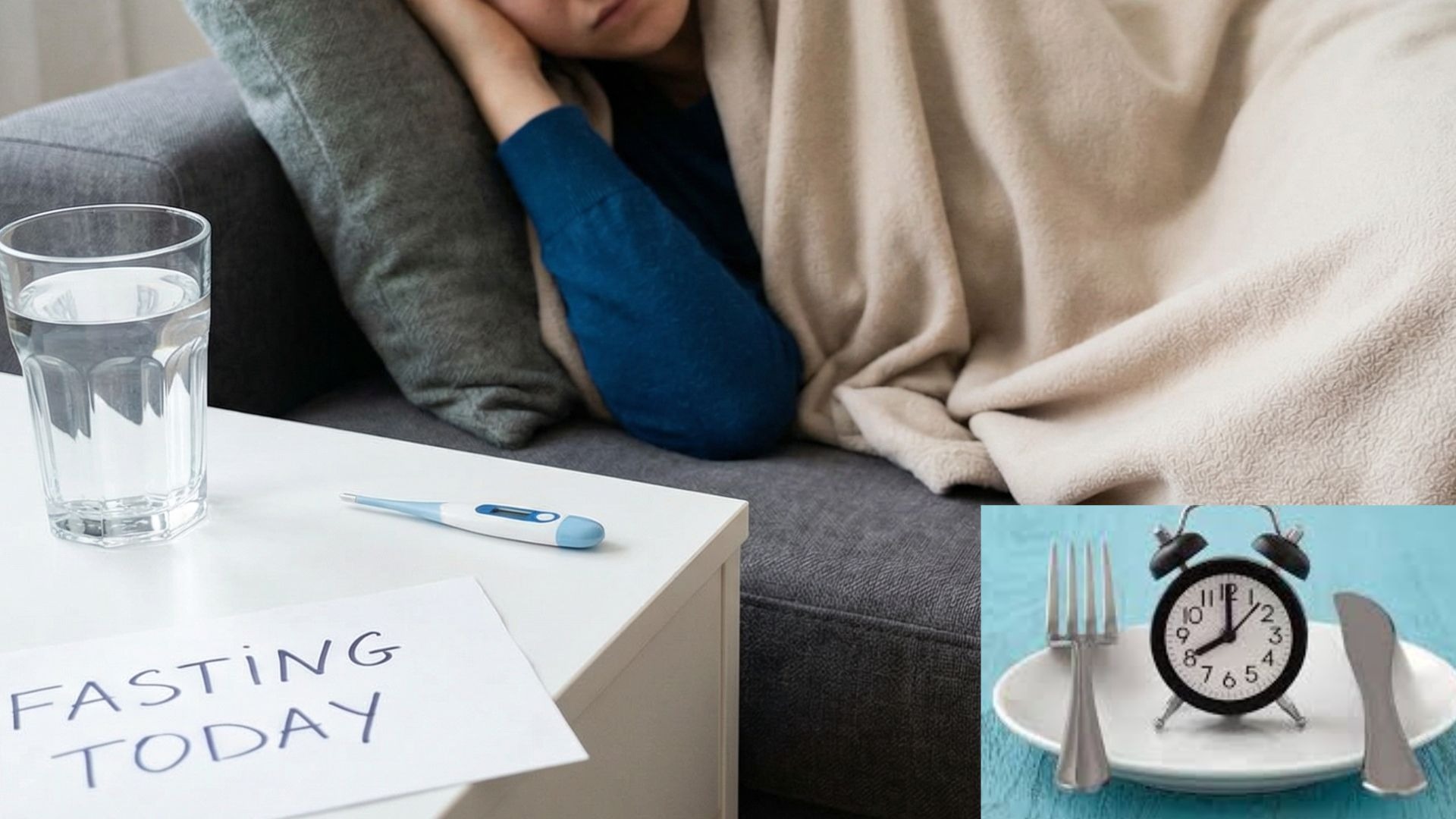
🧪🤧 Fasting in Sickness : Harm or Healing ? Insights from Doctors & Research
Discover whether fasting during illness helps or harms recovery. This scientific, doctor-backed guide breaks down when fasting supports the immune system, when eating is essential, and how to make the right choice based on symptoms.
FASTINGGENERAL
Dr Hassan Al Warraqi
12/12/202510 min read

🧪🤧 Fasting in Sickness : Harm or Healing? Insights from Doctors & Research
Discover whether fasting during illness helps or harms recovery. This scientific, doctor-backed guide breaks down when fasting supports the immune system, when eating is essential, and how to make the right choice based on symptoms.
There's been a long discussion about whether it's better to fast or eat when you're sick.
Do you feed a cold and starve a fever, or not?
I will look at what the science says, along with practical guidance.
When thinking about fasting for your health, think about how humans and other animals have adapted to times when they don't get enough calories.
I will explore the science behind fasting and eating when you're sick, but I'm not able to give you personal medical advice.
I can, tell you what's generally understood about how fasting and food affect your body when you're not feeling well.
I will talk about how your immune system reacts, why food is important, and what dangers might come up for some people.
Remember, this information is for educational purposes only and shouldn't replace advice from your doctor.
How Fasting and Food Affect Your Immune System
How your body reacts to food or fasting when you're sick can really change how well your immune system fights off infection.
What modern science is finding has given new insights to the old saying, feed a cold, starve a fever.
It looks at how getting the right nutrients impacts your immunity.
Different Germs, Different Approaches
It seems your body changes its approach based on whether it's fighting a virus or bacteria.
* Viruses and Glucose: A study on mice in 2016 found that giving them glucose helped them fight off viral infections.
Since colds and the flu are viruses, this backs up the idea of feeding a cold.
* Bacteria and Ketones: The same study showed that fasting, which causes your body to make ketones (like beta-hydroxybutyrate or BHB), helped protect against inflammation caused by bacteria.
This fits with the starve a fever idea, since fevers often come from bacterial infections. When you fast, your body makes ketones, which can help animals handle bacterial infections better.
Fasting can also make antibiotics work better against sepsis (a dangerous reaction to infection) in mice.
* T-Helper Cells: Studies on people have found that what you eat can change your immune response.
* Eating : When people ate, their bodies made more interferon gamma (IFN-γ).
This is important for T-helper 1 (Th1) cells, which fight infections inside cells, like viruses.
* Fasting: When people fasted, their bodies made more interleukin-4 (IL-4).
This is linked to T-helper 2 (Th2) cells, which usually fight infections outside cells, like some bacteria.
How Fasting Works on a Cellular Level
Fasting causes changes in your body that can affect your immune cells and how inflamed you get.
* Metabolic Changes and Ketones
After about 24-48 hours without food, your body starts burning fat and makes ketones.
Beta-hydroxybutyrate (BHB), a main ketone, can help your immune system by calming down inflammasomes like NLRP3.
These inflammasomes cause inflammation in your immune cells.
* Immune Cell Renewal and Autophagy
Some studies suggest fasting can help your body make new, healthy immune cells and start autophagy.
Autophagy is like a cleanup process where your body gets rid of damaged cells to make way for new ones.
* Loss of Appetite
When you're sick, you often lose your appetite.
This might be your body's way of helping you.
Inflammatory cytokines, like IL-18, are released by your immune system and can make you tired and not hungry.
This could help you save energy to fight the infection.
Inflammation Levels
How fasting affects inflammation isn't always the same; it depends on how inflamed you were to begin with.
* High CRP
People with high levels of C-reactive protein (CRP, a sign of inflammation) saw their CRP levels drop when they fasted for a long time.
CRP levels often went up during fasting, especially in people who were overweight.
* Low CRP
People with low CRP levels saw a small, temporary increase in CRP when they fasted.
This indicates that fasting might help normalize inflammation levels, rather than just reduce inflammation.
Why Nutrition is Key to Recovery
While fasting can change your immune response, it's really important to stay hydrated and get enough nutrients to recover from being sick.
Not getting enough nutrition can weaken your defenses.
The Bad Cycle of Malnutrition and Infection
Infections and malnutrition are linked in a way that can quickly make you feel worse, especially if you're already vulnerable.
* Malnutrition Weakens Immunity
If you don't get enough nutrients, your immune system won't work as well, making you more likely to get infections, have them last longer, and feel sicker.
* Infection Worsens Malnutrition
When you're sick, you might not feel like eating, or you might have digestive problems like diarrhea or vomiting.
This means you won't get as many nutrients, which can worsen malnutrition and make you even more likely to get another infection.
What to Eat When You're Sick
If you can eat, there are certain foods and nutrients that can help your immune system and make you feel better.
* Hydration : Electrolytes
Drink plenty of water, clear broths, and chicken soup to stay hydrated.
Chicken soup also provides electrolytes, protein, vitamins, and minerals.
* Symptom Relief
Warm drinks like tea and broth can help clear up sinus congestion.
Ginger can help with nausea and vomiting.
* Energy : Digestion
Eat bland, easy-to-digest foods like rice, potatoes, and toast if you have stomach issues.
These foods are gentle on your digestive system.
* Immune : Gut Support
Eat foods rich in Vitamin C (like oranges and kiwi), garlic, and yogurt with live cultures to boost your immune system and gut health.
Probiotics (in yogurt) and prebiotics (in bananas and onions) help keep your gut microbiome healthy, which is important for immunity.
* Specific Micronutrients
The World Health Organization (WHO) advises giving Vitamin A supplements to kids with measles, as it's been shown to reduce deaths by 50%.
Safety, Risks, and Who Should Be Careful
Fasting isn't safe for everyone, especially when you're sick, have existing health problems, or take certain medications.
Common Problems with Fasting
People doing supervised water-only fasts have reported some common issues.
* Mild-to-Moderate: These include tiredness, nausea, headache, insomnia, back pain, indigestion, and dizziness.
* Serious but Rare: Some people have needed to go to the hospital for problems like dehydration and hyponatremia (dangerously low sodium levels).
This shows why it's important to have medical supervision during long fasts.
Diabetes: A Big Reason Not to Fast
People with type 2 diabetes shouldn't fast when they're sick.
* Illness Raises Blood Glucose
When you're sick, your body is stressed, which can raise your blood glucose levels even if you're not eating as much.
Studies have shown that intermittent fasting can lower blood glucose levels and help with weight loss in the short term, especially when fasting for 16 hours a day.
But more research is needed to know if intermittent fasting is safe and works well for people with type 2 diabetes.
* Medication Changes are Key
To avoid serious problems, people with diabetes might need to stop taking certain medications temporarily when they're sick, especially if they're dehydrated or can't eat normally.
* Metformin: Can cause lactic acidosis (a buildup of lactic acid in the body).
* SGLT2 inhibitors: Can lead to diabetic ketoacidosis (a dangerous condition where the body produces too many ketones).
* Sulfonylureas: Can cause hypoglycemia (low blood glucose) if you're not eating enough.
* GLP-1 analogues: Dehydration can make side effects more likely.
* Insulin: You should never stop taking insulin when you're sick, but your doctor might need to adjust the dose.
Other Medications and Things to Consider
Being sick and possibly dehydrated can affect how safe and how drugs work.
* Medications Requiring Food: Some drugs, like certain antibiotics, need to be taken with food to avoid stomach problems.
* Drugs Affected by Dehydration: The NHS (National Health Service in the UK) suggests temporarily stopping certain medications when you're sick to protect your kidneys. These include ACE inhibitors, ARBs, diuretics, and NSAIDs.
Religious Fasting (Ramadan)
During Ramadan, people who are fasting might still want to fast even if they're sick.
However, there are exceptions for being sick. People with chronic conditions who choose to fast need to manage their health carefully, including changing their medication schedule to fit the non-fasting hours, and should talk to their doctor.
Different Opinions and Final Thoughts
Scientists know that there isn't much good research on fasting for common illnesses, so there are different opinions and experiences.
Some people say they recover faster when fasting, while others warn against it because it might deprive the body of the energy it needs to heal.
In conclusion, it's best to be careful and balanced when thinking about fasting while sick.
Remember to stay hydrated, listen to your body's hunger signals, and give your body the nutrition it needs to support your immune system.
If you're generally healthy, it might be okay to continue intermittent fasting during a mild illness.
But if you have health problems or take medications, you should stop fasting and talk to a doctor.
Frequently Asked Questions About Fasting in Sickness : Harm or Healing?
Q1: Is feed a cold, starve a fever actually true?
A1: That old saying has a little bit of truth to it, but it's not the whole story.
Some studies seem to show that having some glucose might be good when you're fighting a virus (like a cold).
On the flip side, fasting, which makes your body produce ketones, could help with some bacterial infections (which often cause fevers).
But, these days, doctors mostly say to drink plenty of fluids and pay attention to what your body is telling you instead of strictly following that saying.
Q2: Should I stop eating if I have a cold?
A2: If you've got a cold, some research in mice suggests that getting some glucose can help.
If you feel like eating, it's usually a good idea to eat foods that are packed with nutrients to help your immune system do its job.
If you don't feel like eating, don't force it, but make sure you're drinking enough.
Things like broth and tea are good choices.
Q3: What if I have a fever? Should I fast then?
A3: Some studies in animals hint that fasting might be helpful for bacterial infections, which can cause fevers.
Still, most doctors would tell you not to completely starve yourself if you have a fever.
Fevers make your body work harder, so you need extra calories to fight off the infection.
The most important thing is to stay hydrated and, if you can, eat small amounts of easy-to-digest, nutritious foods.
Q4: No matter what I do about eating, what's the most important thing when I'm sick?
A4: Staying hydrated is number one. When you're sick, especially if you have a fever, are throwing up, or have diarrhea, you can get dehydrated really quickly.
Make sure you're drinking lots of fluids like water, tea, broth, and drinks with electrolytes to help you get better.
Q5: Are there people who really shouldn't fast when they're sick?
A5: Yes, definitely. Some people should avoid fasting when they aren't feeling well.
If you have ongoing health problems, like type 2 diabetes, fasting can be dangerous because it can mess with your blood sugar levels and cause other issues like diabetic ketoacidosis.
Also, if you're taking certain medicines (like Metformin, SGLT2 inhibitors, ACE inhibitors, ARBs, diuretics, or NSAIDs),
you should talk to a doctor before fasting because being sick and dehydrated can cause problems with these drugs.
Kids, older people, and women who are pregnant or breastfeeding should usually avoid fasting when they're sick too.
Q6: How does fasting mess with my immune system?
A6: Fasting can change your metabolism, which then affects your immune cells and how your body deals with inflammation.
It might change how your immune system responds: eating tends to boost the part of your immune system that fights viruses (called the Th1 response), while fasting could help the part that fights bacteria (the Th2 response).
Fasting can also change things that show inflammation in your body.
Sometimes it lowers inflammation if you already have a lot, but it could temporarily increase inflammation if you don't have much to start with.
Q7: What bad things could happen if I fast for too long while I'm sick?
A7: If you fast for too long when you're sick, you could end up feeling tired, nauseous, or get a headache.
It could also cause insomnia.
In rare cases, it can lead to dehydration and low sodium levels (hyponatremia), which are serious.
The risks are even higher if you have existing health issues or are taking medications.
Fasting can also make malnutrition worse, which makes it harder to recover.
Q8: If I'm sick but I feel like eating, what should I eat?
A8: If you're sick and have an appetite, try to eat foods that are easy to digest and full of nutrients.
Good choices include clear broths, chicken soup, and plain foods like crackers, bananas, applesauce, and dry toast.
Warm drinks like tea with honey and foods with lots of vitamin C, antioxidants, and probiotics (like yogurt) can also help you get better.
Dr Hassan Al Warraqi Opinion
dr hassan al warraqi opinion , of course fast especially if you are able whatever is the illness nature.
====================================================================================================================================================================================
🧪🤧 Fasting in Sickness : Harm or Healing? Insights from Doctors & Research
https://www.h-k-e-m.com/-fasting-in-sickness-harm-or-healing-insights-from-doctors-and-research
Dr. Hassan Alwarraqi is a medical writer dedicated to making complex science clear and accessible. His work focuses on fasting, immunity, inflammation, and natural health strategies supported by research. He is known for breaking down medical topics into simple, actionable guidance for everyday readers.
🔑 Keywords
fasting when sick, should you fast when sick, illness fasting, immune system fasting, autophagy sickness, fasting benefits, fasting harm, nutrition during illness, fasting flu, fasting cold, metabolic response illness, eat or fast when sick, medical fasting guide, doctor recommended fasting, fasting inflammation
📌 Hashtags
#Fasting #Immunity #HealthScience #Sickness #Autophagy #Nutrition #MedicalAdvice #FluSeason #Healing #Metabolism #Wellness #FastingBenefits #EatOrFast
✍️ Intro
When illness strikes, most people face an age-old question: should you fast or should you eat? Traditional wisdom says “feed a cold, starve a fever,” but modern research shows the answer is far more nuanced. Emerging studies reveal that the body’s metabolic needs change dramatically during infection, and whether fasting helps or harms depends on the type of illness, the presence of fever, immune system activity, and the body’s energy demands. In this evidence-based guide, we explore what doctors and scientific research recommend to help you choose the right approach during sickness.
====================================================================================================================================================================================



Get in touch
Address
Cairo Al Rehab
Contacts
+20 109 405 2056
hassanalwarraqi@h-k-e-m.com