Health is a crown on the heads of the healthy that only the sick can see.



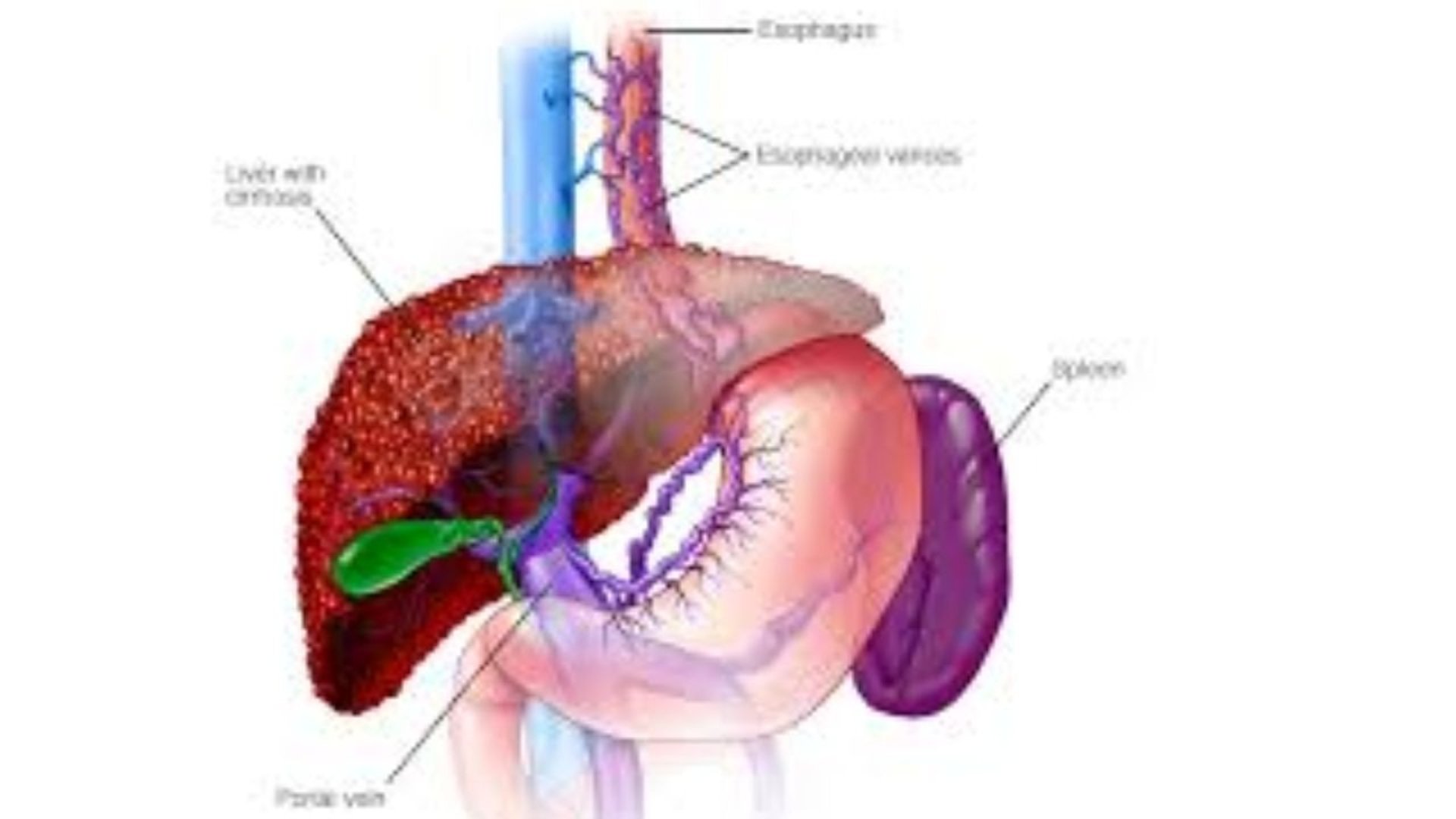
🩸 Esophageal Varices: Therapeutic Fasting
Discover effective management strategies for esophageal varices, including therapeutic fasting, complementary treatments, and tips for improving liver health. Learn about the benefits of honey therapy, gut health, and variceal bleeding prevention in our detailed guide.
GASTROINTESTINAL
Dr Hassan Al Warraqi
11/3/2024
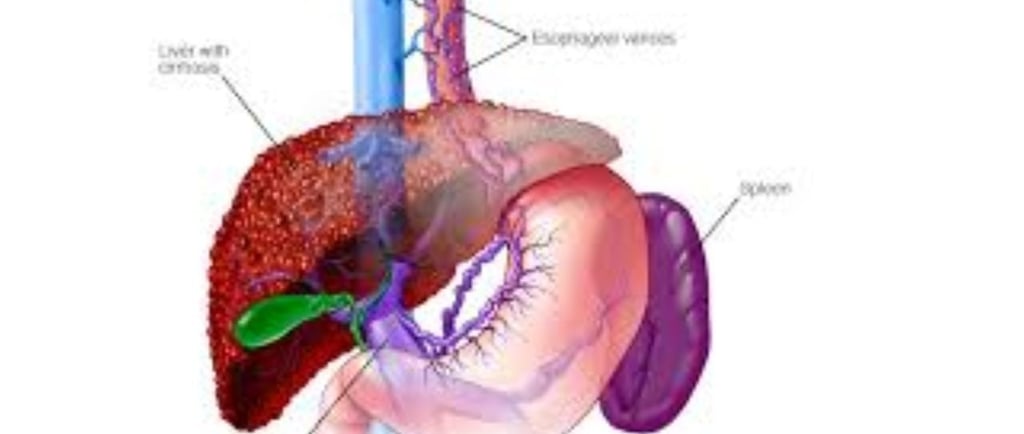
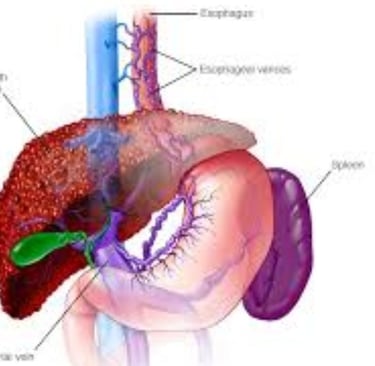
🩸 Esophageal Varices: Therapeutic Fasting
Discover effective management strategies for esophageal varices, including therapeutic fasting, complementary treatments, and tips for improving liver health. Learn about the benefits of honey therapy, gut health, and variceal bleeding prevention in our detailed guide.
What Are Esophageal Varices?
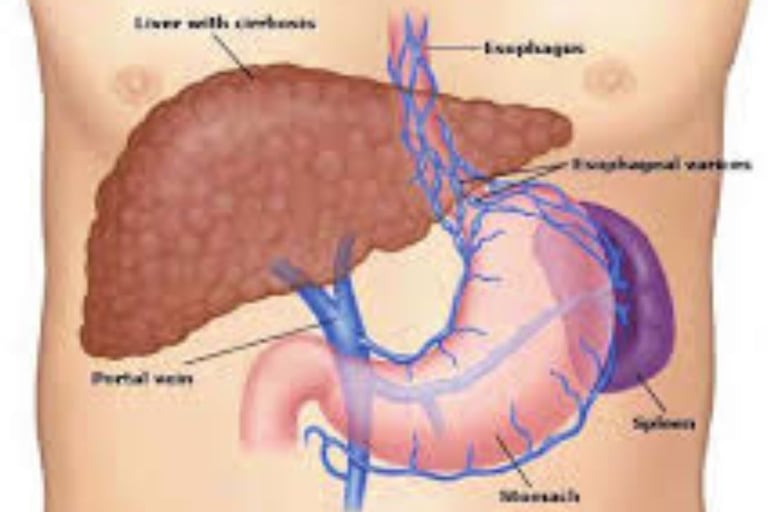
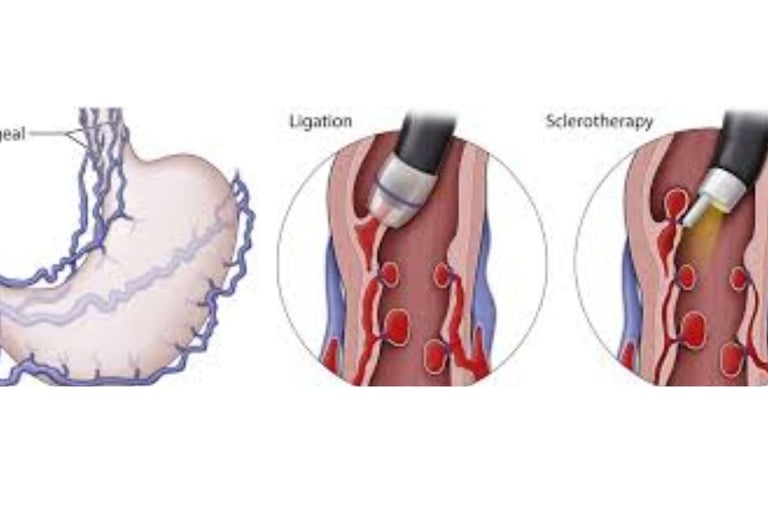
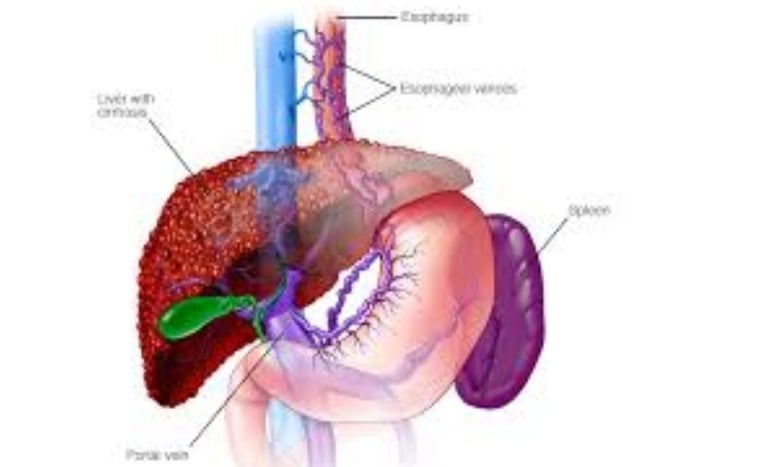
Esophageal varices are abnormally enlarged veins in the lower esophagus, the tube that connects your throat to your stomach. These dilated blood vessels develop when normal blood flow to the liver is blocked, often due to liver disease, causing blood to back up and seek alternate routes through smaller vessels.
Main Causes
Portal Hypertension (Primary cause)
Cirrhosis of the liver
Blood clots in the portal vein
Schistosomiasis (parasitic infection)
Budd-Chiari syndrome
Symptoms and Signs
No symptoms in early stages
Signs of liver disease (jaundice, ascites)
Potential symptoms include:
Black, tarry stools
Vomiting blood
Lightheadedness
Rapid heartbeat
Shock (in severe cases)
Diagnosis
Upper endoscopy (primary diagnostic tool)
CT scan or MRI
Liver function tests
Portal vein ultrasound
Grading system (I-IV based on size and appearance)
Treatment Options
Medical Management
Beta-blockers
Preferred options: Propranolol, Nadolol
Reduces portal pressure
First-line preventive treatment
Vasoactive Medications
Octreotide
Terlipressin
Used during acute bleeding
Endoscopic Procedures
Band Ligation (EVL)
Gold standard for active bleeding
Rubber bands placed around varices
Multiple sessions may be needed
Sclerotherapy
Alternative to banding
Injection of scarring solution
Less commonly used today
Surgical Interventions
TIPS (Transjugular Intrahepatic Portosystemic Shunt)
Used when other treatments fail
Creates new pathway for blood flow
Requires careful monitoring
Liver Transplantation
Definitive treatment
Addresses underlying cause
Reserved for eligible candidates
Prevention and Management
Lifestyle Modifications
Avoid alcohol completely
Maintain a low-sodium diet
Avoid NSAIDs and aspirin
Regular medical follow-up
Proper nutrition
Monitoring
Regular endoscopic surveillance
Blood tests
Liver function monitoring
Portal pressure measurements
Complications
Acute Bleeding
Most serious complication
Medical emergency
High mortality risk if untreated
Hepatic Encephalopathy
Mental status changes
Confusion
May occur after TIPS
Portal Vein Thrombosis
Blood clots
Can worsen portal hypertension
Prognosis
Prognosis depends on several factors:
Severity of underlying liver disease
Size of varices
Previous bleeding episodes
Compliance with treatment
Overall health status
When to Seek Emergency Care
Seek immediate medical attention for:
Vomiting blood
Black, tarry stools
Severe abdominal pain
Lightheadedness or fainting
Rapid heart rate
Confusion or disorientation
Prevention Strategies
Primary Prevention
Beta-blockers for high-risk patients
Regular screening
Management of underlying conditions
Secondary Prevention
Combination of medications and procedures
Regular follow-up
Lifestyle modifications
Latest Research and Developments
New endoscopic techniques
Novel pharmaceutical approaches
Improved surgical methods
Better predictive models
Enhanced monitoring systems
Support and Resources
Patient Support Groups
Liver Disease Organizations
Medical Centers of Excellence
Online Educational Resources
Clinical Trial Information
complementary approaches, such as honey-based treatments and therapeutic fasting.
Role of Honey in Managing Esophageal Varices
esophageal varices diet
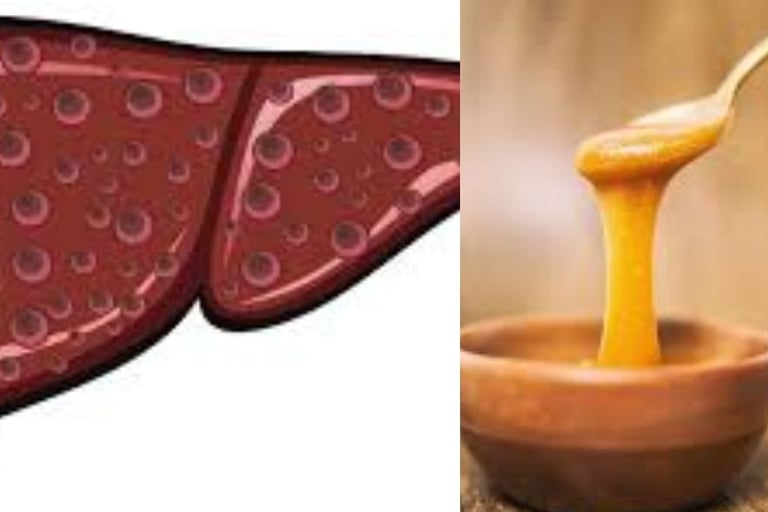
Honey, especially varieties like Manuka honey, is known for its antibacterial, anti-inflammatory, and wound-healing properties. For patients with esophageal varices, honey could be beneficial in several ways:
Promoting Esophageal Healing: Honey can coat the esophageal lining, potentially soothing inflamed tissues and promoting healing in the mucosa.
Supporting Liver Health: Since liver disease underlies most cases of esophageal varices, honey’s antioxidants and anti-inflammatory compounds may support liver health, helping to mitigate further liver damage.
Microbial Protection: Some studies suggest that honey’s antimicrobial properties could lower the risk of infection in the gastrointestinal tract, which may reduce inflammation that contributes to variceal bleeding.
Fasting Outside Ramadan as a Therapeutic Practice
Fasting, especially intermittent fasting, has shown potential benefits in reducing liver inflammation and improving metabolic health, which can be advantageous for patients with liver-related conditions like esophageal varices. Here’s how fasting might help:
Reducing Portal Hypertension: Fasting may decrease hepatic inflammation, potentially lowering portal hypertension, the main cause of variceal formation.
Improving Liver Function: By giving the digestive system periodic rest, fasting may help the liver focus on repair and regeneration, which could indirectly support the stability of varices.
Enhancing Gut Health: Fasting can promote a healthier gut microbiome and reduce intestinal permeability, which may lower the inflammatory burden on the liver and indirectly benefit esophageal varices.
Practical Considerations esophageal varices diet
Combining honey and fasting might offer a supportive approach to managing esophageal varices alongside conventional treatments. However, due to the severity of this condition,
these complementary methods should only be implemented with medical guidance.
Keywords
esophageal varices, honey therapy, therapeutic fasting, liver health, portal hypertension, esophageal healing, antioxidant properties, microbial protection, intermittent fasting, gut health, complementary treatments, liver disease management, variceal bleeding prevention,portal hypertension, microbial protection ,
Frequently Asked Questions About Esophageal Varices FAQS
What are esophageal varices?
Esophageal varices are enlarged veins that develop in the lower part of the esophagus. This condition occurs due to high blood pressure in the portal vein (portal hypertension) and is often associated with liver cirrhosis.
What are the symptoms of esophageal varices?
Vomiting blood (which can be in large amounts).
Black, tarry stools (due to bleeding in the digestive tract).
Low blood pressure.
Fainting or severe weakness.
Abdominal pain (in some cases).
How are esophageal varices diagnosed?
They are typically diagnosed through:Upper endoscopy (the most common method).
Blood tests (to assess liver function).
Medical imaging (such as CT scans or ultrasounds).
What are the treatment options for esophageal varices?
Conventional medical treatments:
Endoscopic band ligation.
Medications (e.g., beta-blockers, octreotide).
Sclerotherapy (injection of chemical agents).
Transjugular intrahepatic portosystemic shunt (TIPS).
Liver transplant (in severe cases).
Natural treatments:esophageal varices diet
Fasting (intermittent fasting).
Honey (especially Manuka honey).
Is fasting beneficial for patients with esophageal varices?
Yes, fasting may be beneficial as it improves liver function and reduces pressure on the veins.
Important: Consult a doctor before starting fasting, especially for patients with liver cirrhosis.
What are the benefits of honey and Manuka honey for patients with esophageal varices?
Honey:
Reduces inflammation.
Promotes tissue healing.
Reduces stomach acidity.
Manuka honey:
Has strong antibacterial and anti-inflammatory properties (due to methylglyoxal, or MGO).
Improves liver function.
Protects the digestive system.
Are esophageal varices a serious condition?
Yes, esophageal varices can be serious, especially if bleeding occurs, as it can become life-threatening.
What are the most important tips for patients with esophageal varices?
Regular follow-ups with a doctor.
Early detection of liver cirrhosis.
Following a healthy diet.
Avoiding alcohol.
Consulting a doctor before fasting or using honey as a treatment.
🩸 Esophageal Varices Diet: What to Eat and What to Avoid
If you have esophageal varices, diet cannot eliminate the enlarged veins, but it can help reduce irritation, support liver health, and lower the risk of complications.
Your diet should be tailored to your overall liver condition and nutritional needs.
Foods to Eat
🥗 Soft, easy-to-swallow foods
Yogurt
Oatmeal
Mashed potatoes
Scrambled eggs
Soft-cooked vegetables
Smooth soups
Applesauce and ripe bananas
🍗 Lean protein
Fish
Skinless poultry
Beans and lentils (if well tolerated)
Tofu
Eggs
🌾 Whole grains
Oats
Brown rice
Whole wheat pasta
Quinoa
🥬 Fruits and vegetables
A variety of colorful fruits and vegetables
Cooked vegetables may be easier to swallow if the esophagus is irritated
🥜 Healthy fats
Olive oil
Avocados
Unsalted nuts and seeds (if chewing and swallowing are safe)
honey natural
💧 Stay hydrated
Drink adequate water unless your healthcare provider has advised fluid restriction.
Foods to Limit or Avoid
❌ Hard, sharp, or crunchy foods that may irritate the esophagus:
Tortilla chips
Hard crackers
Toast
Popcorn
Nuts eaten whole
Hard pretzels
❌ Very hot foods or beverages if they cause discomfort.
❌ Spicy or highly acidic foods if they worsen symptoms.
❌ Alcohol, especially in people with liver disease.
❌ Excess sodium, particularly if you have cirrhosis with fluid retention or ascites.
Additional Tips
✔️ Eat smaller, more frequent meals.
✔️ Chew food thoroughly before swallowing.
✔️ Avoid overeating, which may increase abdominal pressure.
✔️ Follow your healthcare provider's advice on protein and sodium intake if you have advanced liver disease.
✔️fasting specially day after the other David fasting
Important
⚠️ If you have cirrhosis, avoid making major dietary changes without consulting your healthcare provider or a registered dietitian.
⚠️ Seek emergency medical attention immediately if you vomit blood, pass black tarry stools, or experience dizziness or fainting, as these may be signs of a bleeding esophageal varix.
Bottom Line
A diet for esophageal varices focuses on protecting the esophagus, maintaining good nutrition, and supporting liver health. While diet cannot cure esophageal varices, it plays an important role alongside medical treatment in reducing complications and improving overall well-being.
==========================================================================================================================================================================================================================================================================================================================================================================================
🩸 Esophageal Varices: Therapeutic Fasting
🩸 Esophageal Varices: Can Therapeutic Fasting Help? 🌙
Esophageal varices are enlarged veins in the esophagus that usually develop as a result of portal hypertension, most commonly caused by advanced liver disease such as cirrhosis. These fragile veins can rupture and lead to life-threatening bleeding.
Can Therapeutic Fasting Treat Esophageal Varices?
Currently, there is no scientific evidence that therapeutic fasting can directly treat, shrink, or cure esophageal varices. Standard medical management remains essential and may include:
✔️ Treatment of the underlying liver disease
✔️ Non-selective beta-blockers to reduce portal pressure
✔️ Endoscopic variceal ligation ("banding")
✔️ Advanced procedures such as TIPS in selected patients
Could Fasting Offer Indirect Benefits?
Some research suggests that carefully supervised fasting or calorie restriction may:
🌙 Improve insulin sensitivity
🌙 Support weight loss in obesity
🌙 Reduce fatty liver disease in some individuals
🌙 Improve metabolic health markers
Because metabolic dysfunction can contribute to liver disease, these benefits may help support overall liver health in certain patients. However, fasting should be viewed as a complementary lifestyle strategy, not a replacement for medical treatment.
Important Caution
⚠️ Patients with cirrhosis or esophageal varices are at risk of malnutrition, muscle loss, dehydration, and metabolic complications.
⚠️ Prolonged fasting without medical supervision may be harmful.
⚠️ Anyone with liver disease should consult their healthcare provider before starting a fasting regimen.
Bottom Line
🩸 Therapeutic fasting is not a treatment for esophageal varices, but in selected individuals it may support metabolic and liver health when used safely and under medical guidance. Proven medical therapies remain the cornerstone of preventing variceal bleeding and improving outcomes.
Keywords
Esophageal varices are enlarged veins in the esophagus caused by portal hypertension, often linked to liver cirrhosis, and are diagnosed through endoscopy, treated with band ligation, medications, or TIPS, and managed with lifestyle changes like fasting and natural remedies such as Manuka honey, while regular medical follow-ups and early detection of liver disease are crucial for prevention and care
✍️ About the Author
Dr. Hassan Alwarraqi is the founder of H-K-E-M.com and a researcher in integrative liver care and metabolic health. His work focuses on bridging traditional fasting practices with modern evidence to support conditions such as esophageal varices, especially in the context of liver cirrhosis and portal hypertension. He aims to raise awareness of fasting's role in reducing venous pressure, inflammation, and liver congestion—while stressing safe, medically guided approaches.
📩 hassanalwarraqi@h-k-e-m.com
🧬 Focus: Liver regeneration, natural therapies for portal hypertension, and metabolic fasting.
🩸 Esophageal varices are dangerous — but did you know therapeutic fasting may support liver pressure reduction naturally?
Dr. Hassan Alwarraqi explores a safe, science-backed approach for liver patients.
Read now on H-K-E-M.com
#LiverHealth #EsophagealVarices #TherapeuticFasting #HKEM #PortalHypertension
=============================================================================================================================================================================================================================================================================================================================================================================================
🩺 FASTING: The Only Hope for Fatty Liver Patients
NO RESOURCES REQUIRED - FREE & EFFECTIVE
✅ THE EVIDENCE IS CLEAR
Intermittent fasting is a feasible, safe, and effective treatment for fatty liver disease
. Current research shows fasting can reverse fatty liver without medications or expensive treatments.
📊 PROVEN RESULTS:
Remarkable Success Rates:
Nearly 75% of people who did intermittent fasting lowered their liver fat by at least 30% in just 12 weeks
Alternate-day fasting significantly reduced hepatic steatosis in only 8 weeks
Time-restricted eating reduces liver fat by 6.9-7.9% within 12 months
🕐 FASTING METHODS (ALL FREE):
1. TIME-RESTRICTED EATING (16:8) ⭐ MOST POPULAR
Eat: Within 8-hour window (e.g., 12 PM - 8 PM)
Fast: 16 hours daily
Results: Superior improvements in liver steatosis, weight, and waist circumference
Benefits: Improves liver health by promoting weight loss
2. ALTERNATE-DAY FASTING
Eat normally: One day
Fast or eat very little: Next day
Results: Combined with exercise, significantly improves liver health
Study: 80 people with NAFLD showed remarkable improvement
3. 5:2 DIET
Eat normally: 5 days/week
Restrict calories (500-600): 2 days/week
Effective for MASLD progression
🔬 HOW FASTING HEALS YOUR LIVER:
Mechanisms:
Reduces liver fat directly through ketogenesis
Decreases liver inflammation without significant weight loss
Improves liver enzymes (ALT, AST)
Increases FGF-21 and ATG-5 - protective liver markers
Enhances antioxidant capacity
Reduces liver stiffness and fibrosis
💡 FASTING + SIMPLE DIET = MAXIMUM RESULTS
Most Effective Combination:
Time-restricted fasting (16:8) + Low-sugar diet
Reduces adiposity
Improves liver markers
Improves lipid profile
Reduces inflammation
Time-restricted fasting + Low-carbohydrate diet
Reduces body weight
Lowers liver enzyme levels
Decreases liver fibrosis
ResearchGate
✅ WHY FASTING IS PERFECT FOR RESOURCE-LIMITED SETTINGS:
COST: $0
✅ No medications needed
✅ No supplements required
✅ No gym membership
✅ No special equipment
✅ No expensive tests initially
ACCESSIBILITY:
✅ Anyone can do it
✅ No doctor visits required (though recommended)
✅ Works with any cuisine
✅ No special foods needed
EFFECTIVENESS:
✅ Better than or equal to continuous calorie restriction
✅ Comparable benefits on weight loss and metabolic parameters
✅ Improves liver health indicators like liver stiffness
📋 YOUR FREE FASTING ACTION PLAN:
WEEK 1-2: START GENTLY
12:12 fasting (12 hours eating, 12 hours fasting)
Example: Eat 8 AM - 8 PM, fast 8 PM - 8 AM
Drink water, black coffee, or tea during fasting
WEEK 3-4: INCREASE FASTING
14:10 fasting (14 hours fast, 10 hours eating)
Example: Eat 10 AM - 8 PM, fast 8 PM - 10 AM
WEEK 5+: OPTIMAL FASTING
16:8 fasting (16 hours fast, 8 hours eating)
Example: Eat 12 PM - 8 PM, fast 8 PM - 12 PM
This is the sweet spot for liver health
DURING EATING WINDOW:
✅ Eat normal, healthy meals
✅ Focus on vegetables, whole grains, legumes
✅ Avoid sugar and refined carbs
✅ Don't overeat - eat until satisfied
✅ Drink coffee (3 cups/day helps liver)
DURING FASTING:
✅ Water (unlimited)
✅ Black coffee (no sugar/milk)
✅ Herbal tea (unsweetened)
❌ NO food
❌ NO caloric drinks
⚠️ IMPORTANT SAFETY NOTES:
Fasting is SAFE for most people
Consult a doctor if you have:
Type 1 diabetes
Pregnant or breastfeeding
History of eating disorders
Taking medications (may need adjustment)
Stop fasting if you experience:
Severe dizziness
Extreme weakness
Fainting
🎯 THE BOTTOM LINE:
FASTING IS THE ANSWER BECAUSE:
✅ It's 100% FREE - costs nothing
✅ It's HIGHLY EFFECTIVE - 75% see 30% reduction in liver fat
✅ It's ACCESSIBLE - anyone can do it anywhere
✅ It's SUSTAINABLE - no expensive ongoing costs
✅ It's EVIDENCE-BASED - multiple clinical trials confirm benefits
✅ It WORKS - improves steatosis, enzymes, inflammation, fibrosis
💚 YOUR LIVER'S ONLY HOPE:
For patients with NO RESOURCES, fasting is not just AN option—it's THE option.
No pills.
No expensive treatments.
No special foods.
Just TIME.
Start today.
Fast tonight.
Heal your liver tomorrow.
BEGIN NOW:
Finish dinner by 8 PM tonight
Don't eat until 12 PM tomorrow
Drink water and black coffee
You've just completed your first 16-hour fast
Repeat daily
Watch your liver heal
This is your hope. This is your cure. This is FREE. 💚
============================================================================================================================================================================================================================================================================================================================================================================================



Get in touch
Address
Cairo Al Rehab
Contacts
+20 109 405 2056
hassanalwarraqi@h-k-e-m.com