Health is a crown on the heads of the healthy that only the sick can see.


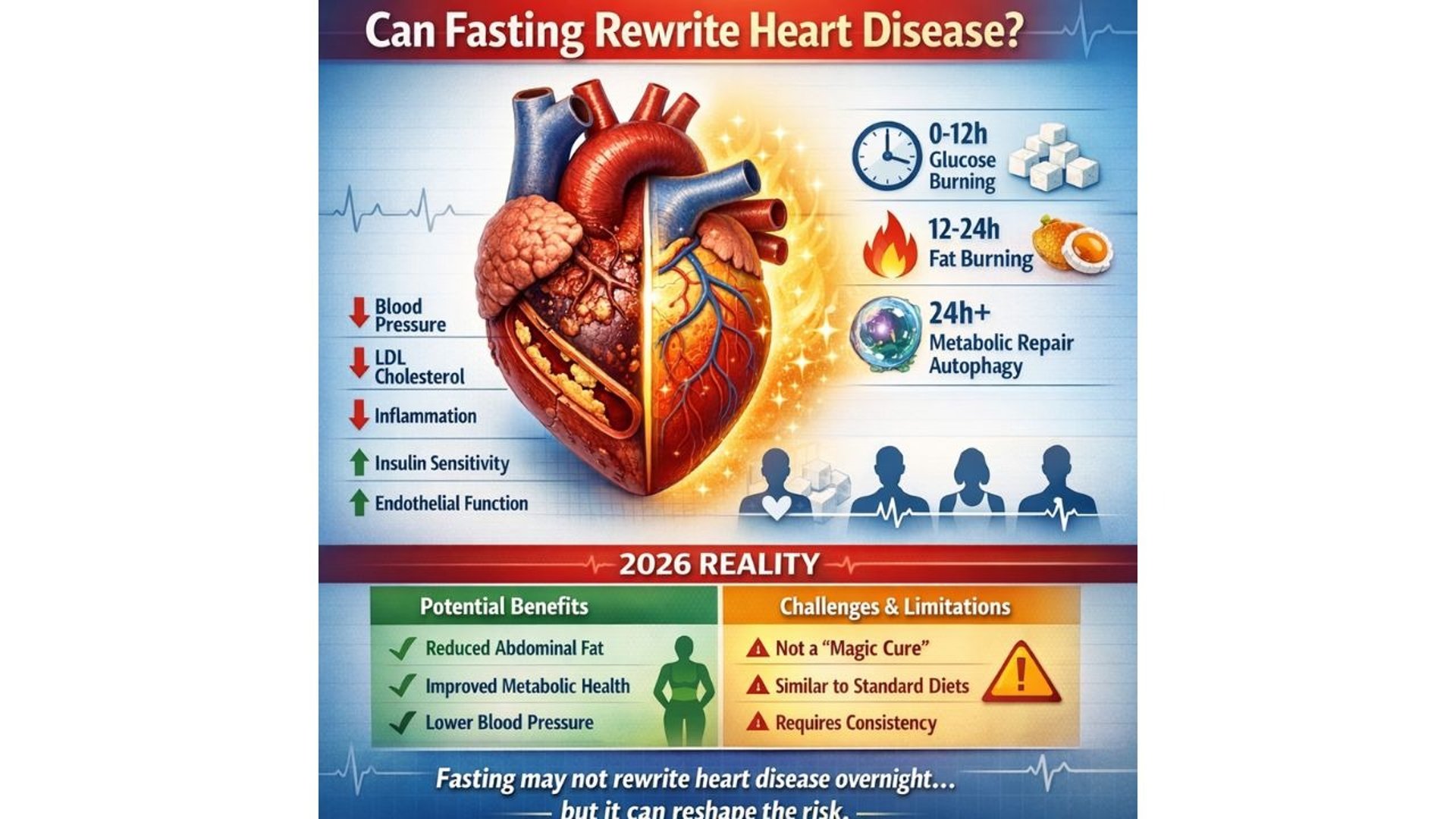
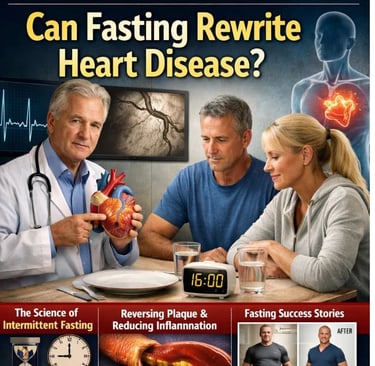
❤️ Cardiovascular 2026 : Can Fasting Rewrite Heart Disease ?
Explore the latest 2026 insights on how fasting may impact cardiovascular health. Discover how metabolic switching, inflammation reduction, and improved lipid profiles could help reduce heart disease
CARDIOVASCULARFASTING
Dr Hassan Al Warraqi
3/29/202612 min read
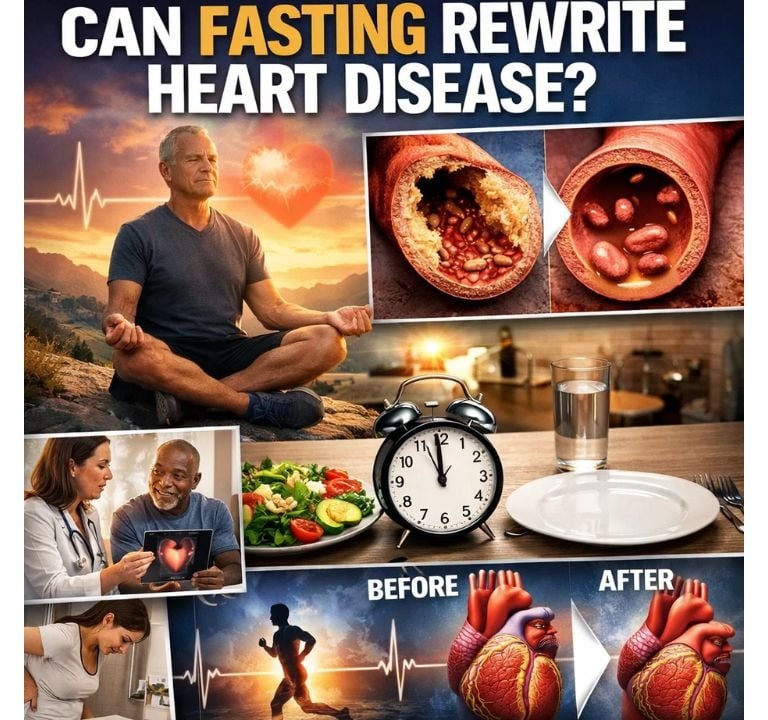
❤️ Cardiovascular 2026 : Can Fasting Rewrite Heart Disease ?
Cardiovascular 2026: Can Fasting Rewrite Heart Disease Risk?
Explore the latest 2026 insights on how fasting may impact cardiovascular health. Discover how metabolic switching, inflammation reduction, and improved lipid profiles could help reduce heart disease risk naturally.
The transition from 2025 to 2026 marked the "death of the primary vs. secondary prevention distinction."
Four landmark trials redefine pharmacologic standards in 2026
A parallel evidence base confirms fasting’s cardiovascular mechanisms.
Here is how both converge — and how to combine them safely.
BUILT FROM PRIMARY SOURCES
VESALIUS-CV · CORALreef Lipids · CORE-TIMI 72a/b · ACC/AHA 2026 Dyslipidemia Guidelines · Springer Fasting Multisystem Review 2026
25%
MACE Reduction (VESALIUS-CV) 57%
LDL-C Reduction (Enlicitide) 85%
Pancreatitis Risk Reduction (Olezarsen) 4–8 mmHg
Systolic BP Drop (Early TRE)
Fasting is no longer viewed as "starvation" but as Holistic Kinetic Energy Management (HKEM).
Table of Contents
— 01 · FOUR PIVOTAL TRIALS —
The 2026 Cardiovascular Revolution
In the span of twelve months, four major trials have shifted the floor for cardiovascular risk reduction — expanding who qualifies for intensive LDL-lowering, introducing the first oral PCSK9 inhibitor, and demonstrating unprecedented control over severe hypertriglyceridemia.
These pharmacologic advances form the essential backdrop against which fasting’s role must be evaluated.
VESALIUS-CV: Evolocumab Redefines Primary Prevention
Trial: NEJM November 2025 | N = 12,257 | PCSK9 Inhibition | High-Risk Primary Prevention
Adding evolocumab to optimized statin therapy significantly reduces first cardiovascular events in high-risk patients without prior MI or stroke.
The trial’s scale and patient profile make it the most clinically significant PCSK9i trial to date for primary prevention.
Outcome Reduction HR / p-value
3-Point MACE (CV death, MI, stroke) 25% HR 0.75; p<0.001
Myocardial Infarction 36% p<0.001
Total Mortality 20% p = 0.03
4-Point MACE (incl. revascularization) 19% HR 0.81; p<0.001
Key patient population: 67% qualifying atherosclerosis without prior MI/stroke; 49% high-risk diabetes.
Median baseline LDL-C: 122 mg/dL.
Achieved LDL-C with evolocumab: 45 mg/dL.
Fasting does not lower LDL-C like a statin. Instead, it activates biological programs that standard pharmacotherapy largely cannot reach.
CLINICAL SIGNIFICANCE
The 2026 ACC/AHA Multisociety Dyslipidemia Guideline authors note that VESALIUS-CV “blurs the distinction between ASCVD risk categories” — supporting an LDL-C goal of <55 mg/dL for all patients with established atherosclerosis or high-risk diabetes, regardless of prior events.
CORALreef Lipids: The First Oral PCSK9 Inhibitor
Trial: NEJM February 2026 | N = 2,909 | Enlicitide Decanoate | ASCVD Risk
Enlicitide decanoate, a once-daily oral PCSK9 inhibitor, achieves LDL reduction comparable to injectable agents — with a safety profile virtually identical to placebo.
This marks a paradigm shift in adherence to intensive lipid-lowering therapy.
Outcome (24 weeks) Enlicitide Placebo
LDL-C Reduction −57.1% +3.0%
Non-HDL-C Reduction −53.4% —
ApoB Reduction −50.3% —
Lipoprotein(a) Reduction −28.2% —
No pharmacological autophagy inducer is currently approved for any cardiovascular indication
GOAL ACHIEVEMENT
70.3% of enlicitide-treated patients achieved LDL-C <70 mg/dL with ≥50% reduction vs. 1.5% with placebo. 67.5% achieved LDL-C <55 mg/dL.
Discontinuation rate lower with enlicitide (3% vs. 4%).
CORE-TIMI 72a/b: Targeting Triglycerides and Pancreatitis
Trial: NEJM January 2026 | N = 1,061 | Olezarsen (APOC3 Antisense) | Severe Hypertriglyceridemia
Olezarsen, an antisense oligonucleotide targeting apolipoprotein C-III mRNA, cuts triglycerides by up to 72% and reduces acute pancreatitis risk by 85% — a transformative advance for patients with severe hypertriglyceridemia.
Outcome (6 months) Olezarsen 50 mg Olezarsen 80 mg
TG Reduction (CORE-TIMI 72a) −62.9% −72.2%
TG Reduction (CORE²-TIMI 72b) −49.2% −54.5%
Pancreatitis Risk Reduction 85% (rate ratio 0.15) 85%
Fasting activates the Lysosomal-Autophagy Pathway
SAFETY NOTE
Dose-dependent increases in liver enzymes and hepatic fat fraction with the 80 mg dose.
Thrombocytopenia more common at higher dose.
Reductions in TG, apoC-III, remnant cholesterol, and non-HDL-C were all sustained at 12 months.
Fasting as a Multisystem Health Modulator (Springer 2026)
The 2026 Springer systematic review confirms four mechanistically distinct cardiovascular pathways activated by fasting — each complementing, not replacing, pharmacotherapy.
This review forms the primary evidence base for clinical fasting recommendations throughout this document.
4–8 mmHg
Systolic BP Reduction (Early TRE) 20–40%
Triglyceride Reduction (TRE) 15–30%
CRP Reduction (Fasting) 20–30%
Insulin Sensitivity Improvement
Dehydration during fasting can lead to Pre-renal Azotemia (Kidney injury).
— 02 · FASTING SCIENCE —
Fasting’s Four Cardiovascular Mechanisms
Fasting does not lower LDL-C at the magnitude of a statin.
What it does instead is activate four distinct biological programs that standard pharmacotherapy largely cannot reach.
Understanding this distinction is essential to deploying fasting strategically rather than naively.
Mechanism 1: AMPK-SIRT1-mTOR Pathway Activation
Fasting Effect Mechanism Comparable Pharmacotherapy
AMPK activation
Energy-sensing pathway; enhances fatty acid oxidation
Metformin (partial)
SIRT1 upregulation Deacetylates PGC-1α; improves mitochondrial function Resveratrol (weak)
mTOR suppression Reduces cell proliferation; enhances autophagy Rapamycin (not used for CV prevention)
For cardiovascular benefits, prioritize early time-restricted eating (e.g., 8 AM–4 PM or 10 AM–6 PM) over late eating windows.
Circadian alignment amplifies metabolic benefits
FASTING ADVANTAGE
Activates complementary pathways not targeted by any standard cardiovascular drug.
AMPK activation improves insulin sensitivity and endothelial function independent of LDL reduction.
Mechanism 2: Metabolic Switching & Ketogenesis
Fasting Effect Clinical Impact Comparable Pharmacotherapy
Lipolysis activation
Mobilizes visceral fat; reduces ectopic lipid deposition
GLP-1 agonists, SGLT2 inhibitors
❤️ Final Thought
"The best cardiovascular prevention strategy is the one that is evidence-based, individually tailored, safely implemented, and sustainably maintained."
Fasting has earned a place in the 2026 cardiovascular toolkit—not as a revolutionary
Ketone
body production
Alternative
myocardial fuel; more ATP per oxygen molecule
None (SGLT2i
increase ketones via different mechanism)
Hepatic glucose output reduction
Reduces dawn phenomenon; improves 24-hour glucose profile
Metformin, SGLT2i
Fasting naturally lowers BP via natriuresis (salt loss)
FASTING ADVANTAGE
Ketones provide a more efficient fuel for cardiomyocytes and may reduce oxidative stress in heart failure — no approved pharmacotherapy delivers this benefit.
Mechanism 3: Autophagy & Cellular Clearance
Fasting Effect Mechanism Comparable Pharmacotherapy
Autophagy induction
Removes damaged organelles, misfolded proteins, lipotoxic aggregates from cardiomyocytes
None (no approved CV autophagy inducer)
Mitophagy enhancement
Clears dysfunctional mitochondria; reduces reactive oxygen species
None
Inflammasome suppression Reduces IL-1β,
IL-18; attenuates vascular inflammation Colchicine,
canakinumab (partial)
How can fasting be safely and effectively integrated into modern cardiovascular care?
FASTING ADVANTAGE
Unique among cardiovascular interventions.
No pharmacological autophagy inducer is currently approved for any cardiovascular indication.
Mechanism 4: Circadian Alignment & Blood Pressure Regulation
Fasting Effect Clinical Impact Comparable Pharmacotherapy
Time-restricted eating Aligns feeding with circadian rhythm; improves insulin sensitivity None
Nocturnal BP dipping Reduces non-dipper pattern; improves 24-hour BP profile Chronotherapy (bedtime dosing)
Reduced sympathetic tone Lower resting heart rate; reduced vascular resistance Beta-blockers (different mechanism)
Aspirin and Clopidogrel are safe during fasting. However, Aspirin should be taken with food (Iftar) to avoid gastric erosion in a fasted stomach
FASTING ADVANTAGE
Early time-restricted eating (eating window ending by 5–6 PM) consistently produces greater BP reduction than late TRE.
Meta-analyses show 4–8 mmHg systolic BP reduction — additive to antihypertensive pharmacotherapy.
— 03 · HONEST COMPARISONS —
Magnitude Comparison: Fasting vs. Pharmacotherapy
A rigorous approach to integrating fasting into cardiovascular care begins with accurate expectations.
The following table provides direct magnitude comparisons across key cardiovascular risk factors.
Domain Pharmacotherapy 2026 Fasting (TRE / IF) Clinical Strategy
LDL-C Evolocumab: −55%; Enlicitide: −57%; High-intensity statin: −50–55% TRE: −5–15%; Prolonged: −15–25% Pharmacotherapy primary; fasting adjunctive
Triglycerides Olezarsen: −50–72% TRE: −20–40%; Prolonged: −40–60% Additive; TRE useful in moderate cases
Lp(a) PCSK9 inhibitors: −25–30% <5% (non-significant) Pharmacotherapy required
Blood Pressure Standard antihypertensives: −10–20 mmHg Early TRE: −4–8 mmHg systolic Additive; potential dose reduction
Insulin Sensitivity Metformin, GLP-1, SGLT2 inhibitors TRE: 20–30% improvement Synergistic — strongest combination case
Inflammation (CRP) Colchicine, canakinumab
Autophagy: 15–30% CRP reduction Mechanistically complementary
Pancreatitis Risk Olezarsen: −85% Weight loss: moderate reduction Olezarsen primary; fasting supportive
Autophagy / Cellular Clearance No approved equivalent Unique fasting mechanism Fasting only — no pharmacological alternative
The goal is not to choose between a pill and a protocol, but to use the pill to lower the floor and the protocol to raise the ceiling
KEY PRINCIPLE
Fasting’s greatest cardiovascular value lies not in LDL reduction — where pharmacotherapy dominates — but in the complementary domains of blood pressure, insulin resistance, systemic inflammation, and autophagy, where no approved drug offers equivalent benefit.
Ketones provide a more efficient fuel for cardiomyocytes (more ATP per oxygen molecule) and may reduce oxidative stress in heart failure
— 04 · CLINICAL FAQS —
10 Expert Answers to Critical Clinical Questions
These FAQs address the most common and consequential clinical questions about combining fasting with cardiovascular pharmacotherapy — with direct, evidence-based answers organized by medication class and clinical scenario.
Q01 I’m on warfarin. Is fasting safe?
Caution required. Warfarin’s anticoagulant effect is sensitive to vitamin K intake.
Fasting-related changes in consumption of green leafy vegetables can cause meaningful INR fluctuations.
Protocol: Obtain baseline INR before starting and at one week.
Take warfarin at the same time daily (Iftar, if evening dosing).
Increase INR monitoring to every 1–2 weeks initially.
Keep vitamin K content of Suhoor and Iftar meals consistent day-to-day.
Fasting doesn't directly cause AF but can create precipitating conditions (dehydration, electrolyte shifts)
ABSOLUTE CONTRAINDICATION
Do not fast if INR is unstable or if there is a history of thromboembolism or active bleeding complications.
Q02 What about DOACs (apixaban, rivaroxaban, edoxaban, dabigatran)?
Generally safer with fasting than warfarin — no dietary interactions.
However, specific absorption considerations apply.
DOAC Fasting Consideration
Rivaroxaban 15/20 mg Requires food for optimal absorption — take with Iftar (largest meal)
Edoxaban (high dose) Take with Iftar for consistent absorption
Apixaban No food requirement; flexible Iftar or Suhoor timing
Dabigatran No food requirement; ensure adequate hydration (renally cleared)
No dose adjustment required for 14:10 or 16:8 TRE. Prolonged fasting (>24 hours) with DOACs has not been formally studied; caution is advised.
Q03 I have heart failure (HFrEF or HFpEF). Can I fast?
Depends entirely on HF severity and diuretic burden.
Stable HF (NYHA Class I–II): May be appropriate with precautions.
Increase fluid intake between Iftar and Suhoor to avoid dehydration.
Loop diuretics often require dose reduction or shift to evening dosing.
Monitor daily weight — loss >1 kg/week may indicate dehydration.
Prioritize sodium restriction during eating windows.
Mitigate with adequate hydration, potassium-rich foods (dates, bananas)
CONTRAINDICATED
Unstable HF (NYHA III–IV), recent hospitalization, or high-dose diuretic dependence.
Risk of decompensation, electrolyte disturbances, and acute kidney injury is prohibitive.
Q04 Can fasting trigger atrial fibrillation?
Fasting does not directly cause AF but can create precipitating conditions through dehydration, electrolyte shifts, caffeine withdrawal, and sleep disruption.
Risk During Fasting AF Mechanism Mitigation Strategy
Dehydration Electrolyte imbalance; increased sympathetic tone Adequate hydration between meals
Hypokalemia / Hypomagnesemia Direct arrhythmia trigger Potassium-rich foods (dates, bananas) at Iftar and Suhoor
Caffeine withdrawal Trigger in susceptible individuals Gradual caffeine tapering before fasting
Sleep disruption Sympathetic activation Maintain regular sleep schedule
Rate-control medications (beta-blockers, calcium channel blockers) should be taken at Iftar.
For anticoagulation in AF, see Q1–2.
Q05 How should I adjust blood pressure medications during fasting?
Medication Class Fasting Adjustment
ACE inhibitors / ARBs
Once-daily: take at Iftar. Twice-daily: switch to once-daily formulation or space doses between Iftar and Suhoor
Calcium channel blockers (amlodipine, nifedipine) Once-daily: take at Iftar. Amlodipine’s long half-life permits flexible timing
Beta-blockers (metoprolol succinate, bisoprolol)
Once-daily: take at Iftar. Metoprolol tartrate (twice-daily): split — one at Iftar, one at Suhoor
Loop/Thiazide Diuretics HIGH RISK.
Take at Iftar to avoid daytime dehydration.
Dose reduction often required
Alpha-blockers Take at Iftar to minimize orthostatic hypotension during fasting hours
Monitor home blood pressure 2–3 times daily during the first week of fasting to confirm BP control without hypotension.
Q06 Can fasting replace my statin or PCSK9 inhibitor?
ABSOLUTE ANSWER: NO
Fasting and lipid-lowering pharmacotherapy are complementary, not interchangeable. VESALIUS-CV confirms that the 25% MACE reduction and 36% MI reduction achieved with evolocumab cannot be replicated by any fasting protocol.
Intervention LDL-C Reduction Mechanism
High-intensity statin 50–55% HMG-CoA reductase inhibition
Evolocumab (injectable PCSK9i) 55–60% PCSK9 inhibition
Enlicitide (oral PCSK9i) 57% PCSK9 inhibition
TRE + caloric restriction 5–15% Weight loss, insulin sensitivity, hepatic lipid reduction
Prolonged fasting 15–25% Significant weight loss, metabolic switching
Q07 I have coronary artery stents.
Is fasting safe?
For stable CAD with stents ≥6 months post-implantation on DAPT: Fasting is generally appropriate.
Take aspirin and P2Y12 inhibitor (clopidogrel, ticagrelor) consistently at the same time daily (Iftar).
Maintain adequate hydration.
Not all cardiovascular patients are appropriate candidates for fasting
CONTRAINDICATED
Recent ACS or stent placement (<3 months), unstable angina, recent hospitalization, or planned revascularization.
Patients with multiple stents or complex CAD require individualized cardiologist assessment.
Q08 Does fasting affect Lp(a) — the genetic cholesterol risk factor?
Minimal direct effect.
Lp(a) is primarily genetically determined and is not meaningfully reduced by fasting of any duration.
Intervention Lp(a) Reduction
Enlicitide (oral PCSK9 inhibitor) −28.2% at 24 weeks
Evolocumab (injectable) −25–30%
Statins Neutral to slight increase
Fasting (any protocol)
<5% (non-significant)
Patients with elevated Lp(a) (>50 mg/dL or >125 nmol/L) should not rely on fasting for Lp(a) reduction.
PCSK9 inhibitors are the current standard of care.
Q09 Can fasting help with metabolic syndrome and cardiovascular prevention?
Strong evidence supports this as a primary indication.
The 2026 Springer review identifies metabolic syndrome as the optimal target population for structured fasting interventions.
Metabolic Syndrome Criterion Fasting Effect
Waist circumference Visceral fat reduction via lipolysis activation
Triglycerides −20–40% with TRE; −50–70% with prolonged fasting
HDL-C 5–10% increase
Blood pressure 4–8 mmHg systolic reduction (early TRE)
Fasting glucose 5–15 mg/dL reduction
Best protocol: Early TRE (14:10 or 16:8 with eating window ending by 5–6 PM) sustained for 12 weeks produces significant improvement across all five metabolic syndrome criteria.
Q10 What’s the bottom line — how do I combine fasting with CV medications safely?
Medication Class Compatibility Key Action
Statins SAFE Take at Iftar (evening preferred for atorvastatin, rosuvastatin)
Ezetimibe SAFE Take at Iftar
PCSK9 inhibitors (evolocumab, alirocumab) SAFE Maintain 2- or 4-week injection schedule; no fasting adjustment
SGLT2 inhibitors CAUTION Risk of euglycemic DKA. Hold for fasts >24 hours
GLP-1 agonists SAFE May reduce appetite; take with Iftar
Beta-blockers MONITOR Adjust timing; monitor for bradycardia and hypotension
Loop/Thiazide Diuretics HIGH CAUTION Dose reduction often required; shift to Iftar dosing
Warfarin CAUTION Monitor INR weekly; consistent meal vitamin K content
DOACs GENERALLY SAFE Take with main meal (Iftar) — especially high-dose rivaroxaban
Antiarrhythmics (amiodarone) MONITOR Consistent timing; long half-life — no dose adjustment
Aspirin SAFE Take at Iftar
Fasting does NOT replace: Statins or PCSK9 inhibitors for LDL lowering
— 05 · SAFETY SCIENCE —
High-Priority Safety Interactions
The following interactions carry the highest clinical consequence and require proactive management before — not after — initiating a fasting protocol in cardiovascular patients.
Interaction Risk Level Mechanism Recommendation
SGLT2 inhibitors + prolonged fasting HIGH Euglycemic DKA Hold SGLT2i for all fasts >24 hours
Loop diuretics + fasting HIGH Dehydration, AKI, orthostasis Dose reduction; shift to Iftar dosing
Insulin + fasting HIGH Hypoglycemia risk Reduce basal insulin 10–20%; continuous glucose monitoring
Sulfonylureas + fasting HIGH Hypoglycemia regardless of glucose level Dose reduction or hold during fasting days
Warfarin + fasting MODERATE Vitamin K intake variability → INR fluctuation Weekly INR monitoring; consistent meal composition
Beta-blockers + fasting MODERATE Bradycardia; masks hypoglycemia symptoms Monitor HR; prefer cardioselective agents
— 06 · RISK STRATIFICATION —
Patient Selection Framework
Not all cardiovascular patients are appropriate candidates for fasting.
Clinical risk stratification is essential before initiating any protocol.
✓ MAY BE APPROPRIATE ⚠ HIGH CAUTION REQUIRED ✗ CONTRAINDICATED
Stable CAD, no recent events
Controlled hypertension
Metabolic syndrome
Type 2 diabetes (well-controlled)
AF (rate-controlled)
Hypertriglyceridemia (non-severe) HFrEF with EF <40%
CKD Stage 3–4 (eGFR 30–60)
On high-dose diuretics
On SGLT2 inhibitors
On warfarin with labile INR
On insulin (T1D or advanced T2D) Recent MI or stroke (<3 months)
NYHA Class III–IV heart failure
Unstable angina
Recent revascularization (<3 months)
Severe valvular disease
History of eating disorder
— 07 · EVIDENCE VERDICT —
The 2026 Integrated Verdict
Four trials.
Four mechanisms.
One integrated strategy.
Here is what the 2026 evidence actually supports — parsed by domain.
For LDL-C
Statins plus PCSK9 inhibitors (evolocumab or oral enlicitide) achieve 55–60% LDL reduction.
Fasting adds 5–15% through weight loss and improved insulin sensitivity.
The combination is additive — but pharmacotherapy does the heavy lifting.
VESALIUS-CV confirms that event reduction at this magnitude cannot be achieved through lifestyle alone.
For Triglycerides
Olezarsen is transformative for severe hypertriglyceridemia, achieving 50–72% TG reduction and 85% pancreatitis risk reduction.
Time-restricted eating provides meaningful 20–40% reductions in moderate cases and complements pharmacotherapy where residual triglyceride burden persists.
For Hypertension & Insulin Resistance
Early TRE (14:10 or 16:8 with eating window ending by 5–6 PM) adds 4–8 mmHg systolic BP reduction and 20–30% insulin sensitivity improvement to pharmacotherapy.
This is fasting’s strongest cardiovascular value proposition — and may permit supervised dose reduction in appropriately selected patients.
For Lp(a)
PCSK9 inhibitors reduce Lp(a) by 25–30%. Fasting has no meaningful effect on this genetically determined risk marker.
Patients with elevated Lp(a) (>50 mg/dL) should not rely on fasting — pharmacotherapy is the only evidence-based intervention available in 2026.
Understanding these advances is essential before evaluating where fasting fits into modern heart disease prevention
THE BOTTOM LINE
2026 is the year cardiovascular medicine and fasting science converge.
New pharmacotherapies achieve unprecedented lipid and triglyceride reductions, while fasting research validates lifestyle interventions that work through complementary mechanisms.
The integrated approach — personalized pharmacotherapy plus structured, medically supervised fasting — offers the most powerful cardiovascular prevention strategy to date.
“The best cardiovascular prevention strategy is the one that is evidence-based, individually tailored, safely implemented, and sustainably maintained.”
— H-K-E-M Medical Research, March 2026
— REFERENCES —
References & Medical Disclaimer
Primary Sources
• VESALIUS-CV Trial. New England Journal of Medicine. November 2025. N = 12,257.
• CORALreef Lipids Trial (Enlicitide Decanoate). New England Journal of Medicine. February 2026. N = 2,909.
• CORE-TIMI 72a and CORE²-TIMI 72b (Olezarsen). New England Journal of Medicine. January 2026. N = 1,061.
• ACC/AHA Multisociety Dyslipidemia Guideline. 2026 Update.
• Fasting as a Multisystem Health Modulator. Springer Systematic Review. 2026.
Supporting Evidence
• ADA Standards of Care in Diabetes. 2026 Edition.
• DECLARE-TIMI 58, EMPA-REG OUTCOME, SUSTAIN-6, LEADER.
• Intermittent fasting and cardiovascular disease meta-analyses. 2023–2026.
•
⚕️ MEDICAL DISCLAIMER
This document is published for educational and informational purposes only.
It reflects peer-reviewed research and clinical guidelines as of March 2026.
It does not constitute medical advice, diagnosis, or treatment recommendation.
Individual medical circumstances vary significantly.
No content in this document should be used as the basis for starting, stopping, or modifying any cardiovascular medication, diabetes management plan, or fasting protocol without prior consultation with a qualified cardiologist, endocrinologist, and diabetes care team.
H-K-E-M Medical Research · March 2026 · Integrating pharmacotherapy and lifestyle science for optimal cardiovascular outcomes
===================================================================================================================================================================================
#Cardiovascular2026 #HeartDiseasePreventiontion #CardiovascularMedicine #HeartHealth #CardioHealth #HeartDisease #CVDPrevention
❤️ Cardiovascular 2026: Can Fasting Rewrite Heart Disease ?
https://www.h-k-e-m.com/-cardiovascular-2026-can-fasting-rewrite-heart-disease-
1️⃣ Insulin Reduction
↓ insulin → ↓ endothelial stress
Improves vascular function
2️⃣ Weight & Visceral Fat Loss
↓ abdominal fat → ↓ CV risk
3️⃣ Anti-Inflammatory Effect
↓ CRP & inflammatory cytokines
4️⃣ Autonomic & BP Regulation
↓ sympathetic overdrive
↓ blood pressure
❓ 10 Expert FAQs : Direct answers to the most critical clinical questions:
Warfarin/DOAC interactions
Heart failure cautions
Atrial fibrillation considerations
Blood pressure medication adjustment
Statin timing
Post-MI/stroke safety
Antiplatelet management
Diabetes medication coordination
Magnitude comparisons: fasting vs. drugs
🎯 Key Takeaways for Clinical Practice
VESALIUS-CV proves PCSK9i benefit in primary prevention — fasting alone insufficient for high-risk patients
Fasting provides moderate CV benefit (15-25% MACE reduction estimated) — complementary to pharmacotherapy
Medication adjustment is critical — especially diuretics, insulin, sulfonylureas
Warfarin requires intensive monitoring — DOACs safer for fasting
HF patients need risk stratification — NYHA III-IV should not fast
AF has dual effects — weight loss prevents, electrolytes may trigger
BP meds often need reduction — monitor for orthostasis
SGLT2i + GLP-1 RA + fasting = synergy — prioritize in T2DM + CVD
Secondary prevention requires maximal therapy — fasting is adjunct, not replacement
Individualized approach essential — one size does NOT fit all
📚 References:
VESALIUS-CV Trial (2026)
CORALreef Lipids Trial
CORE-TIMI 72a/b
ADA Standards of Care 2026
ACC/AHA Guidelines 2026
DECLARE-TIMI 58, EMPA-REG, SUSTAIN-6, LEADER
===================================================================================================================================================================================
Get in touch
Address
Cairo Al Rehab
Contacts
+20 109 405 2056
hassanalwarraqi@h-k-e-m.com