
Health is a crown on the heads of the healthy that only the sick can see.




🧠 Brain Rot and Voluntary Fasting: What's the Connection?
✅Voluntary fasting may help protect the brain from neurological deterioration and decay associated with toxins and inflammation. Brain rot isn't an official medical diagnosis, but it indicates severe cognitive decline. Could fasting be an effective preventative measure? Learn about its benefits in enhancing memory and brain health in this science-backed article.
NERVOUS SYSTEM
Dr Hassan Al Warraqi
7/24/202511 min read

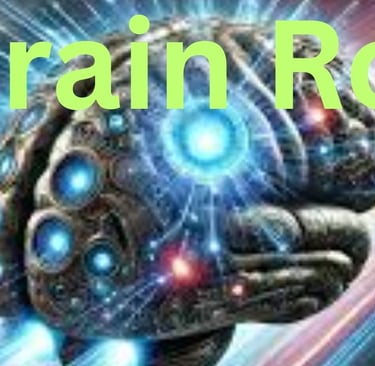
🧠 Brain Rot and Voluntary Fasting: What's the Connection?
✅Voluntary fasting may help protect the brain from neurological deterioration and decay associated with toxins and inflammation. Brain rot isn't an official medical diagnosis, but it indicates severe cognitive decline. Could fasting be an effective preventative measure? Learn about its benefits in enhancing memory and brain health in this science-backed article.
🧠 Meta Keywords:
Brain rot, mental decline, voluntary fasting, intermittent fasting, neurodegeneration, neuroinflammation, autophagy, Alzheimer's, brain toxins, brain protection
Definition
Brain rot is a popular term referring to the supposed deterioration of an individual's mental or intellectual state, resulting from excessive consumption of superficial, non-thought-provoking digital content, such as short videos, memes, and worthless entertainment content on platforms like TikTok and YouTube Shorts.
Historical origin: The first recorded use of the term dates back to 1854 in Henry David Thoreau's book "Walden," in which he criticized the decline of intellectual standards in society and compared it to the "potato rot" of 1810 Europe.
Recent spread: The term became popular as an internet meme in 2020 on Discord, and its usage increased by 230% between 2023 and 2024. Chosen as the "Word of the Year 2024" by the Oxford Dictionary
Mental and Psychological Effects
Deterioration of cognitive functions:
Poor concentration and memory, and difficulty processing complex ideas, as a result of exposure to fast-paced content that requires little mental effort
Decrease in "white matter" in the brain (responsible for communication between neurons), as MRI studies have shown in children who spend >7 hours a day on screens
Psychological Effects:
Increased social isolation and depression, due to the replacement of human interaction with digital content
Sleep disturbances and anxiety, especially in adolescents, as a result of constant exposure to excessive content and blue light
Most Affected Groups
Children and adolescents:
They represent the most vulnerable group due to the malleability and flexibility of their brains. An American study (2023) showed that internet use among them increased from 40% to 70%, with an average of 9 hours per day.
Cases such as Mira (9 years old), who went from being a talented poet and reader to suffering from distraction after becoming addicted to short videos.
Adults:
Examples such as James (42 years old), who lost his ability to concentrate at work or keep appointments.
Manifestations of brain rot in digital culture.
Language and terminology:
The prevalence of Gen Z and Alpha terms such as "skippedie" (from skippedie tolit), "res" (attractiveness), and "dilulu" (obsession).
The use of these terms outside of a digital context, as in Australian Senator Fatima Byman's 2024 parliamentary speech, which was described as "brain rot."
Types of causative content:
"Instant gratification": clips of less than 60 seconds that weaken the ability to endure prolonged mental effort.
"Sludge Content": Split-screen videos distracting
Global efforts to combat the phenomenon
Official warnings:
Pope Francis (2025) called for reducing social media use to avoid "putrefazione cerebrale" (brain rot).
Countries like Australia are considering banning social media platforms for those under 14.
Preventive strategies:
For families: Set time limits on device use, and combine devices during family meals or before bed.
For individuals: Promote "deep activities" such as reading and live conversations, and monitor daily video consumption.
The role of awareness-raising:
Raising awareness among younger generations of the effects of the phenomenon, as seen in discussions on platforms like TikTok about the importance of digital balance.
Conclusion: Between medical diagnosis and cultural phenomenon
"Brain rot" remains a descriptive term rather than an official medical diagnosis, but it reflects a contemporary challenge rooted in Thoreau's analyses 170 years ago.
Its danger lies in its "silent erosion" of mental abilities, especially as digital platforms transform into environments designed for addiction.
Effective confrontation requires concerted family, educational, and political efforts, with a focus on redefining "quality" in digital content.
💎 Conclusion: Fasting as a Neuroprotective Tool
Voluntary fasting is not merely a religious or dietary practice; it is a biological strategy for enhancing brain resilience against the challenges of the digital age.
Through mechanisms such as ketosis, enhanced BDNF, and autophagy, fasting becomes a protective shield against "brain decay," provided it is implemented in a thoughtful manner that balances hydration, nutrition, and reduced exposure to shallow digital content.
However, further human studies remain needed to further understand its complex interactions.
1. Simplification: Converting previously complex information into manageable points.
2. Thematic Categorization: Dividing questions into interconnected groups (causes, symptoms, solutions).
3️⃣ New addition: Including aspects I haven't covered in-depth before, such as the role of schools and video games.
4️⃣ Encourage implementation: Including immediately actionable advice, such as "one hour without screens per day."
- Use clear language that avoids academic complexity.
- Provide everyday examples close to the user's reality (such as the effect of "Reels").
- Explain the difference between normal use and addiction.
- Reference practical situations, such as dealing with stubborn teenagers.
The user seems interested in digital mental health, perhaps as a parent, teacher, or young person looking for solutions.
I will add encouraging notes at the end because the topic may be anxiety-inducing ("change is possible in small steps").
FAQs About "Brain Rot" and voluntary fasting
🧠 The Basics of the Phenomenon
What is brain rot?
"Brain rot" is a popular term describing the deterioration of mental functions like concentration and memory, primarily due to excessive consumption of superficial digital content (e.g., TikTok videos, YouTube Shorts) that doesn't require deep thought.
Is "brain rot" a recognized medical diagnosis?
No, it's a descriptive term, not an official medical diagnosis. However, studies confirm its real effects on the brain, such as reduced white matter and attention deficits.
⚠️ Causes and Symptoms
What are the most common causes of brain rot?
Key causes include addiction to short-form content platforms (often exceeding 7 hours per day), "sludge" content like multi-screen videos, and the pursuit of instant gratification without mental effort.
How do I know if I or my child has it?
Symptoms may include difficulty concentrating on long tasks (like studying), rapid forgetting of information, deterioration in social communication skills, and using unfamiliar internet terms ("skibidi," "rizz") in everyday speech.
🛡️ Prevention and Treatment
How can I protect my children from brain rot?
Limit screen time (aim for two hours per day for children), replace shallow content with mentally stimulating activities (reading, puzzles), and implement device bans during family meals and two hours before bedtime.
What is the role of voluntary fasting in treatment?
Fasting can help by enhancing ketone production (fuel for neurons), activating autophagy to clear brain toxins, and increasing BDNF levels, which improve memory and mood.
Are there other beneficial activities?
Absolutely! Consider meditation for concentration, craft activities (drawing, woodworking), and regular exercise to improve blood flow to the brain.
🌍 The Global Reality of the Phenomenon
Are countries taking action against the phenomenon?
Yes. Australia is considering banning social media for under-14s, the EU is imposing restrictions on TikTok's addictive algorithms, and even Pope Francis (2025) has warned against "brain decay."
Do video games cause brain decay?
They can, especially if they are fast-paced (like PUBG), rely on constant stimulation without strategic thinking, or are played for more than 3 hours daily without balancing activities.
💡 Practical Tips
How do I start a "digital detox" for my mind?
Start by deleting your most time-consuming apps weekly, utilizing your phone's "Screen Time" feature, and dedicating at least one hour per day to "deep activities" like reading a physical book.
Is it possible to recover from brain rot?
Yes, gradual recovery is possible. Try reducing digital content by 20% per week, training your brain with long-term tasks (e.g., 30 minutes of puzzles), and seeking a psychiatrist if symptoms are accompanied by depression or anxiety. Remember, change is possible in small steps!
📌 Awareness Summary
"Brain rot is the slow collapse of our cognitive abilities due to unconscious digitalization. Countering it begins with:
Awareness: Understanding the effects of the content you consume.
Willpower: Setting clear digital boundaries.
Alternatives: Engaging in deep activities that rebuild the mind.
=================================================================================================================
🧠 Brain Rot and Voluntary Fasting: What's the Connection?
Author Bio:
🧠 Brain Rot and Voluntary Fasting: What's the Connection?
The term "Brain Rot" has exploded in internet culture—originally describing the cognitive fog, shortened attention span, and dopamine dysregulation caused by endless scrolling, algorithmic feeds, and hyper-stimulation. But beneath the meme lies a real biological question: Can voluntary fasting actually protect the brain from cognitive decline, digital or otherwise?
The short answer: Yes, through several well-documented mechanisms. But fasting is not a magic cure for bad habits.
1. What "Brain Rot" Actually Means Biologically
Whether caused by digital overstimulation or aging, "brain rot" symptoms map to measurable biological dysfunctions.
Brain fog and poor focus correlate with reduced cerebral blood flow, mitochondrial dysfunction, and neuroinflammation.
A shortened attention span reflects dopamine receptor downregulation (specifically D2 receptors) and chronic novelty-seeking behavior. Memory lapses connect to reduced BDNF (Brain-Derived Neurotrophic Factor) and hippocampal shrinkage.
Mental fatigue stems from impaired glucose metabolism in neurons and oxidative stress. Anxiety and low mood often result from gut-brain axis disruption and chronic cortisol elevation.
2. How Voluntary Fasting Counteracts These Mechanisms
🔄 Autophagy: The Brain's "Disk Cleanup"
During fasting—especially after 16–24 hours—the brain activates autophagy, the cellular recycling process discussed in your previous cancer and fasting research.
Autophagy clears misfolded proteins (the same proteins implicated in Alzheimer's and Parkinson's), damaged mitochondria (the root cause of "brain fog"), and oxidized lipids along with inflammatory debris.
Key point: Unlike cancer cells, neurons are terminally differentiated—they don't divide. They depend entirely on autophagy for maintenance. Fasting is essentially a deep clean for a non-renewable cell population.
⚡ Ketones: A Superior Brain Fuel
When fasting depletes liver glycogen, the liver produces ketone bodies (BHB and acetoacetate).
The brain loves ketones for several reasons. They cross the blood-brain barrier easily. They produce more ATP per oxygen molecule than glucose, making them an efficient fuel during low-energy brain states. They reduce oxidative stress compared to glucose metabolism. They also increase mitochondrial biogenesis in neurons.
For "brain rot," ketones bypass broken glucose metabolism (common in insulin-resistant brains) and provide stable energy, reducing the crash-and-fog cycle.
🌱 BDNF: Fertilizer for Neurons
Fasting significantly increases Brain-Derived Neurotrophic Factor (BDNF)—the fertilizer that grows new neurons and strengthens synaptic connections.
This impacts "brain rot" in multiple ways. Neurogenesis creates new neurons in the hippocampus, the brain's memory center. Synaptic plasticity improves learning and focus. Stress resilience reduces anxiety and mental fatigue. Restored dopamine receptor sensitivity helps heal reward pathways dulled by overstimulation.
🔥 Neuroinflammation Reduction
Chronic low-grade inflammation—from poor diet, obesity, or stress—is now recognized as a driver of depression and cognitive decline. Fasting reduces IL-6 and TNF-α (pro-inflammatory cytokines), microglial activation (the brain's immune cells gone haywire), and gut permeability (reducing inflammatory endotoxins that reach the brain).
🎯 Dopamine Reset: The "Digital Detox" Biochemistry
This is where fasting intersects most directly with cultural "brain rot."
Constant digital stimulation (social media, notifications, short-form video) floods the brain with dopamine spikes. Over time, D2 dopamine receptors downregulate, meaning you need more stimulation to feel normal.
Fasting helps reset this system by removing the behavioral cue of eating-as-reward, restoring dopamine receptor sensitivity through periodic deprivation, increasing dopamine tone (baseline levels) rather than spikes, and enhancing prefrontal cortex function for impulse control and decision-making.
Think of fasting as a dopamine fast for the brain's reward circuitry—not just food, but the habit loops around consumption.
3. The Evidence: What Studies Show
Mattson et al. at Johns Hopkins found that intermittent fasting improves cognitive function and protects against neurodegeneration via BDNF and autophagy. Valter Longo at USC demonstrated that the fasting-mimicking diet (FMD) reduces neuroinflammation and promotes hippocampal regeneration. Ketone research shows that BHB ketones reduce amyloid-beta toxicity in Alzheimer's models. Dopamine studies indicate that caloric restriction restores striatal D2 receptor density in animal models.
4. Important Nuances & Warnings
Fasting does NOT replace sleep, exercise, or digital hygiene. You cannot fast your way out of six hours of TikTok and four hours of sleep. Fasting is a synergistic tool, not a standalone fix.
Who should NOT fast for brain health? People with active eating disorders. Those on psychiatric medications that require food (such as lithium or some antidepressants). Type 1 diabetics, due to hypoglycemia risk. Pregnant or breastfeeding women.
Duration matters for brain benefits. At 12–16 hours of fasting, mild autophagy begins and ketone elevation starts. At 18–24 hours, significant BDNF rise and deeper autophagy occur. At 24–48 hours, peak neuroprotective effects are reached—but this requires medical supervision.
5. Practical Protocol for Cognitive Enhancement
If your goal is reversing "brain rot" through fasting, consider these approaches.
Daily Time-Restricted Eating (TRE): A 16:8 pattern (fasting 16 hours, eating within an 8-hour window) is sustainable and provides a good BDNF boost.
Weekly Twice-Per-Week Fasting (TWF): The 5:2 approach (two non-consecutive low-calorie days per week) triggers deeper autophagy.
Pair fasting with: Omega-3 fatty acids, magnesium, and adequate protein during eating windows.
Avoid breaking fasts with sugar bombs—this destroys the dopamine reset you worked to achieve.
Combine with: Morning sunlight exposure, cold exposure, and intentional boredom (no screens during the fast).
🏁 The Bottom Line
Voluntary fasting fights "brain rot" on three fronts:
Biologically, it clears cellular debris, reduces inflammation, and fuels neurons with ketones. Neurochemically, it resets dopamine sensitivity and restores focus capacity. Behaviorally, it breaks the constant consumption-reward loop that digital platforms exploit.
But fasting is a scalpel, not a hammer. It works best when combined with sleep hygiene, physical movement, and deliberate boundaries around technology.
The ultimate antidote to brain rot isn't just what you eat—it's what you don't consume, both digitally and metabolically.
Dr. Hassan Al-Waraqi
Founder of H-K-E-M.com, Dr. Al-Waraqi is a physician and researcher in natural medicine and fasting therapy.
He combines modern scientific knowledge with traditional wisdom to prevent chronic diseases through fasting, detoxification, and lifestyle improvements, with a special focus on brain and nervous system health.
======================================================================================================================================
⚠️ Symptoms of Insulin Resistance: Are You Infected by the "Silent Enemy"?
Insulin resistance is called the "silent enemy" for a simple reason: 70% of those infected do not feel any clear symptoms for many long years. But the body sends warning signals before reaching the stage of diabetes.
🔴 Skin Signs (The Most Specific)
Acanthosis Nigricans Dark, velvety patches that appear in body folds: the back of the neck, armpits, inner thighs, under the breast. They do not wash off with soap, and indicate high insulin levels.
Skin Tags Small, fleshy growths forming in the neck, armpits, and eyelids. They are directly linked to high insulin and visceral obesity.
🟡 Metabolic and Physical Signs
Central Obesity (The Belly) Fat accumulation in the abdominal area more than the buttocks and thighs. A waist circumference of more than 102 cm for men and 88 cm for women warns of danger.
Constant Hunger and Intense Craving for Sweets Cells are "starving" despite sugar being present in the blood, so they send repeated hunger signals every two hours.
Fatigue After Eating Feeling sluggish and extremely drowsy after meals, especially starchy carbohydrates.
Brain Fog Difficulty concentrating, frequent forgetfulness, lack of mental clarity — because the brain does not get its fuel efficiently.
Difficulty Losing Weight High insulin traps fat inside cells and prevents it from burning, so diets are followed without result.
🟠 Hormonal Signs (Especially for Women)
Polycystic Ovary Syndrome (PCOS) Menstrual irregularity, absence of ovulation, male-pattern hair growth on the face and chest, acne resistant to treatment, and hair loss from the front.
Insomnia and Sleep Disorders Difficulty falling asleep or frequent waking at night, especially with elevated cortisol.
🔵 Blood and Functional Signs
High Blood Pressure High insulin retains sodium and narrows blood vessels, so numbers gradually rise.
High Triglycerides and Low Good Cholesterol (HDL) Insulin stimulates the liver to produce more fat and reduces protective cholesterol.
Fatty Liver Fat accumulation in the liver without drinking alcohol, shown by ultrasound or elevated liver enzymes.
Borderline Fasting Sugar Readings between 100–125 mg/dL in the morning, or HbA1c between 5.7–6.4%.
⚫ Advanced Signs (Before Entering the Diabetes Stage)
Excessive Thirst and Frequent Urination The kidneys try to get rid of excess sugar, pulling water with it.
Blurred Vision High sugar temporarily changes the shape of the eye lens.
Delayed Wound Healing Poor circulation and high sugar weaken tissue repair.
Recurrent Fungal Infections Especially in moist areas: the mouth, armpits, and genital areas.
🩺 When Should You Get Tested?
If you have three or more of the following:
A visible belly and elevated waist circumference
A family history of diabetes
Obesity and difficulty losing weight
Dark patches on the neck
Constant hunger and craving for sweets
Chronic fatigue after eating
Polycystic ovaries (for women)
Ask your doctor for:
Fasting insulin (Normal: 2–6 µU/mL)
HOMA-IR (Normal: less than 2.5)
HbA1c (Normal: less than 5.7%)
Comprehensive lipid panel
⚕️ Remember: Insulin resistance is completely reversible in its early stages. The earlier you detect it, the easier and more effective the intervention.

Get in touch
Address
Cairo Al Rehab
Contacts
+20 109 405 2056
hassanalwarraqi@h-k-e-m.com