Health is a crown on the heads of the healthy that only the sick can see.



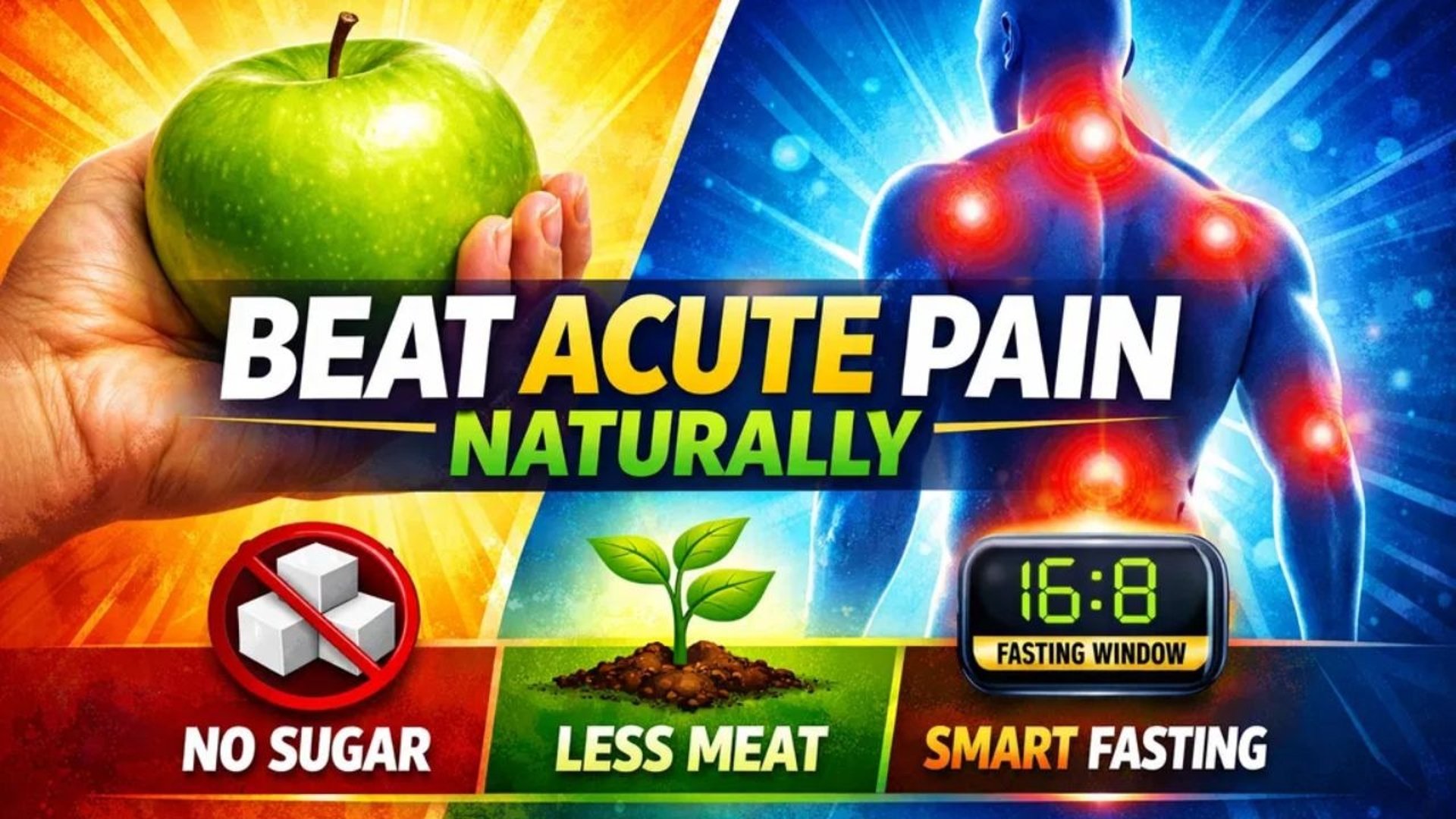
🚀🥗 Beat Acute Pain Naturally: No Sugar, Less Meat, Smart Fasting
how reducing sugar, limiting meat, and using smart fasting can help relieve acute pain naturally. Learn the science behind inflammation, safe fasting tips, and when to seek help
FASTINGACUTE PAIN
Dr Hassan Al Warraqi
3/26/20266 min read
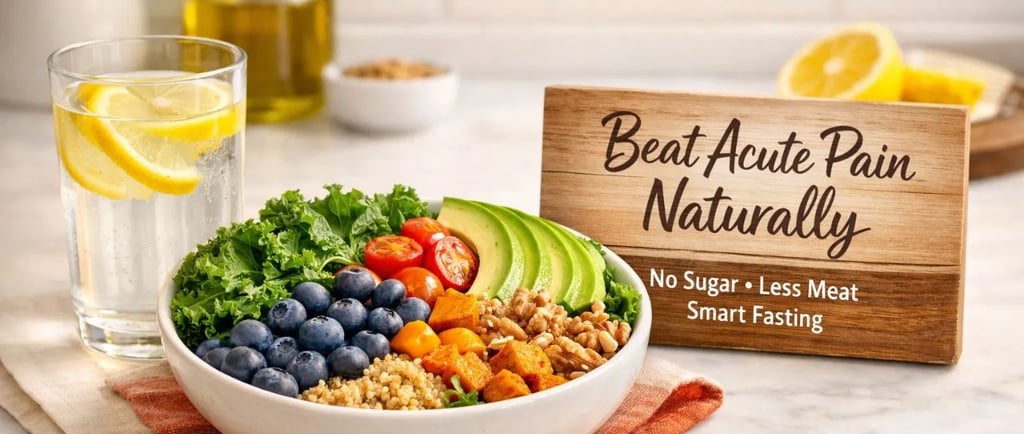
🚀🥗 Beat Acute Pain Naturally: No Sugar, Less Meat, Smart Fasting
how reducing sugar, limiting meat, and using smart fasting can help relieve acute pain naturally. Learn the science behind inflammation, safe fasting tips, and when to seek help .
Learn how eliminating sugar and meat during fasting may reduce acute pain from gout, arthritis, or inflammation.
✨ Introduction
Acute pain is one of the body’s most powerful warning signals—often appearing suddenly and demanding immediate attention.
While conventional approaches focus on medications and rest, growing interest in nutritional and metabolic strategies has highlighted the potential role of diet in pain modulation.
Reducing sugar intake, limiting certain types of meat, and applying short, controlled fasting periods are approaches that may help lower inflammation and support the body’s natural healing processes.
However, understanding when and how to use these strategies safely is essential, as not all pain originates from the same cause.
Fasting is a powerful tool for reducing inflammation and resetting metabolism. But for some people, breaking a fast—or the fast itself—can trigger or worsen acute pain: sudden joint swelling, gout flares, severe headaches, or digestive distress.
Two dietary culprits often overlooked are sugar and meat.
This guide explains why stopping both during fasting can help alleviate acute pain, and provides a step‑by‑step refeeding protocol.
1. The Core Protocol for Acute Pain
If you experience acute pain while fasting:
Stop sugar – refined sugar and high‑glycemic carbs spike insulin and fuel inflammation.
Stop meat – especially red and processed meat, which elevate uric acid and arachidonic acid.
Continue short, controlled fasting (12–24 hours) to reduce inflammatory markers.
Break the fast gently with anti‑inflammatory, plant‑based foods and electrolyte support.
2. Why Sugar Worsens Acute Pain During Fasting
Sugar and refined carbohydrates cause rapid blood glucose and insulin spikes.
This triggers the release of pro‑inflammatory cytokines, which can:
Intensify joint pain and swelling
Prolong gout attacks
Trigger or worsen migraines
Fasting naturally lowers blood sugar and reduces inflammatory pathways.
Adding sugar reverses that benefit.
Even small amounts of sugar (fruit juice, honey, sweetened drinks) can disrupt the anti‑inflammatory state achieved during fasting.
3. How Meat Exacerbates Acute Pain
Meat—especially red and processed varieties—contains several pain‑promoting compounds:
Compound
Effect on Pain
Purines
Convert to uric acid; can crystallize in joints (gout)
Arachidonic acid
Precursor to pro‑inflammatory prostaglandins
AGEs (advanced glycation end‑products)
Promote oxidative stress and inflammation
During fasting, uric acid levels already tend to rise because the kidneys prioritize ketone excretion.
Adding purine‑rich meat creates a “double hit” that can trigger acute joint pain or a gout flare.
4. The Role of Short Fasts in Acute Pain Management
Short fasts (12–24 hours) can:
Lower systemic inflammation (CRP, IL‑6)
Give the digestive system a rest
Support autophagy (cellular cleanup)
Caution: Acute fasting may temporarily reduce pain tolerance in the first 12–24 hours due to shifts in dopamine and serotonin.
This is normal but means you should pay extra attention to hydration and electrolytes.
If you have an active gout flare, consult a healthcare provider before fasting, as rapid changes in uric acid can sometimes prolong the attack.
5. How to Break Your Fast for Acute Pain Relief
Breaking a fast correctly is as important as the fast itself.
Follow these steps to minimize pain:
Step 1: Start with liquids
Bone broth or vegetable broth (warm, hydrating)
Electrolyte water (sea salt + potassium)
Step 2: First small meal (30–60 minutes later)
Steamed leafy greens (spinach, kale) with olive oil
A handful of almonds or pumpkin seeds
Step 3: Main meal (2–3 hours later)
Lentil or chickpea soup
Quinoa with roasted vegetables
Avocado or tahini dressing
Avoid during refeeding
Red meat, processed meat, poultry (temporarily)
Sugar, fruit juice, dried fruit
Fried foods, dairy (for some individuals)
6. Electrolytes: The Missing Link in Fasting Pain
Many fasting‑related headaches, muscle cramps, and fatigue are caused by electrolyte imbalances, not food choices. During fasting, insulin drops and the kidneys excrete more sodium and water.
Essential electrolytes:
Electrolyte
Role
Safe Supplementation
Sodium
Prevents headaches, lightheadedness
¼ tsp sea salt in water, 2–3 times/day
Potassium
Supports muscle function
¼ tsp potassium chloride in water once daily
Magnesium
Relaxes muscles, calms nerve pain
200–400 mg magnesium glycinate before bed
🔚 Conclusion
Limiting sugar, moderating meat consumption, and practicing short-term fasting can offer supportive benefits in managing certain types of acute pain—particularly those linked to inflammation and metabolic imbalance.
These strategies may help calm the body’s internal environment and promote recovery, but they should never replace proper medical evaluation when pain is severe, persistent, or unexplained.
The key lies in balance: using nutrition and fasting as complementary tools while remaining attentive to the body’s signals and seeking care when necessary.
Frequently Asked Questions (FAQs)
1. How long after stopping sugar and meat will acute pain improve?
If pain is driven by uric acid or inflammatory foods, improvement often begins within 24–72 hours.
Full resolution depends on the underlying condition.
Gout flares may take several days; inflammatory arthritis may require 1–2 weeks of consistent dietary changes.
2. Can I have fruit if I’m stopping sugar?
Whole fruits with fiber (berries, green apple) are acceptable in small amounts.
Avoid fruit juices, dried fruits, and high‑sugar fruits like grapes or mangoes during acute pain.
Berries are especially rich in anti‑inflammatory antioxidants.
3. Do I need to stop all meat, or just red meat?
For acute pain, it’s safest to avoid all meat (including poultry and fish) until symptoms subside.
Once pain resolves, reintroduce lean poultry or fatty fish in small amounts and observe your response.
Processed meats should remain off‑limits.
4. Is fasting safe during an acute gout attack?
Gout requires caution.
Fasting alone can raise uric acid; combining it with high‑purine foods is dangerous.
If you fast and strictly avoid purine‑rich foods, the risk is lower.
However, many doctors advise against prolonged fasting during an active flare.
Always consult your physician.
5. When should I see a doctor instead of trying dietary changes?
Seek medical attention if:
Pain is severe, sudden, or accompanied by fever
You have chest pain, difficulty breathing, or neurological symptoms
You have a known condition (gout, diabetes, kidney disease) and are unsure about fasting
Pain does not improve after 48 hours of dietary modifications
Conclusion
Stopping sugar and meat during fasting can be a powerful strategy to reduce acute pain.
The mechanisms are clear:
Lower uric acid burden
Reduced arachidonic acid and AGEs
Stabilized blood sugar and insulin
Support for the body’s natural anti‑inflammatory state
Combine these dietary changes with short, controlled fasting, electrolyte replenishment, and a gentle refeeding plan.
Always listen to your body, and consult a healthcare professional when pain is severe or you have underlying health conditions.
Disclaimer: This article is for informational purposes only and does not constitute medical advice.
Consult a healthcare provider before starting any fasting or dietary regimen, especially during acute illness.
====================================================================================================================================================================================
🚀🥗 Beat Acute Pain Naturally: No Sugar, Less Meat, Smart Fasting
https://www.h-k-e-m.com/-beat-acute-pain-naturally-no-sugar-less-meat-smart-fasting
Beat Acute Pain Naturally: A Comprehensive Guide
Acute pain, while a vital warning signal, can significantly impact quality of life.
While conventional treatments are often necessary, adopting certain lifestyle modifications can profoundly influence pain perception and inflammatory responses within the body.
This guide explores three key dietary and lifestyle principles—eliminating sugar, reducing meat consumption, and practicing smart fasting—as natural strategies to manage acute pain by addressing underlying inflammation.
1. The Anti-Inflammatory Foundation: No Sugar
Excessive consumption of sugar, particularly refined sugars, is a significant contributor to systemic inflammation, which can exacerbate acute pain.
Research indicates that high sugar intake triggers the release of pro-inflammatory cytokines, such as TNF-alpha and IL-6, which are signaling molecules that activate immune cells and promote inflammation
.
Furthermore, rapid spikes in blood sugar levels lead to increased insulin release, which has been linked to heightened pain sensitivity and inflammatory responses
. Another mechanism involves the formation of Advanced Glycation End-products (AGEs).
These harmful compounds form when sugars react with proteins or fats in the body, accumulating over time and contributing to tissue damage and chronic inflammation
. By eliminating added sugars and refined carbohydrates, individuals can significantly reduce the body's inflammatory burden, thereby potentially lowering their
“pain floor” and improving their ability to manage acute pain.
2. Reducing Pro-Inflammatory Factors: Less Meat
While meat can be a source of essential nutrients, certain types, particularly red and processed meats, are associated with increased inflammation.
These meats are often high in arachidonic acid, a fatty acid that serves as a precursor to pro-inflammatory prostaglandins (PGE2)
. High intake of saturated fats, commonly found in meat, also contributes to low-grade chronic inflammation
.
Conversely, diets rich in plant-based foods, which are abundant in antioxidants and phytonutrients, have been shown to improve pain outcomes in inflammatory conditions like rheumatoid arthritis and fibromyalgia
. It is important to distinguish this dietary advice from the "MEAT" protocol (Movement, Exercise, Analgesics, Treatment) used in sports injury management, which focuses on physical rehabilitation rather than dietary intake
. For dietary purposes, reducing the consumption of pro-inflammatory animal products can be a beneficial strategy for managing acute pain.
3. Metabolic Reset and Anti-Inflammatory Effects: Smart Fasting
Smart fasting, particularly intermittent fasting, has gained recognition for its potential anti-inflammatory benefits.
Fasting initiates cellular processes such as autophagy, where the body cleans out damaged cells and reduces cellular stress, contributing to overall cellular health and reduced inflammation
.
Studies have demonstrated that intermittent fasting can reduce the release of pro-inflammatory monocytes in the blood, which are immune cells that contribute to inflammatory responses
. Additionally, fasting can induce a mild state of ketosis, where the body produces ketones like beta-hydroxybutyrate. These ketones act as signaling molecules that can inhibit inflammatory pathways, such as the NLRP3 inflammasome
. While some acute fasting studies in healthy individuals have shown temporary decreases in pain tolerance, the long-term practice of intermittent fasting is generally associated with a reduction in chronic inflammatory markers and improved pain management
.
Conclusion
By integrating these three natural strategies—eliminating sugar, reducing meat consumption, and practicing smart fasting—individuals can create a metabolic environment that actively combats inflammation. This holistic approach can serve as a powerful adjunct to conventional treatments, helping to alleviate acute pain and promote overall well-being.
acute pain relief, fasting for pain, reduce inflammation naturally, no sugar diet pain, meat and inflammation, anti inflammatory diet, fasting benefits, علاج الألم الحاد طبيعياً, الصيام والالتهاب, تقليل السكر والألم, intermittent fasting pain relief, diet for inflammation, natural pain remedies, التخلص من الالتهاب, fasting health benefits, تقليل اللحوم والألم, metabolic health fasting, pain management without drugs
====================================================================================================================================================================================

Get in touch
Address
Cairo Al Rehab
Contacts
+20 109 405 2056
hassanalwarraqi@h-k-e-m.com