
Health is a crown on the heads of the healthy that only the sick can see.



💪Therapeutic Fasting:Longevity Restore,Renew&Rejuvenate
Discover how therapeutic fasting triggers autophagy, improves metabolic health, and supports mental clarity — plus how to prepare safely and avoid common risks.
FASTING
Dr Hassan Al Wwarraqi
7/18/202619 min read
💪Therapeutic Fasting:Longevity Restore,Renew&Rejuvenate
Discover how therapeutic fasting triggers autophagy, improves metabolic health, and supports mental clarity — plus how to prepare safely and avoid common risks.
Therapeutic fasting is an ancient practice with growing scientific support behind it.
Understood and practiced correctly, it can support cellular repair, metabolic health, and mental clarity — but it also carries real risks that deserve equal attention.
This guide walks through the science, the methods, and how to approach fasting safely.
What Is Therapeutic Fasting?
Therapeutic fasting means voluntarily abstaining from food — and sometimes drink — for a defined period, specifically to support physical health and mental clarity, distinct from fasting undertaken purely for religious or spiritual reasons.
Historical figures such as Hippocrates and Paracelsus wrote about its benefits centuries ago, and the practice appears across many cultures and religious traditions.
What makes it appealing is its simplicity: no special equipment, supplements, or financial investment required.
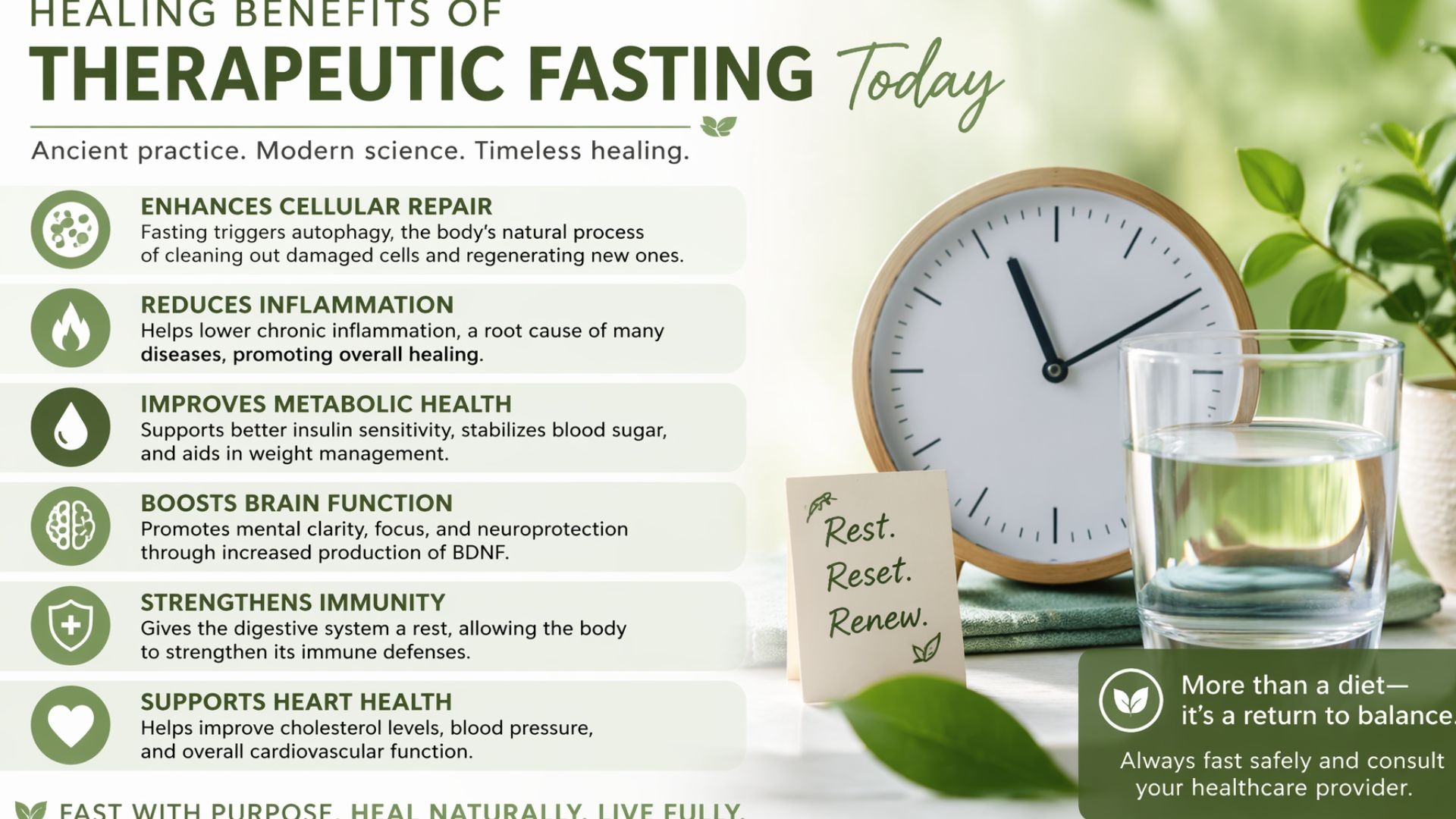
Instead, fasting relies on the body's own regenerative processes — giving the digestive system a break so the body can redirect energy toward cellular repair, reduced inflammation, and metabolic recalibration.
The Science Behind Fasting and Health
Fasting triggers several distinct physiological processes:
Autophagy
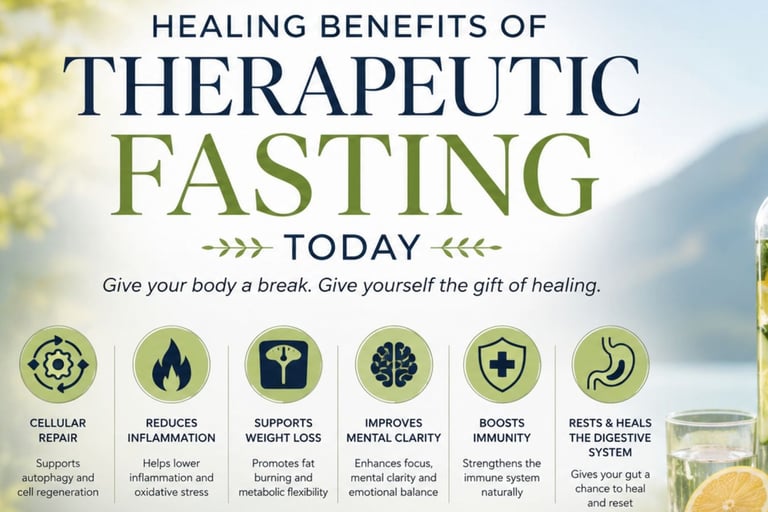
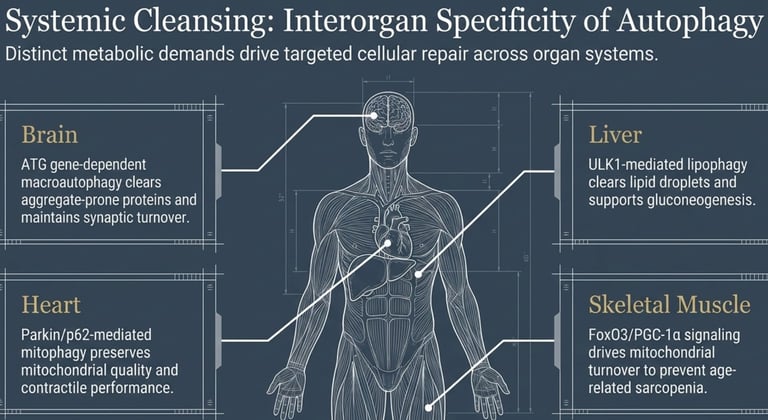
This is the body's cellular cleanup mechanism — damaged components within cells are broken down and recycled.
Autophagy is considered central to cellular maintenance and has been studied for its potential role in reducing risk of certain cancers and neurodegenerative conditions, though most of the strongest evidence for autophagy's disease-prevention effects still comes from animal models rather than large human trials.
Ketosis
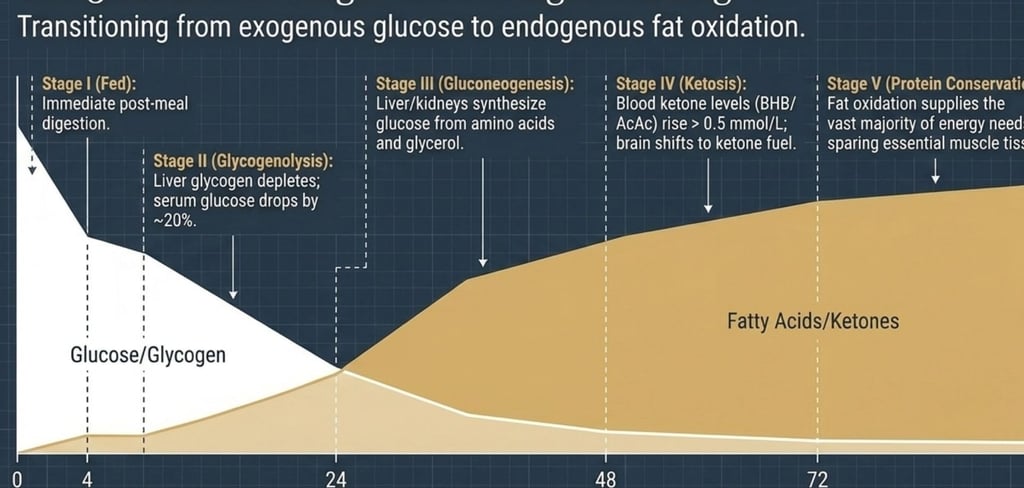
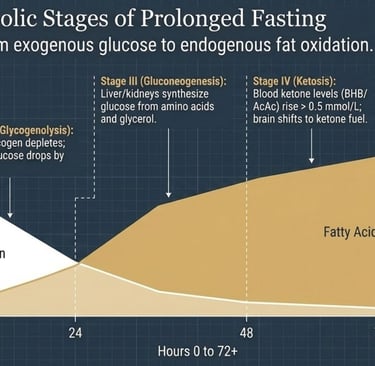
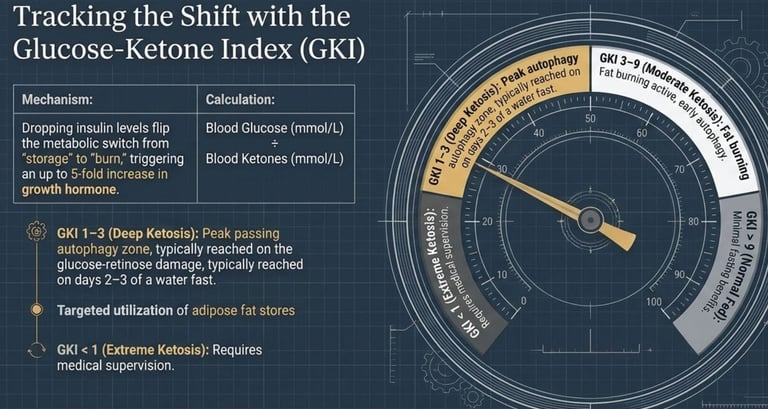
When carbohydrate intake drops, the body shifts to breaking down fat stores for fuel, producing ketones as an alternative energy source.
Ketones provide a steady fuel supply to the brain and are associated with improved insulin sensitivity, more stable blood sugar, and — in some studies — enhanced mental clarity.
Insulin and metabolic signaling
Fasting lowers circulating insulin levels, which facilitates fat mobilization and can improve insulin sensitivity over time — relevant for anyone managing insulin resistance or prediabetes.
Hormonal shifts. Short-term fasting increases norepinephrine, which supports alertness and metabolic rate, and can transiently raise human growth hormone (HGH) — a hormone involved in tissue repair and muscle preservation.
These shifts help explain why well-structured fasting protocols don't necessarily cause the muscle loss many people expect.
Inflammation and oxidative stress
Several markers of systemic inflammation drop during fasting periods, which is part of why fasting is studied in the context of cardiovascular disease, autoimmune conditions, and neurodegeneration.
Types of Therapeutic Fasting
Intermittent fasting (IF): Cycling between eating and fasting windows within each day or week.
The 16/8 method (16 hours fasting, 8-hour eating window) and the 5:2 method (normal eating five days, sharply reduced calories on two non-consecutive days) are the most common variations.
Extended or prolonged fasting: Fasts lasting 24 hours to several days, generally used for deeper metabolic effects.
These require more preparation and, ideally, medical supervision — the risks (electrolyte imbalance, refeeding syndrome) scale with duration.
Alternate-day fasting (ADF): Alternating between normal eating days and fasting or very-low-calorie days. Effective for weight management but harder to sustain long-term for many people.called divided fasting
Water fasting vs. juice fasting: Water fasting permits only water; juice fasting allows vegetable or fruit juices, which provide some nutrients but don't induce the same depth of fasting response.
Fasting-mimicking diet (FMD): A structured, low-calorie, higher-fat eating pattern designed to trigger fasting-like metabolic effects while still providing some nutrient intake — often used as a gentler entry point or for those who can't safely undertake true fasting.
Health Benefits of Therapeutic Fasting
Weight and body composition
Fasting reduces overall calorie intake and shifts the body toward fat as a fuel source.
Some research suggests intermittent fasting may preserve lean muscle mass better than continuous calorie restriction, partly via the HGH mechanism noted above — though outcomes vary by individual and protocol.
Metabolic and cardiovascular health
Fasting is associated with improved insulin sensitivity, lower fasting blood sugar, and reductions in LDL cholesterol and triglycerides in several studies — relevant to reducing type 2 diabetes and cardiovascular disease risk over time.
Brain health
Ketosis provides a stable brain fuel source, and fasting has been shown to increase brain-derived neurotrophic factor (BDNF), a protein supporting neuron growth and resilience.
This is part of why fasting protocols are being studied in neurodegenerative disease research.
Cellular aging
By enhancing autophagy and lowering oxidative stress, fasting is thought to support cellular longevity pathways, though "anti-aging" claims in humans should be read cautiously — much of this evidence is still preliminary.
How to Prepare for a Therapeutic Fast
Consult a healthcare provider first, especially with any underlying condition or medication use.
Taper gradually — reduce processed foods, refined sugar, and caffeine in the days leading up to the fast rather than stopping abruptly.
Prioritize hydration — water, herbal teas, and electrolytes in the lead-up and during the fast.
Plan your schedule around lower physical demands, especially for longer fasts.
Start short and build up — beginners should favor shorter fasting windows and extend duration only as tolerated.
Set a clear intention, and be prepared to break the fast if you experience dizziness, confusion, or other concerning symptoms.
Common Myths About Fasting
"Fasting causes muscle loss."
Short-term fasting primarily draws on fat stores, and the HGH increase associated with fasting can support muscle preservation.
Muscle loss becomes a real concern mainly with prolonged fasting done without proper refeeding.
"Fasting slows metabolism."
This applies to chronic, severe calorie restriction — not typically to intermittent fasting, which is associated with increased norepinephrine and, in most studies, a stable or even modestly increased metabolic rate over the fasting window.
"Fasting causes nutrient deficiencies."
Short fasts are unlikely to cause deficiencies in an otherwise well-nourished person.
This becomes a genuine concern only with prolonged fasting, where nutrient intake should be monitored and supplementation considered.
"You'll be hungry and lethargic the whole time."
Hunger typically peaks early and subsides as the body adapts; many people report more stable energy and focus once adapted, though this varies individually.
Potential Risks and Who Should Avoid Fasting
Fasting isn't appropriate for everyone.
Pregnant or breastfeeding women,
people with a history of eating disorders, and those with diabetes or
significant heart disease
should not fast without medical guidance.
Key risks to watch for:
Dehydration and electrolyte imbalance — mitigated with adequate water intake and, for longer fasts, electrolyte or mineral-rich broths.
Refeeding syndrome — a potentially serious metabolic disturbance that can occur when eating resumes too quickly after prolonged fasting. Reintroduce food gradually and favor balanced, nutrient-dense meals.
Psychological impact — mood swings or irritability are common, particularly for beginners; a support system or fasting community can help.
Illustrative Scenarios
Fasting outcomes vary widely by individual, health status, and protocol adherence — the following are illustrative patterns seen in fasting research and practice, not clinical case studies:
Someone managing type 2 diabetes who adopts a structured 16/8 intermittent fasting routine, under medical supervision, may see meaningful improvements in weight and glycemic markers over several months — though "reversal" of diabetes is not a guaranteed or universal outcome, and any medication adjustments should be physician-directed.
Someone managing a chronic inflammatory or autoimmune condition might explore alternate-day fasting alongside their existing treatment plan, with some reporting reduced fatigue and inflammation over time.
Fasting should complement, not replace, medical care in these cases.
Integrating Fasting Into Your Lifestyle
Start with a method that fits your schedule — intermittent fasting is often the most practical entry point.
Build your eating windows around nutrient-dense whole foods: vegetables, lean proteins, healthy fats, and whole grains, while minimizing processed foods and added sugar.
Mindfulness practices — meditation, breathing exercises, adequate sleep — support the mental and emotional side of fasting, which matters as much as the physical protocol itself.
Conclusion
Therapeutic fasting, approached with preparation and appropriate medical guidance, offers a well-supported path toward metabolic, cognitive, and cellular health.
The science behind autophagy, ketosis, and hormonal shifts during fasting is genuinely compelling — but so are the risks for certain populations.
The most effective approach is personalized: understand the mechanisms, start conservatively, and treat fasting as one tool within a broader health strategy rather than a cure-all.
Frequently Asked Questions About Therapeutic Fasting FAQS
What exactly is therapeutic fasting and how does it differ from religious fasting?
Therapeutic fasting is the deliberate abstention from food and sometimes specific beverages for a predetermined period to achieve targeted health benefits, including weight loss, improved metabolic function, enhanced mental clarity, and cellular regeneration.
While religious fasting—such as Ramadan in Islam, Lent in Christianity, or Yom Kippur in Judaism—primarily serves spiritual purposes like purification, devotion, or atonement, therapeutic fasting is specifically designed to enhance physical health, mental acuity, and overall vitality.
The physiological effects may overlap, but the intention, duration, and protocols differ significantly.
Therapeutic fasting often follows scientifically structured methods like intermittent fasting, prolonged fasting, or the fasting-mimicking diet, with careful attention to hydration, electrolyte balance, and refeeding strategies.
How long does it take to see results from therapeutic fasting?
The timeline for experiencing results varies considerably based on the fasting method chosen, individual metabolic health, consistency of practice, and specific health goals.
Many people report improved mental clarity and reduced bloating within the first 24 to 48 hours of fasting as the body transitions into ketosis and begins cellular cleanup processes.
Weight loss typically becomes noticeable within one to two weeks of consistent intermittent fasting, with more significant body composition changes appearing over one to three months.
Metabolic markers such as improved insulin sensitivity, lower fasting blood glucose, and reduced triglycerides often show measurable improvement within four to twelve weeks.
Deeper cellular benefits like enhanced autophagy and immune system regeneration may require prolonged fasts of 24 to 72 hours or consistent long-term intermittent fasting practice to reach full activation.
Can I exercise while fasting and will it affect my performance?
Exercise during fasting is not only possible but can be beneficial for many individuals, though the type, intensity, and timing matter significantly.
Low to moderate intensity activities such as walking, yoga, light jogging, or gentle cycling are generally well-tolerated during fasting periods and may even enhance fat oxidation.
High-intensity interval training, heavy resistance training, or endurance events lasting longer than 60 minutes are best scheduled during eating windows or shortly after breaking a fast when glycogen stores and amino acid availability support optimal performance and recovery.
Many experienced fasters report that their endurance and steady-state performance actually improve once fully fat-adapted, typically after two to four weeks of consistent fasting.
However, beginners should ease into exercise during fasting, stay well-hydrated, and pay close attention to signs of dizziness, weakness, or excessive fatigue.
Will fasting cause me to lose muscle mass instead of fat?
This is one of the most persistent concerns about fasting, but scientific evidence largely contradicts this fear for properly structured fasting protocols.
While prolonged, unplanned fasting without attention to protein intake during eating windows can lead to muscle catabolism, well-structured
intermittent fasting has been shown to preserve and in some cases enhance lean muscle mass.
The dramatic increase in human growth hormone during fasting—sometimes rising by 300 percent or more—acts as a powerful muscle-sparing signal.
Studies comparing intermittent fasting to continuous calorie restriction typically show equivalent or superior muscle retention with fasting protocols.
To maximize muscle preservation, ensure adequate protein intake during eating windows (aiming for approximately 0.7 to 1 gram per pound of goal body weight daily), engage in regular resistance training, and avoid excessively prolonged fasts without medical supervision.
Does fasting really boost metabolism or will it slow down over time?
Short-term fasting actually increases metabolic rate rather than decreasing it.
Research demonstrates that fasting for up to 48 to 72 hours can increase metabolic rate by 3.6 to 14 percent through elevated norepinephrine levels,
which enhance fat burning and energy expenditure.
The confusion arises from conflating chronic, severe calorie restriction with periodic fasting.
Severe calorie restriction maintained over months or years does lower metabolic rate as the body adapts to perceived starvation. However, intermittent fasting creates a fundamentally different hormonal environment—periodic deprivation followed by adequate refeeding maintains metabolic flexibility and prevents the adaptive thermogenesis that characterizes chronic dieting.
The body's metabolic rate tends to stabilize and even increase after a period of fasting, preventing the so-called starvation mode that many people fear.
What should I eat when I break a fast to maximize benefits and avoid digestive distress?
Breaking a fast thoughtfully is as important as the fast itself.
After shorter fasts of 16 to 24 hours, most people can resume normal eating without significant issues, though starting with easily digestible foods is still wise.
After prolonged fasts of 24 hours or more, reintroduction of food must be gradual to prevent digestive upset, refeeding syndrome, or blood sugar spikes.
Ideal breaking foods include bone broth, which provides gentle hydration and minerals; cooked vegetables like zucchini, spinach, or squash; lean proteins such as eggs, fish, or poultry; healthy fats from avocado or olive oil; and fermented foods like kimchi or sauerkraut to support gut microbiome restoration.
Avoid breaking extended fasts with large meals, processed carbohydrates, sugary foods, or heavy, greasy items, as these can overwhelm the digestive system, cause dangerous electrolyte shifts, or trigger reactive hypoglycemia.
Is therapeutic fasting safe for women, and are there special considerations?
Therapeutic fasting can be safe and beneficial for many women, but certain physiological differences warrant attention.
Some women may be more sensitive to prolonged fasting due to the delicate interplay between caloric intake, leptin signaling, and reproductive hormone production.
Women who experience menstrual irregularities, hair loss, extreme fatigue, or mood disturbances during fasting should consider shorter fasting windows, less frequent prolonged fasts, or cyclical approaches that align fasting intensity with menstrual cycle phases.
Pregnant women, breastfeeding mothers, women trying to conceive, and those with a history of hypothalamic amenorrhea should avoid fasting entirely due to elevated nutritional demands and potential impacts on fertility and fetal development.
Pre-menopausal women often find that time-restricted eating with a 12 to 14 hour overnight fast or the 16/8 method works well, while post-menopausal women may tolerate and benefit from more intensive protocols.
Can I drink coffee, tea, or other beverages during my fasting window?
Pure water, black coffee, and unsweetened tea are generally considered acceptable during fasting windows and will not significantly disrupt the metabolic benefits of fasting.
Black coffee may even enhance autophagy and fat oxidation for some individuals.
Herbal teas without added sweeteners or calories are also fine.
However, adding cream, milk, sugar, artificial sweeteners, or even significant amounts of MCT oil or butter to coffee technically breaks the fast by introducing calories and stimulating digestive processes.
Some practitioners follow a more flexible "dirty fasting" approach that allows small amounts of fat, but purists aiming for maximum autophagy and insulin suppression stick to zero-calorie beverages.
Bone broth, while nutritious, does contain protein and calories and should be reserved for eating windows or used only during prolonged fasts under specific protocols.
Always avoid caloric beverages like juice, soda, alcohol, or protein shakes during fasting periods.
How does fasting affect sleep quality and energy levels?
The effects of fasting on sleep and energy are highly individual and often change with adaptation.
Initially, some people experience difficulty falling asleep or disrupted sleep patterns as the body adjusts to new meal timing and elevated cortisol and norepinephrine levels.
This typically resolves within one to two weeks as circadian rhythms adapt.
Many long-term fasters report significantly improved sleep quality, deeper rest, and easier waking once adapted.
Energy levels often follow a U-shaped curve during a fast—some fatigue in the first 24 hours as glycogen depletes, followed by renewed and often enhanced energy as ketosis deepens.
The mental clarity and steady energy reported during deeper fasting states result from the brain's efficient use of ketones and stabilized blood sugar.
To optimize sleep during fasting, avoid caffeine after midday, maintain consistent sleep and wake times, ensure adequate mineral intake, and consider magnesium supplementation if needed.
What is the fasting-mimicking diet and how does it compare to water fasting?
The fasting-mimicking diet, is a precisely formulated five-day eating plan designed to trigger the same cellular benefits as water fasting while allowing limited food intake.
The diet provides approximately 800 to 1,100 calories on day one and roughly 700 to 800 calories on days two through five, with specific macronutrient ratios—low protein, low carbohydrate, and high healthy fat.
Clinical trials have shown that the FMD can activate autophagy, promote stem cell regeneration, reduce inflammatory markers, and improve metabolic health similarly to water fasting, but with greater compliance, less muscle loss, and reduced risk of adverse effects.
Unlike water fasting, which requires medical supervision for periods beyond 24 to 48 hours, the FMD can often be done independently.
However, water fasting may produce more rapid and profound ketosis and autophagy for those who can tolerate it safely.
Can fasting help with specific conditions like autoimmune diseases, polycystic ovary syndrome, or fatty liver disease?
Emerging research and clinical observations suggest therapeutic fasting may benefit several specific conditions, though it should never replace conventional medical treatment without professional guidance.
For autoimmune diseases, fasting's ability to reduce systemic inflammation, reset immune cell populations, and suppress pro-inflammatory cytokines shows promise in managing symptoms of rheumatoid arthritis, multiple sclerosis, and inflammatory bowel disease.
For polycystic ovary syndrome, fasting improves insulin sensitivity, reduces androgen levels, and supports weight management—addressing the root metabolic drivers of the condition.
For non-alcoholic fatty liver disease, fasting directly targets hepatic fat accumulation by promoting fat oxidation, reducing de novo lipogenesis, and improving insulin resistance.
However, individuals with these conditions should always work closely with healthcare providers experienced in fasting protocols, as medication adjustments and individualized monitoring are essential.
How do I know if fasting is working for me or if I should stop?
Signs that therapeutic fasting is working positively include steady energy levels during fasting periods, improved mental clarity and focus, healthy and sustainable weight loss, better sleep quality, reduced cravings for sugar and processed foods, stable mood, improved digestion during eating windows, and favorable changes in lab markers such as blood glucose, HbA1c, lipid panels, and inflammatory markers.
Signs that fasting may not be suitable for your current situation or that you should modify your approach include persistent and severe fatigue, hair loss, menstrual irregularities or loss of menstruation, extreme irritability or mood instability, dizziness or fainting, inability to concentrate on daily tasks, obsessive thoughts about food, binge eating during eating windows, significant muscle weakness, or declining athletic performance that does not improve with adaptation.
If any severe symptoms occur, break the fast gently, reassess your approach, and consult a healthcare professional.
Can I take medications, supplements, or vitamins during a fast?
The handling of medications during fasting requires individualized medical guidance and should never be altered without consulting your prescribing physician.
Some medications, particularly those for diabetes or blood pressure, may need timing or dosage adjustments to prevent dangerous hypoglycemia or hypotension during fasting.
Many medications should be taken with food to prevent gastrointestinal irritation, which may necessitate scheduling them during eating windows.
Regarding supplements, water-soluble vitamins and most minerals can generally be taken during fasting without breaking the fast, though some people prefer to take fat-soluble vitamins (vitamins A, D, E, and K) with meals for optimal absorption.
Electrolyte supplements—particularly sodium, potassium, and magnesium—are often beneficial during prolonged fasts to prevent deficiencies and associated symptoms like headaches, muscle cramps, and fatigue.
Protein powders, branched-chain amino acids, and caloric supplements will break a fast and should be reserved for eating windows.
What is autophagy and why is it so important for health?
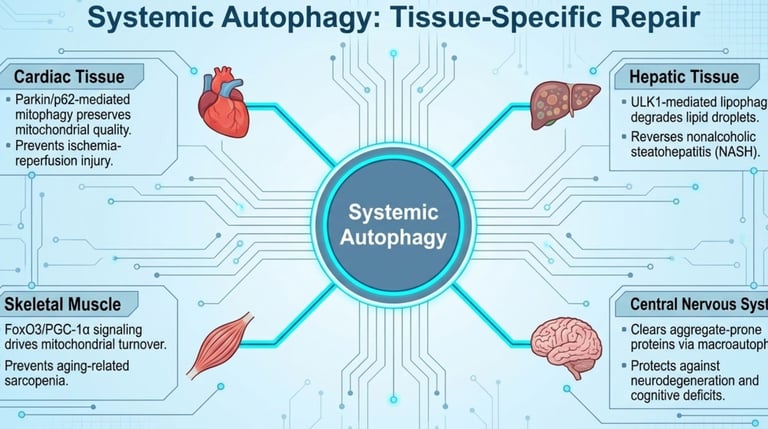
Autophagy, derived from Greek words meaning "self-eating," is a fundamental cellular maintenance process wherein cells identify, engulf, and break down damaged organelles, misfolded proteins, intracellular pathogens, and other dysfunctional components.
Think of it as the cell's internal recycling and quality control system.
During periods of nutrient abundance, autophagy operates at a basal level.
During fasting, when nutrient sensors like mTOR and insulin are suppressed, autophagy is dramatically upregulated.
This enhanced cellular cleanup is crucial for maintaining cellular health, preventing the accumulation of toxic protein aggregates that characterize neurodegenerative diseases like Alzheimer's and Parkinson's, removing damaged mitochondria that produce harmful reactive oxygen species, eliminating intracellular bacteria and viruses, and even suppressing tumor initiation by removing damaged DNA.
Research suggests that significant autophagy activation begins around 16 to 18 hours of fasting, with deeper activation occurring at 24 to 48 hours and beyond.
How does fasting compare to simply eating fewer calories every day?
While caloric restriction and fasting both reduce overall energy intake, they produce distinctly different physiological effects due to the timing and hormonal environment.
Chronic calorie restriction—eating smaller portions at every meal—keeps insulin levels moderately elevated throughout the day, never allowing the body to fully enter fat-burning mode or deep autophagy.
It also tends to lower metabolic rate over time through adaptive thermogenesis and often leads to persistent hunger and psychological deprivation.
Intermittent fasting, by contrast, creates distinct periods of low insulin, elevated growth hormone, increased norepinephrine, and deep ketosis that trigger fat oxidation, cellular repair, and metabolic flexibility.
Studies comparing intermittent fasting to continuous calorie restriction with matched total calorie intake often show superior results for fasting in terms of insulin sensitivity, fat loss while preserving muscle, adherence rates, and markers of cellular health.
Fasting also tends to be more sustainable psychologically for many people because it simplifies decision-making and allows satisfying meals rather than perpetual restriction.
Can fasting improve mental health conditions like anxiety, depression, or brain fog?
The relationship between fasting and mental health is complex and individualized, but many practitioners report significant improvements in mood, anxiety levels, and cognitive clarity.
Mechanisms that may explain these benefits include ketone production providing stable, efficient brain fuel that reduces the energy fluctuations contributing to brain fog and mood instability; reduced brain inflammation through fasting's anti-inflammatory effects; increased BDNF production supporting neuroplasticity and resilience against stress;
stabilized blood sugar preventing the reactive hypoglycemia that can trigger anxiety and irritability; and enhanced mitochondrial function in brain cells improving overall neural energy metabolism.
Some research also suggests fasting may increase production of neurotransmitters like serotonin and GABA.
However, fasting is not appropriate for everyone with mental health conditions—individuals with active eating disorders, severe depression with suicidal ideation, or bipolar disorder should approach fasting with extreme caution and only under psychiatric and medical supervision, as fasting can potentially destabilize mood in vulnerable individuals.
What is the best fasting method for beginners to start with?
For most beginners, time-restricted eating or the 16/8 intermittent fasting method offers the ideal balance of accessibility, effectiveness, and sustainability.
Time-restricted eating simply involves compressing your daily eating into a specific window—such as 10 AM to 6 PM or 12 PM to 8 PM—while fasting the remaining hours, including sleep time.
This approach requires minimal lifestyle disruption, naturally eliminates late-night snacking, and allows for normal social meals.
The 16/8 method extends the overnight fast to 16 hours with an 8-hour eating window, typically by skipping breakfast and eating between noon and 8 PM.
Beginners should start gradually—perhaps with a 12-hour overnight fast for one to two weeks, then extending to 14 hours, and finally reaching 16 hours as comfort and adaptation occur.
It is crucial to eat nutrient-dense, satisfying meals during eating windows rather than attempting to restrict calories simultaneously, which can create excessive stress and make adherence difficult.
How do I handle social situations, family meals, and dining out while fasting?
Social flexibility is one of the keys to long-term fasting success.
Rather than rigidly adhering to identical fasting windows every single day, many experienced fasters adopt a flexible approach—maintaining their preferred schedule on most days while adjusting for important social events, family dinners, or special occasions.
This might mean shifting your eating window earlier on a day with a lunch meeting or later for an evening celebration, or occasionally taking a day off from fasting entirely without guilt.
When dining out during eating windows, prioritize protein and vegetables, ask for sauces and dressings on the side, avoid bread baskets and sugary drinks, and remember that one meal will not derail your overall progress.
Communicating your goals with close family and friends can build support, though you need not explain your choices to everyone.
The goal is sustainable integration, not social isolation.
Does fasting have any effect on longevity and aging?
Fasting activates many of the same molecular pathways associated with extended lifespan across species.
By enhancing autophagy, fasting clears the cellular damage that accumulates with age.
By reducing oxidative stress and inflammation, it slows the wear and tear that drives aging.
By improving insulin sensitivity and metabolic flexibility, it addresses one of the primary drivers of age-related decline.
By promoting stem cell regeneration, particularly in the immune system, it restores youthful cellular function.
By increasing BDNF and supporting neuroplasticity, it maintains cognitive vitality. Research in yeast, worms, flies, rodents, and primates consistently shows that various forms of caloric restriction and fasting extend healthy lifespan, and human epidemiological data supports associations between fasting practices and longevity.
While no human study has definitively proven that fasting extends human lifespan—such studies would require decades— the convergence of mechanistic understanding and cross-species evidence makes fasting one of the most promising accessible interventions for healthy aging currently available.
=========================================================================================================================================================================================================================================
💪Therapeutic Fasting:Longevity Restore,Renew&Rejuvenate
Did you know your body has a built-in cleanup system that only switches on when you give it a break from food? 🧬
🔬 The Science Behind It
When you fast, your body activates autophagy — clearing out damaged cells and recycling their components. It also shifts into ketosis, burning fat for fuel instead of glucose, which brings mental clarity and steadier blood sugar.
⚡ The Hormonal Effect
Fasting raises norepinephrine for sharper focus, and boosts growth hormone (HGH), which helps preserve muscle mass — the opposite of the common myth that fasting "eats away" your muscles.
🫀 Health Benefits
✅ Improved insulin sensitivity and lower blood sugar
✅ Reduced LDL cholesterol and triglycerides
✅ Increased BDNF, supporting brain and memory health
✅ Lower inflammation linked to chronic disease
⚠️ Important Note
Therapeutic fasting isn't for everyone. Pregnant or breastfeeding women, anyone with a history of eating disorders, and people managing diabetes or heart disease should consult a doctor first. With longer fasts, watch for refeeding syndrome when reintroducing food — go slow.
🌱 Every body is different, and every fasting journey is personal. Start small, listen to your body, and check with a professional before you begin.
#TherapeuticFasting #IntermittentFasting #Autophagy #MetabolicHealth #CellularRenewal #WellnessJourney
Kept the same fact-checked corrections (no overstated "diabetes reversal" claims). Want a shorter version for a specific platform, or should we tie in keto flu next since that's been in your recent lineup?
Meta Title: Therapeutic Fasting: Science-Backed Healing Benefits & How to Start
Meta Description: Discover how therapeutic fasting triggers autophagy, improves metabolic health, and supports mental clarity — plus how to prepare safely and avoid common risks.
Focus Keyword: therapeutic fasting
Secondary Keywords: autophagy, intermittent fasting benefits, ketosis, fasting-mimicking diet, insulin sensitivity, BDNF, refeeding syndrome
===============================================================================================================================================================================================
why the world hate israel
This is a complex geopolitical topic with multiple perspectives worth understanding.
It's not accurate to say "the world hates Israel" — global opinion is deeply divided, not uniform. Here's a fair breakdown of why Israel faces significant international criticism:
The core issue: the Israeli-Palestinian conflict
The primary driver of criticism is the ongoing conflict with Palestinians — particularly Israeli military operations in Gaza and the West Bank, settlement expansion in occupied territories, and the blockade of Gaza. Critics argue these actions cause disproportionate civilian harm and violate international law.
Specific sources of criticism
Occupation and settlements — Most of the world (including close allies) considers Israeli settlements in the West Bank illegal under international law. Over 700,000 settlers now live there.
Gaza — The humanitarian situation, especially following the 2023–2024 war, has drawn massive global condemnation due to the scale of civilian casualties and displacement.
Double standards accusations — Many countries feel Israel is shielded from accountability by US vetoes at the UN Security Council, which breeds resentment.
Palestinian displacement — The 1948 displacement of ~700,000 Palestinians (the "Nakba") remains a foundational grievance, especially in the Arab and Muslim world.
Why some criticism goes beyond policy
In some regions, anti-Israel sentiment blends with antisemitism, which is a distinct and serious problem.
Some governments use Israel as a political scapegoat to distract from domestic issues.
Media framing differs dramatically by region, shaping public opinion.
The other side: strong support for Israel
Many countries and people strongly support Israel, citing:
Its right to self-defense against terrorism
Being the only liberal democracy in a volatile region
Historical Jewish connection to the land and the necessity of a Jewish homeland after centuries of persecution, including the Holocaust
Security threats from groups like Hamas and Hezbollah that explicitly seek Israel's destruction
The bottom line
The divide in global opinion reflects a genuine clash of values: national security vs. humanitarian law, historical rights vs. contemporary realities, and geopolitical alliances vs. moral consistency. Reasonable people across the world hold very different views, and neither "the world hates Israel" nor "Israel can do no wrong" is an accurate picture.
===================================================================================================================================================================


Get in touch
Address
Cairo Al Rehab
Contacts
+20 109 405 2056
hassanalwarraqi@h-k-e-m.com