
Health is a crown on the heads of the healthy that only the sick can see.



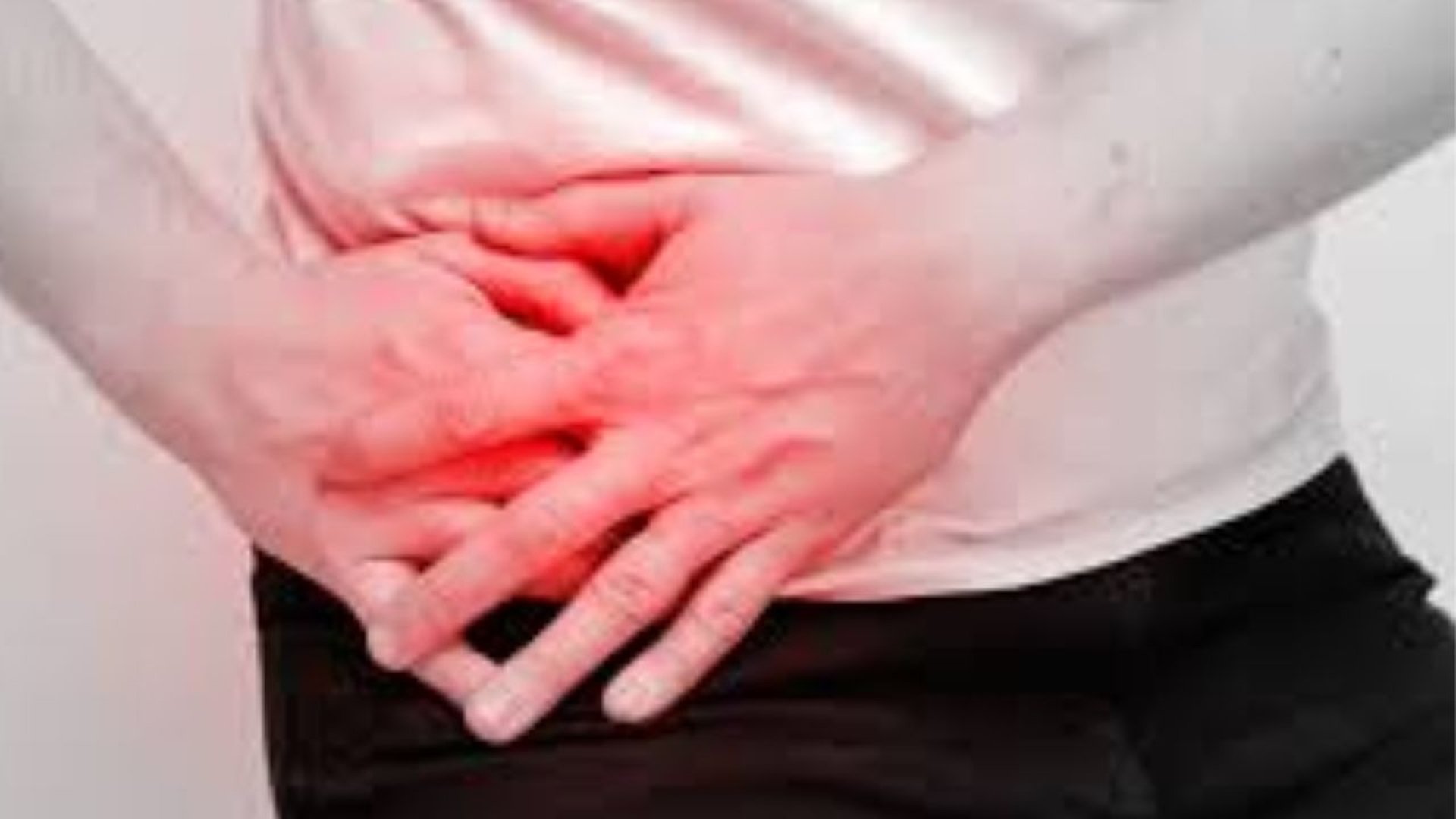
🌙The Role of Fasting When You Need Abdominal Surgery
⚕️🌙⏳🩺 Discover the role of fasting in acute surgical abdomen management. Learn how fasting impacts diagnosis, surgical decisions, and patient outcomes, highlighting both its benefits and limitations.
GASTROINTESTINAL
Dr Hassan AlWarraqi
8/24/2025
🌙The Role of Fasting When You Need Abdominal Surgery
⚕️🌙⏳🩺 Discover the role of fasting in acute surgical abdomen management.
Learn how fasting impacts diagnosis, surgical decisions, and patient outcomes, highlighting both its benefits and limitations.
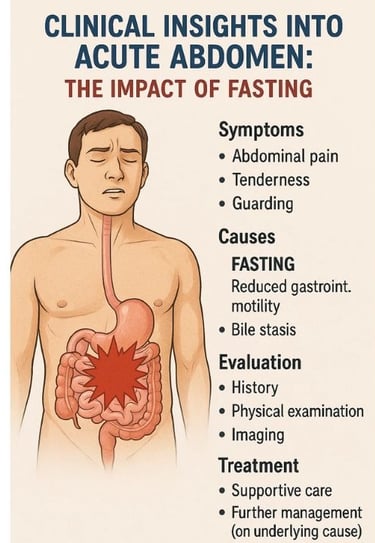
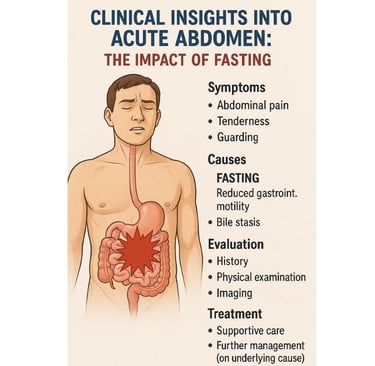
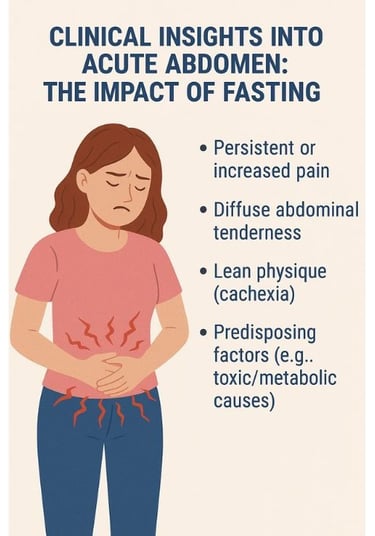
When you have a sudden, serious stomach problem that might need surgery (called an acute surgical abdomen), it's key to get diagnosed fast and have surgery if needed. Think things like appendicitis, a blocked bowel, or a hole in your stomach.
How you're looked after needs to be well-organized.
One important thing is fasting – not eating or drinking before your operation.
This article looks at why fasting is helpful, using the latest medical advice.
Why Fasting Matters
1. Stops Stuff Getting Into Your Lungs
* The risk: When you're under general anesthetic, you can't protect your airway properly. If your tummy's full, food can get into your lungs (that's bad).
How fasting helps: Not eating or drinking beforehand means there's less in your stomach, and it's less acidic, so less risk of this happening. This is the main* reason to fast.
2. Less Swelling in Your Bowels
* The risk: If something's blocking your bowel, eating just makes things worse – more swelling, more pain, and a higher chance of a tear.
* How fasting helps: It gives your bowel a rest and stops it getting so stretched.
3. Better Tests
* The risk: Things like CT scans and endoscopies work better when your stomach's empty.
* How fasting helps: It makes sure the doctors get the clearest picture possible.
4. Getting Your Body Ready
* The risk: Surgery is hard on your body.
* How fasting helps: Short periods of not eating can get you ready without causing other problems.
What the Experts Say Now
The old idea of nothing to eat after midnight is outdated. Modern guidelines say shorter fasting times are better for recovery.
* New Rules:
* Clear fluids (like water or juice): Okay up to 2 hours before.
* Light meals: Okay up to 6 hours before.
* Fatty meals: At least 8 hours before.
* Important: If it's an emergency, getting you to surgery is more important than perfect fasting.
What's Tricky
Even though we know shorter fasting is good, studies show people often fast for too long.
* People often fast for 16 hours from foods and 6 hours from water.
* It's worse in emergencies.
* Why? Staff might not know the new rules, schedules change, and patients don't understand why they fast.
The Downside of Fasting Too Long
* You feel awful – hungry, thirsty, and anxious.
* You can get dehydrated and stressed, which makes recovery slower.
* You're more likely to have problems afterward.
Smarter Fasting
* Carb loading: A sugary drink a couple of hours before can reduce stress.
* Early feeding: Getting you eating again quickly helps your gut get going and aids healing.
* Think carefully: Fasting should be as short as possible while still being safe.
Other Things That Help
* Before surgery: If you're not eating enough beforehand, you'll get extra help to boost you nutritionally and get carbohydrate drinks if possible
* After surgery:
* Getting nutrition straight into your gut is best (within a day or two if things are stable).
* If that's not possible, you might get food straight into your veins.
What Happens Normally (The 5 F's)
* Fluids: Getting fluids into a drip.
* Fasting: Nothing to eat or drink. Sometimes a tube down your nose to drain your stomach.
* Frees (Pain Relief): Painkillers that don't hide what's wrong.
* Investigations. Tests and scans to see what’s happening.
* Surgery: To fix the problem, maybe keyhole or a bigger operation.
In short
Fasting's still important when you need urgent stomach surgery – mainly, it stops you from inhaling stomach content, reduces stress on your bowel, and makes operations easier and safer.
Don't fast for too long, though. It stresses your body and slows you down.
The best way is to fast for a bit, have a carbohydrate drinks beforehand, and get you eating again afterwards as soon as possible. That way, you balance safety and faster recovery.
Keywords
urgent stomach operation, not eating before, ERAS, breathing problems, blocked bowel, surgery nutrition, patient results, guidelines, emergency op, care around operation time
Common Questions FAQS about acute surgical abdomen
* What's an acute surgical abdomen?
A sudden, serious stomach issue that might need an operation, like appendicitis or a blocked bowel.
* Why fast?
To avoid breathing problems during anesthetic, reduce swelling in the bowel, and set you up for tests and surgery.
* How long?
Clear fluids up to 2 hours before, light meals up to 6, and fatty meals at least 8 (unless it's a real emergency).
* What's bad about too much fasting?
Feeling rough, dehydration, and more risks of problems like infections.
* Carb drinks allowed?
Yes, they can help reduce stress, if there's time.
* Eating after?
Get food in your gut quickly if possible, otherwise into your veins.
* How does ERAS help?
Less fasting, carbohydrate loading, and early feeding for speedier results.
* What if it's an emergency?
Listen to the doctors – safety and quick surgery are the priority.
* Special needs if malnourished?
Yes, extra help before surgery.
* Where can I learn more?
Ask your doctor or look up ASA/ERAS guidelines.
===================================================================================================================================================
🌙The Role of Fasting When You Need Abdominal Surgery
Surgery
🌙 The Role of Fasting When You Need Abdominal Surgery
Fasting has long been connected to healing, repair, and metabolic balance. But when abdominal surgery becomes necessary, fasting must be approached carefully and scientifically. 🩺
🧬 Before Surgery: Why Fasting Matters
Short-term medical fasting before abdominal surgery is essential because it:
Reduces the risk of vomiting and aspiration during anesthesia
Allows the stomach and intestines to rest
Improves surgical safety and visibility
Helps stabilize blood sugar and insulin levels
Most surgeons recommend:
No solid food for 6–8 hours before surgery
Clear liquids only for a limited time before anesthesia
🔥 Fasting & Cellular Repair
Controlled fasting may activate beneficial biological pathways such as:
Reduced inflammation
Improved insulin sensitivity
Enhanced cellular cleanup through autophagy
Lower oxidative stress
Autophagy is often discussed in fasting science because it helps the body recycle damaged cellular components.
y=e
−x
While fasting-related autophagy may support recovery biology, it is not a replacement for emergency surgery such as appendicitis, bowel perforation, internal bleeding, or intestinal obstruction.
🚨 When Fasting Can Be Dangerous
In some abdominal emergencies, prolonged fasting without medical care may worsen outcomes, especially in:
Severe infections
Peritonitis
Acute pancreatitis
Bowel ischemia
Advanced malnutrition
Major trauma
The body may require:
IV fluids
Electrolytes
Protein support
Surgical intervention
🥣 After Surgery: Nutrition Becomes Critical
After abdominal surgery, the body shifts from repair signaling toward rebuilding tissue.
Recovery usually requires:
Adequate protein
Hydration
Vitamins and minerals
Gradual return of gut function
Excessive fasting after surgery may delay:
Wound healing
Immune recovery
Muscle preservation
⚖️ The Best Approach: Balance
The goal is not “fasting at all costs” or “constant feeding,” but metabolic balance.
In many cases:
Short supervised fasting periods may help reduce stress on the digestive system
Proper nutrition afterward supports tissue regeneration and healing
🌿 Key Message
Fasting can support metabolic health and reduce inflammation, but abdominal surgery requires individualized medical care. Timing matters. In emergencies, surgery saves lives. In recovery, nourishment rebuilds the body.
==========================================================================================================================================================
🧬 Autophagy — the body’s cellular cleanup and recycling system
and
🏗️ Anabolism — the rebuilding of tissue, muscle, skin, and immunity
After a major burn, the body dramatically increases:
⚡ energy expenditure
⚡ protein breakdown
⚡ inflammatory signaling
⚡ nutrient demand
Why autophagy matters:
🌿 helps remove damaged cellular components
🌿 supports cellular quality control
🌿 may assist tissue adaptation and immune regulation
But excessive catabolism without adequate nutrition can become dangerous.
Why anabolism is critical in burn recovery:
🩹 rebuilding skin and connective tissue
💪 preserving muscle mass
🛡️ supporting immune defense
🧠 aiding neurological and metabolic recovery
This is why severe burn patients often require:
✔ high-protein nutrition
✔ hydration and electrolyte support
✔ micronutrients
✔ wound care
✔ infection prevention
✔ rehabilitation and physiotherapy
🌙 Fasting and aggressive calorie restriction are generally NOT appropriate during acute severe burn recovery because the body urgently needs nutrients to heal.
However, long after stabilization and recovery, carefully supervised metabolic strategies may sometimes help improve:
• insulin resistance
• chronic inflammation
• obesity-related complications
⚠️ Burn emergencies require urgent medical care, especially with:
• large burns
• facial burns
• breathing difficulty
• fever or infection signs
• dehydration
• confusion or weakness
Healing is not about choosing autophagy or anabolism alone — true recovery comes from restoring balance between repair, renewal, and rebuilding. ⚖️🔥
#BurnRecovery #Autophagy #Metabolism #CriticalCare #WoundHealing #Inflammation #N
About Dr. Hassan Alwarraqi
Dr. Hassan Alwarraqi is a doctor and researcher who knows a lot about surgery and nutrition.
He explains tricky medical stuff simply, like why fasting is important in stomach operations, so patients and doctors can make good health decisions.
=================================================================================================================================================================================================

Get in touch
Address
Cairo Al Rehab
Contacts
+20 109 405 2056
hassanalwarraqi@h-k-e-m.com