Health is a crown on the heads of the healthy that only the sick can see.



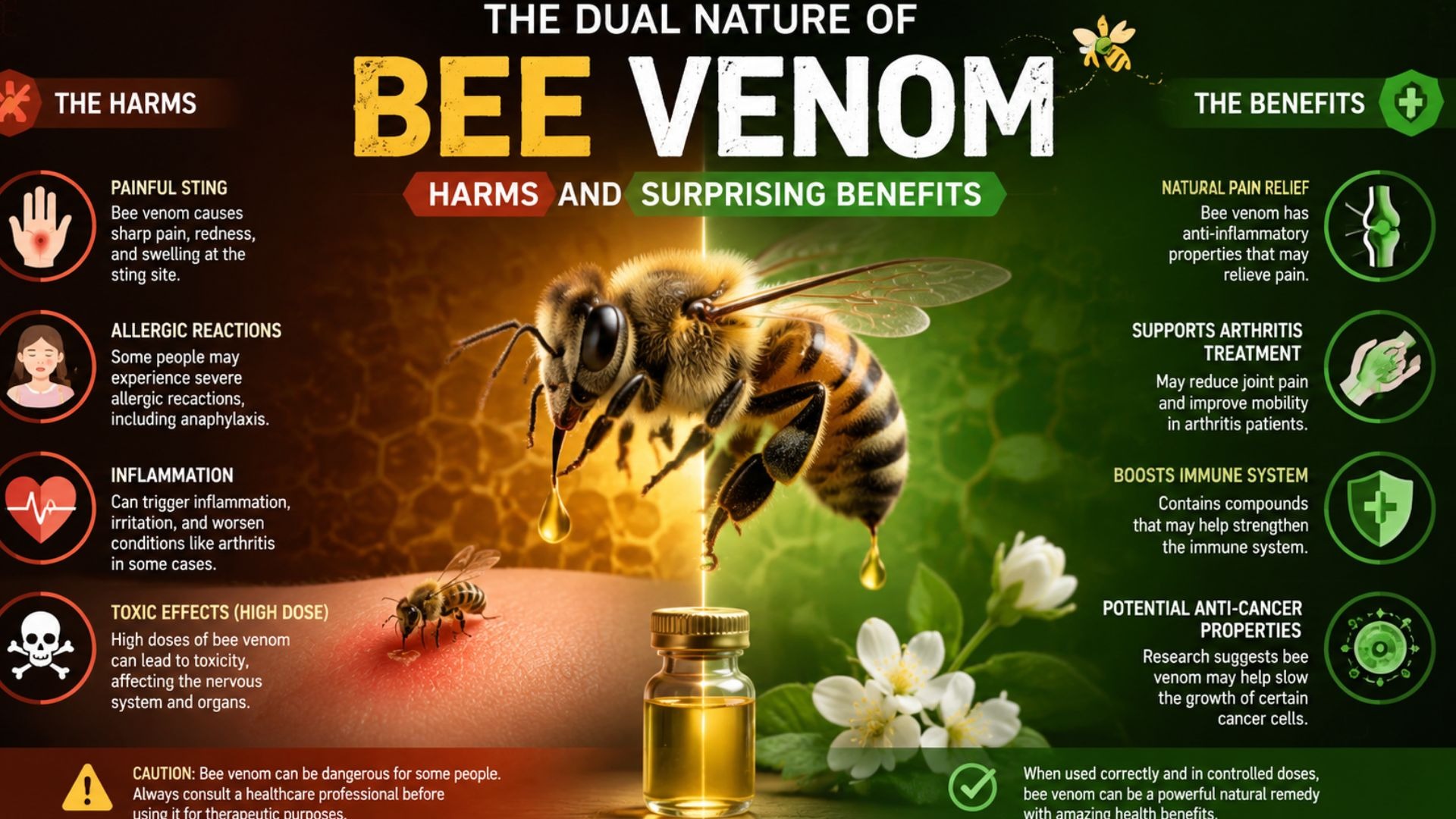
🐝The Dual Nature of Bee Venom:Harms and Surprising Benefits
Discover the dual nature of bee venom, from painful stings and allergic reactions to its promising anti-inflammatory, antimicrobial, and therapeutic properties.
BEE STING
Dr Hassan Al Warraqi
7/9/202631 min read
🐝The Dual Nature of Bee Venom:Harms and Surprising Benefits
Discover the dual nature of bee venom, from painful stings and allergic reactions to its promising anti-inflammatory, antimicrobial, and therapeutic properties.
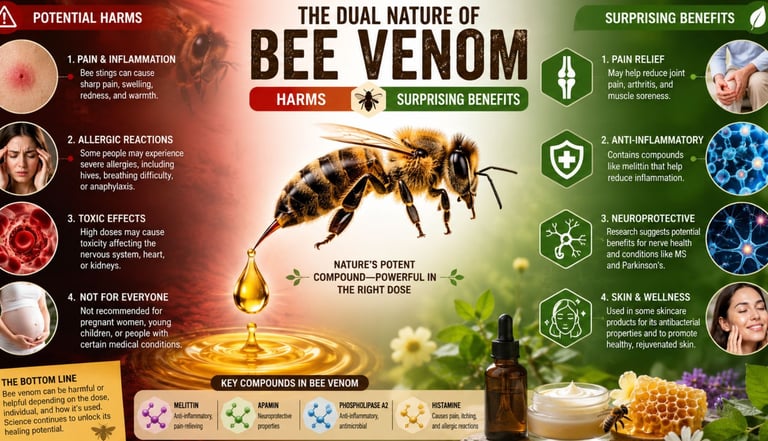
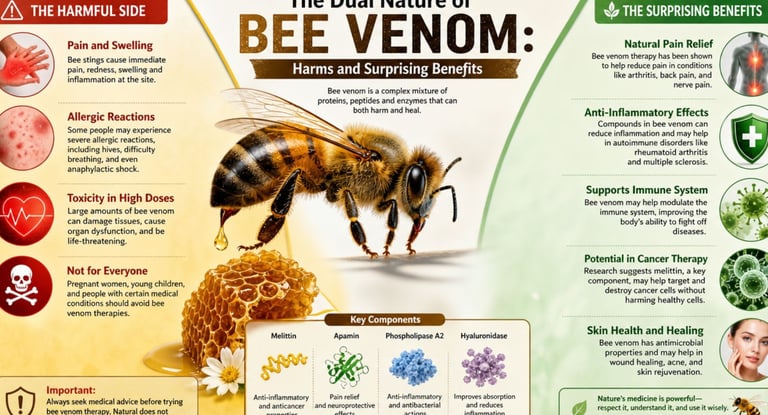
Bee venom holds a fascinating dual nature—while its sting can cause significant pain and even life-threatening reactions, it also harbors surprising health benefits that modern science is only beginning to fully understand.
Discover how this potent natural substance impacts our lives, from ancient apitherapy to cutting-edge nanomedicine.
The Composition of Bee Venom
Bee venom is a remarkably complex mixture of proteins, peptides, enzymes, and biogenic amines, each contributing unique pharmacological properties that drive its dual therapeutic and toxicological profile.
Understanding this intricate composition is essential for anyone exploring bee venom therapy, skincare applications, or allergy management.
Primary Bioactive Components
Melittin stands as the dominant constituent, comprising approximately 50% of the dry weight of venom.
This 26-amino acid peptide is amphipathic, meaning it possesses both hydrophilic and hydrophobic regions, enabling it to insert into cell membranes and form pores.
While melittin is responsible for the powerful anti-inflammatory, antimicrobial, and anticancer properties that make bee venom medically valuable, it is also the primary driver of the intense pain, erythema, and edema associated with bee stings.
Research published in Toxins demonstrates that melittin's membrane-disrupting capability can be harnessed therapeutically when properly targeted.
Apamin, present at 2–3% of dry weight, is a neurotoxic peptide that functions as an irreversible blocker of small-conductance calcium-activated potassium (SK) channels.
These channels play critical roles in neuronal excitability, and apamin's modulation of them contributes to both the neurological symptoms of envenomation and the neuroprotective effects observed in Parkinson's disease research.
Adolapin, though present in trace amounts, exhibits potent anti-inflammatory and analgesic properties distinct from melittin.
Studies indicate it inhibits prostaglandin synthesis through COX-2 suppression, providing a complementary mechanism for pain relief.
Phospholipase A2 (PLA2) constitutes a major enzymatic component and represents the most significant allergen in bee venom.
This enzyme hydrolyzes phospholipids in cell membranes, causing direct cellular damage and working synergistically with melittin to amplify inflammatory responses.
The PLA2-melittin complex is particularly responsible for the severe local reactions experienced by sensitized individuals.
Hyaluronidase, often termed the "spreading factor," degrades hyaluronic acid in connective tissue, dramatically increasing tissue permeability.
This enzymatic activity allows venom components to disseminate rapidly from the injection site, expanding the affected area and potentially facilitating systemic absorption.
Mast Cell Degranulating Peptide (MCDP), despite its trace concentration, triggers substantial histamine release from mast cells, contributing to both immediate hypersensitivity reactions and the local inflammatory cascade.
Biogenic Amines including histamine, dopamine, and norepinephrine mediate immediate pain perception, vasodilation, and itching.
Histamine, in particular, is responsible for the wheal-and-flare response and can precipitate allergic reactions in predisposed individuals.
Supporting Constituents such as sugars, lipids, amino acids, and minerals complete the venom matrix, potentially stabilizing active components and modulating overall bioactivity.
Health Risks Associated with Bee Venom
Despite its promising therapeutic applications, bee venom poses substantial health risks that demand serious consideration, particularly for individuals with hypersensitivity or those facing repeated exposure.
Local Reactions
The most common response to bee venom involves localized inflammation characterized by erythema, edema, warmth, and pain at the sting site.
These reactions typically develop within minutes, peak at 24–48 hours, and resolve spontaneously over several days.
The severity correlates with the volume of venom injected and individual immune sensitivity.
Large local reactions—extending beyond 10 cm in diameter and persisting for up to a week—affect approximately 10% of the population and, while uncomfortable, do not necessarily indicate systemic allergy.
Systemic Reactions
Systemic reactions represent a more serious category of response, affecting organs and tissues distant from the sting site.
Clinical manifestations include cutaneous symptoms such as generalized urticaria, pruritus, and angioedema involving the face, lips, and extremities.
Respiratory involvement may present as bronchospasm, laryngeal edema, dyspnea, and wheezing.
Cardiovascular effects include tachycardia, hypotension, and syncope.
Gastrointestinal symptoms encompass nausea, vomiting, abdominal cramping, and diarrhea.
Neurological manifestations can include anxiety, confusion, and seizures in severe cases.
These reactions require immediate medical evaluation and intervention, as they can progress rapidly to life-threatening anaphylaxis.
Anaphylaxis
Anaphylaxis represents the most severe and potentially fatal manifestation of bee venom hypersensitivity.
This IgE-mediated systemic reaction affects multiple organ systems simultaneously and can develop within minutes of exposure.
Diagnostic criteria include acute onset with skin or mucosal involvement plus either respiratory compromise or hypotension, or two or more systems affected following exposure to a likely allergen, or isolated hypotension after exposure in a patient with known sensitivity.
Symptoms of anaphylaxis include difficulty breathing, stridor from laryngeal edema, rapid or weak pulse, severe hypotension, and altered mental status.
Without prompt administration of intramuscular epinephrine, anaphylaxis can progress to cardiovascular collapse, respiratory failure, and death.
The British Society for Allergy and Clinical Immunology (BSACI) emphasizes that individuals with documented systemic reactions must carry epinephrine auto-injectors and receive comprehensive allergy evaluation.
Occupational and Cumulative Risks
Beekeepers, agricultural workers, and outdoor professionals face elevated risk through repeated stinging incidents.
This chronic exposure can lead to immunological sensitization, wherein the immune system produces increasing quantities of venom-specific IgE antibodies.
Paradoxically, some individuals experience escalating reaction severity with each subsequent sting, while others may develop tolerance through high-dose exposure.
The unpredictable nature of individual immune responses necessitates vigilant protective measures, including wearing full protective equipment such as veils, gloves, and sting-resistant suits, maintaining epinephrine auto-injectors in accessible locations, undergoing baseline tryptase measurement and specific IgE testing, and considering venom immunotherapy (VIT) for high-risk occupations.
Mass envenomation—receiving hundreds of stings—can overwhelm physiological compensatory mechanisms, causing direct cytotoxic effects including rhabdomyolysis, intravascular hemolysis, acute kidney injury, and disseminated intravascular coagulation, potentially proving fatal even in non-allergic individuals.
Allergic Reactions and Anaphylaxis
Clinical Spectrum and Management
Bee venom allergy represents one of the most common causes of anaphylaxis worldwide, with prevalence estimates ranging from 0.3% to 7.5% of the general population depending on geographic region and exposure patterns.
Pathophysiology of Venom Allergy
The allergic response to bee venom follows classic Type I hypersensitivity mechanisms.
Initial exposure—or sometimes subclinical sensitization through environmental cross-reactivity—stimulates B-lymphocyte production of venom-specific IgE antibodies.
These antibodies bind to high-affinity FcεRI receptors on mast cells and basophils, priming the immune system for rapid response upon re-exposure.
Upon subsequent sting, venom allergens cross-link membrane-bound IgE molecules, triggering degranulation and release of preformed mediators (histamine, tryptase, heparin, proteases) alongside newly synthesized lipid mediators (prostaglandins, leukotrienes, platelet-activating factor) and cytokines (TNF-α, IL-4, IL-13).
This explosive mediator release produces the clinical syndrome of anaphylaxis through increased vascular permeability and fluid extravasation, smooth muscle contraction in bronchi and gastrointestinal tract, coronary artery vasoconstriction, cardiac arrhythmia potential, and complement system activation.
Clinical Grading of Reactions
Allergic reactions to bee venom are clinically graded based on severity.
Grade I reactions present with localized urticaria, pruritus, and erythema, managed through observation and oral antihistamines.
Grade II reactions involve generalized urticaria, angioedema, and mild gastrointestinal symptoms, requiring antihistamines, corticosteroids, and close observation.
Grade III reactions are characterized by dyspnea, stridor, hypotension, and severe gastrointestinal symptoms, necessitating intramuscular epinephrine, intravenous fluids, and hospitalization.
Grade IV reactions represent the most severe form, with cardiovascular collapse, respiratory arrest, and unconsciousness requiring aggressive resuscitation and intensive care unit admission.
Diagnostic Evaluation
Accurate diagnosis of bee venom allergy requires comprehensive assessment including detailed clinical history documenting reaction characteristics, temporal progression, and sting number.
Skin prick testing uses standardized venom extracts at incremental concentrations.
Intradermal testing is performed for patients with negative skin prick tests but compelling history. Serum specific IgE measurement quantifies venom-specific antibodies via ImmunoCAP or similar platforms.
Baseline serum tryptase measurement helps identify elevated levels above 11.4 ng/mL, which indicate mast cell burden and predict severe reactions.
Component-resolved diagnostics distinguish genuine sensitization from cross-reactivity with carbohydrate determinants.
Venom Immunotherapy (VIT)
VIT represents the only disease-modifying treatment for bee venom allergy, with approximately 80% efficacy for honeybee venom compared to 95% for vespid venoms.
The standard protocol involves a build-up phase with gradual dose escalation over weeks to months using conventional, rush, or ultra-rush protocols.
The maintenance phase consists of monthly injections of 100 mcg venom for 3–5 years. Long-term protection is sustained in 80–90% of patients following completed therapy.
High-risk populations—including patients with mastocytosis, elevated baseline tryptase, or history of severe anaphylaxis—may require extended treatment duration and higher maintenance doses.
Therapeutic Uses of Bee Venom
From Ancient Apitherapy to Evidence-Based Medicine
Despite well-documented risks, bee venom has been employed therapeutically for millennia, with contemporary scientific research increasingly validating traditional applications while uncovering novel therapeutic avenues.
Inflammatory and Autoimmune Conditions
Rheumatoid Arthritis (RA): Bee venom therapy demonstrates significant efficacy in reducing joint inflammation through multiple mechanisms.
Melittin and adolapin inhibit NF-κB nuclear translocation, preventing transcription of pro-inflammatory genes including COX-2, iNOS, IL-1β, and TNF-α.
Clinical trials conducted in South Korea led to regulatory approval of Apitox® for osteoarthritis treatment, with patients reporting reduced joint swelling, decreased pain scores, and improved morning stiffness duration.
Multiple Sclerosis (MS): Preliminary investigations suggest bee venom may modulate aberrant immune responses characteristic of MS.
Animal models indicate reduced demyelination and improved functional outcomes, though human clinical trials have yielded mixed results requiring further investigation.
Pain Management
Bee venom's analgesic properties operate through distinctive pathways compared to conventional analgesics.
Rather than acting through opioid receptors, melittin and adolapin activate α2-adrenergic receptors and engage descending pain inhibitory systems involving the periaqueductal gray and rostral ventromedial medulla.
This mechanism explains the efficacy observed in osteoarthritis and degenerative joint disease, neuropathic pain syndromes, chronic lower back pain, and post-herpetic neuralgia.
Cancer Therapeutics
Melittin's Selective Cytotoxicity represents one of the most exciting frontiers in bee venom research.
Cancer cell membranes frequently exhibit altered lipid compositions, with increased surface exposure of anionic phospholipids such as phosphatidylserine.
Melittin's cationic nature facilitates preferential insertion into these malignant membranes, forming lytic pores that induce necrotic and apoptotic cell death while sparing healthy cells with neutral membrane surfaces.
Synergistic Chemotherapy Enhancement
Melittin increases cancer cell sensitivity to conventional agents including cisplatin and carboplatin (platinum compounds), 5-fluorouracil (antimetabolite), docetaxel and paclitaxel (taxanes), tamoxifen (hormonal agent), and sorafenib (tyrosine kinase inhibitor).
In triple-negative breast cancer—an aggressive subtype lacking targeted therapy options—melittin suppresses EGFR and HER2 growth factor receptor activation, inhibiting proliferation and metastatic potential.
Metastasis Inhibition
Bee venom components reduce tumor cell motility by suppressing Rac1-dependent signaling pathways and downregulating matrix metalloproteinase-9 (MMP-9), a critical enzyme for basement membrane degradation and invasive migration.
Neurodegenerative Disease Applications
Parkinson's Disease (PD): Chronic MPTP/probenecid mouse models demonstrate that intraperitoneal bee venom administration protects dopaminergic neurons in the substantia nigra pars compacta.
Intriguingly, while apamin reproduces protection of neuronal cell bodies, whole venom provides superior preservation of axonal terminals and striatal dopamine levels—suggesting synergistic neuroprotection beyond individual components.
The mechanism involves suppression of microglial activation and reduction of striatal TNF-α concentrations.
Alzheimer's Disease (AD): Bee venom inhibits amyloid-beta aggregation and attenuates neuroinflammation through NF-κB pathway modulation.
Apamin specifically improves synaptic plasticity and hippocampal morphology in aged animal models, with implications for cognitive preservation.
Amyotrophic Lateral Sclerosis (ALS): Melittin reduces spinal cord and brainstem neuroinflammation while restoring proteasome activity, extending survival in transgenic SOD1-G93A mouse models.
Hepatoprotective and Cardiovascular Benefits
Liver Fibrosis: Bee venom inhibits pro-fibrogenic cytokine signaling (TGF-β1, CTGF) and reduces serum transaminase elevations (ALT, AST), protecting hepatocytes from apoptotic injury in experimental cirrhosis models.
Atherosclerosis: Both apamin and melittin reduce circulating cholesterol and triglyceride levels while suppressing vascular cell adhesion molecule (VCAM-1) and intercellular adhesion molecule (ICAM-1) expression in aortic endothelium, potentially inhibiting early atherogenesis.
Bee Venom in Traditional Medicine: Historical Perspectives
The therapeutic application of bee venom spans millennia and transcends cultural boundaries, reflecting humanity's enduring recognition of its medicinal potential.
Traditional Chinese Medicine (TCM)
In TCM, bee venom—known as feng mi or apitoxin—has been employed for over 2,000 years to treat conditions including Bi syndrome (rheumatic and arthritic disorders), chronic pain syndromes, wind-stroke sequelae, and immune dysregulation.
Practitioners conceptualize bee venom as a "hot" substance that dispels cold and damp pathogenic factors while promoting qi and blood circulation.
Modern TCM integration combines apipuncture—injecting diluted venom into traditional acupuncture points—with conventional needle acupuncture to enhance therapeutic synergy.
Points commonly targeted include GB34 (Yanglingquan) for musculoskeletal conditions and LI11 (Quchi) for immune modulation.
Ancient Greek and Egyptian Medicine
Hippocrates (460–370 BCE), universally regarded as the father of Western medicine, documented bee stings for treating joint pain and inflammatory conditions in his medical corpus.
The Hippocratic Corpus describes apitherapy for chronic wounds, gout, and musculoskeletal disorders.
Ancient Egyptian medical papyri, including the Ebers Papyrus (circa 1550 BCE), reference bee products—including venom—in remedies for diverse ailments.
The divine associations of bees in Egyptian cosmology elevated their products to sacred therapeutic status.
Traditional Korean Medicine
Korean apitoxin therapy (ppul chiryō) represents a formalized medical specialty with standardized training protocols.
Applications include degenerative arthritis and rheumatoid conditions, chronic refractory pain, herpes zoster and post-herpetic neuralgia, and certain dermatological conditions including acne and psoriasis.
Treatment typically involves controlled application to affected areas or relevant meridian points, often combined with herbal medicine (hanbang) and physical therapy modalities.
The Role of Bee Venom in Modern Medicine
Current Research Frontiers
Contemporary biomedical research is systematically investigating bee venom's therapeutic mechanisms while developing innovative delivery technologies to maximize efficacy and minimize toxicity.
Nanotechnology-Based Delivery Systems
The primary obstacle to clinical translation of melittin-based therapies is its hemolytic activity and systemic toxicity at therapeutic doses.
Nanotechnology offers elegant solutions.
Pegylated Immunoliposomes are lipid bilayer vesicles that encapsulate melittin while displaying tumor-targeting antibodies such as anti-HER2 trastuzumab.
The stealth polyethylene glycol coating prevents premature immune clearance, while antibody-mediated targeting concentrates melittin payload at cancer cells overexpressing specific receptors.
Perfluorocarbon Nanoemulsions are lipid-stabilized droplets that accumulate in tumor tissues through enhanced permeability and retention effects, releasing melittin specifically in the tumor microenvironment while protecting circulating erythrocytes from hemolysis.
Biomimetic Nanoparticles in the form of small-diameter nanoparticles (α-melittin-NP) engineered to mimic high-density lipoproteins facilitate cytosolic drug delivery with minimal off-target effects, representing a promising platform for intracellular therapeutic targeting.
"NanoBees" is a proprietary platform developed at Washington University School of Medicine that combines melittin with perfluorocarbon cores, demonstrating selective tumor destruction in preclinical models with negligible systemic toxicity.
Purification and Standardization Advances
High-Performance Liquid Chromatography (HPLC) and ultrafiltration techniques enable separation of therapeutic peptides (melittin, apamin, adolapin) from highly allergenic components (PLA2, acid phosphatase).
These purified extracts offer reduced anaphylaxis risk, standardized dosing protocols, regulatory compliance for pharmaceutical development, and consistent therapeutic outcomes.
Clinical Trial Landscape
Current registered clinical trials are investigating bee venom for advanced solid tumors using melittin-liposome formulations, knee osteoarthritis with Apitox® extended protocols, Parkinson's disease through subcutaneous bee venom acupuncture, atopic dermatitis with topical formulations, and chronic low back pain through comparative effectiveness studies.
Bee Venom in Skin Care Products: Cosmetic Applications
The beauty industry's embrace of bee venom reflects growing consumer demand for natural, bioactive skincare ingredients with clinically demonstrable efficacy.
Anti-Aging Mechanisms
Marketed as "nature's Botox," bee venom stimulates facial muscles through mild neurostimulation, promoting subtle contraction that may reduce dynamic wrinkle appearance.
More significantly, melittin enhances collagen synthesis by upregulating type I and III collagen production through TGF-β signaling activation.
It also preserves elastin fiber integrity against photoaging, increases dermal microcirculation for improved nutrient delivery and waste removal, and accelerates cellular renewal through faster keratinocyte turnover and fibroblast proliferation.
Clinical studies of bee venom-containing formulations demonstrate measurable improvements in skin elasticity, wrinkle depth reduction, and overall radiance after 8–12 weeks of consistent use.
Acne and Blemish Management
Bee venom's antibacterial properties target Cutibacterium acnes (formerly Propionibacterium acnes), the primary pathogen in inflammatory acne.
Concurrent anti-inflammatory activity reduces erythema and edema associated with active lesions.
Products incorporating bee venom for acne treatment include spot treatment gels, clarifying serums, purifying masks, and balancing moisturizers.
Product Formulations and Considerations
Bee venom skincare encompasses diverse delivery formats with varying concentration ranges and benefits.
Cleansers typically contain 0.001–0.01% bee venom for gentle preparation with minimal residual activity.
Toners and essences use 0.01–0.1% concentrations for hydration and mild stimulation.
Serums contain 0.1–1.0% for targeted treatment and highest efficacy.
Creams and moisturizers incorporate 0.05–0.5% for sustained delivery and barrier support.
Masks use 0.5–2.0% concentrations for intensive weekly treatment applications.
Important considerations include the necessity of patch testing before full-face application, complete avoidance by individuals with bee venom allergy, awareness that "bee venom" labeling may not indicate concentration or purity, and variability in cruelty-free and ethical harvesting certifications by brand.
Environmental Impact of Bee Venom Harvesting: Sustainability Considerations
The commercial demand for bee venom—in pharmaceutical, cosmetic, and apitherapy markets—raises important ecological and ethical considerations regarding production methods and pollinator health.
Harvesting Methodologies
Electrical Stimulation ("Milking") is the predominant commercial method and involves placing a low-voltage electrical grid at hive entrances.
Bees stinging the charged surface deposit venom on glass or membrane collection plates.
While this method preserves bee life, repeated stimulation induces stress responses, potentially reducing colony productivity, immune competence, and lifespan.
Manual Collection involves traditional beekeepers collecting venom from stings administered to collection surfaces, though this is labor-intensive and yields inconsistent quantities.
Synthetic Production through recombinant DNA technology enables bacterial or yeast expression of melittin and apamin, though current production costs limit commercial viability.
Advances in synthetic biology may eventually provide sustainable alternatives.
Colony Health and Stress Factors
Electrical venom collection correlates with increased worker mortality, reduced honey production, elevated pathogen susceptibility, queen supersedure events, and colony abandonment in extreme cases.
Responsible producers implement protocols limiting collection frequency (typically no more than 2–3 sessions annually), ensuring adequate recovery periods, and maintaining optimal hive nutrition and disease management.
Pollinator Conservation Context
Global bee populations face unprecedented threats from habitat fragmentation and loss of diverse foraging landscapes, pesticide exposure particularly from neonicotinoids and other agrochemicals, pathogen pressure from Varroa mites, Nosema, and viral complexes, climate change causing phenological mismatches and extreme weather events, and monoculture agriculture creating nutritional deficiencies in commercial pollination.
The Apis mellifera population decline carries catastrophic implications for global food security, as approximately 75% of flowering crops benefit from animal pollination.
Sustainable bee venom production must therefore prioritize Integrated Pest Management (IPM) reducing chemical inputs, diverse floral plantings supporting nutritional ecology, genetic diversity preservation through local breeding programs, climate-adaptive management practices, and certification programs verifying ethical harvesting standards.
Conclusion: Balancing Risks and Benefits in Bee Venom Utilization
Bee venom's dual nature presents both significant hazards and extraordinary therapeutic promise, establishing it as a substance of profound scientific and clinical interest across medicine, cosmetics, and biotechnology.
Key Takeaways
Therapeutic Potential: The anti-inflammatory, antibacterial, anticancer, and neuroprotective properties of bee venom components—particularly melittin and apamin—offer genuine medical value validated by mechanistic research and emerging clinical evidence.
Applications in arthritis management, pain therapy, and oncology represent particularly promising avenues.
Safety Imperatives
Bee venom allergy affects millions globally, with anaphylaxis representing a preventable cause of mortality.
Proper diagnosis through skin testing and specific IgE measurement, combined with venom immunotherapy for eligible patients, dramatically reduces risk.
Universal epinephrine access for high-risk individuals remains essential.
Technological Innovation: Nanotechnology platforms—including liposomes, nanoemulsions, and biomimetic particles—are overcoming traditional barriers to melittin clinical translation by enabling targeted delivery that concentrates therapeutic effects while sparing healthy tissues from hemolytic and cytotoxic damage.
Ethical Sustainability
The environmental impact of venom harvesting demands conscientious stewardship.
Supporting producers implementing sustainable practices, advancing synthetic production alternatives, and prioritizing pollinator conservation ensures this valuable resource remains available without compromising ecological integrity.
Future Directions
The convergence of traditional apitherapy wisdom with modern molecular biology, nanomedicine, and precision oncology positions bee venom at an exciting therapeutic frontier.
Ongoing clinical trials will clarify optimal indications, dosing protocols, and safety profiles, while technological innovations promise to unlock the full therapeutic potential of this remarkable natural substance.
By maintaining rigorous scientific standards, prioritizing patient safety, and embracing environmental responsibility, we can harness bee venom's extraordinary capabilities to improve human health while honoring the essential pollinators that make these benefits possible.
Frequently Asked Questions (FAQs) About Bee Venom
What is bee venom made of?
Bee venom is a complex biological fluid containing over 40 identified components.
The primary constituents include melittin (approximately 50% of dry weight), apamin (2–3%), phospholipase A2 (a major allergen and enzyme), adolapin (anti-inflammatory peptide), hyaluronidase (the spreading factor), mast cell degranulating peptide, and biogenic amines including histamine, dopamine, and norepinephrine.
Additional components include sugars, lipids, amino acids, and minerals that support the overall bioactivity of the venom.
Each component contributes to both the toxic effects of stings and the therapeutic properties that make bee venom medically valuable.
Is bee venom good for your health?
Bee venom demonstrates significant therapeutic potential when administered under controlled medical supervision.
Its health benefits include potent anti-inflammatory effects useful for arthritis and autoimmune conditions, analgesic properties for chronic pain management, antimicrobial activity against various pathogens, and promising anticancer effects through melittin's selective cytotoxicity against malignant cells.
Bee venom also shows neuroprotective potential in Parkinson's and Alzheimer's disease models, cardiovascular protective effects through cholesterol reduction, and skin rejuvenation properties via collagen stimulation. However, these benefits must be weighed against substantial risks, particularly for individuals with allergies.
Can bee venom kill you?
Yes,
bee venom can be fatal under specific circumstances.
The most common fatal scenario involves anaphylaxis in sensitized individuals, where IgE-mediated hypersensitivity triggers rapid cardiovascular collapse and respiratory failure.
Even a single sting can cause death in severely allergic persons without prompt epinephrine administration.
Additionally, mass envenomation from hundreds of stings can cause direct cytotoxic effects including rhabdomyolysis, hemolysis, acute kidney failure, and disseminated intravascular coagulation.
Worldwide, bee and wasp stings account for more deaths than snake bites in many regions, making venom allergy a significant public health concern.
How is bee venom collected without harming bees?
The predominant commercial method uses electrical stimulation, where low-voltage grids placed at hive entrances prompt bees to sting collection surfaces.
This "milking" technique allows venom harvesting without killing the insects, though it induces stress that may impact colony health.
Alternative approaches include manual collection from stings administered to specialized membranes, though yields are lower.
Emerging technologies explore synthetic production through recombinant DNA technology, which could eventually eliminate the need for live bee harvesting entirely while ensuring sustainable supply.
What does bee venom do to the human body?
Bee venom produces a dual effect on human physiology.
Immediately following a sting, biogenic amines and enzymes trigger localized pain, erythema, edema, and itching at the injection site.
Hyaluronidase facilitates rapid tissue spread, while phospholipase A2 and melittin damage cell membranes.
In allergic individuals, this triggers IgE-mediated mast cell degranulation potentially progressing to life-threatening anaphylaxis.
Conversely, controlled therapeutic administration harnesses anti-inflammatory NF-κB inhibition, immune modulation, enhanced microcirculation, and neuroprotective effects.
The same components that cause harm in uncontrolled stings provide medicinal value when precisely dosed and targeted.
What is apitherapy and how does it use bee venom?
Apitherapy is the therapeutic use of honeybee products including venom, honey, propolis, royal jelly, and beeswax.
Bee venom apitherapy specifically involves controlled administration through several modalities.
Apipuncture injects purified, diluted venom into acupuncture points combining traditional chi stimulation with pharmacological effects.
Direct live bee stings introduce venom through controlled application of bees to specific body areas, though this carries the highest anaphylaxis risk.
Injection therapy uses defined dosages administered by trained therapists at precise locations and depths tailored to the condition being treated.
Topical applications include creams, gels, and ointments for localized pain, wound healing, or acne.
Electrotherapy combines venom application with low-intensity electrical current to facilitate tissue absorption and circulation.
Can bee venom cure cancer?
While bee venom cannot currently "cure" cancer, melittin demonstrates remarkable selective cytotoxicity against various cancer cell lines including leukemia, glioma, lung cancer, and triple-negative breast cancer.
Melittin preferentially targets cancer cells due to their altered membrane lipid composition, particularly increased surface phosphatidylserine.
Research shows melittin increases cancer cell sensitivity to conventional chemotherapy agents including cisplatin, 5-fluorouracil, and tamoxifen while suppressing metastasis through MMP-9 inhibition and Rac1 pathway downregulation.
Nanotechnology delivery systems like "NanoBees" are advancing toward clinical trials, but melittin-based cancer treatments remain experimental and are not yet approved as standard oncology therapies.
Is bee venom skincare safe?
Bee venom skincare products are generally safe for individuals without bee venom allergy when used as directed.
These products typically contain very low concentrations (0.001% to 2.0% depending on formulation type) that minimize systemic absorption.
However, several precautions are essential. Anyone with known bee or wasp allergy should avoid these products entirely due to risk of systemic reactions even from topical exposure.
Patch testing on a small skin area for 24–48 hours before full-face application is strongly recommended.
Pregnant or breastfeeding women, individuals with autoimmune conditions, and those on immunosuppressive medications should consult healthcare providers before use.
Product quality varies significantly, so choosing reputable brands with transparent sourcing and concentration disclosure is important.
How long does a bee sting reaction last?
Local reactions to bee stings typically develop within minutes, peak in intensity at 24–48 hours, and resolve spontaneously over 3–7 days. Large local reactions extending beyond 10 cm may persist for up to 10 days.
Systemic allergic reactions require immediate medical attention and may leave residual fatigue or malaise for several days following treatment.
Anaphylaxis,
if promptly treated with epinephrine, generally resolves within hours though hospital observation for biphasic reactions is standard for 4–6 hours minimum.
Venom immunotherapy gradually reduces reaction severity over months to years of treatment.
What should I do if I get stung by a bee?
Immediate first aid for bee stings includes several critical steps.
First, remove the stinger promptly by scraping with a fingernail or credit card edge rather than pinching, which can inject additional venom.
Wash the area with soap and water to reduce infection risk.
Apply cold compresses to minimize swelling and slow venom spread.
Elevate the affected limb if on an arm or leg.
Consider oral antihistamines for itching and over-the-counter pain relievers for discomfort.
Monitor closely for systemic symptoms including difficulty breathing, widespread hives, facial swelling, dizziness, or rapid heartbeat.
If any systemic symptoms develop, call emergency services immediately and use epinephrine auto-injector if prescribed.
Seek medical evaluation for stings to the mouth, throat, or eye, multiple stings, or if symptoms worsen after initial improvement.
Can you build immunity to bee venom?
Immune responses to bee venom vary considerably between individuals.
Some beekeepers and individuals with repeated occupational exposure develop tolerance through high-dose exposure, with reduced reaction severity over time.
However, the opposite pattern is more common and more dangerous—repeated stings frequently cause sensitization, where the immune system produces increasing venom-specific IgE, leading to progressively more severe reactions.
This unpredictability makes self-directed "desensitization" extremely hazardous.
The only safe, evidence-based approach to building immunity is formal Venom Immunotherapy (VIT) administered by allergists, which achieves approximately 80% long-term protection for honeybee venom allergy through carefully controlled dose escalation over 3–5 years.
What is melittin and why is it important?
Melittin is the principal bioactive peptide in bee venom, constituting roughly half of its dry weight.
This 26-amino acid cationic peptide is amphipathic, enabling it to insert into lipid bilayers and form transmembrane pores.
This membrane-lytic activity underlies both its toxicity—causing pain, cell damage, and hemolysis—and its therapeutic value.
Medically, melittin demonstrates potent anti-inflammatory effects through NF-κB inhibition, broad-spectrum antimicrobial activity against bacteria, fungi, and viruses, and selective anticancer cytotoxicity against malignant cells with altered membrane compositions.
Its ability to enhance chemotherapy sensitivity and inhibit metastasis makes melittin a focus of intense pharmaceutical research, though clinical translation requires advanced delivery systems to mitigate hemolytic toxicity.
Are there any side effects of bee venom therapy?
Bee venom therapy carries significant potential side effects even in non-allergic individuals.
Common adverse effects include localized pain, erythema, edema, and itching at injection sites.
Systemic reactions can occur unpredictably, manifesting as fever, malaise, headache, muscle aches, and fatigue.
More serious complications include anaphylaxis, serum sickness-like reactions, nephrotoxicity, hepatotoxicity, and neurological effects including peripheral neuropathy.
Long-term risks include chronic inflammatory responses at injection sites and potential autoimmune triggering in susceptible individuals.
Bee venom therapy should never be self-administered and must be conducted under qualified medical supervision with emergency resuscitation capabilities immediately available.
How much does bee venom cost?
Bee venom pricing varies dramatically based on source, purity, and intended application.
Raw harvested venom for research or cosmetic use typically ranges from $100 to $300 per gram depending on quality and certification.
Pharmaceutical-grade purified extracts command significantly higher prices due to extensive processing, quality control, and regulatory compliance requirements.
Commercial apitherapy treatment costs vary by region and provider, with single sessions ranging from $50 to $200.
Venom immunotherapy through allergists involves build-up and maintenance phases costing several thousand dollars over the multi-year treatment course, though insurance often covers medically indicated therapy.
Synthetic melittin production, while not yet commercially viable at scale, may eventually reduce costs while improving consistency and safety.
What is the difference between honeybee venom and wasp venom?
Honeybee venom and wasp venom differ significantly in composition, allergenicity, and clinical behavior.
Honeybee venom is rich in melittin (approximately 50%) and contains apamin, while wasp venom lacks melittin and instead contains antigen 5 as its dominant allergen.
Wasps can sting repeatedly without dying, whereas honeybees leave their barbed stinger embedded in skin, continuing to pump venom after detachment.
Venom immunotherapy shows higher efficacy for wasp venom allergy (approximately 95%) compared to honeybee venom (approximately 80%).
Cross-reactivity between honeybee and wasp venoms is minimal due to distinct major allergens, meaning allergy to one does not reliably predict allergy to the other.
Diagnostic testing must specifically identify the culprit insect for appropriate VIT selection.
Can bee venom help with arthritis?
Bee venom demonstrates substantial evidence for arthritis symptom relief through multiple validated mechanisms.
Clinical trials supporting South Korean approval of Apitox® for osteoarthritis showed significant reductions in joint pain, swelling, and morning stiffness.
The therapeutic mechanisms include NF-κB pathway inhibition suppressing inflammatory cytokine production, COX-2 and prostaglandin E2 reduction providing analgesic effects, enhanced synovial microcirculation improving joint nutrition, and immune modulation potentially beneficial for rheumatoid arthritis.
However, bee venom therapy for arthritis requires medical supervision, is contraindicated in individuals with venom allergy, and should complement rather than replace conventional disease-modifying treatments.
Is bee venom tested on animals?
Historically, extensive animal research has been conducted on bee venom to understand its pharmacology, toxicity, and therapeutic potential.
Studies in mice, rats, rabbits, and other species have elucidated mechanisms of action for anti-inflammatory, anticancer, and neuroprotective effects.
Modern cosmetic bee venom products generally do not require additional animal testing in jurisdictions following cosmetic testing bans such as the European Union.
However, pharmaceutical development of purified melittin and apamin for cancer and neurological indications continues to involve preclinical animal studies as required by regulatory agencies.
The ethical sourcing of venom from live bees also raises animal welfare considerations distinct from laboratory animal testing, prompting growing interest in synthetic production methods.
What is venom immunotherapy and how effective is it?
Venom Immunotherapy (VIT) is the only disease-modifying treatment for insect venom allergy, involving gradual administration of increasing venom doses to induce immune tolerance.
The treatment begins with a build-up phase where doses escalate from microgram to maintenance levels of 100 mcg through conventional (weekly injections over months), rush (daily injections over days), or ultra-rush (hours) protocols.
The maintenance phase continues with monthly 100 mcg injections for 3–5 years standard duration.
Efficacy rates are approximately 80% for honeybee venom and 95% for vespid venoms, with protection persisting long-term in most successfully treated patients.
VIT dramatically reduces anaphylaxis risk, improves quality of life, and enables safe resumption of outdoor activities for previously restricted individuals.
Can children receive bee venom therapy?
Children can receive bee venom therapy under specialized pediatric allergist supervision, though considerations differ from adult protocols.
Venom immunotherapy is well-established in pediatric populations with efficacy comparable to adults.
However, the decision to initiate VIT in children weighs factors including reaction severity history, quality of life impact from activity restrictions, and the child's ability to cooperate with injection protocols.
Cosmetic bee venom skincare is generally not recommended for children.
Therapeutic apitherapy for conditions like juvenile arthritis remains controversial with limited pediatric-specific safety data, requiring careful risk-benefit analysis by pediatric rheumatologists and allergists.
How is bee venom used in cancer research?
Cancer research utilizing bee venom focuses primarily on melittin's unique membrane-targeting properties.
Investigational approaches include direct melittin administration to tumor sites, liposomal encapsulation for intravenous delivery with reduced hemolysis, antibody-targeted nanoparticles concentrating melittin at tumors overexpressing specific receptors like HER2, and combination regimens enhancing conventional chemotherapy sensitivity.
Preclinical studies demonstrate efficacy against leukemia, glioma, melanoma, breast cancer, and lung cancer cell lines.
Melittin suppresses tumor angiogenesis, inhibits metastatic migration through MMP-9 downregulation, and triggers immunogenic cell death potentially stimulating anti-tumor immune responses.
Several phase I clinical trials are evaluating safety and dosing of melittin-based formulations in solid tumors.
Does bee venom have anti-aging benefits?
Bee venom demonstrates measurable anti-aging effects in both clinical studies and cosmetic applications.
Mechanistically, melittin stimulates facial muscle micro-contraction producing temporary skin tightening likened to mild Botox effects.
More substantively, melittin upregulates type I and III collagen synthesis through TGF-β signaling, preserves elastin fiber architecture against photoaging damage, enhances dermal microcirculation delivering nutrients and removing metabolic waste, and accelerates keratinocyte turnover for improved skin texture and radiance.
Clinical trials of bee venom skincare demonstrate significant improvements in skin elasticity, wrinkle depth reduction, and overall appearance after 8–12 weeks of consistent application.
However, these benefits require ongoing product use and are modest compared to prescription retinoids or professional procedures.
What are the symptoms of a severe bee venom allergic reaction?
Severe allergic reactions to bee venom progress through recognizable stages requiring immediate intervention.
Early warning signs include generalized skin symptoms spreading beyond the sting site—widespread hives, intense pruritus, and flushing.
Rapid progression involves facial, lip, and tongue angioedema with potential airway compromise.
Respiratory symptoms include difficulty breathing, wheezing, stridor from laryngeal edema, chest tightness, and persistent cough.
Cardiovascular manifestations encompass rapid or weak pulse, dizziness, lightheadedness, and sudden blood pressure drop.
Gastrointestinal symptoms may include severe abdominal cramping, vomiting, and diarrhea.
Neurological effects include anxiety, sense of impending doom, confusion, and loss of consciousness.
Anaphylaxis represents the culmination, with multi-system involvement and potential cardiovascular collapse.
Any progression beyond localized symptoms warrants immediate emergency medical contact.
Can bee venom treat Lyme disease?
Claims that bee venom treats Lyme disease circulate in alternative medicine communities, but scientific evidence supporting this application is extremely limited and controversial.
Proponents suggest melittin's antimicrobial properties may target Borrelia burgdorferi, the Lyme disease spirochete, and that anti-inflammatory effects could reduce post-infectious symptoms.
However, no rigorous clinical trials have demonstrated efficacy, and the Infectious Diseases Society of America does not recommend apitherapy for Lyme disease.
Self-administered bee venom for this indication carries substantial risks including anaphylaxis, particularly given that outdoor exposure during Lyme-endemic activities increases concurrent bee sting risk.
Patients with Lyme disease should pursue evidence-based antibiotic treatment and consult infectious disease specialists for persistent symptoms.
Is there a difference between bee venom and snake venom?
Bee venom and snake venom differ fundamentally in composition, evolution, and clinical effects despite both being animal venoms.
Bee venom is relatively simple, dominated by melittin peptide with supporting enzymes and amines, evolved primarily for defense rather than prey capture.
Snake venoms are vastly more complex, containing hundreds of distinct toxins including metalloproteinases, phospholipases, neurotoxins, and hemorrhagins, evolved for prey immobilization and digestion.
Clinically, bee venom primarily causes local inflammation and hypersensitivity reactions, while snake venoms produce tissue necrosis, coagulopathy, neurotoxic paralysis, or rhabdomyolysis depending on species.
Antivenoms exist for snake bites but not bee stings, where treatment focuses on allergic reaction management.
Both venoms contain bioactive peptides with pharmaceutical research interest, though snake venom components have yielded more clinically approved drugs to date.
How do I know if I am allergic to bee venom?
Determining bee venom allergy requires professional medical evaluation rather than self-assessment.
Key indicators suggesting allergy include any systemic reaction to a previous sting involving symptoms beyond the local sting site, rapidly progressive swelling extending far from the sting location, symptoms developing in body areas distant from the sting, and any reaction involving breathing difficulty, dizziness, or widespread hives.
Diagnostic confirmation involves consultation with a board-certified allergist who will conduct a detailed clinical history, skin prick testing with standardized venom extracts, intradermal testing if needed, and serum specific IgE measurement.
Baseline tryptase levels help stratify anaphylaxis risk.
Component-resolved diagnostics can distinguish genuine honeybee sensitization from cross-reactivity with other insects or carbohydrate determinants, guiding appropriate treatment selection.
What is the history of bee venom in medicine?
The medicinal use of bee venom stretches across at least three millennia of recorded history.
Ancient Egyptian medical papyri from circa 1550 BCE document bee product remedies.
Hippocrates in classical Greece systematically described bee stings for joint pain and inflammatory conditions around 400 BCE.
Traditional Chinese Medicine incorporated bee venom into acupuncture and herbal protocols over 2,000 years ago for rheumatic disorders and pain management.
Korean medicine formalized apitoxin therapy as a distinct medical specialty.
European folk medicine maintained apitherapy traditions through the medieval and early modern periods.
Scientific investigation began in earnest during the 19th century with isolation of melittin in the 20th century, accelerating modern pharmacological research into anti-inflammatory, anticancer, and neuroprotective applications that continue expanding today.
Can bee venom help with multiple sclerosis?
Bee venom has been investigated for multiple sclerosis with mixed and inconclusive results.
Theoretical benefits include immune modulation suppressing autoimmune demyelination, anti-inflammatory effects reducing central nervous system inflammation, and neuroprotective properties preserving oligodendrocytes and neurons.
Early anecdotal reports and small uncontrolled studies suggested symptom improvements in some MS patients receiving apitherapy.
However, randomized controlled trials including a notable study published in Neurology found no significant difference between bee venom therapy and placebo for MS outcomes.
The National Multiple Sclerosis Society does not recommend bee venom as an MS treatment due to insufficient evidence and potential risks.
Patients interested in complementary approaches should discuss options with their neurologists rather than pursuing unsupervised apitherapy.
What is the environmental impact of bee venom harvesting?
Commercial bee venom harvesting raises significant environmental and ethical concerns. Electrical stimulation methods, while preserving individual bee lives, induce colony stress manifesting as increased worker mortality, reduced honey production, heightened disease susceptibility, and potential colony abandonment.
These effects compound existing threats to global pollinator populations including habitat loss, pesticide exposure, climate change, and pathogen pressure.
Since approximately 75% of flowering crops depend on animal pollination, bee population declines threaten global food security.
Sustainable practices include limiting collection frequency to 2–3 sessions annually, ensuring adequate recovery periods, maintaining optimal hive nutrition, supporting diverse forage plantings, and pursuing synthetic production alternatives.
Consumers can support sustainability by choosing certified ethical products and advocating for pollinator conservation policies.
Is synthetic bee venom available?
Fully synthetic bee venom replicating all natural components is not currently commercially available.
However, recombinant production of individual peptides—particularly melittin and apamin—has been achieved using bacterial and yeast expression systems.
These synthetic peptides match natural sequences and bioactivity while eliminating the need for live bee harvesting.
Current limitations include high production costs, challenges in achieving the precise component ratios found in natural venom, and regulatory hurdles for pharmaceutical approval.
Research continues advancing toward economically viable synthetic production, which would address sustainability concerns, standardize therapeutic quality, and reduce allergen contamination risks.
Some cosmetic companies market "synthetic bee venom" or "bee venom alternatives," though these typically contain mimetic peptides rather than identical recombinant molecules.
How does bee venom compare to Botox?
Bee venom and Botox (botulinum toxin) share superficial similarities as injectable substances affecting facial appearance, but differ fundamentally in mechanism, duration, and clinical application.
Botox is a potent neurotoxin that irreversibly blocks acetylcholine release at neuromuscular junctions, causing temporary muscle paralysis that smooths dynamic wrinkles for 3–6 months. Bee venom produces mild, transient muscle stimulation through different mechanisms, with effects lasting hours to days rather than months.
Botox requires precise injection by medical professionals and is FDA-approved for cosmetic and therapeutic indications.
Bee venom cosmetic effects are milder, less predictable, and delivered through topical products or apipuncture rather than intramuscular injection.
While bee venom offers additional skincare benefits through collagen stimulation and antimicrobial activity, it does not replicate Botox's wrinkle-smoothing efficacy and carries allergy risks absent with botulinum toxin.
What should I do if I find a bee nest near my home?
Discovering a bee nest near your home requires calm, informed response prioritizing safety for both humans and pollinators.
First, confirm whether the insects are honeybees, which are generally non-aggressive unless provoked and are ecologically vital, or wasps/hornets, which tend to be more defensive.
For honeybee colonies, contact local beekeeping associations or professional bee removal services who can safely relocate the colony rather than destroying it.
Many regions have volunteer beekeepers who perform live removals at low or no cost.
For wasp nests posing genuine safety threats, professional pest control can assess removal options. Avoid disturbing nests, wearing strong fragrances, or making sudden movements near colonies.
If you have known venom allergy, ensure epinephrine is accessible and inform household members of emergency protocols.
Preventive measures include sealing exterior wall cracks, removing food attractants, and maintaining yard spaces that don't encourage nesting.
Can bee venom be used for hair growth?
Bee venom has gained attention in hair care marketing, with claims that its circulation-enhancing and anti-inflammatory properties may support scalp health and follicle function.
The theoretical basis involves improved microcirculation delivering nutrients to hair follicles, anti-inflammatory effects reducing scalp conditions like seborrheic dermatitis that impair growth, antimicrobial activity addressing folliculitis, and collagen stimulation supporting dermal papilla integrity.
However, rigorous clinical evidence supporting bee venom for hair growth is extremely limited.
No large randomized trials have demonstrated efficacy for androgenetic alopecia, alopecia areata, or other hair loss conditions.
Products marketed with bee venom for hair should be viewed skeptically, and individuals experiencing hair loss should consult dermatologists for evidence-based treatments such as minoxidil, finasteride, or platelet-rich plasma therapy.
What are the regulations around bee venom products?
Regulatory frameworks for bee venom products vary dramatically by jurisdiction and intended use. In the United States, bee venom for therapeutic injection is regulated as a biologic product requiring FDA approval, though compounded preparations exist in regulatory gray areas.
Cosmetic skincare products containing bee venom are regulated as cosmetics with less stringent pre-market approval requirements than drugs. In the European Union, bee venom injectables require marketing authorization under medicinal product regulations, while cosmetics follow EU Cosmetics Regulation standards.
South Korea has approved Apitox® as a pharmaceutical product for osteoarthritis, representing one of the few formally regulated bee venom therapeutics globally.
Traditional medicine practitioners in China and Korea operate under distinct regulatory frameworks recognizing apitherapy within TCM and Korean medicine systems.
Consumers should verify product regulatory status, as unregulated bee venom products may lack quality control, standardized dosing, and safety testing.
How is bee venom quality controlled?
Quality control for bee venom products encompasses multiple parameters ensuring safety, potency, and consistency.
For pharmaceutical-grade extracts, High-Performance Liquid Chromatography (HPLC) quantifies major component ratios, particularly melittin content.
Purity assessment screens for contaminants including pesticides, heavy metals, and microbial pathogens.
Allergen profiling measures phospholipase A2 and other sensitizing proteins.
Biological activity assays verify anti-inflammatory and antimicrobial potency.
Stability testing under various temperature and storage conditions ensures shelf-life integrity.
Batch-to-batch consistency is monitored through certificate of analysis documentation.
Cosmetic-grade venom may have less rigorous testing, though reputable manufacturers implement similar quality measures.
Consumers should seek products with transparent quality documentation and third-party testing verification.
Conclusion
Balancing Risks and Benefits in Bee Venom Utilization
Bee venom's dual nature presents both significant hazards and extraordinary therapeutic promise, establishing it as a substance of profound scientific and clinical interest across medicine, cosmetics, and biotechnology.
Key Takeaways
Therapeutic Potential: The anti-inflammatory, antibacterial, anticancer, and neuroprotective properties of bee venom components—particularly melittin and apamin—offer genuine medical value validated by mechanistic research and emerging clinical evidence.
Applications in arthritis management, pain therapy, and oncology represent particularly promising avenues.
Safety Imperatives: Bee venom allergy affects millions globally, with anaphylaxis representing a preventable cause of mortality.
Proper diagnosis through skin testing and specific IgE measurement, combined with venom immunotherapy for eligible patients, dramatically reduces risk.
Universal epinephrine access for high-risk individuals remains essential.
Technological Innovation: Nanotechnology platforms—including liposomes, nanoemulsions, and biomimetic particles—are overcoming traditional barriers to melittin clinical translation by enabling targeted delivery that concentrates therapeutic effects while sparing healthy tissues from hemolytic and cytotoxic damage.
Ethical Sustainability: The environmental impact of venom harvesting demands conscientious stewardship.
Supporting producers implementing sustainable practices, advancing synthetic production alternatives, and prioritizing pollinator conservation ensures this valuable resource remains available without compromising ecological integrity.
Future Directions
The convergence of traditional apitherapy wisdom with modern molecular biology, nanomedicine, and precision oncology positions bee venom at an exciting therapeutic frontier.
Ongoing clinical trials will clarify optimal indications, dosing protocols, and safety profiles, while technological innovations promise to unlock the full therapeutic potential of this remarkable natural substance.
By maintaining rigorous scientific standards, prioritizing patient safety, and embracing environmental responsibility, we can harness bee venom's extraordinary capabilities to improve human health while honoring the essential pollinators that make these benefits possible
====================================================================================================================================================================================
🐝 The Dual Nature of Bee Venom: Harms and Surprising Benefits | Science, Risks & Medical Research
🐝 The Dual Nature of Bee Venom: Harms and Surprising Benefits
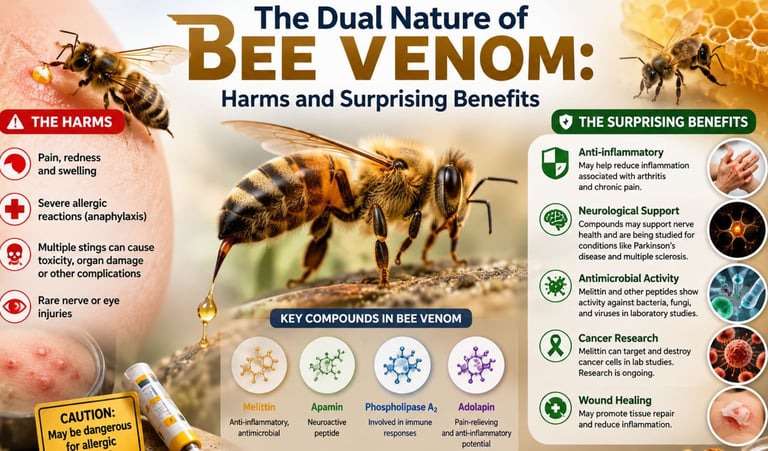
Bee venom is one of nature's most fascinating biological substances.
While a bee sting can cause pain, swelling, or even life-threatening allergic reactions, researchers have also discovered that bee venom contains bioactive compounds with promising therapeutic potential.
This remarkable contrast makes bee venom both a potential hazard and a subject of growing medical research.
⚠️ The Harmful Effects of Bee Venom
For most people, a bee sting causes temporary pain, redness, and swelling that resolve within a few hours or days.
However, bee venom can sometimes produce more serious effects:
Severe allergic reactions (anaphylaxis), which require immediate emergency treatment.
Extensive local swelling lasting several days.
Multiple stings that can lead to toxic effects, including muscle damage, kidney injury, or cardiovascular complications.
Rare nerve or eye injuries depending on the sting location.
Individuals with a history of severe allergic reactions should always carry emergency medication, such as an epinephrine auto-injector if prescribed by their physician.
🌿 The Surprising Therapeutic Potential
Bee venom contains more than 100 biologically active compounds. Among the best studied are:
Melittin – the primary peptide responsible for many anti-inflammatory and antimicrobial effects.
Apamin – a neuroactive peptide that influences nerve signaling.
Phospholipase A₂ – an enzyme involved in immune responses.
Adolapin – a compound with potential pain-relieving and anti-inflammatory properties.
Laboratory and early clinical research suggests bee venom may have potential in several areas:
🦴 Arthritis and Chronic Pain
Bee venom therapy has shown anti-inflammatory effects in some studies of rheumatoid arthritis and osteoarthritis, although evidence remains mixed and larger clinical trials are needed.
🧠 Neurological Disorders
Experimental studies are investigating whether bee venom components may help modulate inflammation in conditions such as Parkinson's disease, multiple sclerosis, and peripheral neuropathy.
These treatments remain investigational.
🦠 Antimicrobial Activity
Melittin has demonstrated activity against certain bacteria, fungi, and viruses in laboratory settings.
Researchers are exploring ways to use it safely without damaging healthy cells.
🎗️ Cancer Research
Melittin has attracted considerable attention because it can destroy cancer cells in laboratory experiments by disrupting their cell membranes.
Scientists are developing targeted delivery systems to reduce toxicity to normal tissues.
However, bee venom is not an established cancer treatment, and current evidence is largely limited to laboratory and animal studies.
🩹 Wound Healing
Some research suggests bee venom may promote tissue repair and reduce inflammation, though further clinical evidence is required.
⚖️ Risks and Precautions
Despite its promising properties, bee venom should never be used without professional supervision because it may cause:
Severe allergic reactions.
Excessive inflammation.
Tissue injury.
Drug interactions.
Serious complications in susceptible individuals.
Bee venom therapy should only be administered by qualified healthcare professionals experienced in allergy management.
🔬 The Bottom Line
Bee venom illustrates how nature can produce substances with both harmful and potentially beneficial effects.
While its compounds continue to inspire exciting biomedical research, current evidence supports bee venom as an area of ongoing investigation rather than a proven treatment for most diseases.
Future advances may allow scientists to harness its therapeutic properties while minimizing its risks.
Meta Description
Discover the dual nature of bee venom, from painful stings and allergic reactions to its promising anti-inflammatory, antimicrobial, and potential therapeutic properties. Learn what current research says about bee venom therapy.
Keywords
bee venom, bee venom therapy, bee sting, bee sting treatment, melittin, apamin, phospholipase A2, adolapin, bee venom benefits, bee venom risks, bee venom side effects, apitherapy, anti-inflammatory, antimicrobial peptides, chronic pain, arthritis, rheumatoid arthritis, osteoarthritis, Parkinson's disease, multiple sclerosis, neuropathy, wound healing, cancer research, immune modulation, natural medicine, complementary medicine, medical research, honeybee venom
Hashtags
#BeeVenom #BeeSting #Apitherapy #Melittin #NaturalMedicine #MedicalResearch #AntiInflammatory #Arthritis #ChronicPain #ImmuneHealth #CancerResearch #Neurology #Parkinsons #MultipleSclerosis #WoundHealing #Antimicrobial #BeeHealth #IntegrativeMedicine #EvidenceBasedMedicine #HealthEducation
=================================================================================================================================================================================================================================================================================================================================================
🧃🍭 Hidden Fructose & Fasting: Can Fasting Reverse Its Harmful Effects?
Hidden fructose is commonly found in soft drinks, sweetened beverages, candies, baked goods, breakfast cereals, flavored yogurts, sauces, and many ultra-processed foods.
Excessive intake of added fructose has been linked to fatty liver disease, insulin resistance, obesity, type 2 diabetes, and increased cardiovascular risk.
🌙 Can fasting help?
Emerging research suggests that intermittent fasting and time-restricted eating may improve insulin sensitivity, metabolic flexibility, body weight, and markers of inflammation in some individuals.
These benefits may help reduce some of the metabolic consequences associated with excessive sugar intake.
However, fasting is not a cure for fructose-related damage.
There is no strong scientific evidence that fasting alone can fully reverse liver damage, metabolic dysfunction, or other health problems caused by long-term excessive fructose consumption.
✅ The best approach includes:
Limiting foods and drinks with added sugars.
Choosing whole fruits instead of sugary beverages.
Eating a balanced, nutrient-rich diet.
Exercising regularly.
Getting adequate sleep and managing stress.
Considering fasting only when appropriate for your health status and preferably under medical guidance if you have chronic medical conditions.
Bottom Line: Fasting may support metabolic health and complement a healthy lifestyle, but reducing added fructose intake remains the most effective strategy for preventing and improving fructose-related health problems.

Get in touch
Address
Cairo Al Rehab
Contacts
+20 109 405 2056
hassanalwarraqi@h-k-e-m.com