
Health is a crown on the heads of the healthy that only the sick can see.




🚩Red Flags : Warning Signs of Diabetes Mellitus
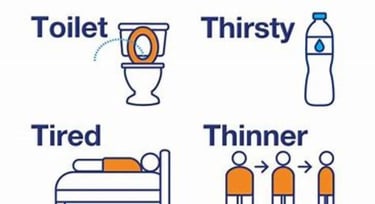
🚨 Feeling thirsty all the time? 🚽 Frequent urination? 🛌 Constant fatigue? These may be red flags of diabetes mellitus. Know the early signs and take action early.
GENERAL DIABETES
Dr Hassan Al Warraqi
6/9/202415 min read
🚩Red Flags : Warning Signs of Diabetes Mellitus
🚨 Feeling thirsty all the time? 🚽 Frequent urination? 🛌 Constant fatigue? These may be red flags of diabetes mellitus. Know the early signs and take action early.
Diabetes is a chronic condition characterized by abnormally high blood sugar levels.
Diabetes is a disorder related to a lack of insulin production or the body's inability to use it effectively.
Diabetes can be divided into two main types: type 1 and type 2. Here's an introduction to each type:
1. Type 1 diabetes:
Also known as “type 1 diabetes” or “juvenile diabetes.”
It is caused by a lack of insulin production in the pancreas.
It appears suddenly at an early age, often in childhood or adolescence
The body's immunity to beta cells in the pancreas is responsible for destroying insulin-producing cells.
Signs and symptoms:
Increased thirst and hunger.
Rapid weight loss.
Frequent urination.
Fatigue and tiredness.
treatment:
Injecting insulin daily to compensate for insulin deficiency.
2. Type 2 diabetes:
Also known as “type 2 diabetes” or “insulin-resistant diabetes.”
It is caused by insulin resistance and/or lack of insulin production.
It usually appears at puberty or after the age of forty.
It may be related to genetic factors and an unhealthy lifestyle.
Signs and symptoms:
Increased thirst and hunger.
Increase in weight.
Fatigue and muscle weakness.
Frequent urination.
treatment:
Lifestyle modification (proper nutrition and physical activity).
Oral medications or insulin injections if needed.
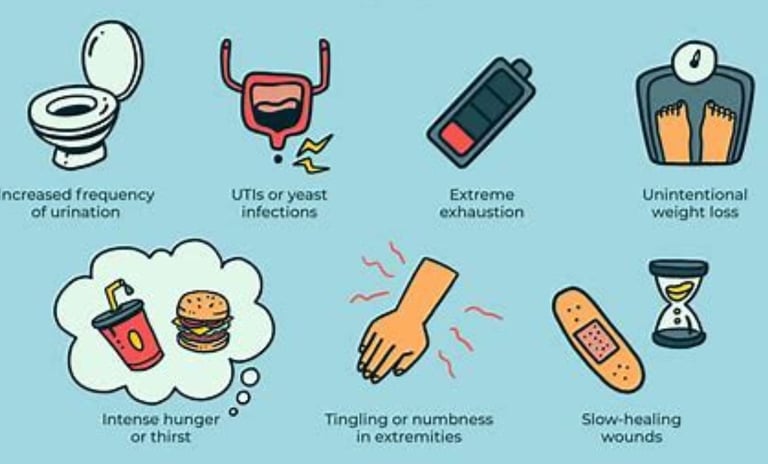
There may be warning signs and symptoms that indicate the possibility of diabetes,
Here are some introductions and warning signs that the body may send before developing diabetes:
Excessive thirst and hunger:
Constant increased thirst and hunger may be a sign of increased blood sugar levels.
Unexplained weight loss:
If you're losing weight for no apparent reason, this may be an indicator of problems with your body's use of sugar.
Increased urination:
Increased frequency of urination, especially at night, may be the result of increased blood sugar levels.
Fatigue and tiredness:
Constant fatigue and exhaustion may be a sign that the body is unable to use sugar effectively for energy.
Vision changes:
Changes in vision may occur as a result of the effect of high blood sugar on the lens in the eye.
Swelling of extremities:
Feeling numbness or tingling in
the extremities, especially the feet,
may indicate problems with the
blood vessels resulting from high
sugar levels.
Wounds that struggle to heal:
Slow healing of wounds or skin can be an indication of problems with body functions due to high sugar levels.
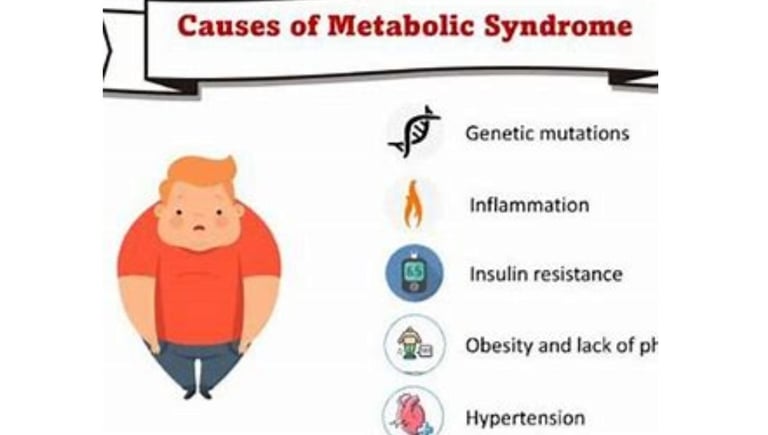
Risk factors are not completely known, but there are some genetic and environmental factors that may play a role: obesity, little physical activity, and unhealthy nutrition.
Complications of diabetes
If diabetes is not controlled, it can lead to serious complications, including:
Cardiovascular diseases, such as heart attack and stroke.
Kidney disease, such as kidney failure.
Eye diseases, such as diabetic retinopathy, which can lead to blindness.
Nerve diseases, such as diabetic neuropathy, which can lead to pain and weakness.
Problems with wound healing.
Ways to prevent diabetes
There is no cure for diabetes, but there are ways in which it can be prevented or delayed:
Maintain a healthy weight.
Exercise regularly.
Eat a healthy diet.
Quit Smoking.
Control blood pressure.
Cholesterol control.
Early skin signs of diabetes
There are a number of skin signs that can be indicative of the onset of diabetes, including:
Dark spots: Dark spots may appear on the neck, armpits, or thighs, and this condition is called diabetic dermopathy.
Fungal infections: People with diabetes may be more susceptible to fungal infections, such as athlete's foot and ringworm.
Wounds that are slow to heal: People with diabetes may have difficulty healing wounds, which can lead to infection.
Skin rash: People with diabetes may develop different types of skin rashes, such as pool syndrome or seborrheic dermatitis.
Skin tags: People with diabetes may develop a larger number of skin tags, also known as skin lesions.
How to recognize early skin signs of diabetes
The importance of early screening for diabetes
Early screening for diabetes
is important, as it can help
prevent serious complications.
If diabetes is diagnosed early,
blood sugar levels can be
controlled, reducing the risk of
complications such as heart disease
stroke, kidney failure and blindness.
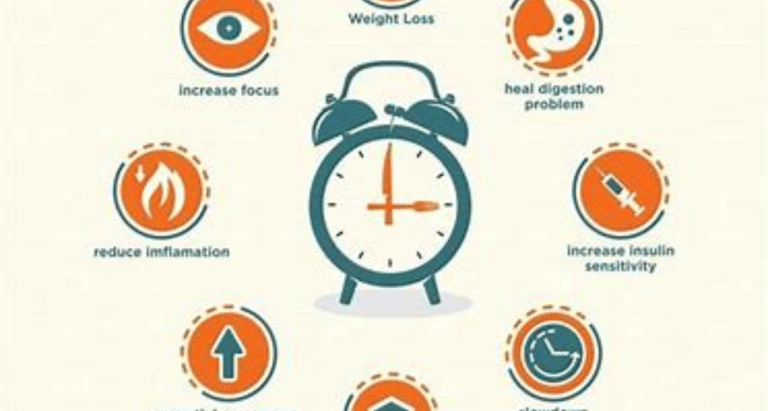
Diabetes and fasting
Fasting is abstaining from food
and drink for a specific period of
time. Fasting may be optional,
or it may be necessary
For healthy people, fasting can be safe if done correctly.
However, fasting can be dangerous for people with diabetes, especially if blood sugar levels are not effectively controlled.
Risks of fasting for diabetics
Fasting can cause blood sugar levels to drop in people with diabetes, which may lead to hypoglycemia.
Hypoglycemia is a serious condition that can cause confusion, paralysis, coma, and even death.
The risks of fasting for diabetics include:
Low blood sugar levels
High blood sugar levels
Increased risk of ketoacidosis
Increased risk of diabetes complications
Tips for diabetics who fast
Intermittent fasting or Islamic fasting is a must for diabetics
Diabetes: Symptoms, Causes, Complications and Prevention
This document discusses the different types of diabetes, its causes, symptoms, potential complications, and prevention methods.
The sources emphasize the importance of early detection and effective management of the disease to avoid serious complications.
Symptoms:
General symptoms:
Frequent urination, especially at night: "Urinate (pee) a lot, often at night".
Extreme thirst: "Are very thirsty".
Unexplained weight loss: "Lose weight without trying".
Extreme hunger: "Are very hungry".
Blurred vision: "Have blurry vision".
Numbness or tingling hands or feet: "Have numb or tingling hands or feet".
Feeling very tired and exhausted: "Feel very tired".
Dry skin: "Have very dry skin".
Slow wound healing: "Have sores that heal slowly".
Frequent infections: "Have more infections than usual".
Symptoms specific to each type
Type 1
Symptoms appear quickly and can be severe: "Symptoms can develop in just a few weeks or months and can be severe." They may also include nausea, vomiting, and stomach pain.
Type 2
Symptoms develop slowly over years, and some people may not notice them: "Type 2 diabetes symptoms often take several years to develop. Some people don't notice any symptoms at all."
Gestational diabetes: Usually no symptoms, and should be tested between weeks 24 and 28 of pregnancy.
Early skin symptoms: May include dark patches on the neck, armpits, and groin (diabetic dermopathy), fungal infections, slow wound healing, rashes, and skin tags.
Causes:
Insulin deficiency or insulin resistance: "Diabetes is a disorder related to a lack of insulin production or the body's inability to use it effectively."
Genetic and environmental factors: "Both type 1 and type 2 diabetes may be caused by a combination of genetic or environmental factors."
Risk factors:
Family history of diabetes.
Being overweight or obese: "Prediabetes, type 2 diabetes and gestational diabetes are more common in people who are overweight or obese."
Lack of physical activity.
Race or ethnicity (people of African, Latino, Native American, and Asian descent).
Having autoantibodies in the blood (in the case of type 1 diabetes).
Complications:
Cardiovascular disease: "Diabetes majorly increases the risk of many heart problems... If you have diabetes, you're more likely to have heart disease or stroke."
Nerve damage (diabetic neuropathy): "Too much sugar can injure the walls of the tiny blood vessels (capillaries) that nourish the nerves... This can cause tingling, numbness, burning or pain."
Kidney damage (diabetic nephropathy): "Diabetes can damage this delicate filtering system."
Eye damage (diabetic retinopathy): "Diabetes can damage the blood vessels of the eye. This could lead to blindness."
Foot problems: "Nerve damage in the feet or poor blood flow to the feet increases the risk of many foot complications."
Skin and mouth problems: "Diabetes may leave you more prone to skin problems, including bacterial and fungal infections."
Hearing loss: "Hearing problems are more common in people with diabetes."
Alzheimer's disease: "Type 2 diabetes may increase the risk of dementia, such as Alzheimer's disease."
Depression: "Depression symptoms are common in people with type 1 and type 2 diabetes."
Prevention:
Eat a healthy diet: "Eat healthy foods. Choose foods lower in fat and calories and higher in fiber. Focus on fruits, vegetables and whole grains."
Get regular physical activity: "Try to get about 30 minutes of moderate aerobic activity on most days of the week."
Maintain a healthy weight: "If you're overweight, losing even 7% of your body weight can lower the risk of diabetes."
Quit smoking
Control your blood pressure and cholesterol.
Get regular checkups:
"Even if you don't have any symptoms, you should have screening for diabetes at your annual check-up."
Fasting and diabetes:
Fasting can be dangerous for people with diabetes, especially if blood sugar levels are not effectively controlled.
Risks include low blood sugar levels (hypoglycemia), high blood sugar levels (hyperglycemia), increased risk of ketoacidosis, and increased risk of diabetes complications.
Bottom line
Diabetes is a serious condition that requires careful attention and management.
Early detection, prevention, and a healthy lifestyle are key to reducing the risks associated with the disease.
Frequently asked questions about diabetes FAQS
What are the common symptoms of diabetes, and how do they differ between type 1, type 2, and gestational diabetes?
Common symptoms of diabetes include frequent urination (especially at night), extreme thirst, unexplained weight loss, excessive hunger, blurred vision, tiredness and fatigue, slow wound healing, increased susceptibility to infection, numbness or tingling in the hands and feet, and dry skin.
Type 1: Symptoms appear quickly, within a few weeks or months, and are severe. They may also include nausea, vomiting, and stomach pain.
Type 2: Symptoms develop slowly over many years. Some people may not notice any symptoms at all.
Gestational diabetes: Usually causes no symptoms.
A check-up is recommended between weeks 24 and 28 of pregnancy.
What are the main causes of diabetes, and how do insulin and glucose work in the body?
The main causes of diabetes vary depending on the type, but in all cases, excess sugar builds up in the blood.
Insulin: A hormone produced by
Pancreas. Allows sugar to enter cells to be used as an energy source.
Glucose: The main energy source for cells. It comes from food and the liver.
The liver stores glucose and releases it when needed to keep blood sugar levels within the normal range.
When the pancreas does not produce enough insulin or when the body cannot use insulin effectively, glucose builds up in the blood, leading to diabetes.
There may be genetic and environmental factors that contribute to the disease.
What are the risk factors that increase the chances of developing diabetes?
Risk factors depend on the type of diabetes. Some common factors include:
Family history: Having relatives with diabetes.
Being overweight or obese: Increases the risk of developing type 2 and gestational diabetes.
Race or ethnicity: Certain ethnic groups (such as blacks, Hispanics, Native Americans, and Asian Americans) are at higher risk of developing type 2.
Lack of physical activity.
High blood pressure and/or high cholesterol.
What are the potential complications of uncontrolled diabetes, and how can they be prevented?
Uncontrolled diabetes can lead to serious, long-term complications, such as:
Cardiovascular disease: including coronary artery disease, heart attacks, strokes, and hardening of the arteries.
Nerve damage (diabetic neuropathy): causes numbness, tingling, and pain, especially in the feet.
Kidney damage (diabetic nephropathy): can lead to kidney failure.
Eye damage (diabetic retinopathy): can lead to blindness.
Foot problems: increased risk of infections and ulcers that may lead to amputation.
Skin and mouth problems: increased susceptibility to bacterial and fungal infections.
Hearing loss.
Alzheimer's disease.
Depression
Prevention: Some types of diabetes (such as type 2 and gestational diabetes) can be prevented by:
Eating a healthy diet: rich in fruits, vegetables, and whole grains and low in fat and calories.
Exercising regularly: about 30 minutes of moderate aerobic exercise most days of the week.
Losing excess weight: Even losing a small amount of weight can reduce your risk of developing diabetes.
What are the early skin signs that may indicate diabetes?
Early skin signs may include:
Dark spots: on the neck, armpits, and groin (diabetic dermopathy).
Fungal infections: such as athlete's foot and ringworm.
Slow-healing wounds.
Rash.
Skin tags: an increase in the number of skin tags.
Why is early detection of diabetes important, and what tests are recommended?
Early detection is important because it allows treatment to begin early, reducing the risk of serious complications.
Recommended tests include:
Fasting blood sugar test (FBS): measures your blood sugar level after not eating for at least 8 hours.
Oral glucose tolerance test (OGTT): measures your blood sugar level after drinking a sugar solution. It is often used to diagnose gestational diabetes.
Glycated hemoglobin (A1C) test: Measures the average blood sugar level over the past 2-3 months.
Regular screening is recommended for people over 45 years of age or with other risk factors.
How can fasting affect people with diabetes, and what precautions should be taken?
Fasting can be dangerous for people with diabetes, especially if blood sugar levels are not well controlled.
Fasting can lead to:
Low blood sugar levels (hypoglycemia): A serious condition that can cause confusion, paralysis, coma, and even death.
High blood sugar levels (hyperglycemia).
Increased risk of diabetic ketoacidosis (DKA).
Increased risk of diabetes complications.
People with diabetes should consult a doctor before fasting to assess their risks and adjust treatment if necessary.
What are the basic tips for preventing diabetes and maintaining good health?
Basic tips for preventing diabetes and maintaining good health include:
Maintaining a healthy weight.
Exercising regularly.
Eat a healthy, balanced diet.
Quit smoking.
Control blood pressure and cholesterol.
Regular self-monitoring.
Have annual diabetes checkups.
key words
Prediabetes, fasting, intermittent fasting, Islamic fasting, early screening, complications of diabetes, early skin signs, complications of diabetes,signs , symptoms , all systems,Maintain a healthy weight,
Exercise regularly,Eat a healthy diet,Quit Smoking,Control blood pressure,Cholesterol control,
===============================================================================================================================================================================================================================================================================================================================
Dr. Hassan Al Warraqi: Professional Background and Philosophy
Credentials and Roles
Physician, educator, and founder of H-K-E-M (Healing Knowledge for Evidence-Based Medicine) 2.
Specializes in integrative medicine, combining metabolic science with traditional healing practices, particularly Islamic fasting.
His approach is rooted in personal experience: Recovered from a debilitating bulging disc through fasting and lifestyle changes, inspiring his advocacy for natural therapies.
Core Philosophy: "Heart Index" Framework
Dr. Al Warraqi defines the "Heart Index" as a holistic biomarker system for cardiovascular health, including:Blood pressure, cholesterol (LDL/HDL), resting heart rate, blood sugar, BMI, vascular function, and inflammatory markers (e.g., hs-CRP) 2.
He posits that voluntary fasting (especially Islamic fasting) is the "only way" to raise this index, claiming it outperforms pharmaceuticals and surgery 2.
Therapeutic Approach: Fasting as Primary Intervention
Mechanisms: Fasting improves the Heart Index by:
Lowering blood pressure (via autonomic nervous system balance).
Reducing LDL/triglycerides through fat metabolism.
Enhancing insulin sensitivity and vascular flexibility 2.
Protocols: Advocates for:
Islamic fasting (dawn-to-dusk Ramadan-style) as ideal.
Intermittent fasting (e.g., 16:8) for non-Muslims or health-specific needs.
Adjuncts: Combines fasting with "emotional reset," stress reduction (Quranic verses/prayer), and "clean nourishment" (whole foods) 2.
Criticisms and Controversies
Dismissal of Western Medicine: Claims "the West does not guide you to good" and criticizes physicians for relying on Western evidence over "natural" solutions 2.
Evidence Gaps: While citing fasting’s benefits for heart failure, cholesterol, and inflammation, his platform lacks peer-reviewed studies. Most claims are anecdotal or rooted in prophetic traditions.
Medical Community Response: Regional studies show only 10.5% of Egyptian physicians have strong evidence-based medicine (EBM) knowledge, with 46.7% lacking skills to critically appraise such claims 4.
Publications and Outreach
Book: Fasting for Acute Diseases: A Natural Path to Recovery (details unspecified in search results).
Platform: Shares content via H-K-E-M.com and social media (Instagram/Facebook), emphasizing patient empowerment and anti-pharmaceutical narratives 2.
Comparison: Dr. Al Warraqi’s Approach vs. Evidence-Based Medicine (EBM)
AspectDr. Al Warraqi’s ModelConventional EBM PracticesFoundationPersonal experience + Islamic traditionClinical trials, systematic reviewsFasting EvidenceAnecdotal success stories; "great reward" (spiritual)Meta-analyses showing mixed outcomes (e.g., cardiovascular risks in some IF protocols) 2Barriers to AdoptionLabels EBM as "Western-centric"Physicians cite patient overload (68%), lack of time (60%) 4Safety WarningsMinimal; fasting "safe and free"Contraindications for diabetes, pregnancy, eating disorders 2
Conclusion: Strengths and Limitations
Dr. Al Warraqi’s work highlights fasting’s potential role in metabolic health but diverges significantly from evidence-based standards. His "Heart Index" concept simplifies complex cardiology into a spiritual-biomarker framework, resonating with patients seeking alternatives to pharmaceuticals. However, his dismissal of Western medicine and limited peer-reviewed validation raise concerns. For fasting to be safely integrated into mainstream care, rigorous studies bridging his methods with EBM principles are needed.
"O you who believe! Seek help through patience and prayer. Indeed, Allah is with the patient." (Quran 2:153) — Central to his ethos 2.
For further details: H-K-E-M.com | X: @HassanAlwarraqi.
===============================================================================================================================================================================================================================================================================================================================
🚩Red Flags : Warning Signs of Diabetes Mellitus
🚩 Red Flags: Warning Signs of Diabetes Mellitus 🩸
Diabetes mellitus is a chronic condition characterized by elevated blood glucose (blood sugar) levels. Early recognition is important because untreated diabetes can lead to serious complications affecting the heart, kidneys, eyes, nerves, and blood vessels.
🚨 Classic Warning Signs
💧 Excessive Thirst (Polydipsia)
One of the most common symptoms is persistent thirst that seems difficult to satisfy.
🚽 Frequent Urination (Polyuria)
High blood sugar causes the kidneys to excrete excess glucose into the urine, increasing urine production.
🍽️ Increased Hunger (Polyphagia)
Despite eating normally—or even more than usual—some people continue to feel hungry because glucose is not being used efficiently by the body's cells.
⚖️ Unexplained Weight Loss
Particularly common in:
Type 1 Diabetes
Advanced or poorly controlled Type 2 Diabetes
The body may begin breaking down fat and muscle for energy.
👀 Vision Changes
High blood sugar can alter fluid balance in the eye, causing:
Blurred vision
Difficulty focusing
Fluctuating vision
Any sudden or significant visual change should be evaluated promptly.
😴 Fatigue and Low Energy
People with diabetes often report:
Persistent tiredness
Reduced stamina
Difficulty concentrating
This occurs because cells are unable to utilize glucose efficiently.
🦠 Frequent Infections
Elevated blood sugar can impair immune function and increase susceptibility to:
Skin infections
Urinary tract infections
Gum disease
Fungal infections
🩹 Slow-Healing Wounds
Cuts, sores, and minor injuries may take longer than expected to heal.
This can be an early sign of diabetes-related effects on circulation and immune function.
✋ Numbness or Tingling
Long-standing high blood sugar can damage nerves, leading to:
Tingling in the hands or feet
Burning sensations
Numbness
Painful neuropathy
⚠️ Serious Red Flags Requiring Urgent Medical Attention
Seek immediate medical care if symptoms are accompanied by:
🤢 Severe Nausea and Vomiting
May indicate diabetic ketoacidosis (DKA), particularly in type 1 diabetes.
😮💨 Rapid or Deep Breathing
Can be a sign of metabolic acidosis.
🧠 Confusion or Altered Consciousness
Requires urgent evaluation.
🍎 Fruity-Smelling Breath
A classic warning sign of diabetic ketoacidosis.
🧪 Who Should Consider Screening?
Risk factors include:
Family history of diabetes
Overweight or obesity
Sedentary lifestyle
High blood pressure
History of gestational diabetes
Increasing age
Prediabetes
🌟 The Bottom Line
The classic warning signs of diabetes include excessive thirst, frequent urination, increased hunger, fatigue, blurred vision, unexplained weight loss, recurrent infections, and slow-healing wounds. Recognizing these symptoms early can lead to timely diagnosis and treatment, helping prevent long-term complications.
If you notice any of these red flags, especially several occurring together, consider seeking medical evaluation and blood glucose testing.
Hashtags
#Diabetes #DiabetesAwareness #BloodSugar #Type1Diabetes #Type2Diabetes #Prediabetes #HealthEducation #MedicalAwareness #PreventiveHealth #Endocrinology #HealthyLifestyle #Wellness #PatientEducation #ChronicDisease #HealthTips
Keywords
warning signs of diabetes, diabetes symptoms, excessive thirst diabetes, frequent urination diabetes, unexplained weight loss diabetes, diabetes red flags, blood sugar symptoms, type 2 diabetes symptoms, type 1 diabetes symptoms, diabetes diagnosis, diabetic ketoacidosis signs, prediabetes symptoms, early diabetes detection, diabetes awareness, glucose testing.
===============================================================================================================================================================================================================================================================================================================================
🤢 Vomiting & Upper Gastrointestinal Obstruction: Complete Medical Guide
Vomiting can occur for many reasons, ranging from mild viral illnesses to serious surgical emergencies. One of the most important causes that requires prompt medical attention is upper gastrointestinal (GI) obstruction, a condition in which food, fluids, and digestive secretions cannot pass normally through part of the digestive tract.
🩺 What Is Upper Gastrointestinal Obstruction?
Upper GI obstruction refers to blockage occurring in the:
Esophagus
Stomach
Pylorus (stomach outlet)
Duodenum (first part of the small intestine)
When a blockage develops, stomach contents accumulate, leading to nausea, vomiting, abdominal discomfort, and nutritional problems.
🚨 Common Symptoms
🤢 Vomiting
The hallmark symptom.
Characteristics may include:
Persistent nausea
Recurrent vomiting
Vomiting soon after eating
Large-volume vomiting
Relief of abdominal fullness after vomiting
🍽️ Difficulty Eating
Patients may experience:
Early satiety
Loss of appetite
Difficulty swallowing (depending on the location)
🫄 Abdominal Distension
Especially with stomach outlet obstruction.
⚖️ Weight Loss
Can develop due to poor nutrient intake and chronic vomiting.
💧 Dehydration
Signs include:
Dry mouth
Dizziness
Reduced urine output
Fatigue
🔍 Causes of Upper GI Obstruction
🧒 In Infants
Common causes include:
Hypertrophic Pyloric Stenosis
Congenital intestinal abnormalities
👨 Adults
🔸 Benign Causes
Peptic ulcer-related scarring
Severe inflammation
Post-surgical adhesions
Gastric volvulus
Foreign body ingestion
🔸 Malignant Causes
Gastric Cancer
Esophageal Cancer
Pancreatic Cancer
Duodenal tumors
🩸 Warning Signs Requiring Urgent Evaluation
Seek immediate medical attention if vomiting is accompanied by:
🚨 Blood in vomit
🚨 Severe abdominal pain
🚨 Inability to keep down fluids
🚨 Black stools
🚨 Significant abdominal swelling
🚨 Signs of shock:
Rapid heartbeat
Low blood pressure
Confusion
Fainting
🔬 How Doctors Diagnose Upper GI Obstruction
📝 Medical History and Examination
Doctors assess:
Duration of symptoms
Weight loss
Previous surgeries
Medication use
Cancer risk factors
🧪 Laboratory Tests
May include:
Complete blood count
Electrolytes
Kidney function tests
Liver function tests
📸 Imaging
Common studies:
Abdominal X-rays
CT scan
Contrast studies
🔭 Endoscopy
An upper endoscopy allows direct visualization of the blockage and may identify ulcers, inflammation, or tumors.
💊 Treatment
Treatment depends on the cause.
💧 Initial Stabilization
Often includes:
Intravenous fluids
Electrolyte correction
Temporary fasting (bowel rest)
Nasogastric tube decompression when necessary
🩹 Benign Obstructions
Treatment may involve:
Endoscopic dilation
Ulcer therapy
Surgical correction if needed
🎯 Malignant Obstructions
Options may include:
Endoscopic stents
Surgery
Chemotherapy
Radiation therapy
🍽️ Nutrition During Recovery
Nutritional support is often essential.
Depending on severity, patients may require:
Modified diets
Liquid nutrition
Enteral feeding
Specialized nutritional support
🌟 Prognosis
Outcomes vary depending on:
Cause of obstruction
Speed of diagnosis
Presence of complications
Overall patient health
Early diagnosis generally improves outcomes and reduces complications.
⚠️ Important Note About Vomiting
While vomiting is common and often caused by relatively minor illnesses such as viral gastroenteritis, persistent vomiting, progressive weight loss, or symptoms suggesting obstruction should never be ignored, as they may indicate a serious underlying condition requiring urgent medical evaluation.
#️⃣ Hashtags
#Vomiting #Gastroenterology #UpperGI #BowelObstruction #DigestiveHealth #MedicalEducation #GIHealth #EmergencyMedicine #StomachHealth #AbdominalPain #Endoscopy #Nutrition #Surgery #Healthcare #PatientEducation
🔑 Keywords
vomiting causes, upper gastrointestinal obstruction, gastric outlet obstruction, persistent vomiting, stomach blockage, duodenal obstruction, bowel obstruction symptoms, GI obstruction diagnosis, vomiting and weight loss, endoscopy for obstruction, abdominal distension, gastrointestinal emergency, digestive tract blockage, upper GI symptoms, obstruction treatment.








Get in touch
Address
Cairo Al Rehab
Contacts
+20 109 405 2056
hassanalwarraqi@h-k-e-m.com