Health is a crown on the heads of the healthy that only the sick can see.



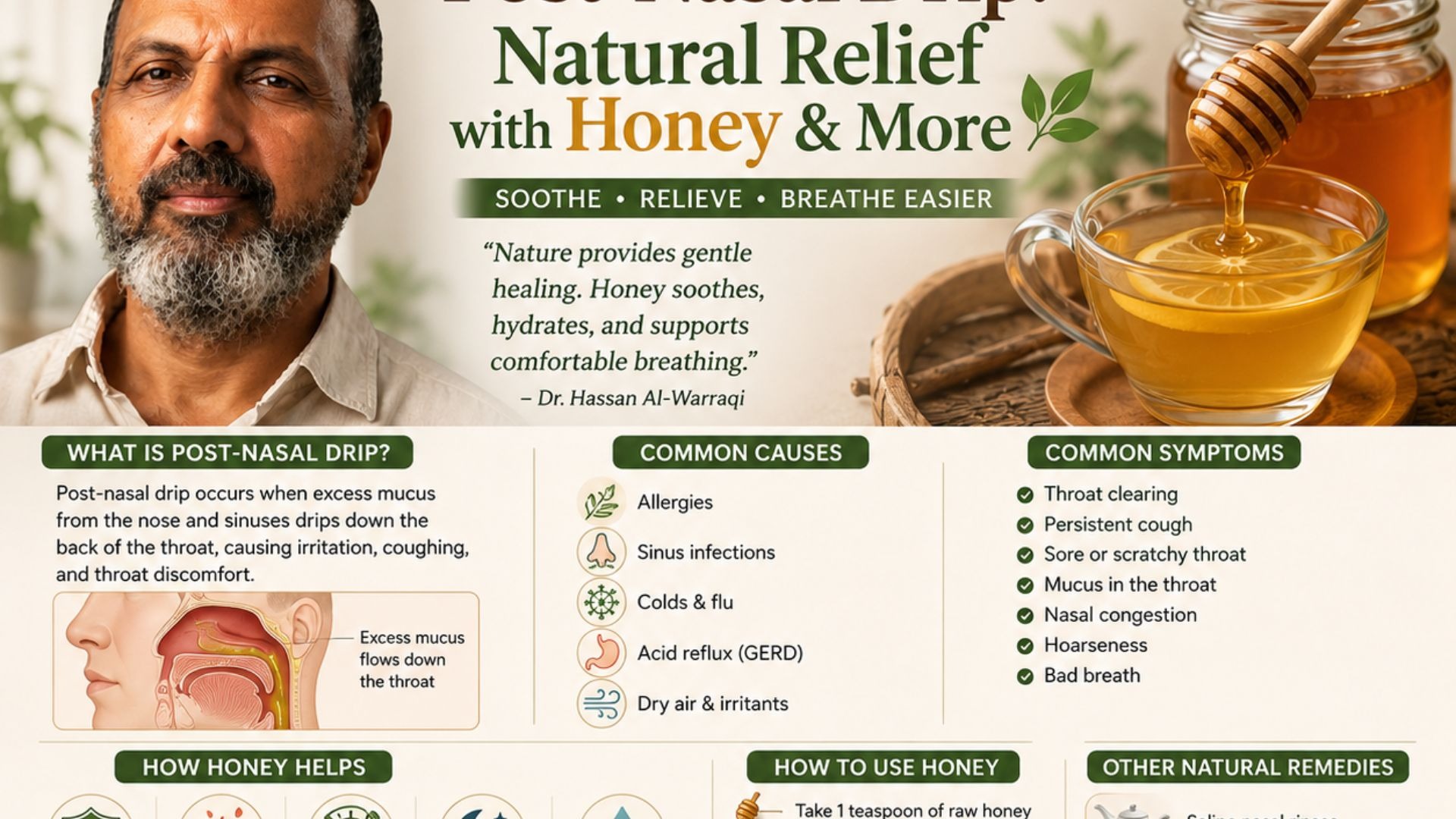
🍯Post-Nasal Drip:Soothe the Throat,Calm the Cough,Breathe Better
Discover what causes post-nasal drip and how natural remedies like honey may help soothe throat irritation, reduce coughing, and support comfort naturally.
POSTNASAL DRIPFASTINGHONEY
Dr Hassan Al Warraqi
5/25/20267 min read
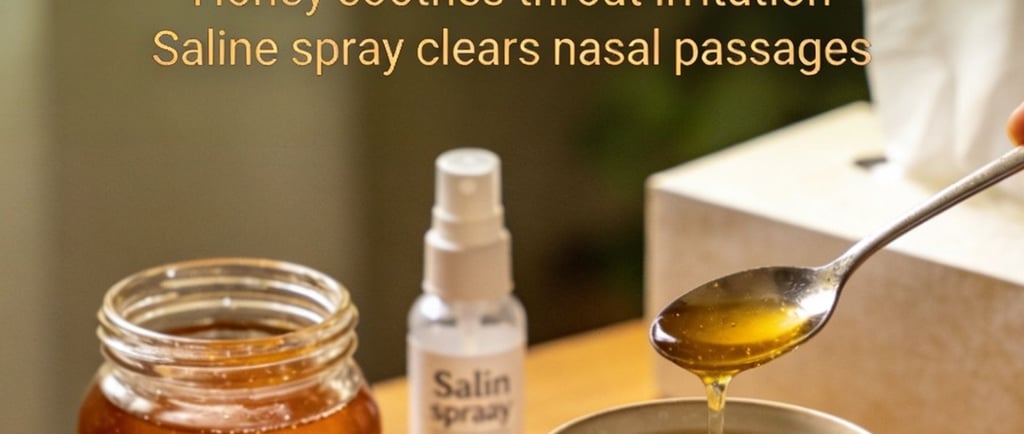
🍯Post-Nasal Drip:Soothe the Throat,Calm the Cough,Breathe Better
Discover what causes post-nasal drip and how natural remedies like honey may help soothe throat irritation, reduce coughing, and support comfort naturally. Learn about symptoms, the best types of honey, safe usage tips, and evidence-informed home remedies for lasting relief.
🍯 Quick Answer: Can Honey Help Post-Nasal Drip?
Yes — honey may help relieve post-nasal drip symptoms by coating the throat, calming irritation, reducing nighttime coughing, and improving comfort. However, honey is a supportive natural remedy, not a cure.
For long-term improvement, it is important to identify and manage the underlying cause, such as:
Allergies
Sinus infections
Acid reflux (GERD/LPR)
Dry air or environmental irritants
🌿 What Is Post-Nasal Drip?
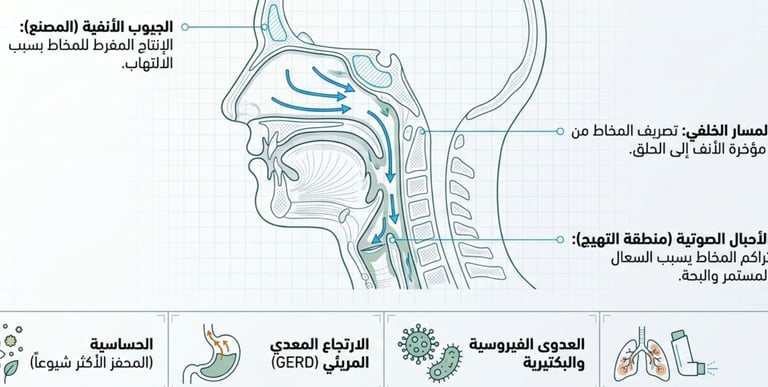
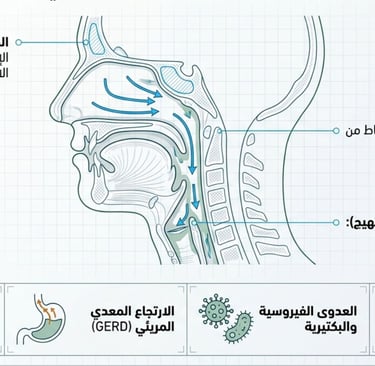
Post-nasal drip (PND) happens when excess mucus from the nose or sinuses flows down the back of the throat.
Normally, mucus helps:
Trap germs and allergens
Moisturize nasal tissues
Protect the respiratory system
But when mucus becomes excessive, thick, or irritating, it may cause:
Constant throat clearing
Persistent cough
Throat irritation
Hoarseness
Sleep disturbance
Healthy adults naturally produce mucus every day, but symptoms develop when mucus becomes difficult to clear or overly irritating.
🤧 Common Causes of Post-Nasal Drip
🌿 Allergies
Pollen
Dust mites
Mold
Pet dander
🦠 Infections
Common cold
Viral upper respiratory infections
Sinus infections
🌫️ Environmental Irritants
Dry air
Smoke
Pollution
Strong perfumes or chemicals
🔥 Acid Reflux (GERD / LPR)
Stomach acid reaching the throat may increase mucus production and irritation.
🩺 Other Causes
Nasal polyps
Deviated septum
Hormonal changes
Certain medications
⚠️ Symptoms of Post-Nasal Drip
Common symptoms include:
Frequent throat clearing
Persistent cough
Feeling mucus in the throat
Hoarseness
Sore or scratchy throat
Nasal congestion
Bad breath
Nighttime coughing
⚠️ Symptoms lasting longer than 10–14 days or worsening over time should be medically evaluated.
🍯 Why Honey Is Popular in Natural Remedies
Honey has been used for centuries in traditional wellness practices because of its:
Soothing texture
Natural antioxidant compounds
Mild antimicrobial activity
Anti-inflammatory properties
Unlike many over-the-counter cough remedies, honey is:
Simple
Affordable
Widely available
Generally well tolerated in adults and older children
🌙 How Honey May Help Relieve Post-Nasal Drip
🍯 1. Soothes Irritated Throat Tissues
Honey forms a gentle coating over inflamed throat tissues, which may help reduce:
Dryness
Rawness
Irritation from dripping mucus
😴 2. Helps Calm Nighttime Coughing
Research suggests honey may help:
Reduce cough frequency
Ease nighttime coughing
Improve sleep quality
🛡️ 3. Provides Mild Antimicrobial Support
Honey naturally contains:
Antioxidants
Hydrogen peroxide compounds
Low-pH antimicrobial activity
💧 4. Supports Comfort & Hydration
Warm honey drinks may:
Help loosen mucus
Soothe throat tissues
Support hydration and comfort
🍯 Best Types of Honey for Post-Nasal Drip
Type of Honey
Potential Benefits
Manuka Honey
Strong antimicrobial activity
Raw Buckwheat Honey
Rich in antioxidants
Wildflower Honey
Gentle daily soothing support
Raw Local Honey
Natural enzymes and pollen compounds
✅ Choosing Quality Honey
Look for:
Raw or unpasteurized labels
No added syrups or sugars
Trusted brands or certifications
🍵 How to Use Honey for Post-Nasal Drip
🌙 Bedtime Honey Routine
Take:
1 teaspoon of raw honey
about 30 minutes before sleep.
Allow it to dissolve slowly in the mouth to coat the throat.
☀️ Other Helpful Methods
🍵 Honey with:
Warm water
Ginger tea
Lemon water
Chamomile tea
🍯 Direct Spoonfuls
Use:
1–3 times daily as needed
📏 Suggested Intake
Adults
1–2 teaspoons up to 3 times daily
Children Over 1 Year
Smaller amounts depending on age
⚠️ Never give honey to infants under 12 months due to the risk of infant botulism.
🌿 Other Natural Remedies for Post-Nasal Drip
Helpful supportive measures include:
Saline nasal rinses
Steam inhalation
Humidifiers
Good hydration
Elevated sleeping position
Warm soups and herbal teas
Avoiding smoke and irritants
🧂 Saline Nasal Irrigation
Saline rinses may help:
Remove allergens
Thin mucus
Reduce nasal irritation
⚠️ Safety Precautions When Using Honey
🩸 Diabetes
Honey contains natural sugars, so moderation is important.
People with diabetes should:
Use smaller amounts
Monitor blood glucose
Consult healthcare professionals if needed
🌼 Allergies
Avoid honey if allergic to:
Bee products
Propolis
Pollen
🚑 When to Seek Medical Help
Seek medical evaluation if symptoms include:
Fever
Wheezing
Bloody mucus
Severe sinus pain
Difficulty breathing
Symptoms lasting longer than 10–14 days
🔬 Scientific Evidence Supporting Honey
Several studies suggest honey may:
Reduce cough severity
Improve sleep quality during upper respiratory illness
Soothe sore throat symptoms
Provide mild antimicrobial support
🍯 Why Manuka Honey Gets Attention
Manuka honey contains:
MGO (Methylglyoxal)
Stable antibacterial compounds
Although more research is still needed specifically for post-nasal drip, current evidence supports honey as a reasonable supportive home remedy for throat irritation and cough.
🍯🪥 Dr. Hassan Al-Warraqi’s Honey Oral Therapy Protocol 🌿
A supportive natural oral care method using raw honey or medical-grade Manuka honey to help soothe the mouth, gums, palate, and throat while supporting oral comfort and hygiene.
🛠️ Tools Needed
Soft-bristled toothbrush
Clean fingertip or silicone gum brush
Raw honey or Manuka honey (UMF 10+ / MGO 250+)
Clean water for rinsing
🪥 Step-by-Step Honey Oral Protocol
1️⃣ Clean the Mouth First
Before applying honey:
Brush teeth normally with fluoride toothpaste
Floss thoroughly
Rinse the mouth well
This helps remove plaque and food particles before the honey step.
2️⃣ Apply Honey to the Toothbrush
Place:
½ to 1 teaspoon of raw honey
onto a soft toothbrush.
⚠️ Do not mix toothpaste with the honey application step.
3️⃣ Brush Teeth & Gumlines Gently
Brush softly for:
1–2 minutes
Focus on:
Teeth surfaces
Gum margins
Plaque-prone areas
4️⃣ Gentle Gum Massage
Using:
A clean fingertip
orA soft toothbrush
Massage the gums gently using circular motions.
🌿 This may help:
Support gum comfort
Improve circulation
Soothe irritated tissues
5️⃣ Coat the Soft & Hard Palate
Apply a thin layer of honey over:
The hard palate
The soft palate
This may help soothe:
Dry mouth
Throat irritation
Inflamed oral tissues
6️⃣ Honey Gargling
Place:
About 1 teaspoon of honey
near the throat and gargle gently for:30–60 seconds
This may help coat:
Tonsils
Pharynx
Posterior throat tissues
You may:
Swallow it
orSpit it out
7️⃣ Rinse with Water
After:
5–10 minutes
Rinse thoroughly with plain water.
⚠️ This step is important to:
Reduce sugar residue
Lower cavity risk
Help protect enamel
🌙 Best Time to Use
✅ Evening after oral hygiene
✅ During sore throat irritation
✅ After meals if medically appropriate
Avoid eating or drinking for about:
30 minutes afterward
⚠️ Safety Notes
Never give honey to infants under 12 months
People with diabetes should use caution
Avoid use if allergic to bee products or pollen
Honey supports oral wellness but does not replace dental care or antibiotics when needed
🌱 Final Thoughts: Natural Relief with Honey
Honey may serve as a gentle and evidence-supported natural remedy for post-nasal drip symptoms, especially:
Throat irritation
Dryness
Nighttime coughing
Combined with:
Hydration
Saline rinses
Humidified air
Healthy lifestyle habits
it may help improve comfort and sleep naturally.
🌿 Remember:
Honey supports symptom relief — not the root cause
Persistent symptoms require proper medical evaluation
The best results come from combining natural care with evidence-based treatment when needed
❓ FAQs: Honey & Post-Nasal Drip 🍯🌿
1. What is post-nasal drip?
Post-nasal drip occurs when excess mucus drains from the nose or sinuses into the throat, causing irritation and coughing.
2. Can honey really help post-nasal drip?
Yes. Honey may soothe throat irritation, reduce coughing, and improve comfort, especially at night.
3. Which honey is best for post-nasal drip?
Popular choices include:
Manuka honey
Buckwheat honey
Raw wildflower honey
Raw local honey
4. How should I use honey?
Common methods include:
1 teaspoon before bedtime
Honey mixed with warm water or herbal tea
Slowly dissolving honey in the mouth
5. How quickly does honey work?
Many people experience immediate throat soothing, while cough improvement may occur within 1–2 nights.
6. Can honey stop mucus production?
No. Honey mainly helps relieve symptoms such as throat irritation and coughing.
7. Is honey better than cough syrup?
Some studies suggest honey may work similarly to certain over-the-counter cough remedies for mild nighttime cough.
8. Can children use honey?
⚠️ Never give honey to infants under 12 months. Older children may use small supervised amounts.
9. Can people with diabetes use honey?
People with diabetes should use caution because honey contains natural sugars.
10. Does warm honey tea help?
Yes. Warm fluids with honey may soothe the throat and improve hydration.
11. What other natural remedies help?
Helpful measures include:
Saline rinses
Steam inhalation
Humidifiers
Hydration
Avoiding smoke and irritants
12. Can allergies cause post-nasal drip?
Yes. Allergies are one of the most common causes of chronic post-nasal drip.
13. When should I see a doctor?
Seek medical care for:
Fever
Bloody mucus
Wheezing
Severe sinus pain
Symptoms lasting more than 10–14 days
14. Can acid reflux cause post-nasal drip?
Yes. GERD and silent reflux (LPR) can irritate the throat and increase mucus production.
15. Is raw honey better than processed honey?
Raw honey generally retains more:
Enzymes
Antioxidants
Natural bioactive compounds
16. Can honey cure sinus infections?
No. Honey may soothe symptoms, but bacterial infections may still require medical treatment.
17. Does honey help nighttime coughing?
Yes. Research suggests honey may help reduce nighttime coughing and improve sleep quality.
18. Can honey worsen mucus?
Usually no, though some people feel certain foods combined with honey may make mucus feel thicker.
19. What is the best natural approach?
A balanced strategy often works best:
✅ Honey for throat soothing
✅ Saline rinses for nasal cleansing
✅ Hydration and humidified air
✅ Treating allergies or reflux when present
✅ Medical care for persistent or severe symptoms
============================================================================================================
🍯 Post-Nasal Drip: Soothe the Throat, Calm the Cough, Breathe Better 🌿
#️⃣ Hashtags
#PostNasalDrip #HoneyRemedy #NaturalRelief #ThroatCare #HoneyHealing #NaturalMedicine #HolisticHealth #SinusRelief #ChronicCough #ThroatSoothing #HoneyBenefits #RespiratoryHealth #NaturalWellness #HerbalRemedies #HealthyLiving #SinusCare #MucusRelief #NighttimeCough #BreatheBetter #RawHoney #ManukaHoney #ImmuneSupport #WellnessJourney #NaturalHealing #AlternativeHealth #GERDRelief #AllergyRelief #SteamTherapy #SalineRinse #HealthyBreathing
🔑 SEO Keywords
post-nasal drip natural relief, honey for post-nasal drip, natural remedies for mucus in throat, how to stop throat clearing naturally, best honey for cough and mucus, post-nasal drip home remedies, raw honey for throat irritation, natural relief for chronic cough, sinus drainage remedies, nighttime cough relief naturally, post-nasal drip and honey, Manuka honey for throat soothing, saline rinse for post-nasal drip, natural ways to breathe better, mucus drip in throat treatment, honey for sore throat and cough, natural sinus relief methods, GERD and post-nasal drip, allergy-related post-nasal drip, holistic remedies for throat irritation
🍯 Post-Nasal Drip: Soothe the Throat, Calm the Cough, Breathe Better 🌿
Meta Description:
Discover natural ways to relieve post-nasal drip using honey, hydration, steam therapy, and soothing home remedies. Learn how to calm throat irritation, reduce coughing, and breathe more comfortably naturally.
🌿 Natural Support for Post-Nasal Drip
Post-nasal drip happens when excess mucus from the nose or sinuses flows down the back of the throat, leading to:
Constant throat clearing
Persistent coughing
Hoarseness
Throat irritation
Nighttime discomfort
🍯 How Honey May Help
Honey may naturally support comfort by:
Coating irritated throat tissues
Calming dry coughs
Supporting hydration
Providing mild antimicrobial and antioxidant effects
🌙 Many people find that:
1 teaspoon of raw honey before bedtime
may help reduce nighttime coughing and throat irritation.
🍵 Helpful Honey Combinations
Try honey with:
Warm water
Ginger tea
Lemon water
Chamomile tea
🌿 Other Natural Remedies
Supportive measures may include:
Saline nasal rinses
Steam inhalation
Humidifiers
Staying hydrated
Elevating the head during sleep
Avoiding smoke and strong irritants
🍯 Best Types of Honey
Manuka honey
Raw wildflower honey
Buckwheat honey
Raw local honey
⚠️ Important Safety Notes
Never give honey to infants under 12 months
Use caution with diabetes or bee-product allergies
Persistent symptoms may require medical evaluation
🌱 Final Thought
Honey is not a cure for post-nasal drip, but it may provide gentle, natural symptom relief when combined with hydration, nasal care, and healthy lifestyle habits.
=======================================================================
💧🌙 Why Dehydration During Fasting Doesn’t Always Lead to Blood Clots 🩸
Mild, short-term dehydration during healthy fasting does not automatically cause blood clots in most people because the body activates powerful balancing mechanisms to maintain circulation and fluid stability.
🧠 The body adapts through:
• Hormonal fluid conservation
• Reduced unnecessary fluid loss
• Blood vessel regulation
• Kidney sodium and water balance
A simplified concept is:
Fluid Conservation→Circulatory Stability\text{Fluid Conservation} \rightarrow \text{Circulatory Stability}Fluid Conservation→Circulatory Stability
⚠️ However, clot risk can increase when dehydration combines with:
• Immobility
• Smoking
• Severe illness or infection
• Heat stroke
• Obesity
• Cancer
• Genetic clotting disorders
✅ Safe fasting should include:
• Adequate hydration outside fasting hours
• Electrolyte balance
• Avoiding extreme heat and exhaustion
• Medical guidance for high-risk individuals
🚨 Severe dehydration can still become dangerous and may increase clotting risk in vulnerable people.
================================================================================================================================================================================================================================





Get in touch
Address
Cairo Al Rehab
Contacts
+20 109 405 2056
hassanalwarraqi@h-k-e-m.com