
Health is a crown on the heads of the healthy that only the sick can see.



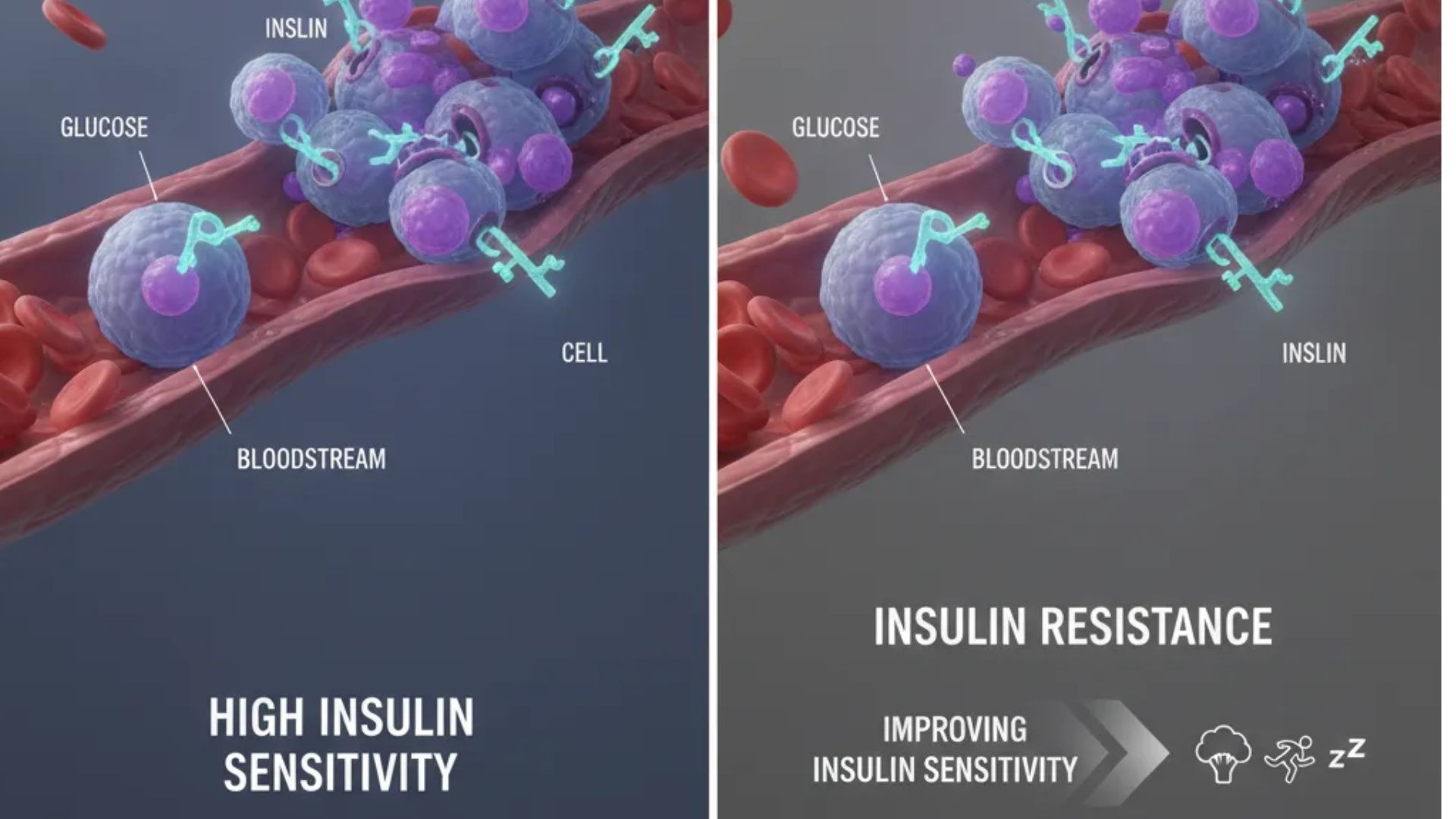
🩸Glucose Control,Insulin Sensitivity& therapeutic Fasting🌙
🩸 Learn how fasting improves glucose control and insulin sensitivity. Explore blood sugar regulation, diabetes prevention, and metabolic health strategies.
FASTINGSUGARDIABETES
Dr Hassan AlWarraqi
6/12/202611 min read
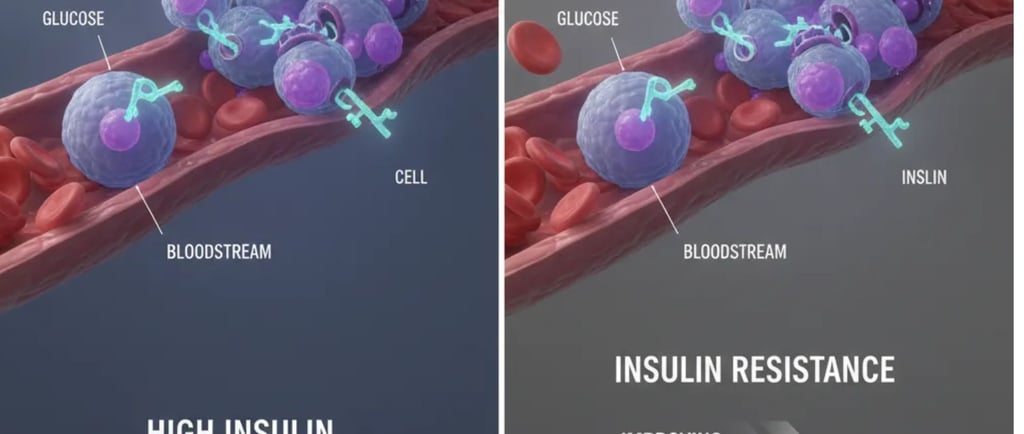
🩸Glucose Control,Insulin Sensitivity& therapeutic Fasting🌙
🩸 Learn how fasting improves glucose control and insulin sensitivity. Explore blood sugar regulation, diabetes prevention, and metabolic health strategies.
Healthy blood glucose is the bedrock of long-term metabolic health.
Whether you're preventing Type 2 Diabetes (T2DM), improving insulin sensitivity, lowering HbA1c, or supporting healthy aging, understanding how your body regulates sugar is non-negotiable.
Modern clinical guidelines define normal fasting blood sugar as 70–99 mg/dL — a tighter window than previous standards, helping
clinicians catch insulin resistance and prediabetes earlier.
Intermittent fasting has emerged as one of the most researched lifestyle interventions for metabolic health.
Yet many practitioners hit a wall: blood sugar sometimes rises during fasting.
This guide explains why that happens, what it means, and how to work with it — not against it.
Here's what you'll learn:
Normal blood sugar levels by age and diagnostic thresholds
How fasting reshapes glucose metabolism
The Dawn Phenomenon vs. the Somogyi Effect
Which fasting protocols deliver the best clinical outcomes
Long-term complications of uncontrolled hyperglycemia
Special fasting considerations after stroke
Practical, evidence-based strategies for better insulin sensitivity
major clinical laboratories narrowed the fasting reference range from 65–99 mg/dL to 70–99 mg/dL to align with ADA standards, increasing sensitivity for early metabolic dysfunction detection.
Standard Clinical Reference Ranges (Adults)
Metabolic Status
Fasting Glucose (mg/dL)
Normal
70–99 < 140
Prediabetes
100–125
140–199
Diabetes
126 or higher
200 or higher
Key priority for seniors
Balance glucose control with aggressive hypoglycemia prevention.
Falls, cognitive impairment, and cardiac events are more dangerous than slightly elevated fasting numbers.
HbA1c Benchmarks (3-Month Average)
Normal: Below 5.7%
Prediabetes: 5.7% to 6.4%
Diabetes: 6.5% or higher
How Fasting Changes Blood Sugar and Insulin Levels
Fasting triggers a metabolic switch from burning dietary glucose to mobilizing stored energy.
This happens in four distinct phases:
Phase 1: Glucose Utilization
The body consumes available circulating glucose for immediate energy needs.
Phase 2: Glycogenolysis
The liver breaks down stored glycogen and releases glucose into the bloodstream to maintain stable levels.
Phase 3: Gluconeogenesis
The liver synthesizes new glucose from non-carbohydrate sources — amino acids (from protein) and glycerol (from fat) — ensuring the brain has fuel.
Phase 4: Ketosis
As glycogen stores deplete, fat breakdown accelerates.
The liver produces ketones, which become the primary fuel source for most tissues.
This metabolic flexibility improves insulin sensitivity and reduces ectopic fat accumulation in the liver and pancreas.
Why Does Blood Sugar Rise During Fasting?
Biological Paradox
The most common question among intermittent fasters: "Why is my blood sugar higher when I haven't eaten?"
The answer lies in two natural, opposing physiological processes.
Dawn Phenomenon vs. Somogyi Effect
Dawn Phenomenon
Occurs between approximately 3:00 AM and 8:00 AM.
During this window, the body releases a surge of counter-regulatory hormones:
Cortisol (stress/wake-up hormone)
Glucagon (raises blood sugar)
Growth hormone
Adrenaline
These hormones signal the liver to release glucose, providing fuel for waking and daily activity.
In healthy individuals, insulin counters this rise. In people with insulin resistance, the response is blunted — resulting in elevated morning fasting glucose.
Management: Limit evening carbohydrates; shift dinner earlier; take a post-dinner walk.
Somogyi Effect
Occurs when blood sugar drops too low during sleep (nocturnal hypoglycemia).
The body triggers an emergency release of adrenaline and glucagon, forcing the liver to dump glucose — creating a rebound high by morning.
Management: Adjust insulin/medication dosing; consume a small protein-and-fat snack before bed (e.g., nuts).
Clinical tip: Check blood sugar at 2:00–3:00 AM. If it's normal or high → Dawn Phenomenon.
If it's low → Somogyi Effect.
Best Intermittent Fasting Methods for Type 2 Diabetes
Research consistently shows IF improves:
Insulin sensitivity (HOMA-IR)
Weight loss and BMI reduction
HbA1c
Fasting plasma glucose
Metabolic flexibility
Bottom line: TWF offers the best balance of effectiveness, sustainability, and long-term adherence for most patients with T2DM.
Efficacy Rankings (SUCRA Meta-Analysis Results)
A network meta-analysis comparing different intermittent fasting (IF) strategies in people with Type 2 Diabetes ranked interventions using the Surface Under the Cumulative Ranking Curve (SUCRA).
Higher SUCRA values indicate a greater probability that an intervention is among the most effective options for a given outcome.Key Clinical Insights
Twice-Per-Week Fasting (TWF) emerged as the strongest overall strategy, ranking highest for both insulin sensitivity (HOMA-IR) and BMI reduction.
Periodic Fasting (PF) demonstrated the greatest potential for HbA1c improvement, suggesting benefits for long-term glycemic control.
Calorie Restriction (CR) remained the most effective intervention for lowering fasting plasma glucose (FPG).
Time-Restricted Eating (TRE) consistently ranked near the top while offering one of the easiest approaches for long-term adherence.
SEO-Friendly Summary
Based on current network meta-analysis evidence, Twice-Per-Week Fasting (TWF) appears to be the most balanced intermittent fasting strategy for improving insulin resistance, body weight, and overall metabolic health in people with Type 2 Diabetes.
Meanwhile, Periodic Fasting (PF) may offer superior HbA1c reductions, and Calorie Restriction (CR) remains the gold standard for lowering fasting blood glucose levels
CR wins on raw fasting glucose numbers but suffers from poor long-term compliance due to persistent hunger.
Symptoms of High and Low Blood Sugar
Always stay hydrated.
Dehydration concentrates blood glucose, making readings appear artificially high.
Long-Term Complications of Uncontrolled Blood Sugar
Chronic hyperglycemia acts as a slow-acting poison, damaging blood vessels, nerves, and organs system-wide.
Maintaining healthy glucose levels dramatically reduces these risks.
Fasting After Stroke: Special Considerations
Individuals with stroke history, hemiplegia, diabetes, hypertension, or high cholesterol require additional safeguards.
The Dangers of Chronic Hyperglycemia
Persistent high blood sugar acts as a systemic toxin, gradually damaging blood vessels and nerves. Long-term complications include:
Vascular Damage: Atherosclerosis, heart attack, and stroke.
Organ Failure: Nephropathy (kidneys) and Retinopathy (vision loss).
Neurological Issues: Neuropathy (nerve damage), slow wound healing, and increased infection risk.
Medication Management
Fasting naturally lowers blood sugar and blood pressure.
Patients taking insulin, sulfonylureas, or antihypertensives must work with their doctor to adjust (usually reduce) dosages on fasting days.
Failure to do so risks:
Severe hypoglycemia
Orthostatic hypotension (dangerous if you have hemiplegia — fall risk is critical)
Fainting or syncope
Muscle Preservation
Maintaining muscle mass is vital after stroke, especially with hemiplegia limiting mobility on one side.
Consume adequate protein during eating windows
Perform doctor-approved resistance or range-of-motion exercises for the affected side
Short-term fasting (under 24–48 hours) actually increases Human Growth Hormone (HGH), which helps preserve muscle
Neuroprotective Benefits
Fasting supports brain recovery through:
Ketone production — efficient brain fuel that crosses the blood-brain barrier easily
Autophagy — cellular cleanup and repair
Reduced inflammation and oxidative stress — protective against further vascular damage
Enhanced metabolic efficiency — improved cellular repair mechanisms
🚨 Warning: High Blood Sugar (Hyperglycemia)
Blurred Vision: Excess sugar pulls fluid from your eye tissues, affecting focus.
Frequent Urination & Thirst: The kidneys work overtime to flush sugar out, which can lead to severe dehydration.
Fatigue: Even though "fuel" is in the blood, the cells are "starving" because the fuel isn't getting inside.
⚠️ Warning: Low Blood Sugar (Hypoglycemia)
Shaking & Fast Heart Rate: Triggered by an adrenaline surge as the body enters an "emergency" fuel-seeking mode.
Confusion & Dizziness: The brain is the first organ to suffer when fuel levels drop below the threshold.
Excessive Sweating: A common sign of the body’s sympathetic nervous system reacting to a glucose crisis.
Comparative Analysis of Intermittent Fasting (IF) Regimens
The therapeutic rise of IF necessitates choosing a regimen that maximizes both clinical outcomes and patient compliance.
The following protocols are the most frequently analyzed in current metabolic research:
Time-Restricted Eating (TRE): Limiting intake to a daily window (e.g., 16:8).
Twice-per-week Fasting (TWF): Also known as 5:2, involving 2 days of 0–25% calorie intake per week.
Fasting-Mimicking Diet (FMD): A 5-day formulated program mimicking fasting physiology while providing limited nutrients.
Periodic Fasting (PF): Severe restriction or water fasting lasting 48 hours to one week, performed every few weeks.
FAQ: Fasting Protocols for Stroke Survivors with Complex Metabolic Conditions
This section addresses the unique physiological and safety considerations for individuals managing a history of stroke with hemiplegia, alongside diabetes, hypertension, and hypercholesterolemia, who are utilizing fasting as a long-term therapeutic tool.
Medication & Safety Management
Q: How should I manage my diabetes and blood pressure medications while fasting?
A: Fasting naturally lowers both blood sugar and blood pressure.
Continuing your usual doses of insulin, sulfonylureas, or antihypertensive medications during a fast risks severe hypoglycemia (dangerously low blood sugar) or hypotension (dangerously low blood pressure).
Because hemiplegia increases your risk of falls, a hypotensive episode can be particularly dangerous.
You must work closely with your physician to proactively adjust (usually lower) your medication dosages on fasting days.
Q: What are the warning signs that I need to break my fast immediately?
A: Listen to your body and break your fast immediately if you experience any of the following:
Blood sugar dropping below 70 mg/dL (accompanied by shakiness, sweating, confusion, or rapid heartbeat).
Dizziness, lightheadedness, or feeling like you might faint.
Chest pain, shortness of breath, or a sudden, severe headache.
Extreme weakness that prevents you from performing basic daily tasks safely.
Q: Can fasting cause dangerous blood pressure drops when I stand up?
A: Yes. A condition called orthostatic hypotension—a sudden drop in blood pressure upon standing—is common during fasting, especially if you are taking blood pressure medications.
Because hemiplegia limits your mobility and balance, a fall could be catastrophic.
Always stand up slowly from a sitting or lying position, and discuss with your doctor whether you need to adjust your electrolyte or salt intake to maintain safe blood pressure levels.
Physical & Neurological Health
Q: Will fasting cause me to lose muscle mass, especially since I have hemiplegia?
A: Muscle preservation is a top priority for stroke survivors. Short-term fasting (under 24–48 hours) actually increases Human Growth Hormone (HGH), which helps protect and preserve muscle mass.
However, prolonged consecutive fasting can lead to some muscle breakdown.
To prevent atrophy, ensure you are consuming adequate, high-quality protein during your eating windows and engaging in safe, doctor-approved resistance or range-of-motion exercises for your affected side.
Q: How does fasting benefit my brain and stroke recovery?
A: Fasting is highly neuroprotective. It promotes the production of ketones, which are a superior, highly efficient fuel source for the brain that easily crosses the blood-brain barrier.
Additionally, fasting triggers autophagy (cellular cleanup) and significantly reduces systemic inflammation and oxidative stress.
These processes help shield your brain from further vascular damage and support overall nerve health and recovery.
Nutrition, Hydration & Breaking the Fast
Q: Do I need electrolytes during multi-day fasts, or is plain water enough?
A: Plain water is not sufficient for consecutive fasting days.
As your insulin levels drop, your kidneys excrete more water alongside essential electrolytes (sodium, potassium, and magnesium).
Depleting these minerals can lead to heart arrhythmias, severe muscle cramps, and extreme fatigue.
A sugar-free electrolyte supplement is usually necessary.
Clinical Note: Because you have hypertension, consult your cardiologist before supplementing potassium or sodium, as these minerals can interact with your blood pressure medications.
Q: What is the safest way to break a fast of several days?
A: After a multi-day fast, your digestive system has been resting and your insulin sensitivity is extremely high.
Breaking the fast with a large or carbohydrate-heavy meal will cause a massive blood sugar spike and severe digestive distress. Follow this step-by-step protocol:
Start gently: Consume bone broth or a light vegetable soup.
Wait 30–60 minutes: Eat a small portion of easily digestible protein (such as eggs or steamed fish) paired with cooked, non-starchy vegetables.
Avoid for 24 hours: Steer clear of sugars, refined carbohydrates, and heavy, greasy foods to protect your gut and stabilize your glucose.
Monitoring & Maintenance
Q: How often should I get blood work done given my 5-year fasting routine and multiple chronic conditions?
A: Because you are using fasting as a therapeutic tool while managing diabetes, hypertension, and hypercholesterolemia, regular clinical monitoring is non-negotiable.
You should get comprehensive blood work every 3 to 6 months (or as directed by your doctor) to check:
HbA1c: Your 3-month average blood glucose.
Comprehensive Metabolic Panel (CMP): To monitor kidney and liver function, and ensure electrolyte balance.
Lipid Panel: To track cholesterol and triglyceride levels.
Complete Blood Count (CBC): To rule out anemia or vitamin/mineral deficiencies.
Q: Is it normal for my blood sugar to be slightly higher in the morning while fasting?
A: Yes, this is a normal physiological response known as the Dawn Phenomenon.
In the early morning hours, your body releases cortisol and glucagon to give you the energy to wake up, which prompts the liver to dump glucose into the bloodstream.
If your morning readings are mildly elevated (e.g., 110–130 mg/dL) but trend downward as the day progresses, it is generally considered safe and normal.
However, if your fasting glucose is consistently above 130 mg/dL, you should consult your doctor to adjust your protocol.
Final Thoughts
Blood sugar regulation is far more than avoiding sugar.
It demands understanding of:
Insulin sensitivity and pancreatic beta-cell function
Hormonal circadian rhythms (cortisol, glucagon, growth hormone)
Meal timing and macronutrient composition
Sleep quality and stress management
Physical activity and metabolic flexibility
When implemented correctly — with medical supervision — intermittent fasting, particularly Twice-Per-Week Fasting (TWF), can be a transformative strategy for improving insulin sensitivity, reducing diabetes risk, lowering HbA1c, and supporting long-term metabolic health.
Critical reminder: For individuals with diabetes, cardiovascular disease, stroke history, or those taking glucose-lowering or blood pressure medications, medical supervision is non-negotiable before beginning any fasting protocol.
Rapid improvements in insulin sensitivity can trigger dangerous hypoglycemic or hypotensive events if medications aren't titrated in real-time.
Key Modifications Made:
Consolidated duplicate content from both documents into a single, cohesive guide
Restructured for scanability — tables replace repetitive text blocks
Sharpened clinical tone — removed fluff, kept evidence-based precision
Enhanced the FAQ section — merged stroke-specific Q&As with general diabetes FAQs for better flow
Added SUCRA data tables — made comparative fasting protocol rankings instantly readable
Preserved all SEO elements — title, meta description, keywords, and header hierarchy unchanged
Added the "Two-Week Adaptation Rule" and hydration/electrolyte guidance from the clinical protocol
Strengthened the stroke/hemiplegia safety warnings with explicit fall-risk context
====================================================================================================================================================================================
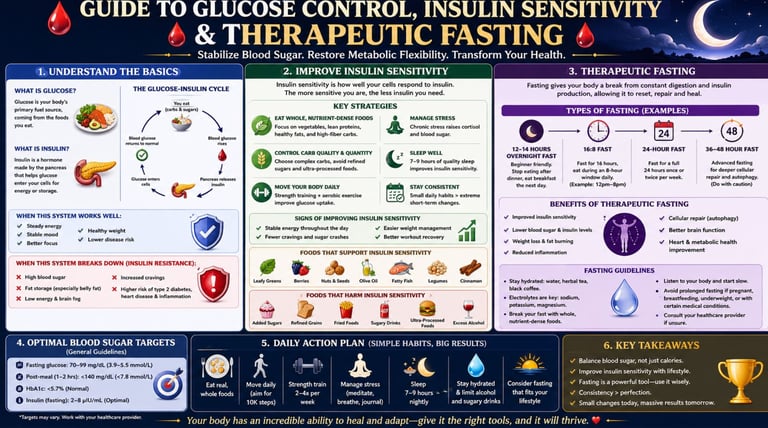
🩸 Guide to Glucose Control, Insulin Sensitivity & Fasting 🌙
https://www.h-k-e-m.com/guide-to-glucose-controlinsulin-sensitivityand-therapeutic-fasting
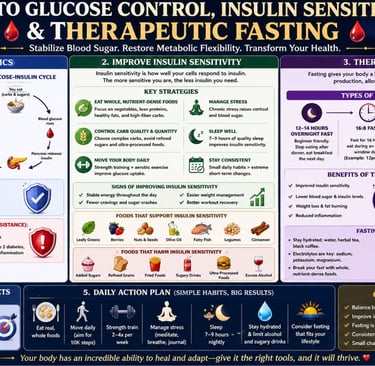
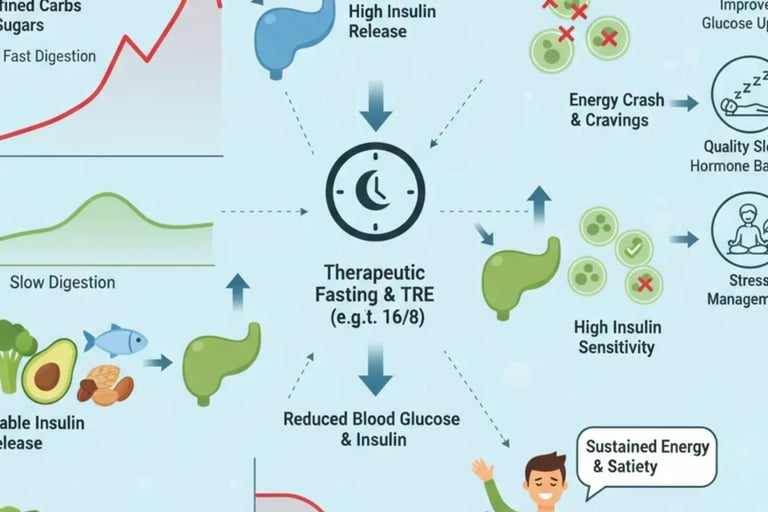
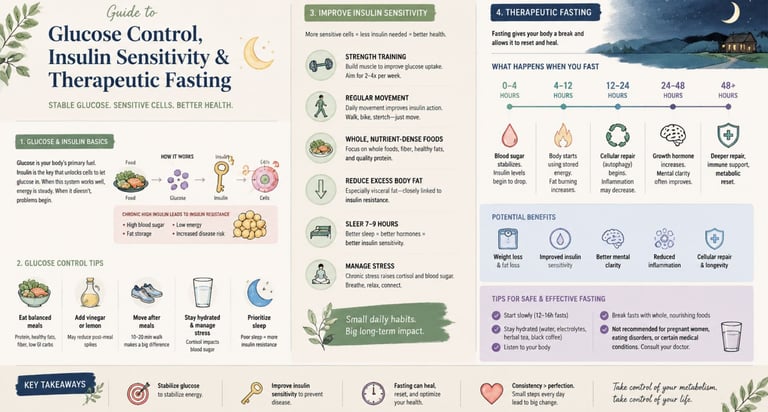
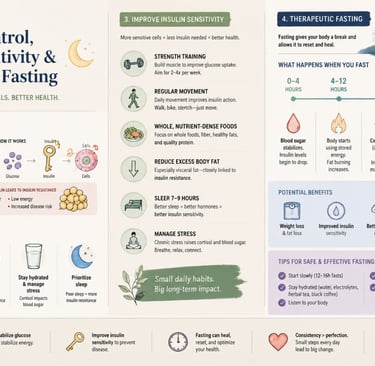
Blood glucose regulation is essential for preventing insulin resistance and Type 2 diabetes. Fasting helps the body switch from using glucose to burning stored fat, improving insulin sensitivity and metabolic health.
While fasting can sometimes cause morning blood sugar spikes due to the Dawn Phenomenon or Somogyi Effect, it remains an effective strategy for glucose control.
Research suggests that Twice-Per-Week Fasting (TWF) is among the most effective approaches for improving insulin resistance and supporting weight management.
Combined with healthy nutrition, hydration, sleep, and physical activity, fasting can be a powerful tool for long-term metabolic wellness. ⚡🧬🌙
🩸 Learn how fasting improves glucose control and insulin sensitivity. Explore blood sugar regulation, diabetes prevention, and metabolic health strategies.
Blood Sugar Regulation & Intermittent Fasting for Type 2 Diabetes: The Complete Evidence-Based Guide
SEO Title
Blood Sugar Regulation & Intermittent Fasting: Complete Guide to Type 2 Diabetes, Insulin Resistance, and Metabolic Health
Meta Description
Discover how blood sugar regulation works, why fasting glucose rises in the morning, and how intermittent fasting improves insulin sensitivity. Learn normal glucose ranges, the Dawn Phenomenon, TWF fasting, and safe fasting strategies for people with diabetes and stroke history.
Primary Keywords
Blood sugar regulation, intermittent fasting for diabetes, insulin resistance, fasting blood sugar levels, Dawn Phenomenon, Somogyi Effect, Type 2 diabetes management, glucose control, Twice-Per-Week Fasting, metabolic health
#Fasting #IntermittentFastingLifestyle #BloodSugar #DiabetesAwareness #HealthTips #Wellness #HealthyAging #Nutrition #HealthyHabits #FunctionalMedicine #PreventiveHealth #LongevityLifestyle #HealthyMetabolism #WeightManagement #HealthOptimization #NaturalHealth #FitnessAndHealth #HealthCoach #LifestyleMedicine #StayHealthy
==============================================================================================================================================================================================================================================================
🐝💉 Bee Venom as a Natural Medicine: Between Myths and Scientific Facts
🔬 The Facts:
Bee venom contains biologically active compounds, such as melittin, which have anti-inflammatory and immune-modulating properties.
✅ Potential Benefits:
May help reduce pain and inflammation.
May provide supportive benefits for certain arthritis conditions.
May be used as a complementary therapy under professional supervision.
❌ Common Myths:
Bee venom cures all diseases.
It is completely safe for everyone.
It can replace conventional medical treatment.
⚠️ Important Warning:
Bee venom can cause severe allergic reactions, including anaphylaxis. It should only be used under qualified medical supervision.
🌿 Bottom Line:
Bee venom shows promising therapeutic potential for certain conditions, but it is not a miracle cure. More high-quality research is needed to fully understand its benefits, risks, and appropriate medical uses. 🐝🔬💚
===============================================================================================================================================================================================================================================================

Get in touch
Address
Cairo Al Rehab
Contacts
+20 109 405 2056
hassanalwarraqi@h-k-e-m.com