
Health is a crown on the heads of the healthy that only the sick can see.



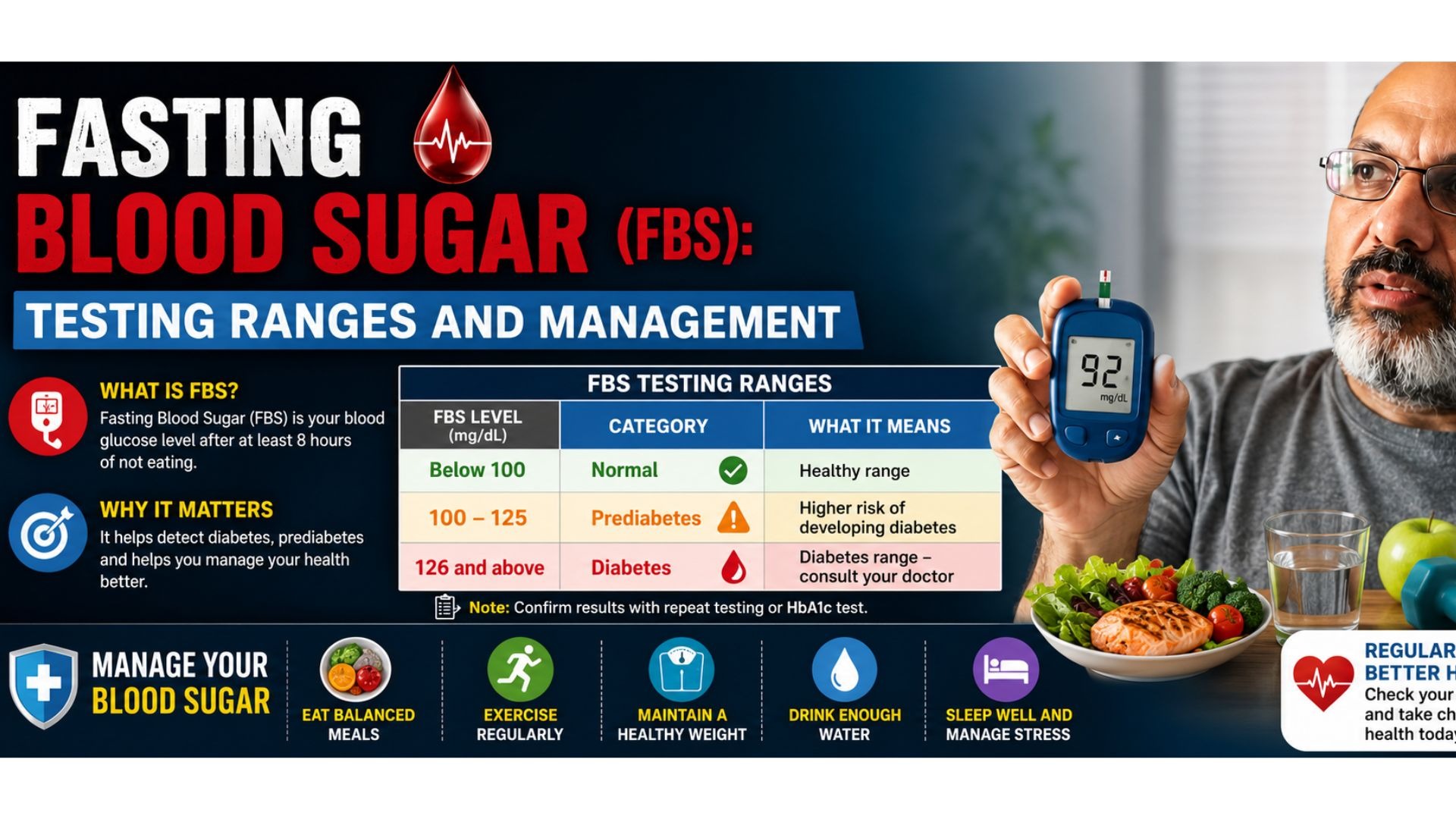
🩸Fasting Blood Sugar (FBS): Testing Ranges and Management
Learn the 2026 fasting blood sugar ranges, how to test accurately, why mornings run high, and evidence-based ways to lower FBS naturally.
FASTING BLOOD SUGAR (FBS)
Dr Hassan Al Warraqi
7/28/202622 min read
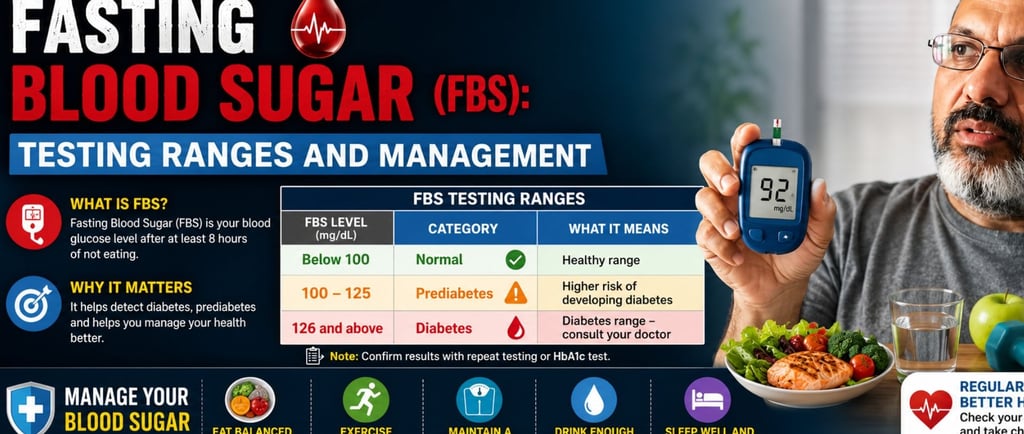
🩸Fasting Blood Sugar (FBS): Testing Ranges and Management
Learn the 2026 fasting blood sugar ranges, how to test accurately, why mornings run high, and evidence-based ways to lower FBS naturally.
Your fasting blood sugar, also called fasting plasma glucose (FPG), measures the glucose circulating in your blood after a stretch of complete food abstinence.
Because eating raises glucose almost immediately, testing in a fasted state strips away that noise and gives a cleaner read on two things: how sensitive your cells are to insulin, and how much glucose your liver is releasing on its own.
For anyone managing diabetes, hypertension, or cardiovascular risk, keeping this number in range is one of the most protective habits available.
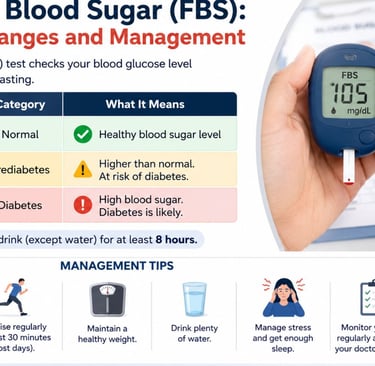
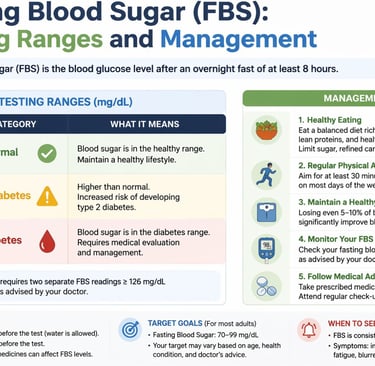
Normal Fasting Blood Sugar Ranges (2026 ADA Guidelines)
Where your number falls tells you whether your metabolic function is holding steady or needs attention.
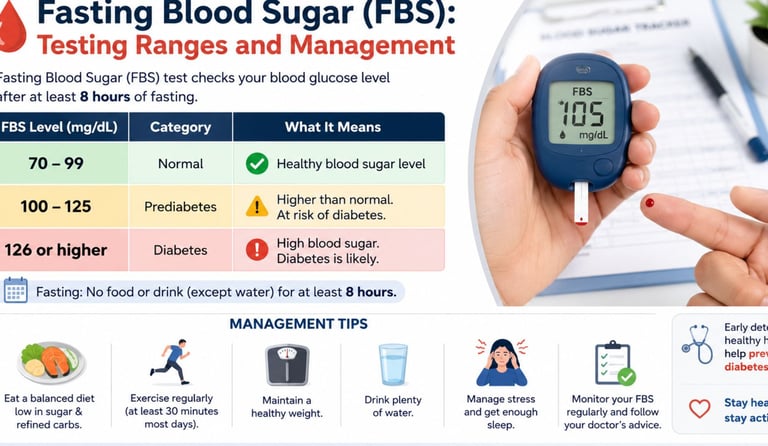
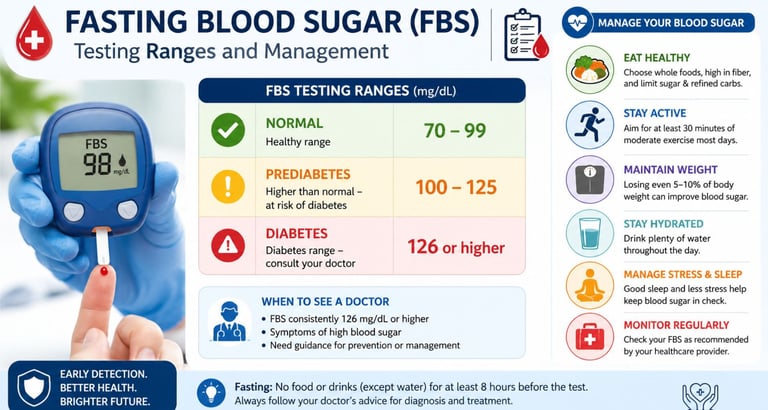
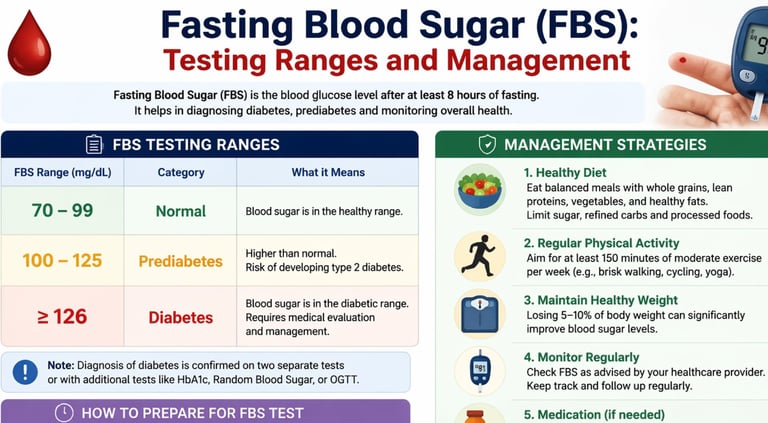
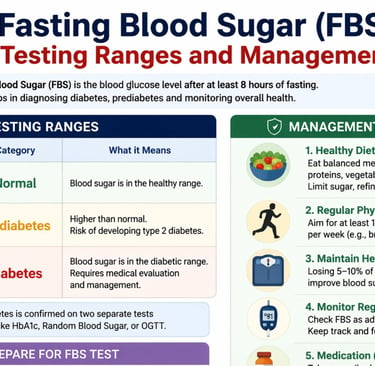
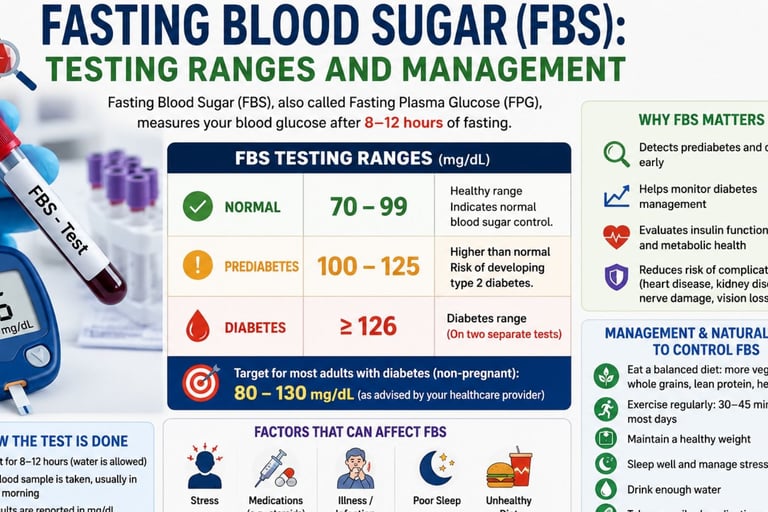
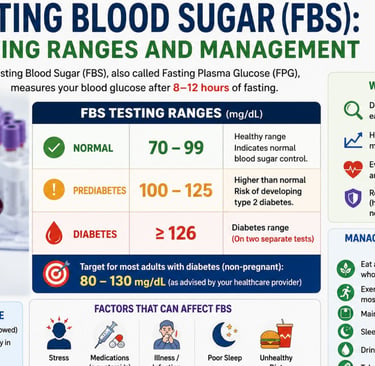
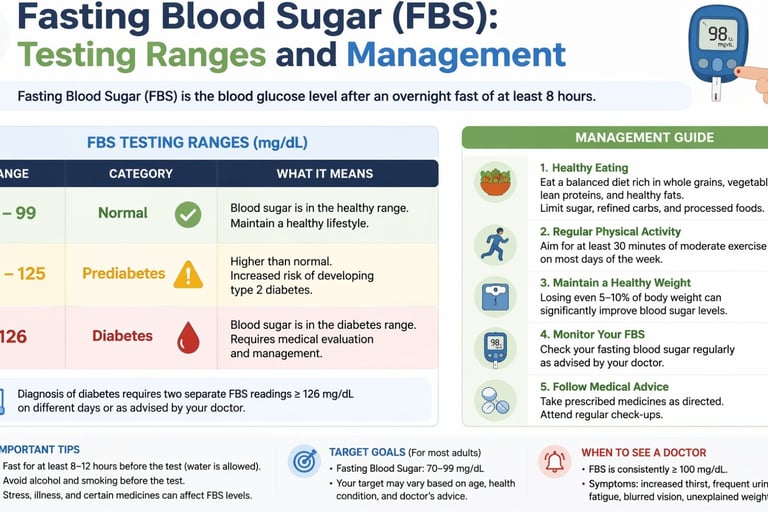
Normal metabolic function sits between 70 and 99 mg/dL (3.9 to 5.5 mmol/L), meaning your pancreas is releasing adequate insulin and your cells are responding to it appropriately.
Prediabetes covers 100 to 125 mg/dL (5.6 to 6.9 mmol/L).
This is a warning zone — glucose metabolism is already impaired, and without lifestyle changes a large share of people in this range go on to develop type 2 diabetes.
A diabetes diagnosis requires a reading of 126 mg/dL (7.0 mmol/L) or higher, confirmed on two separate tests so a temporary spike from illness, stress, or medication doesn't get mistaken for the real thing.
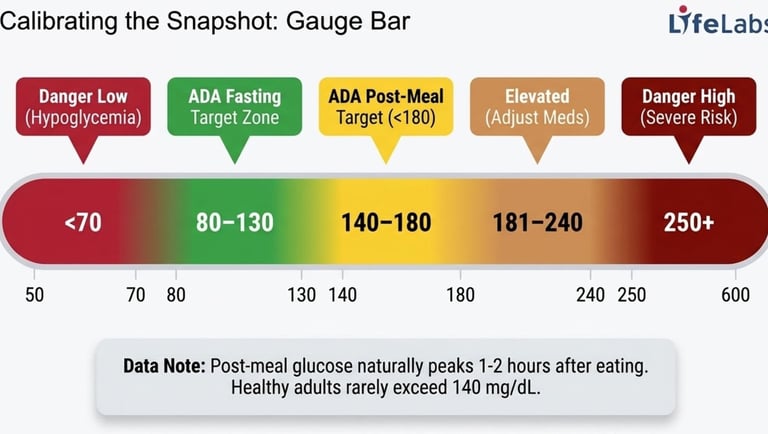
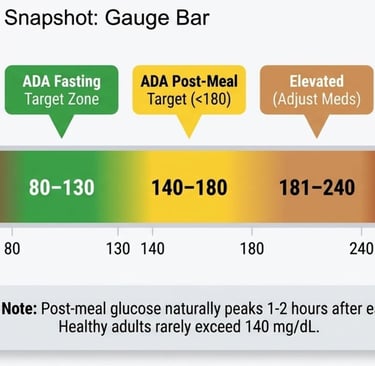
For most non-pregnant adults already managing diabetes, the treatment target is 80 to 130 mg/dL — tight enough to protect against long-term complications, loose enough to avoid tipping into hypoglycemia.
How to Fast Correctly Before an FBS Test
Small slip-ups before the test can shift your reading in ways that have nothing to do with your actual metabolic health.
Fast for at least 8 hours; many clinicians prefer 10 to 12 for a more stable baseline.
Plain water is fine, and encouraged — good hydration keeps blood draws easier and prevents dehydration from artificially concentrating your glucose reading.
Everything else with calories is off-limits, including juice, and that extends to black coffee and unsweetened tea, since caffeine and plant compounds in both can trigger a cortisol response that nudges glucose up.
Skip smoking, gum (even sugar-free), and exercise during the fasting window too.
Nicotine sets off the same stress-hormone cascade as caffeine, while chewing and movement both stimulate glucose uptake and digestive activity, distorting the number you're trying to isolate.
Keep taking your prescribed medications unless your doctor tells you otherwise, and make sure your care team knows everything you're on — corticosteroids, beta-blockers, and some diuretics can all push fasting glucose higher.
If you practice extended or therapeutic fasting regularly and have seen your metabolic markers improve, keep your physician looped in.
Insulin and other glucose-lowering medications often need dose adjustments to avoid hypoglycemia during longer fasting windows.
Why Is My Morning Blood Sugar High? Dawn Phenomenon vs. Somogyi Effect
Elevated morning readings usually trace back to one of two very different mechanisms, and telling them apart matters because the fixes are opposite.
The Dawn Phenomenon
is a normal hormonal event, typically between 3 and 8 a.m., where cortisol, growth hormone, and adrenaline rise as your body prepares to wake, prompting the liver to release stored glucose.
In someone without diabetes, extra insulin compensates automatically.
When that compensation is impaired, the result is a high morning reading — something roughly half of people with type 1 or type 2 diabetes experience.
The Somogyi Effect (rebound hyperglycemia)
works in the opposite direction: blood sugar drops too low overnight, the body panics and floods itself with glucagon, cortisol, and epinephrine, and the liver overcorrects by dumping glucose — leaving you with a high number by morning despite the low point in between.
It's often triggered by too much evening insulin, too few carbohydrates at dinner, or unaccounted-for evening exercise.
The way to tell them apart is a 2 or 3 a.m.
glucose check, either with a fingerstick over several nights or a continuous glucose monitor.
Normal or high overnight points to the Dawn Phenomenon; low overnight points to Somogyi.
FBS vs. HbA1c: Two Different Windows Into the Same Problem
FBS and HbA1c are often ordered together because they answer different questions.
FBS is a single snapshot — sensitive to last night's sleep, today's stress, and yesterday's dinner, which makes it useful for catching immediate shifts.
HbA1c reflects your average blood sugar over roughly the past two to three months by measuring the share of hemoglobin that glucose has attached itself to, and it doesn't require fasting at all.
When the two disagree, it's often a signal of a recent change — in medication adherence, diet, or the disease itself.
Natural Strategies to Lower Fasting Blood Sugar
Lifestyle changes won't replace medical treatment, but they meaningfully support it — especially for people managing diabetes alongside hypertension or cardiovascular risk.
On the food side, favor whole grains like oats, barley, and bulgur over refined carbohydrates, and lean on low-glycemic-index foods — lentils, non-starchy vegetables, unsweetened Greek yogurt — that sit at 55 or below on the GI scale.
Soluble fiber is one of the highest-leverage tools here, since it slows gastric emptying and blunts glucose spikes; aim for roughly 25 grams a day if you're a woman, 35 if you're a man, from sources like legumes, Brussels sprouts, avocado, chia, and flax.
Chromium and magnesium — found in leafy greens, pumpkin seeds, almonds, and whole grains — support insulin receptor sensitivity and glucose metabolism respectively, and adding healthy fats and protein (olive oil, nuts, seeds, fatty fish) to meals further slows the glucose response.
Movement matters even in small doses.
Breaking up sitting every 30 minutes with 2 to 3 minutes of squats, stairs, or walking measurably improves glycemic control, and losing 5 to 10 percent of body weight improves beta-cell function and insulin resistance enough to often reduce medication needs.
Hydration, sleep, and stress round out the picture.
Cutting sugar-sweetened beverages and drinking enough water supports the kidneys' role in glucose excretion.
Sleep under six hours can cut insulin sensitivity by up to 30 percent, so consistent 7 to 8 hour sleep — with screening for untreated sleep apnea, which independently worsens insulin resistance — is worth prioritizing.
And because chronic stress raises cortisol and pushes the liver to release more glucose, practices like mindfulness, breathwork, and yoga tend to show measurable improvement in fasting glucose over 8 to 12 weeks.
Emergency Thresholds You Should Know
Below 70 mg/dL, follow the 15-15 rule: take 15 grams of fast-acting carbohydrate — 4 glucose tablets, 4 ounces of regular juice or soda, or a tablespoon of honey — wait 15 minutes, and recheck, repeating if you're still under 70.
Once you're back in range, have a small carb-protein snack if your next meal is more than an hour off, and avoid high-fat foods like chocolate or peanut butter in the moment, since fat slows glucose absorption when you need it fast.
Below 54 mg/dL is severe hypoglycemia, carrying real risk of seizure or loss of consciousness — call emergency services if the person is unresponsive.
On the other end, a reading above 240 mg/dL with ketones present signals diabetic ketoacidosis, and above 600 mg/dL indicates hyperosmolar hyperglycemic state — both are medical emergencies requiring immediate care.
What's New in the 2026 ADA Standards of Care
The latest standards push toward tighter, more individualized, and more tech-enabled care.
Blood pressure targets for people with diabetes at high cardiovascular or kidney risk now lean toward below 120 mmHg systolic.
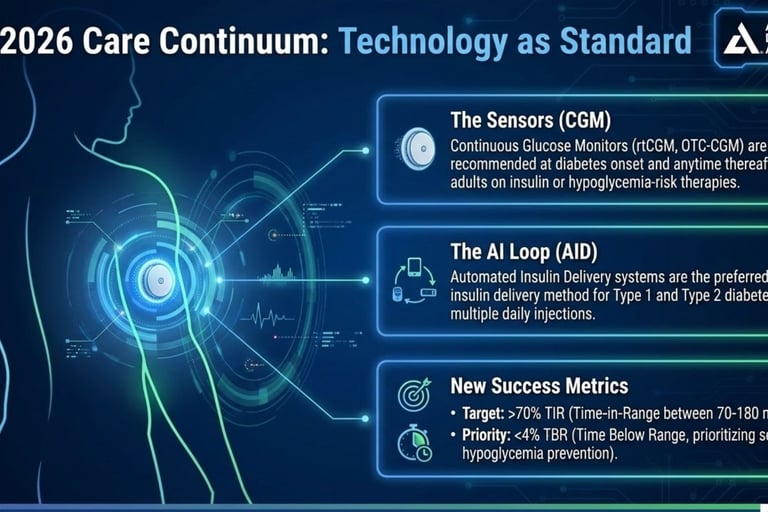
Continuous glucose monitoring is now recommended from diagnosis for anyone on insulin or medications with hypoglycemia risk, and automated insulin delivery systems are preferred for type 1 diabetes and increasingly used in intensively managed type 2.
Time-in-range — the share of the day spent between 70 and 180 mg/dL — is now tracked alongside HbA1c, with a general target of over 70 percent.
And for older adults or those with significant complications, a relaxed HbA1c target of 8.0 to 8.5 percent is often more appropriate, since severe hypoglycemia carries a higher mortality risk in this group than mild hyperglycemia does.
Key Takeaways
Test correctly: 8-plus hours fasted, water only — no coffee, tea, gum, smoking, or exercise beforehand. If mornings run high, a 2–3 a.m.
check will tell you whether it's the Dawn Phenomenon or the Somogyi Effect, since the fixes for each are opposite.
Use FBS and HbA1c together rather than either alone — one shows you today, the other shows you the last three months.
Fiber, movement, weight management, hydration, sleep, and stress reduction all meaningfully support glucose control, and if you practice therapeutic fasting, those benefits can be significant but should be coordinated with your care team so medications stay adjusted safely.
As always, individualize: your full health picture, not a generic target, should guide your fasting protocol and treatment plan.
Frequently Asked Questions (FAQs) About Fasting Blood Sugar
What exactly is fasting blood sugar and why does it matter?
Fasting blood sugar measures the glucose concentration in your bloodstream after you have abstained from all food and caloric beverages for at least eight hours.
It matters because this baseline measurement reveals how effectively your body regulates glucose without the influence of recent meals.
When you eat,
carbohydrates break down into glucose, causing temporary elevations that obscure your underlying metabolic health.
By testing after a fast, healthcare providers can assess your pancreas's insulin production capacity, your cells' insulin sensitivity, and your liver's glucose output regulation.
Abnormal fasting blood sugar is often the earliest detectable sign of prediabetes or diabetes, appearing months or years before symptoms develop.
Early detection through fasting blood sugar screening enables lifestyle interventions that can prevent or delay disease progression.
How long do I really need to fast before a fasting blood sugar test?
The minimum fasting duration is eight hours, though many laboratories and clinicians prefer a ten to twelve hour fast for optimal accuracy.
This means if your appointment is at eight o'clock in the morning,
you should stop eating by midnight the night before.
Water is permitted and encouraged during the fast.
The eight-hour minimum allows sufficient time for your body to process and clear glucose from your most recent meal, returning to a true baseline state.
Fasting longer than twelve hours is generally unnecessary and may occasionally cause mild stress responses that slightly elevate glucose.
Consistency matters if you are tracking trends over time, so try to maintain similar fasting durations for serial testing.
Can I drink coffee or tea during my fast?
No. You must avoid all coffee and tea during your fasting period, even if you take them black without sugar, milk, or cream.
Caffeine stimulates the adrenal glands to release cortisol and adrenaline, both of which trigger the liver to release stored glucose into the bloodstream.
This hormonal response can artificially elevate your fasting blood sugar by 10 to 20 milligrams per deciliter or more, potentially pushing a normal result into the prediabetes range or a prediabetic result into the diabetes threshold.
Decaffeinated coffee and herbal teas are also prohibited because they contain other bioactive compounds that may influence glucose metabolism.
Plain water is the only beverage permitted during your fast.
Will chewing sugar-free gum break my fast?
Yes. You must avoid all chewing gum, including sugar-free varieties, during your fasting period. The act of chewing stimulates the cephalic phase insulin response, a reflex where your body anticipates food intake and begins releasing digestive enzymes and insulin before any nutrients actually arrive.
This anticipatory response alters your baseline glucose and insulin levels, compromising test accuracy. Additionally, many sugar-free gums contain sugar alcohols like sorbitol or xylitol, which can have minor metabolic effects.
To ensure your fasting blood sugar test reflects your true baseline metabolic state, abstain from all gum during the fasting window.
Can I exercise before my fasting blood sugar test?
No. Exercise is prohibited during your fasting period and should be avoided for at least eight hours before your blood draw.
Physical activity increases glucose uptake by muscle tissue through insulin-independent pathways and triggers the release of counter-regulatory hormones like glucagon, cortisol, and growth hormone.
These combined effects can either lower or raise your blood sugar depending on exercise intensity and duration, making results unreliable.
Even light activity like walking can influence readings.
Plan your fasting blood sugar test for a morning when you can avoid exercise entirely until after your blood draw.
Should I take my medications before a fasting blood sugar test?
Generally, you should continue taking your regular medications as prescribed unless your doctor specifically instructs you otherwise.
However, full disclosure of all medications, supplements, and over-the-counter products is essential when scheduling your test.
Certain medications are known to affect blood sugar levels and may need timing adjustments.
Corticosteroids like prednisone significantly raise glucose.
Beta-blockers can mask the symptoms of hypoglycemia and sometimes impair glucose regulation.
Atypical antipsychotics, thiazide diuretics, and some statins may also elevate readings. Your healthcare provider will advise whether to take these medications as usual, delay them until after the draw, or temporarily adjust dosing.
What is the dawn phenomenon and why does it raise my morning blood sugar?
The dawn phenomenon is a natural, hormonally driven increase in blood glucose that occurs in the early morning hours, typically between three and eight o'clock.
As your body transitions from sleep to wakefulness, the brain signals the pituitary and adrenal glands to release cortisol, growth hormone, and adrenaline.
These counter-regulatory hormones instruct the liver to break down glycogen stores and release glucose into the bloodstream, providing energy for waking activity.
In people without diabetes, the pancreas compensates by releasing additional insulin to maintain normal blood sugar.
In people with diabetes, this compensatory insulin response is impaired due to insufficient production or insulin resistance, resulting in elevated fasting blood sugar despite the overnight fast.
The dawn phenomenon affects approximately half of all people with Type 1 and Type 2 diabetes and is a common source of frustration when morning readings seem inexplicably high.
How is the Somogyi effect different from the dawn phenomenon?
While both the Somogyi effect and the dawn phenomenon cause high morning blood sugar, they originate from completely different physiological mechanisms and require opposite treatments.
The dawn phenomenon results from normal morning hormone surges that are inadequately countered by impaired insulin function.
The Somogyi effect, also called rebound hyperglycemia, occurs when blood sugar drops too low during the night, triggering an emergency hormonal response that overshoots and causes high morning readings.
When nocturnal hypoglycemia occurs, typically below 70 milligrams per deciliter, the body releases glucagon, cortisol, epinephrine,
and growth hormone to raise blood sugar quickly.
The liver responds by dumping large amounts of glucose into the bloodstream, often overshooting normal targets and causing a rebound high by morning.
Common triggers include excessive bedtime insulin, skipped evening snacks, or increased evening exercise without carbohydrate compensation.
Because increasing insulin worsens the Somogyi effect while decreasing insulin worsens the dawn phenomenon, accurate differentiation through nocturnal blood sugar testing is essential for safe management.
How can my doctor tell if I have the dawn phenomenon or the Somogyi effect?
Your doctor will likely recommend checking your blood sugar around two or three o'clock in the morning for several consecutive nights.
If your blood sugar is normal or elevated during this nocturnal check,
the dawn phenomenon is the probable cause of your morning highs. If your blood sugar is low during this middle-of-the-night test,
the Somogyi effect is likely responsible.
Continuous glucose monitors provide the most definitive diagnostic tool by tracking glucose trends throughout the entire night without requiring you to wake for fingerstick testing.
The data reveals whether your glucose gradually rises from midnight onward, consistent with dawn phenomenon,
or drops sharply before rebounding, consistent with Somogyi effect.
Recent research using continuous glucose monitor data suggests the Somogyi effect is less common than previously thought,
with many historical cases actually representing dawn phenomenon or insulin resistance patterns.
What is the difference between fasting blood sugar and HbA1c?
Fasting blood sugar and hemoglobin A1c are complementary tests that measure different aspects of glucose metabolism.
Fasting blood sugar captures a single moment in time, reflecting your blood glucose level after an overnight fast.
It is sensitive to daily variables like sleep quality, stress,
recent meals from the previous day, and acute illness.
Think of it as a snapshot photograph of your metabolic status on one particular morning.
HbA1c measures your average blood sugar over the past two to three months by quantifying what percentage of your hemoglobin molecules have glucose attached.
Because red blood cells live approximately ninety days, this test reflects your sustained glycemic exposure rather than momentary fluctuations.
It does not require fasting and is less affected by daily variations.
Think of HbA1c as a long-exposure photograph showing your glucose trends over time. Healthcare providers often order both tests together because discrepancies between them reveal important clinical information.
A normal fasting blood sugar with elevated HbA1c might indicate frequent post-meal spikes.
An elevated fasting blood sugar with normal HbA1c might suggest a recent change in diet, medication, or health status.
What foods should I eat to lower my fasting blood sugar naturally?
Several dietary strategies have strong evidence for lowering fasting blood sugar when implemented consistently.
Prioritize low glycemic index foods that release glucose slowly into the bloodstream. Excellent choices include barley, bulgur, lentils, black beans, chickpeas, non-starchy vegetables like broccoli and spinach, and unsweetened Greek yogurt.
These foods rank at 55 or lower on the glycemic index scale.
Increase soluble fiber intake to 25 grams daily for women or 35 grams daily for men.
Soluble fiber forms a gel-like substance in the digestive tract that slows carbohydrate absorption and blunts glucose spikes.
Top sources include oats,
Brussels sprouts,
avocados,
chia seeds,
flaxseeds, and
legumes.
Incorporate fermented and probiotic-rich foods like kefir, sauerkraut,
kimchi, and tempeh, which improve gut microbiome diversity and enhance insulin sensitivity.
Ensure adequate protein and healthy fat at each meal to slow gastric emptying and modulate the incretin response.
Good options include olive oil, nuts, seeds, fatty fish, eggs, and lean poultry.
Address micronutrient deficiencies by consuming magnesium-rich foods like dark leafy greens,
pumpkin seeds, and
almonds, plus
chromium-containing foods like beef and whole grains.
Both minerals play essential roles in glucose transport and insulin signaling.
Can exercise really lower my fasting blood sugar?
Yes, exercise is one of the most powerful non-pharmacological interventions for lowering fasting blood sugar.
Physical activity increases insulin sensitivity through multiple mechanisms.
During exercise, muscle contractions trigger GLUT4 glucose transporters to move to the cell surface, allowing glucose to enter muscle cells without requiring insulin.
This insulin-independent uptake persists for 24 to 48 hours after activity, providing sustained metabolic benefits.
Regular exercise also reduces visceral fat, which is highly metabolically active and contributes to insulin resistance.
Weight loss of just 5 to 10 percent through combined diet and exercise significantly improves beta-cell function and reduces fasting glucose.
Both aerobic exercise like walking,
swimming, or cycling and resistance training like weightlifting provide benefits, though combining both modalities yields the greatest improvements.
Emerging research on exercise snacks shows that breaking up sedentary time every 30 minutes with 2 to 3 minutes of movement like squats,
stair climbing, or walking provides nearly equivalent glycemic benefits to single longer exercise sessions.
This approach is particularly valuable for individuals who struggle to find extended time for formal workouts.
How does stress affect fasting blood sugar?
Chronic psychological and physiological stress significantly elevates fasting blood sugar through well-established hormonal pathways.
When you experience stress, the hypothalamic-pituitary-adrenal axis activates, causing the adrenal glands to release cortisol and epinephrine.
These hormones trigger the liver to increase glucose production through gluconeogenesis while simultaneously reducing peripheral glucose uptake by muscle and fat tissue.
The result is elevated blood sugar designed to provide immediate energy for a fight-or-flight response.
In acute stress, this response is adaptive and temporary. In chronic stress, persistent cortisol elevation leads to sustained hyperglycemia, increased insulin resistance, and eventual pancreatic beta-cell exhaustion.
Studies show that individuals with high perceived stress have fasting blood sugar levels averaging 10 to 15 milligrams per deciliter higher than low-stress counterparts, even after controlling for diet and exercise.
Evidence-based stress management techniques that improve fasting glucose include mindfulness meditation, diaphragmatic breathing exercises,
yoga, progressive muscle relaxation, and cognitive behavioral therapy.
Even modest practice of 10 to 15 minutes daily produces measurable improvements in fasting blood sugar over 8 to 12 weeks.
Does poor sleep raise fasting blood sugar?
Yes, sleep deprivation and poor sleep quality significantly raise fasting blood sugar through multiple mechanisms.
Sleeping less than six hours per night reduces insulin sensitivity by 25 to 30 percent, meaning your cells require substantially more insulin to achieve the same glucose uptake.
Sleep restriction also increases evening cortisol levels and reduces leptin while increasing ghrelin, creating a hormonal environment that promotes both hyperglycemia and overeating.
Sleep apnea deserves particular attention for people with diabetes or prediabetes.
Obstructive sleep apnea causes repeated oxygen desaturation and sympathetic nervous system activation throughout the night,
independently worsening insulin resistance.
Studies show that treating sleep apnea with continuous positive airway pressure can lower fasting blood sugar by 10 to 20 milligrams per deciliter without any other intervention.
Adults should aim for 7 to 8 hours of quality sleep with consistent sleep and wake times, even on weekends.
Sleep hygiene practices include limiting blue light exposure from screens one hour before bed, maintaining a cool dark bedroom, avoiding caffeine after midday, and establishing a relaxing pre-sleep routine.
What is the 15-15 rule for low blood sugar?
The 15-15 rule is the standard emergency protocol for treating hypoglycemia when blood sugar falls below 70 milligrams per deciliter.
The rule consists of consuming 15 grams of fast-acting carbohydrates, waiting 15 minutes for absorption, then rechecking blood sugar.
If still below 70, repeat the cycle until readings normalize above 70.
Fast-acting carbohydrate options include 4 glucose tablets, 4 ounces of orange juice or regular soda, 1 tablespoon of honey or granulated sugar, or 6 to 8 pieces of hard candy.
Pure glucose works fastest, but any simple carbohydrate containing glucose will suffice.
Avoid chocolate, peanut butter, or high-fat foods for initial treatment because fat slows gastric emptying and delays glucose absorption, which is dangerous when blood sugar is critically low.
Once blood sugar returns above 70,
eat a small snack containing complex carbohydrates and protein if your next full meal is more than one hour away.
This prevents recurrence by providing sustained glucose release.
If a person is unconscious or unable to swallow safely, do not attempt oral treatment. Call 911 immediately and administer glucagon if available and prescribed.
When should I call 911 for a blood sugar emergency?
Call 911 immediately for severe hypoglycemia below 54 milligrams per deciliter if the person is unconscious, seizing, or unable to swallow safely.
Do not attempt to give food or drink to an unconscious person due to aspiration risk.
If glucagon is available and prescribed, administer it while waiting for emergency services.
Call 911 for hyperosmolar hyperglycemic state, which occurs when blood sugar exceeds 600 milligrams per deciliter.
This life-threatening emergency causes severe dehydration, altered mental status, and potential coma.
Symptoms include extreme thirst, confusion, weakness, and decreased consciousness.
Seek urgent medical care for diabetic ketoacidosis, which develops when blood sugar exceeds 240 milligrams per deciliter with positive ketones present.
Symptoms include fruity breath, nausea, vomiting, abdominal pain, rapid breathing, and confusion. Without prompt treatment, diabetic ketoacidosis progresses to coma and death.
Can I reverse prediabetes with lifestyle changes?
Yes, prediabetes is reversible in many cases through sustained lifestyle intervention.
The landmark Diabetes Prevention Program study demonstrated that intensive lifestyle modification reduced progression from prediabetes to diabetes by 58 percent over three years, compared to 31 percent reduction with metformin medication alone.
For adults over age 60, lifestyle intervention reduced progression by an even more impressive 71 percent.
Effective reversal strategies include achieving 5 to 7 percent weight loss through combined dietary modification and 150 minutes weekly of moderate physical activity.
Dietary changes emphasize reducing refined carbohydrates and sugar-sweetened beverages while increasing fiber, whole grains, vegetables, and lean proteins.
Regular physical activity improves insulin sensitivity independent of weight loss.
These interventions work best when sustained long-term rather than implemented as short-term fixes.
Are there any new technologies for monitoring fasting blood sugar?
Continuous glucose monitoring technology has advanced dramatically and now plays a central role in 2026 diabetes care standards.
Modern continuous glucose monitors use a small sensor inserted under the skin to measure interstitial glucose every 1 to 5 minutes, providing real-time data without fingerstick blood draws.
These devices reveal overnight glucose trends that are invisible to traditional fasting blood sugar tests, enabling precise identification of dawn phenomenon, Somogyi effect, and nocturnal hypoglycemia.
Automated insulin delivery systems combine continuous glucose monitors with insulin pumps using algorithmic control to automatically adjust basal insulin delivery and even administer correction boluses.
These closed-loop systems significantly improve time-in-range and reduce both hypoglycemia and hyperglycemia compared to manual management.
Non-invasive glucose monitoring technologies, including optical sensors and tear fluid analyzers, remain in development but show promise for eliminating the need for sensor insertion entirely in coming years.
How often should I check my fasting blood sugar?
For individuals with diabetes, the American Diabetes Association recommends checking fasting blood sugar daily if you use insulin or medications that cause hypoglycemia.
For those managing diabetes with diet and exercise alone or with non-hypoglycemia-inducing medications, frequency may be reduced to several times weekly or as directed by your healthcare provider.
For individuals with prediabetes, annual fasting blood sugar testing is recommended, though more frequent monitoring may be warranted if you are actively implementing lifestyle changes to reverse the condition.
For adults over age 35 without known risk factors, screening every three years is generally appropriate. Screening should begin earlier and occur more frequently if you have risk factors including overweight or obesity, family history of diabetes, history of gestational diabetes, polycystic ovary syndrome, or membership in a high-risk ethnic group.
Can dehydration affect my fasting blood sugar results?
Yes, dehydration can artificially elevate fasting blood sugar through hemoconcentration.
When you are dehydrated, the total volume of blood plasma decreases while the absolute amount of glucose remains constant, resulting in a higher concentration per deciliter of blood.
This effect can raise readings by 10 to 20 milligrams per deciliter or more, potentially pushing a normal result into the prediabetes range.
To prevent this, drink water freely during your fasting period and ensure adequate hydration the day before testing.
However, avoid excessive water intake immediately before the blood draw, as this can dilute blood components and potentially affect other laboratory values. Moderate, consistent hydration is optimal.
Key Takeaways for FBS Management
Accurate testing requires strict adherence to 8 or more hours of fasting with water only. Coffee, tea, gum, smoking, and exercise all invalidate results by stimulating metabolic processes that alter baseline glucose.
Morning highs may indicate either the dawn phenomenon or Somogyi effect. Nocturnal testing around 2 to 3 in the morning differentiates these conditions.
Normal or elevated overnight readings suggest dawn phenomenon. Low overnight readings indicate Somogyi effect.
Fasting blood sugar and HbA1c are complementary diagnostic tools.
Use fasting blood sugar for immediate metabolic status and HbA1c for long-term trend analysis and treatment efficacy assessment.
Natural strategies including high fiber intake, regular movement, weight management, adequate hydration, stress reduction, and quality sleep enhance insulin sensitivity but must complement rather than replace professional medical care.
The 2026 standards emphasize person-centered care integrating continuous glucose monitor technology, social determinants of health assessment, and individualized glycemic targets based on age, comorbidities, and hypoglycemia risk.
Always consult your healthcare provider before adjusting medications, fasting protocols, or diabetes management routines.
Individual treatment targets vary significantly based on your complete health profile, and self-directed changes can lead to dangerous hypoglycemia or persistent hyperglycemia.
================================================================================================================================================================================================================================================================================================================================
🩸Fasting Blood Sugar (FBS): Testing Ranges and Management
Meta Title: Fasting Blood Sugar (FBS) 2026: Normal Ranges, Testing Rules & Natural Fixes
Meta Description: Learn the 2026 fasting blood sugar ranges, how to test accurately, why mornings run high, and evidence-based ways to lower FBS naturally.
Focus Keyword: fasting blood sugar
Secondary Keywords: normal fasting blood sugar range, FBS test, dawn phenomenon vs somogyi effect, how to lower fasting blood sugar naturally, FBS vs HbA1c
🩸 Fasting Blood Sugar (FBS): Testing Ranges & Management (Short Guide)
What Is Fasting Blood Sugar?
Fasting Blood Sugar (FBS), or Fasting Plasma Glucose, measures your blood glucose after at least 8 hours without food.
It is the primary screening tool for prediabetes and diabetes, revealing your body’s baseline insulin sensitivity without the interference of recent meals.
2026 ADA Diagnostic Ranges
Normal: 70–99 mg/dL (3.9–5.5 mmol/L)
Prediabetes: 100–125 mg/dL (5.6–6.9 mmol/L)
Diabetes: 126 mg/dL (7.0 mmol/L) or higher on two separate tests
Target for Managed Diabetes: 80–130 mg/dL for most non-pregnant adults
Strict Fasting Rules for Accuracy
Duration: Fast for 8 to 12 hours.
Allowed: Plain water only (hydration prevents false highs from dehydration).
Prohibited: No coffee, tea, juice, gum, smoking, or exercise. Even black coffee or sugar-free gum triggers digestive enzymes and stress hormones that artificially spike glucose.
Medications: Continue prescribed meds unless your doctor advises otherwise, but always disclose them beforehand.
Why Is My Morning Blood Sugar High?
Dawn Phenomenon: A natural early-morning surge of cortisol and adrenaline tells the liver to release glucose for energy. In diabetes, the body cannot produce enough insulin to counteract this.
Somogyi Effect (Rebound Hyperglycemia): Blood sugar drops too low overnight, triggering an emergency hormonal response that causes a massive glucose spike by morning.
The Fix: Test at 2:00 or 3:00 a.m. A normal/high reading points to the Dawn Phenomenon; a low reading points to the Somogyi Effect. Continuous Glucose Monitors (CGMs) make this easy to track.
FBS vs. HbA1c
FBS: A daily "snapshot" of your glucose at one specific moment. Highly sensitive to sleep, stress, and yesterday’s meals.
* HbA1c: A 3-month "average" of your blood sugar. Does not require fasting and shows long-term trends. Both tests are needed for a complete metabolic picture.
Quick Management Strategies
Diet: Choose low-glycemic, high-fiber foods (oats, lentils, leafy greens, chia seeds). Add healthy fats and protein to slow glucose absorption.
Movement: Take 2–3 minute "exercise snacks" (walking, squats) every 30 minutes to prevent metabolic stagnation.
Lifestyle: Prioritize 7–8 hours of quality sleep and practice daily stress reduction (deep breathing, meditation) to keep cortisol levels in check.
Emergency Action: The 15-15 Rule
If blood sugar drops below 70 mg/dL:
Consume 15 grams of fast-acting carbs (4 glucose tablets, 4 oz regular juice, or 1 tbsp honey).
Wait 15 minutes and recheck.
Repeat if still below 70. Once normal, eat a small protein/carb snack.
Call 911 immediately for severe hypoglycemia (below 54 mg/dL with confusion/unconsciousness) or blood sugar over 240 mg/dL with ketones.
===============================================================================================================================================================================================================================================================================================================================
Fasting as a Treatment for Acute Diseases 🕌
Fasting is not merely a spiritual practice but a natural physiological phenomenon that the body needs to maintain its vital functions efficiently. Specialized medical research has proven that fasting has a therapeutic role in many diseases, including acute conditions.
What Are Acute Diseases?
Acute diseases are those that start suddenly and last for a relatively short period, such as:
Acute infections (influenza, gastroenteritis)
Inflammations accompanied by fever
Acute diarrhea and vomiting
Acute abdominal pain
Sudden inflammatory conditions
Scientific Evidence on the Role of Fasting in Acute Diseases
1. Resting the Digestive System and Promoting Recovery
A study published in the Journal of Food Science showed that fasting is an effective means of healing from acute diseases, especially those accompanied by vomiting, diarrhea, or elevated body temperature. Fasting provides physiological rest for cells and tissues, particularly the stomach and intestines, allowing them to eliminate toxins and strengthen the immune system to overcome the causes of illness.
2. Protection Against Acute Organ Injuries
Animal model studies have proven that fasting provides significant protection against acute injuries in the liver and kidneys (Ischemia-Reperfusion Injury), which occur when blood flow is suddenly interrupted and then restored. Fasting also reduces kidney fibrosis resulting from these injuries.
3. Neuroprotection After Acute Injuries
In studies on mice and rats, intermittent fasting (IF) systems showed remarkable improvement in outcomes after acute injuries such as:
Acute stroke
Severe epilepsy
Traumatic brain and spinal cord injuries
This is attributed to:
Reducing the accumulation of oxidized molecules
Improving cellular energy
Increasing neurotrophic factors (BDNF)
Reducing inflammation by lowering inflammatory cytokines (TNFα, IL-1β, IL-6)
4. Anti-Inflammatory Effects
During fasting, the body produces ketone bodies such as β-Hydroxybutyrate (BHB), which play a role in:
Suppressing the activity of inflammatory cells (macrophages)
Reducing inflammation in cases of acute pancreatitis
Modulating memory responses in T immune cells
Biological Mechanisms of Fasting in Acute Diseases
Autophagy: Breaking down damaged and diseased cells and recycling them.
Stem Cell Renewal: Producing new immune cells (the immune system is rebuilt within 4-5 days).
Hormonal Response: Activating hormetic stress hormones that strengthen cells.
Reducing Oxidative Stress: Lowering stress on mitochondria and protecting tissues.
Changing Energy Source: Shifting from glucose to ketones as a more stable energy source for the brain.
Medically Supervised Fasting
In complementary medicine, therapeutic fasting is practiced under medical supervision:
Modified Fasting: 200-500 calories per day from fruit juice and broth
Water Fasting: Water only (limited to 1-3 days maximum without supervision)
Program Duration: 7-21 days in specialized clinics
A German study on 1,422 participants showed that 93% did not feel hungry, and the improvement rate among those with health problems (arthritis, fatty liver, chronic fatigue syndrome) reached 84%.
⚠️ Important Warnings
Fasting as a treatment for acute diseases requires direct medical supervision
Conditions Where Fasting Is Prohibited:
Type 1 diabetes patients (risk of acute hypoglycemia)
Pregnant and breastfeeding women
Children and frail elderly
Patients with advanced kidney or liver failure
Those suffering from eating disorders
Medical Advice:
Water fasting should not exceed 24-72 hours without medical monitoring
Drink 2-3 liters of water daily
Stop fasting immediately upon the appearance of serious symptoms (severe dizziness, shortness of breath, altered consciousness)
Prescribed medications must be taken according to the doctor's instructions
Conclusion
Scientific evidence supports the role of fasting as an adjunct treatment in acute diseases, especially:
Acute digestive system inflammations
Acute liver and kidney injuries
Acute neurological injuries (stroke, trauma)
Inflammatory conditions accompanied by fever
However, medical supervision remains an essential condition for ensuring safety, as fasting is not a substitute for drug treatment in emergency cases, but rather a complementary tool that accelerates healing and boosts the body's immunity.
===============================================================================================================================================================================================================================================================================================================================

Get in touch
Address
Cairo Al Rehab
Contacts
+20 109 405 2056
hassanalwarraqi@h-k-e-m.com