
Health is a crown on the heads of the healthy that only the sick can see.



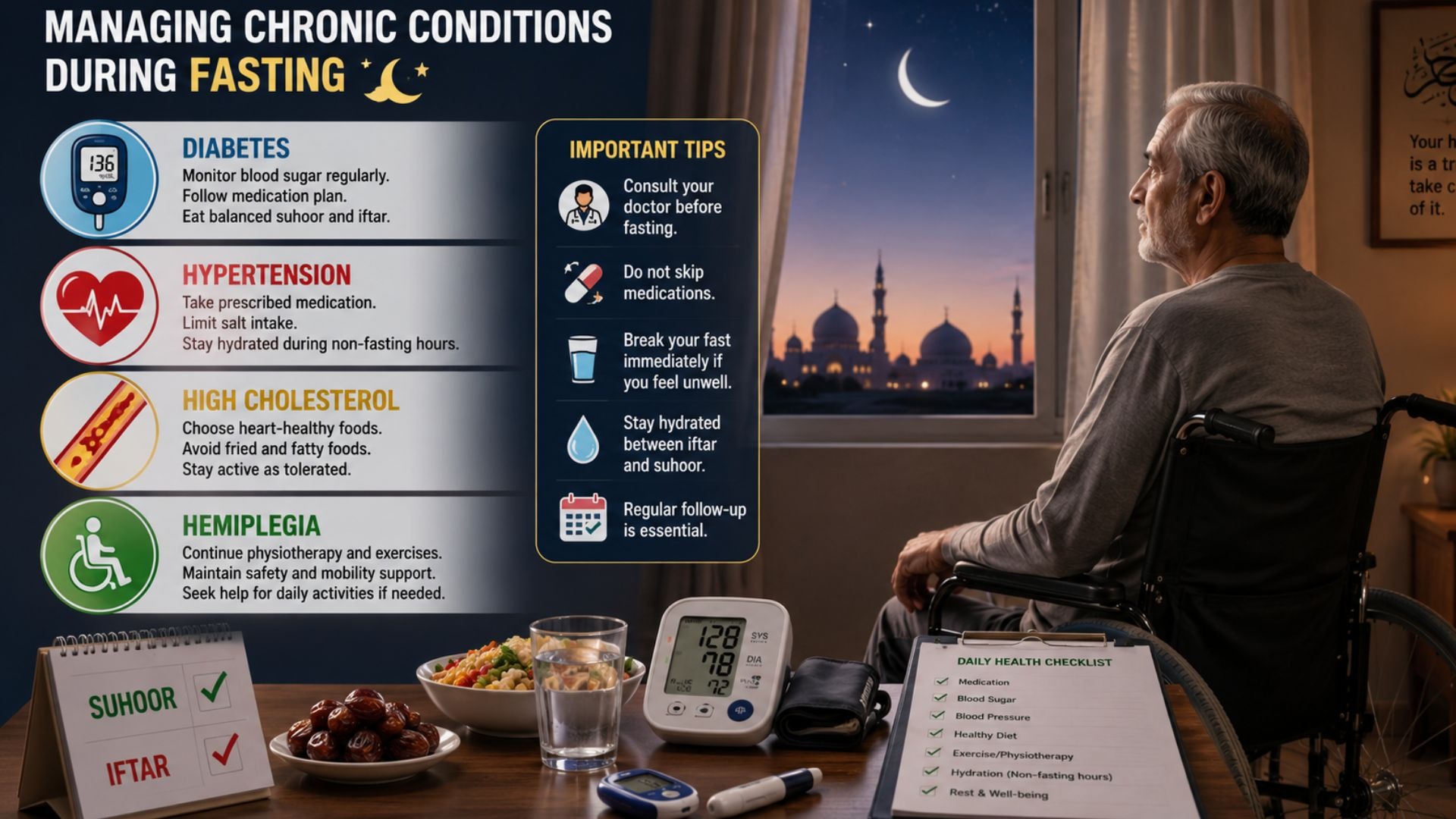
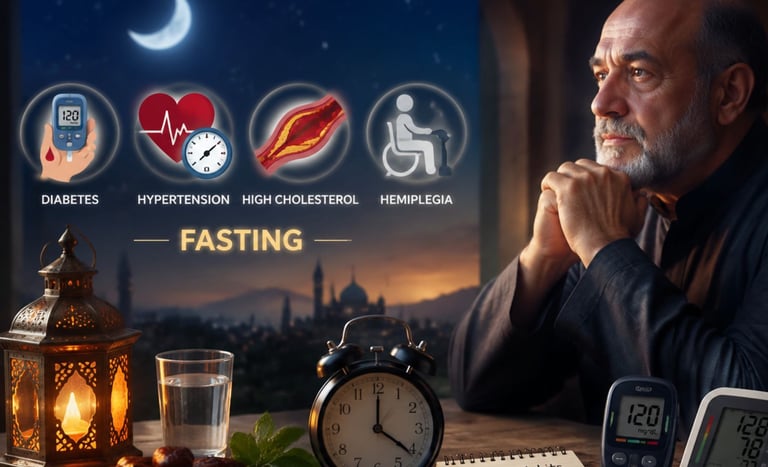
🌙Diabetes,Hypertension,High Cholesterol&Hemiplegia:Fasting
Discover how fasting may support the management of diabetes, hypertension, high cholesterol, and hemiplegia.
SUCCESS STORIES
Dr Hassan Al Warraqi
6/29/20267 min read
🌙Diabetes,Hypertension,High Cholesterol&Hemiplegia:Fasting
Discover how fasting may support the management of diabetes, hypertension, high cholesterol, and hemiplegia.
Learn the potential benefits, current scientific evidence, safety considerations, and my personal health journey.
Diabetes, Hypertension, High Cholesterol, Hemiplegia & Fasting: Save Money and Live Better
My Success Story
After years of struggling with several chronic health conditions, I found that following the David fasting pattern—fasting on alternate days, about 3–4 days per week—became a turning point in my health journey.
Combined with healthy lifestyle changes and appropriate medical care, it helped me achieve significant improvements in my overall well-being.
I call this approach the Dr. Hassan Al Warraqi Regimen.
While it has been remarkably effective for me, every person is different.
If you have a chronic medical condition or take medications, .
I hope my experience encourages others to explore evidence-based lifestyle approaches that may improve their health.
Managing diabetes, hypertension (high blood pressure), high cholesterol, and hemiplegia after stroke can be physically, emotionally, and financially demanding.
However, adopting a healthy lifestyle that includes balanced nutrition, medically supervised fasting, regular exercise, home rehabilitation, and cost-saving healthcare strategies may improve overall health while helping reduce long-term medical expenses.
Can Fasting Help?
Research suggests that intermittent fasting and time-restricted eating may improve several metabolic health markers when incorporated into a healthy lifestyle and practiced safely under medical supervision.
Potential benefits include:
Better blood sugar control
Improved insulin sensitivity
Lower blood pressure
Reduced LDL ("bad") cholesterol and triglycerides
Reduced inflammation and oxidative stress
Healthy weight management
Improved cardiovascular and metabolic health
While these findings are promising, fasting may be a cure for diabetes, hypertension, high cholesterol, or stroke-related disability.
People living with these conditions—especially those taking insulin, glucose-lowering medications, or blood pressure medicines—should consult their healthcare provider before beginning any fasting program.
Home Recovery for Hemiplegia
Daily rehabilitation plays a vital role in restoring strength, mobility, coordination, and independence after a stroke.
Home-based exercises can effectively complement professional physical and occupational therapy.
Helpful exercises include:
Table push-ups
Shoulder shrugs
Towel-twisting exercises
Ball-rolling coordination drills
Using water bottles or canned foods as light weights
Practicing everyday activities such as dressing, folding laundry, cooking, and meal preparation
Regular practice and gradual progression are essential for maximizing recovery.
Heart-Healthy Nutrition
Combining fasting with a heart-healthy eating pattern such as the DASH (Dietary Approaches to Stop Hypertension) diet may help support the management of:
Diabetes
Hypertension
High cholesterol
Overweight and obesity
Cardiovascular disease risk
Stroke risk factors
Budget-friendly nutrition tips include:
Buying seasonal fruits and vegetables
Choosing whole grains, beans, and legumes
Eating lean protein sources
Selecting low-fat dairy products
Limiting sodium, added sugars, sugary beverages, and ultra-processed foods
Healthy eating not only supports metabolic health but can also reduce grocery costs when meals are planned around affordable whole foods.
Save Money on Medications
The long-term cost of managing chronic diseases can be substantial.
Fortunately, many patients may qualify for programs that reduce the cost of:
Diabetes medications
Insulin
Blood pressure medications
Cholesterol-lowering medications
Patient assistance programs, community health centers, prescription discount cards, generic medications, and preventive lifestyle changes can help lower healthcare expenses over time.
Community Resources
Stroke survivors and caregivers can benefit from community services that provide:
Affordable healthcare
Physical and occupational rehabilitation
Transportation assistance
Medical equipment
Financial counseling
Medication assistance programs
Nutrition and wellness education
Accessing these resources can make long-term recovery more affordable and improve quality of life.
Family Support Matters
Family members and caregivers are essential partners in recovery.
They can help by:
Encouraging daily physical activity
Preparing nutritious, budget-friendly meals
Supporting medically appropriate fasting when recommended
Assisting with medication management
Providing motivation and emotional support
Helping patients stay consistent with rehabilitation goals
Strong family support often leads to better long-term health outcomes and greater independence.
Key Takeaways
Managing diabetes, hypertension, high cholesterol, and hemiplegia requires a comprehensive approach.
A lifestyle built around balanced nutrition, medically supervised fasting, regular exercise, home rehabilitation, medication adherence, and smart financial planning may improve metabolic health, support stroke recovery, and reduce healthcare costs.
Although fasting should may not replace medical treatment, it may serve as a valuable complementary lifestyle strategy for some individuals when combined with evidence-based medical care and professional guidance.
By making informed lifestyle choices today, you can support better metabolic health, improve mobility, lower cardiovascular risk, save money on long-term healthcare, and live a healthier, more independent life.
FAQs: Diabetes, Hypertension, High Cholesterol, Hemiplegia & Fasting
My personal experience suggests that the Dr. Hassan Al Warraqi Regimen—based on David fasting (alternate-day fasting, 3–4 days per week)—can be a powerful lifestyle strategy for improving health.
1. Can fasting help people with diabetes?
Fasting may improve insulin sensitivity, blood sugar control, and weight management in some individuals.
However, people taking insulin or glucose-lowering medications should only fast under medical supervision because of the risk of hypoglycemia.
i you stick to regime 100% you can after a while stop you medicine safely, blood sugar normal.
2. Is fasting safe for people with high blood pressure?
For many adults, intermittent fasting may contribute to modest reductions in blood pressure, particularly when combined with weight loss and a healthy diet.
People taking blood pressure medications
i you stick to regime 100% you can after a while stop you medicine safely, blood pressure reading return to normal.
3. Can fasting lower high cholesterol?
Research suggests that fasting may improve cholesterol levels by reducing LDL ("bad") cholesterol and triglycerides while sometimes increasing HDL ("good") cholesterol.
Results vary depending on diet quality and lifestyle.
i you stick to regime 100% you can after a while stop you medicine safely, blood cholesterol reading return to normal.
4. Is fasting beneficial after a stroke or for hemiplegia?
Fasting is not a treatment for hemiplegia.
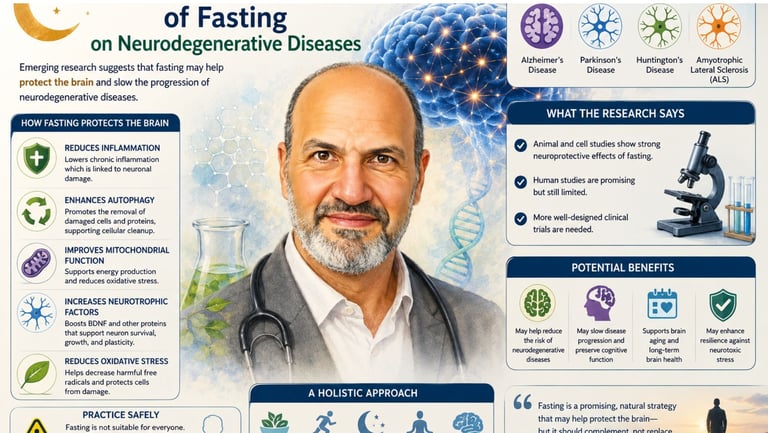
Some early studies suggest fasting may support brain health by reducing inflammation and oxidative stress, but evidence in stroke recovery remains limited.
Rehabilitation, physical therapy, and prescribed medications remain the cornerstone of recovery.
i you stick to regime 100% you can after a while stop you medicine safely, blood pressure , blood cholesterol , blood sugar reading return to normal.
5. Who should avoid fasting?
Fasting may not be appropriate for:
Pregnant or breastfeeding women
Children unless medically supervised
Individuals with eating disorders
Frail older adults
People with uncontrolled diabetes or serious medical conditions without physician approval
6. What is the best fasting schedule for metabolic health?
Common approaches include:
12:12 (12-hour fasting, 12-hour eating)
14:10
16:8 (16-hour fasting, 8-hour eating)
day after the other david fast .
The best schedule depends on your health status, medications, and lifestyle.
7. Can fasting replace medications?
No.
Fasting should complement—not replace—evidence-based medical treatment.
Never stop or adjust prescribed medications without consulting your healthcare provider.
8. Does fasting help with weight loss?
Yes.
Many people experience weight loss because fasting can reduce overall calorie intake and improve metabolic flexibility.
Long-term success depends on maintaining a nutritious diet and regular physical activity.
9. What should I eat after breaking a fast?
Focus on nutrient-dense foods such as:
Lean proteins
Vegetables
Fruits
Whole grains
Healthy fats
Plenty of water
Avoid overeating or consuming large amounts of ultra-processed foods and sugary drinks.
10. What are the main health benefits of fasting?
Potential benefits supported by varying levels of evidence include:
Better blood sugar regulation
Improved insulin sensitivity
Lower blood pressure
Improved cholesterol and triglycerides
Weight management
Reduced inflammation
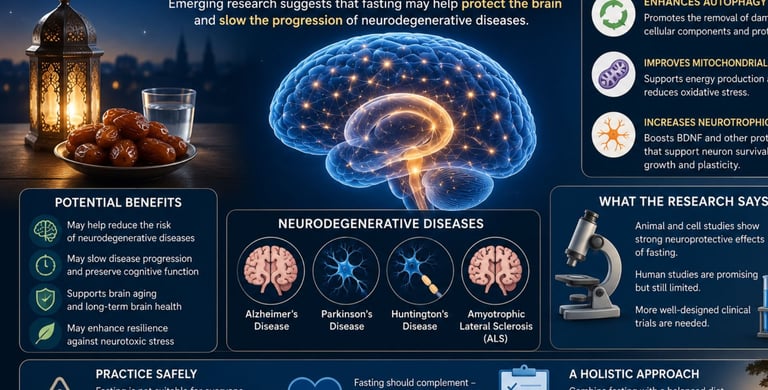
Support for cellular repair processes such as autophagy
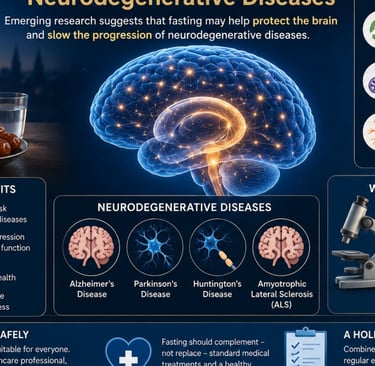
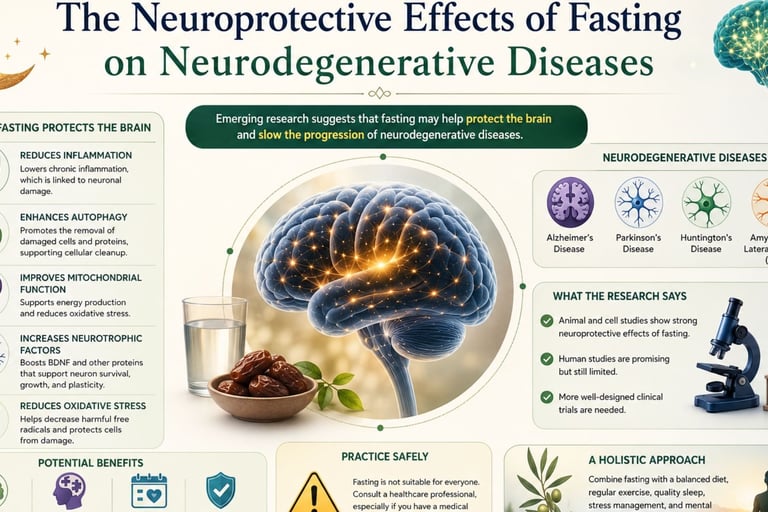
Possible support for healthy brain aging (ongoing research)
Medical Disclaimer: This information is for educational purposes only and should not replace professional medical advice. If you have diabetes, hypertension, high cholesterol, hemiplegia, or any chronic illness, consult your healthcare provider before starting a fasting regimen.
====================================================================================================================================================================================
🌙Diabetes,Hypertension,High Cholesterol&Hemiplegia:Fasting
Fasting may support better blood sugar control, lower blood pressure, improve cholesterol levels, and promote overall metabolic health.
Emerging research also suggests potential benefits for brain health and stroke recovery, but fasting is not a cure.
It should complement—not replace—medical treatment and should be undertaken with medical guidance, especially for people taking medications.
After years of struggling with several chronic health conditions, I found that following the David fasting pattern—fasting on alternate days, about 3–4 days per week—became a turning point in my health journey.
Combined with healthy lifestyle changes and appropriate medical care, it helped me achieve significant improvements in my overall well-being.
I call this approach the Dr. Hassan Al Warraqi Regimen.
While it has been remarkably effective for me, every person is different.
If you have a chronic medical condition or take medications, .
I hope my experience encourages others to explore evidence-based lifestyle approaches that may improve their health.
Meta Title:
🌙 Diabetes, Hypertension, High Cholesterol & Hemiplegia: Can Fasting Support Better Health?
Meta Description:
Discover how fasting may support the management of diabetes, hypertension, high cholesterol, and hemiplegia. Learn the potential benefits, current scientific evidence, safety considerations, and my personal health journey.
Hashtags:
#Fasting #IntermittentFasting #AlternateDayFasting #Diabetes #Type2Diabetes #Hypertension #HighBloodPressure #HighCholesterol #StrokeRecovery #Hemiplegia #MetabolicHealth #BrainHealth #HeartHealth #HealthyLifestyle #Autophagy #Inflammation #Wellness #PreventiveHealth #HealthEducation #DrHassanAlWarraqi
SEO Keywords:
fasting and diabetes, intermittent fasting for diabetes, alternate day fasting, fasting and hypertension, fasting for high blood pressure, fasting and high cholesterol, fasting and stroke recovery, fasting and hemiplegia, metabolic health, insulin resistance, blood sugar control, cholesterol management, cardiovascular health, neuroprotection, autophagy, inflammation reduction, healthy fasting, chronic disease management, fasting benefits, Dr Hassan Al Warraqi Regimen
==================================================================================================================================================================================================================================================================================
👁️🦠 The Cascading Effect: From the Gut to the Eye... How Might Fasting Help?
The eye is no longer viewed as an isolated organ from the rest of the body, but rather as part of a biological network linking it to the gut, the immune system, and metabolism.
This connection is known as the Gut–Eye Axis.
Research suggests that fasting may help improve gut microbiome balance, reduce chronic inflammation, and oxidative stress, both of which can affect eye health and function.
🌙 How might fasting benefit the eyes?
✅ Enhances the diversity of beneficial gut bacteria.
✅ Alleviates systemic inflammation that may reflect on eye tissues.
✅ Improves insulin sensitivity and blood sugar regulation, which may help reduce the risk of some diabetes-related eye complications.
✅ Supports the production of beneficial compounds for the gut, such as short-chain fatty acids, which contribute to immune regulation.
✅ Reduces oxidative stress that may damage the retina and optic nerve.
👁️ What does this mean for eye health?
Maintaining gut health and a healthy lifestyle, including appropriate fasting for some individuals, may help support eye health and reduce risk factors associated with conditions such as:
Dry eye.
Diabetic retinopathy.
Age-related macular degeneration.
Some inflammatory eye diseases.
⚠️ Important Note:
Although scientific results are promising, current evidence does not prove that fasting directly treats eye diseases. Diabetics or those with chronic diseases must consult a doctor before following any therapeutic fasting regimen.
✨ Conclusion:
The path to protecting the eye may begin in the gut. By improving microbiome health, reducing inflammation, and enhancing metabolic processes, fasting may be part of a comprehensive strategy to support eye health, but it is not a substitute for regular check-ups or medical treatment when needed.
================================================================================================================================================================================================================================================================================





Get in touch
Address
Cairo Al Rehab
Contacts
+20 109 405 2056
hassanalwarraqi@h-k-e-m.com