
Health is a crown on the heads of the healthy that only the sick can see.



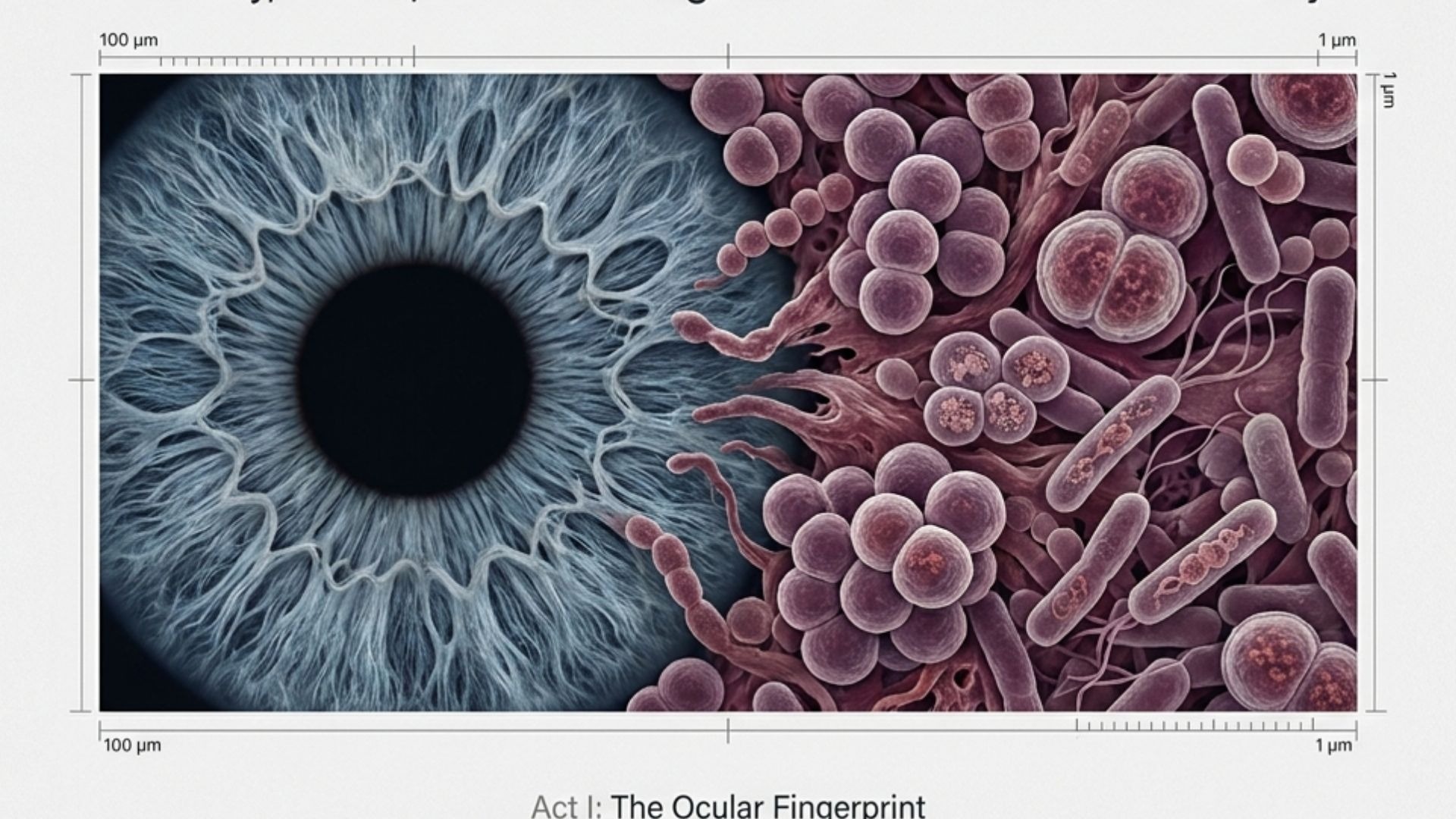
👁️Cascade Effect:Gut to Eye Fasting Influence Vision?🦠
Discover how intermittent fasting reshapes the gut microbiome, reduces inflammation, and may support eye health through the gut–eye axis.
FASTINGMICROBIOMEGUT-EYE AXIS
Dr Hassan Al Warraqi
6/25/202614 min read
👁️Cascade Effect:Gut to Eye Fasting Influence Vision?🦠
Discover how intermittent fasting reshapes the gut microbiome, reduces inflammation, and may support eye health through the gut–eye axis.
Brief Summary: Intermittent fasting creates profound changes in the gut microbiome that travel through the bloodstream to reach the eyes, protecting them from diseases like diabetic retinopathy and age-related macular degeneration.
Discover the Amazing Connection Between Eye Biometrics and Gut Health
How does the colon microbiome affect your vision?
What's the difference between detox apple fasting and Ramadan fasting?
Your comprehensive guide to holistic medicine.
The eye is a true window reflecting both human biometric identity and internal health status, particularly regarding digestive system health.
Modern science reveals a "vital axis" connecting the gut microbiome to eye health, with eye biometrics and iridology serving as advanced tools for reading the body's internal map.
In this comprehensive article, we explore how colon bacteria affect your vision, the role of therapeutic fasting in restoring vitality, and clarify crucial medical distinctions for those with chronic health conditions.
First: Eye Biometrics — More Than Just Identity Verification
Eye biometric techniques rely on two completely different readings: one medical and one holistic diagnostic.
Retinal Scan
Based on detecting unique blood vessel patterns in the retina.
This biometric is the most accurate after DNA and doesn't match even between identical twins. Medically, it reveals early indicators of chronic diseases like atherosclerosis, cholesterol disorders, and congestive heart failure.
Iridology
Based on reading patterns in the colored part of the eye (the iris).
This science treats the iris as a "map" reflecting strengths and weaknesses in internal organs; certain patterns in brown eyes correlate with potential weakness in the digestive system or kidneys.
Second: The Gut-Eye Axis
The gut is known as the "second brain," and its direct impact on the eye appears through multiple vital mechanisms:
Regulating Inflammation and Oxidative Stress
Microbiome balance makes a direct difference in inflammation levels within the eye, providing protective benefits against age-related macular degeneration (AMD).
Preventing Diabetic Retinopathy
Gut health contributes to managing blood sugar levels, reducing the risk of retinal blood vessel damage.
Absorbing Vital Nutrients
The gut is the sole gateway for absorbing Vitamin A, zinc, and lutein.
Any imbalance in beneficial bacteria weakens absorption and accelerates vision deterioration.
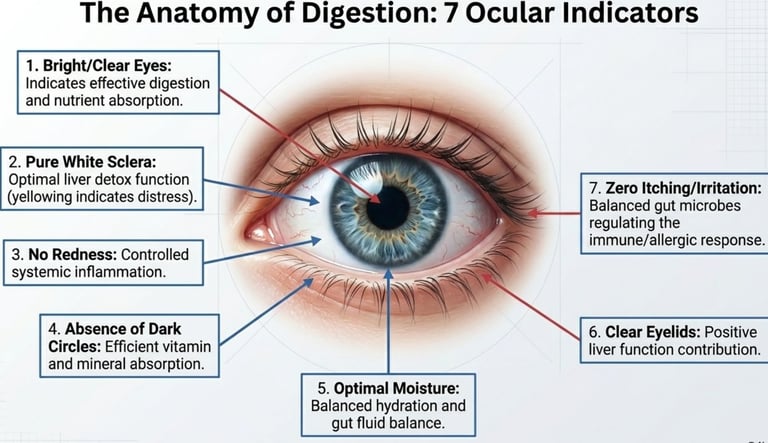
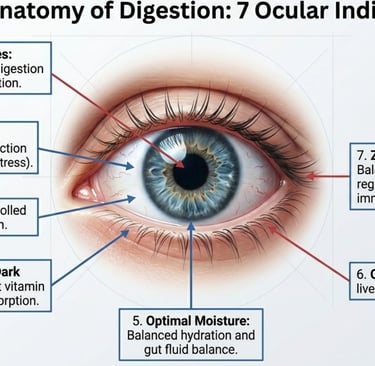
7 Signs in Your Eyes That Reveal Your Gut Health
When your digestive system works optimally, this health reflects in your eyes' appearance:
Bright, clear eyes indicate effective digestion and absorption
Absence of redness means your gut manages inflammation successfully
Fading dark circles signals efficient nutrient processing by the gut
Natural eye moisture correlates with adequate body fluid balance
Bright white sclera reflects efficient liver and gut detoxification; yellowing indicates dysfunction
Reduced itching and irritation results from balanced microbiome regulating immune response
Clear eyelid area demonstrates overall digestive system efficiency
Third: Fasting and Colon Cleansing — The Secret to Eye Vitality
Fasting plays a pivotal role in holistic medicine for tissue cleansing, but there's a fundamental difference between two main types that must be clearly distinguished.
1. Detox Fasting (Apple Fasting)
This is a short-term therapeutic intervention typically lasting three days, based on consuming only one type of fruit—such as apples, grapes, pineapple, or watermelon—with water only.
Purpose: Eliminate environmental and dietary toxins and reset the gut microbiome.
Breaking the Fast: Done with a special vegetable soup to gradually restore colon vitality.
Some holistic approaches suggest the iris may show noticeable "healing signals" during this period.
2. Fundamental Difference from Ramadan Fasting
Method: During Ramadan, fasting individuals abstain from both food and drink from dawn to sunset, while detox fasting allows fruit and water consumption throughout the day.
Purpose: Ramadan fasting combines worship with comprehensive physiological rest for the body, while apple fasting is classified as a "complementary medical procedure" directed at colon cleansing and stimulating healing indicators.
⚠️ Medical Warnings: Who Should NOT Do Apple Fasting?
Fruit detox fasting is considered a harsh intervention even for healthy individuals.
It is completely contraindicated for:
People with diabetes due to risk of acute blood sugar fluctuations
Chronic kidney disease
Acute liver disease
Any detox fasting must be conducted under complete medical supervision in all circumstances.
💡 Special Medical Note for Those with Chronic Conditions
Based on clinical experiences of those who have practiced fasting for years despite complex health histories—including diabetes, high blood pressure, high cholesterol, and stroke history—a precise distinction must be made between two types:
Apple Detox Fasting
This is a real medical danger for diabetics due to its fructose concentration and single-food focus, which medical sources explicitly warn against.
Appropriate Therapeutic Fasting for This Population
This is likely Intermittent Fasting specifically designed to accommodate sugar, fat, and blood pressure balance.
This type has proven effective in modern studies for:
Improving insulin sensitivity
Reducing systemic inflammation (protecting the retina from diabetic retinopathy)
Improving vascular health (protecting against atherosclerosis and strokes)
Practical Conclusion
Continue with the fasting protocol that has achieved clinical improvement under your physician's supervision, as it reflects genuine improvement in gut microbiome and vascular health.
However, avoid trying apple-only or fruit-only fasting for three consecutive days, as it is medically unsafe for diabetics.
The "David Effect": Fasting's Impact on the Gut-Eye Axis
The connection between fasting, gut microbiome, and eye health represents one of the most evolving areas in modern medicine.
This connection manifests in what can be called the "David Effect"—a targeted, precise intervention that changes the balance of power against chronic diseases, just as David defeated Goliath with a single stone in the right place.
Modern science reveals that fasting is not merely a weight loss tool but a profound biological intervention that reshapes your gut's delicate ecosystem, thereby protecting your vision from within.
How Fasting Reshapes the Gut Microbiome
Fasting acts as a reset button for the microbiome.
Research consistently shows it modifies the composition and function of these microbes, enhancing bacteria that produce beneficial metabolites for the body.
Shift in Bacterial Populations:
Intermittent fasting studies have detected changes in the ratio of the two main bacterial groups—Firmicutes and Bacteroidetes—which is closely linked to metabolic health.
Enhancing Beneficial Bacteria
Fasting stimulates the growth of bacteria like Lactobacillus and Bifidobacterium, known for their anti-inflammatory effects, with a noticeable decline in pathogenic strains.
Increasing Microbial Diversity
Diversity is a critical indicator of gut health. Studies show fasting raises this diversity, with the effect appearing more pronounced in those starting with lower levels.
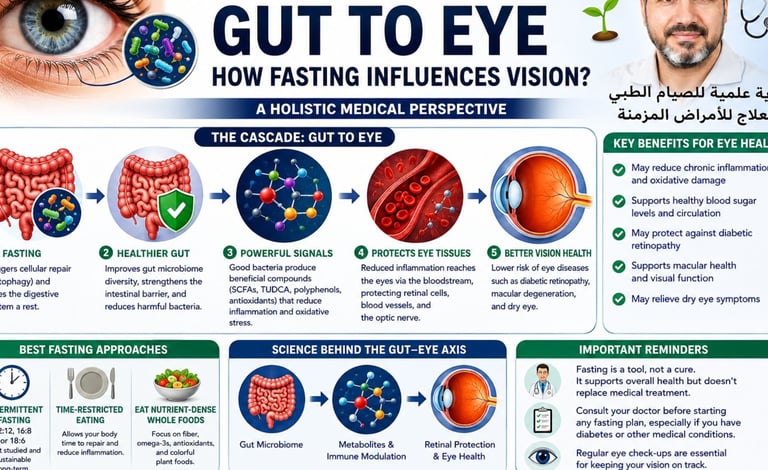
The Cascade Effect: From Gut to Eye
The gut-eye axis is a vital communication network that clearly maps the pathway of influence, and fasting may offer strategic defense against eye diseases through three main pathways.
First: Protection from Diabetic Retinopathy
Diabetic retinopathy (DR) is a leading cause of blindness, arising from high blood sugar and chronic inflammation.
Intermittent fasting can:
Suppress the inflammatory response that damages retinal vessels
Reduce abnormal blood vessel growth characteristic of advanced disease stages
Research on diabetic mice has shown that intermittent fasting inhibits damage accumulation in retinal capillaries and reduces inflammatory cell infiltration.
Second: Modulating Immune Response
In autoimmune eye diseases like Uveitis, the gut microbiome can directly influence disease development.
Studies found that lymphocytes actually travel between the gut and eye in uveitis cases, and modifying microbiome composition through fasting reduces inflammation severity.
This is a clear model of a simple dietary intervention confronting a complex autoimmune disease.
Third: Preventing Macular Degeneration (AMD)
Research has shown that low glycemic index diets—which fasting mimics—prevent the development of retinal lesions similar to macular degeneration.
More importantly, switching mice from a high glycemic index diet to a low one in late life stopped or partially reversed some of these lesions, indicating that dietary choices can influence even later stages.
The Fundamental Difference Between Therapeutic Fasting and Fruit Detox Fasting
Distinguishing between these two types is a necessity, not a luxury, especially for those living with chronic conditions.
Therapeutic/Intermittent Fasting
Based on abstaining from food for specific periods (e.g., 16 hours fasting followed by 8 hours eating)
Ensures balanced, nutrient-rich meals
Primary goal: Improve insulin sensitivity, reduce systemic inflammation, and rebalance the microbiome
Relatively safe for diabetics when practiced under precise medical supervision
Proven effectiveness in improving sugar control, protecting the retina from diabetic retinopathy, and improving vascular health feeding the eye
Fruit Detox Fasting
Based on consuming only one type of fruit with water for 3-5 days
Poses serious medical danger for diabetics due to high fructose content and acute blood sugar fluctuations
These fluctuations may harm the retina more than help, stressing the delicate blood vessels within it
Summary of the "David Effect"
Fasting is not merely a negative restriction on calories.
It is an active strategic intervention working on multiple simultaneous levels:
✅ Reshapes the gut microbiome, transforming it from a potential inflammation source into a protective ally
✅ Changes bacterial populations and raises microbial diversity, enhancing digestive resilience
✅ Boosts production of anti-inflammatory metabolites that directly affect the gut-eye axis
✅ Suppresses inflammation and reduces harmful vessel growth in the retina, protecting against diabetic retinopathy
✅ Modulates immune attacks on the eye in diseases like uveitis
This is the essence of the "David Effect": a targeted, powerful, and generally safe nutritional strategy capable of changing the body's internal balance to confront chronic eye diseases.
⚠️ Important Medical Warning
Any type of therapeutic fasting must be practiced under complete medical supervision, especially for those with:
Diabetes (all types)
High blood pressure
Chronic kidney or liver disease
History of strokes or blood clots
Eating disorders or severe underweight
Pregnancy or breastfeeding
Special Note:
The clinical improvement you've achieved and documented through years of fasting—despite your complex health history—is testimony to the effectiveness of therapeutic intermittent fasting specifically, NOT fruit detox fasting.
Continue your current protocol under your physician's supervision, and avoid fruit-only fasting, as it is medically unsafe for your condition.
Conclusion
The eye is not just a window to the soul but a precise mirror reflecting your gut health.
The gut-eye axis opens new horizons in holistic medicine, where regulated therapeutic fasting—under medical supervision—can improve the gut microbiome and protect your vision from chronic diseases.
Choose the protocol suitable for your health condition, and let your eyes reflect true, integrated internal health.
Frequently Asked Questions (FAQ)The Cascade Effect
Basic Questions: The Gut-Eye Axis
1. What is the Gut-Eye Axis?
It's a bidirectional vital relationship between the gut microbiome and eye health.
Colon bacteria affect inflammation levels in the body, which directly impacts the retina and its ability to resist diseases, from macular degeneration to diabetic retinopathy.
2. Can eye biometrics reveal digestive system diseases?
Yes, through two different pathways. Iridology treats the iris as a map reflecting organ strengths and weaknesses, with certain patterns in brown eyes potentially correlating with digestive or kidney weakness.
Retinal scanning reveals early indicators of chronic diseases like atherosclerosis and cholesterol disorders.
3. How do I know my gut health is good through my eyes?
There are seven main signs: bright clear eyes, absence of redness and irritation, fading dark circles, natural eye moisture, bright white sclera without yellowing, reduced itching and allergies, and clarity around the eyelids.
Questions About Fasting
4. What's the difference between apple detox fasting and Ramadan fasting?
Apple fasting: Consuming one type of fruit with water throughout the day for three days, aiming to cleanse the colon and stimulate healing.
Ramadan fasting: Complete abstinence from food and drink from dawn to sunset, serving as both spiritual worship and comprehensive physiological rest.
5. Is apple fasting safe for diabetics?
No, it's completely unsafe. Its high fructose content causes acute blood sugar fluctuations. Fruit-only fasting is contraindicated for diabetics and those with chronic kidney and liver disease without exception, and any detox fasting must be under complete medical supervision.
6. What therapeutic fasting is safe for diabetics and those with high blood pressure?
Intermittent Fasting or therapeutic fasting specifically designed to accommodate sugar, fat, and blood pressure balance.
This type has proven effective in improving insulin sensitivity, reducing inflammation harmful to the retina, and improving vascular health protecting against atherosclerosis and strokes.
Therapeutic Questions
7. How does fasting improve eye health?
Through four integrated pathways:
Reducing systemic inflammation affecting the retina
Improving insulin sensitivity to prevent diabetic retinopathy
Enhancing vascular health feeding the eye
Rebalancing the microbiome, improving absorption of essential eye nutrients like Vitamin A, zinc, and lutein
8. Do probiotics improve eye health?
Yes. Microbiome balance regulates immune response and reduces inflammation affecting the eye while improving absorption of vital nutrients.
Probiotic use has been associated with protective benefits against age-related macular degeneration, dry eye, and chronic eye inflammation.
9. What diseases does retinal scanning reveal?
Retinal scanning allows early detection of atherosclerosis, high cholesterol, heart failure, diabetic retinopathy, high blood pressure, and macular degeneration.
General Questions
10. Do identical twins have different eye biometrics?
Yes. Retinal biometrics are completely unique and don't match even between identical twins, making them the most accurate biometric after DNA.
11. Is diet alone enough to improve gut health?
Diet is fundamental, but its effect can be enhanced through regulated therapeutic fasting under medical supervision, probiotic and prebiotic intake, reducing processed sugars and saturated fats, drinking plenty of water, and regular exercise.
12. Is apple fasting recommended for healthy people?
Even for healthy individuals, it's considered a harsh intervention.
Consulting a physician before starting is advisable, and it's completely contraindicated for those with diabetes, kidney and liver disease, severe underweight, pregnancy, or breastfeeding.
13. How do I know my therapeutic fasting is working through my eyes?
You'll gradually notice: greater clarity in the eye white, reduced redness and irritation, disappearance of dark circles, better moisture, and overall vision clarity.
Advanced Questions
14. What's the relationship between colon microbiome and macular degeneration (AMD)?
Microbiome balance determines inflammation and oxidative stress levels in the body.
Chronic inflammation accelerates retinal cell deterioration and increases macular degeneration risk. Healthy gut means less inflammation and better retinal protection.
15. Can fasting reverse diabetes-related retinal damage?
Regulated therapeutic fasting can stop or slow diabetic retinopathy progression by improving insulin sensitivity and reducing inflammation, but it doesn't reverse existing damage.
Early blood sugar control and prevention are the true keys.
16. How often can detox fasting be repeated?
Apple detox fasting should not be repeated more than once or twice yearly under strict medical supervision.
Intermittent fasting can be practiced regularly, like the 16:8 pattern, after consulting your physician, especially in chronic cases.
Questions About David's Fast
1. What is "David's Fast" mentioned in religious texts?
David's fast (peace be upon him) is an alternate-day fasting pattern—fasting one day and breaking fast the next.
The Prophet Muhammad (peace be upon him) said: "Fast the fast of David, peace be upon him; he used to fast one day and break fast the next."
The Prophet warned against excessive continuous fasting due to potential body and vision exhaustion, saying: "If you do that, the eye will weaken and the soul will tire."
2. How does David's Fast relate to modern intermittent fasting?
David's Fast is classified today as Alternate-Day Fasting, one of the intermittent fasting patterns that modern studies have proven effective in reshaping the gut microbiome, reducing inflammation, and improving insulin sensitivity.
This pattern combines ancient spiritual wisdom with contemporary scientific foundation in achieving physical and spiritual balance.
3. What is fasting's effect on the eye according to modern science?
Fasting has both positive effects and aspects requiring caution.
Benefits
Intermittent fasting prevents diabetic retinopathy development even without changes in HbA1c, through microbiome restructuring and increased production of protective bile acids like TUDCA
Activates the SIRT1/LXR pathway in the retina, suppressing inflammatory cytokines
Research suggests potential protective role against macular degeneration
Cautions:
Fasting may cause dry eye due to decreased tear production
Temporary corneal changes may occur due to body fluid shifts, usually transient and resolving after breaking fast
4. How does fasting reshape the microbiome to affect the eye?
Through a series of interconnected mechanisms:
Fasting raises the Firmicutes to Bacteroidetes ratio, improving metabolic health
Increases TUDCA production, a bile acid that binds to TGR5 receptors in retinal ganglion cells, reducing inflammation and protecting eye nerve cells
Lowers TNF-α levels and retinal vessel inflammation, preserving the eye from chronic inflammation-related diseases
5. Is intermittent fasting safe for diabetics?
It requires extreme caution.
The greatest risk is hypoglycemia, especially for those taking insulin or sulfonylurea medications.
Complete medical supervision is essential, with dose adjustments in cooperation with your physician and regular blood sugar monitoring during fasting, especially in the final hours.
6. Does fasting help prevent macular degeneration (AMD)?
Yes, research indicates a promising protective role.
Mice fed a low glycemic index diet did not develop retinal lesions similar to AMD, while those on a high glycemic diet did.
Most notably, switching infected mice to the low glycemic diet stopped progression or produced partial lesion reversal.
Protection was associated with increased Bacteroidetes, while risk was associated with increased Clostridiales, confirming the microbiome's role in this disease.
7. How does fasting affect dry eye?
The effect is dual.
Short-term: Fasting may cause dry eye due to decreased tear production and increased concentration, especially in hot climates.
Long-term: Blood sugar control enabled by fasting reduces damage that chronic high sugar inflicts on eye nerves and cornea, protecting against diabetic dry eye.
8. What is fasting's role in uveitis?
Studies reveal that mice with autoimmune uveitis had lower gut microbial diversity before eye inflammation appeared, confirming the gut-eye inflammation connection.
Actual lymphocyte movement between gut and eye was observed in these cases.
Intermittent fasting can reduce disease severity by modifying microbiome composition and reducing systemic inflammation.
9. What is fasting's cumulative long-term effect on eye health?
Studies indicate multi-faceted cumulative protection:
Continuous protection from diabetic retinopathy through microbiome and protective metabolites
Protection from macular degeneration through dietary control and microbiome modification
Continuous improvement in eye microvascular health
Activation of cellular repair mechanisms associated with healthy aging, including eye tissues
=============================================================================================================================================================================================================================================================
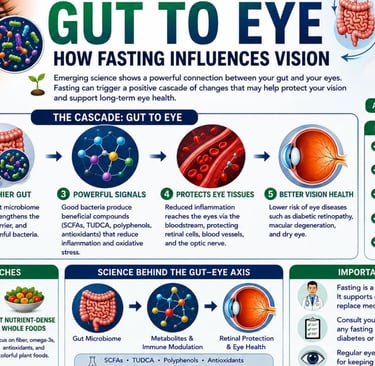
The Cascade Effect: From Gut to Eye – How Fasting Works
Intermittent fasting creates profound changes in the gut microbiome that travel through the bloodstream to reach the eyes, protecting them from diseases like diabetic retinopathy and age-related macular degeneration.
Steps of the Cascade Effect:
1️⃣ Reshaping the Gut Microbiome
Fasting restructures gut bacteria, increasing Firmicutes ratio while decreasing Bacteroidetes and Verrucomicrobia. It also increases mucin-producing goblet cells and lengthens intestinal villi, improving the gut barrier.
2️⃣ Producing Protective Metabolites
Fasting stimulates beneficial bacteria to produce secondary bile acids, primarily TUDCA, a neuroprotective bile acid. These metabolites bind to the TGR5 receptor found in retinal ganglion cells.
3️⃣ Suppressing Eye Inflammation
When TUDCA activates TGR5, it reduces TNF-α (inflammatory cytokine) production in the retina. Fasting also reduces plasma peptidoglycan levels, preventing activation of inflammatory signaling cascades that damage the retina.
4️⃣ Protecting Against Eye Diseases
Diabetic Retinopathy: Fasting prevents development of acellular capillaries (a marker of retinal damage) and reduces inflammatory cell infiltration.
Age-Related Macular Degeneration: Fasting, especially through a low glycemic index diet, helps prevent or reverse retinal lesions similar to macular degeneration.
Core Message
Intermittent fasting doesn't just improve the gut—it transforms it into a factory producing protective molecules that travel through the blood to protect the retina from inflammation and damage—all without changes in HbA1c levels.
This proves that fasting's effect on the eye depends not only on blood sugar control but on an independent biological pathway through the gut-eye axis.
Key Words
Eye biometrics, gut health, gut microbiome, apple fasting, Ramadan fasting, iridology, gut-eye axis, colon cleansing, probiotics for eyes, macular degeneration, diabetic retinopathy, intermittent fasting, therapeutic fasting, vascular health, insulin sensitivity
Hashtags
#EyeBiometrics #GutHealth #GutMicrobiome #AppleFasting #RamadanFasting #Iridology #GutEyeAxis #ColonCleansing #ProbioticsForEyes #MacularDegeneration #DiabeticRetinopathy #IntermittentFasting #EyeHealth #HolisticMedicine #DavidsFast
===================================================================================================================================================================================
🐝 Bee Venom: Multiple Sclerosis, Arthritis, and Alzheimer's – Brief Summary
🔵 Multiple Sclerosis (MS)
Summary: No evidence supports benefit; clinical trials showed no improvement.
A clinical study on 26 MS patients showed that bee venom therapy (live stings) for 24 weeks produced no improvement in brain lesions, relapse rate, disability, or quality of life.
Recommendation: ❌ Not recommended – no proven benefit.
🟠 Rheumatoid Arthritis
Summary: Promising evidence at laboratory and animal levels only; insufficient human trials.
Bee venom contains melittin, which inhibits inflammation pathways in the lab, but melittin is cytotoxic and may cause hemolysis (red blood cell rupture). Research is currently developing safe delivery methods, but no approved drug exists yet.
Recommendation: ⚠️ Remains experimental – not applicable to humans currently.
🟣 Alzheimer's Disease
Summary: Preliminary animal research only; no human evidence.
Studies on mice showed bee venom may improve memory and inhibit harmful amyloid plaque formation in the brain. But these results remain in the laboratory stage; no clinical trials on humans have been conducted.
Recommendation: 🔬 Remains research-stage – not applicable to humans currently.
⚠️ Basic Risks and Warnings
Anaphylaxis: May cause breathing difficulty, face and throat swelling, and blood pressure drop—a life-threatening emergency.
Serum Sickness: May appear days after venom exposure, including fever, joint pain, and skin rash.
Local Reactions: Pain, swelling, itching, and redness at the sting site.
No Standard Dose: Venom concentration varies by bee source, making safe dose determination impossible.
🩺 Final Conclusion
Bee venom is NOT a proven treatment for multiple sclerosis, arthritis, or Alzheimer's. Scientific evidence is weak or very preliminary, and risks (especially anaphylaxis) far outweigh any unproven potential benefit.
If you're considering this therapy, consult your physician first, and do NOT consider it a substitute for proven medical treatments.



Get in touch
Address
Cairo Al Rehab
Contacts
+20 109 405 2056
hassanalwarraqi@h-k-e-m.com