
Health is a crown on the heads of the healthy that only the sick can see.



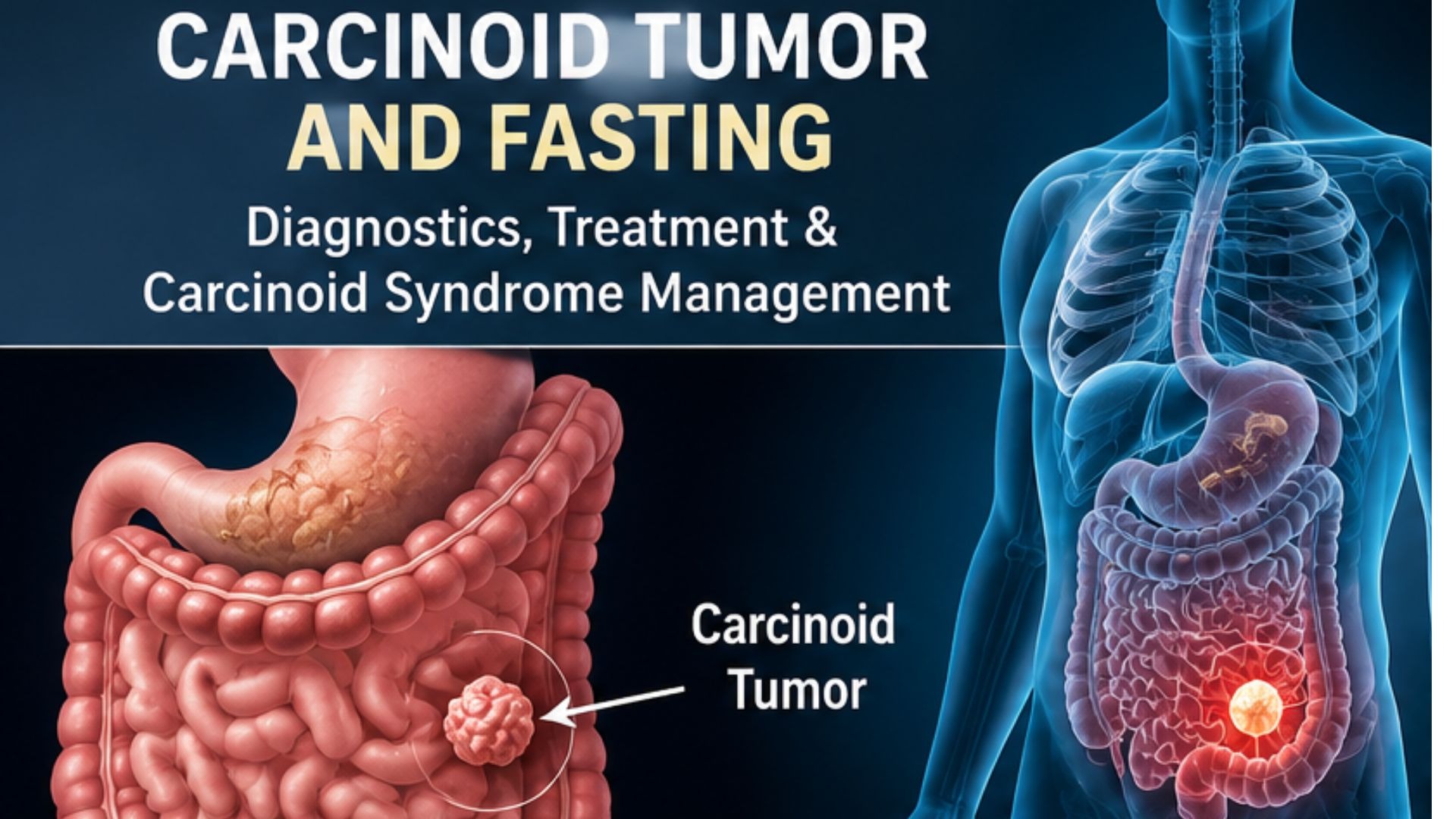
🎗️Carcinoid : Could Fasting Improve Patient Outcomes?🌙
Discover how fasting impacts carcinoid tumor diagnosis and treatment. Learn diagnostic protocols, therapeutic benefits, and safe dietary strategies.
CARCINOID TUMOR
Dr Hassan Al Warraqi
7/3/202618 min read
🎗️Carcinoid : Could Fasting Improve Patient Outcomes?🌙
Discover how fasting impacts carcinoid tumor diagnosis and treatment. Learn diagnostic protocols, therapeutic benefits, and safe dietary strategies.
If you or a loved one has been diagnosed with a carcinoid tumor — a specific type of well-differentiated neuroendocrine tumor (NET) — you may be wondering how fasting fits into your care plan.
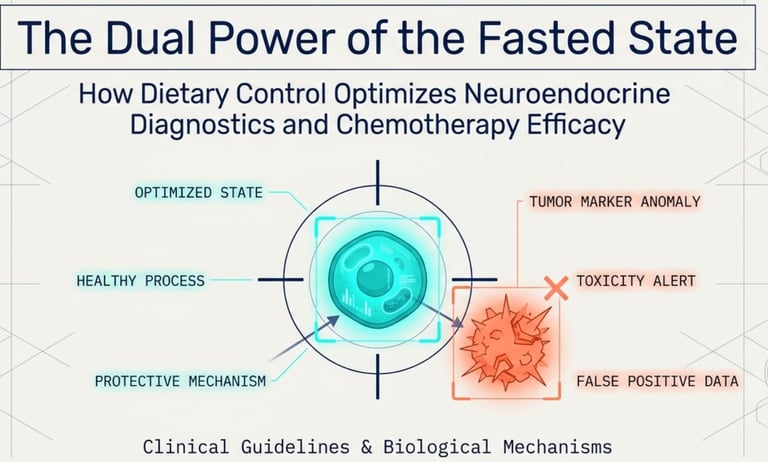
The connection between carcinoid tumor and fasting is more significant than many patients realize, spanning two critical areas: ensuring accurate diagnostic testing and potentially enhancing the effectiveness of cancer treatment.
This guide walks you through everything you need to know — from why your doctor insists you fast before blood tests to the exciting science suggesting that strategic fasting might help your treatment work better while making you feel better.
1. Why Fasting Matters for Carcinoid Tumor Diagnosis
When your doctor orders tests to monitor or diagnose a carcinoid tumor, fasting isn't just a suggestion — it's a requirement.
Skipping this step can lead to false-positive results, which can set off a chain reaction of unnecessary, stressful, and invasive follow-up procedures.
The Fasting Gut Hormone Profile: What's Actually Being Tested?
Your doctor may order a comprehensive blood panel called the Fasting Gut Hormone Profile.
This isn't a single test — it's a battery of measurements that paint a picture of how your neuroendocrine cells are behaving.
Chromogranin A (CgA) is the star of the show.
Think of it as the flag-raiser — the most commonly used marker for neuroendocrine tumors, elevated in the majority of NET patients.
Your doctor will track this over time to see if your tumor is growing, shrinking, or staying stable.
Gastrin tells your stomach to produce acid.
If it's sky-high, your doctor might suspect a gastrinoma — a rare NET that causes severe ulcers, known as Zollinger-Ellison syndrome.
Glucagon raises your blood sugar.
Unusual levels could point to a glucagonoma, which causes a distinctive skin rash called necrolytic migratory erythema.
Vasoactive Intestinal Peptide (VIP) is a potent hormone that, when elevated, causes severe watery diarrhea — so much that it's sometimes called pancreatic cholera.
A VIPoma is the culprit behind this.
Pancreatic Polypeptide (PP) is another clue your doctor uses to assess pancreatic neuroendocrine activity.
Neuron-Specific Enolase (NSE) is less specific, but sometimes checked if your tumor is more aggressive or poorly differentiated.
The Shocking Truth
35% of Results Are Wrong
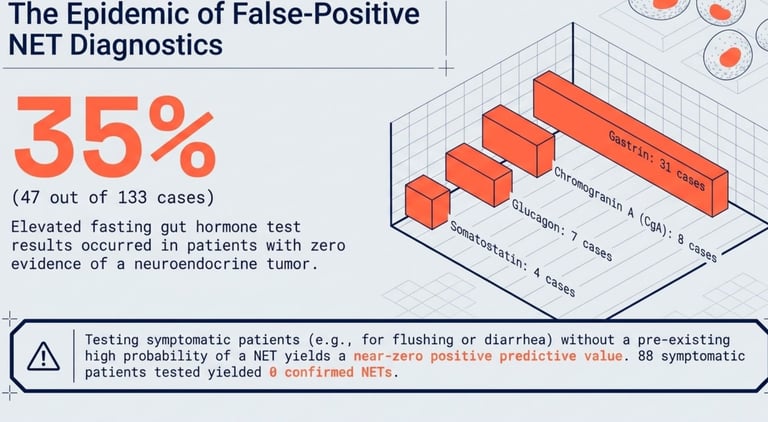
Here's a number that should get your attention: up to 35% of elevated gut hormone results are false positives.
That means more than one in three "abnormal" results might not reflect actual tumor activity at all.
Instead, they reflect something you ate, a medication you took, or a temporary stress on your body.
What Causes These False Alarms?
First, you might not have fasted long enough.
Even a small snack too close to your blood draw can spike these hormones.
Most labs want 8 to 12 hours of true fasting; some specialized centers ask for 12 to 14 hours for the most sensitive chromogranin A assays.
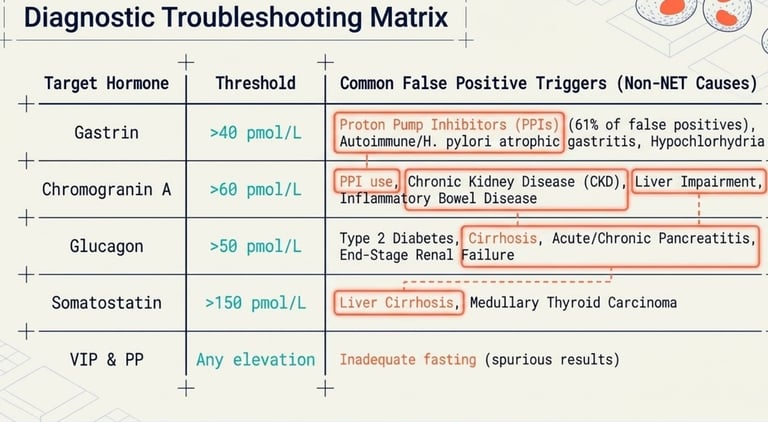
Second, you might be taking a proton pump inhibitor (PPI).
Medications like omeprazole (Prilosec), esomeprazole (Nexium), pantoprazole (Protonix), lansoprazole (Prevacid), and rabeprazole (Aciphex) are incredibly common for heartburn and acid reflux.
But they can raise your gastrin levels two to three times higher than normal — not because of a tumor, but because your body is compensating for suppressed stomach acid.
Studies show PPIs can also bump up your CgA levels by one and a half to three fold.
You may need to stop these under your doctor's supervision for one to two weeks before testing.
Third, other medications can interfere.
H2 blockers like ranitidine or famotidine, antacids, corticosteroids, and even some antidepressants can throw off results.
Fourth, your body might be under stress.
A recent illness, surgery, injury, or even intense emotional stress can temporarily elevate CgA and other markers because your sympathetic nervous system is in overdrive.
Fifth, if your kidneys aren't working optimally — say you have chronic kidney disease — CgA doesn't clear from your blood as efficiently, so levels rise even without tumor growth.
Sixth, a condition called atrophic gastritis — where your stomach lining thins due to autoimmune disease or H. pylori infection — leads to low stomach acid, which in turn triggers high gastrin as a compensation.
The bottom line?
Always tell your doctor every medication, supplement, and even herbal tea you're taking before these tests.
And follow the fasting instructions to the letter.
The 24-Hour 5-HIAA Urine Test: The Gold Standard
If your doctor suspects carcinoid syndrome — the collection of symptoms caused by hormones flooding your system — they'll likely order the 24-hour urinary 5-HIAA test.
This measures 5-hydroxyindoleacetic acid, the breakdown product of serotonin.
Since midgut carcinoid tumors — those in the small intestine, appendix, or proximal colon — often pump out serotonin in massive amounts, this test is the most reliable way to measure that activity.
What the Numbers Mean
Normal is usually 2 to 8 milligrams per 24 hours, though check your lab's reference range. Elevated above 25 milligrams per 24 hours strongly suggests carcinoid syndrome.
Very high — above 50 milligrams per 24 hours — indicates significant tumor burden and raises concern for carcinoid heart disease, a serious complication where serotonin damages your heart valves.
Your doctor will also use this test to track whether treatment is working and whether the disease is progressing.
The 48-Hour Diet: More Than Just Fasting
This isn't just about skipping breakfast.
For 48 hours before you start collecting urine — and throughout the entire 24-hour collection — you must avoid specific foods that contain serotonin or compounds that can cross-react with the test.
Fruits to completely avoid include bananas, pineapples, tomatoes, plums, kiwifruit, avocado, plantains, and passion fruit.
These are packed with serotonin that will skew your results.
Vegetables to skip include eggplant, spinach, olives, pumpkin, and butternut squash, which contain serotonin or tryptophan — serotonin's building block.
Nuts and seeds are off the table entirely.
All nuts, nut butters, sunflower seeds, and sesame seeds contain significant serotonin precursors.
Drinks to avoid include all alcohol, coffee, tea, energy drinks, and citrus juices, which mess with metabolism and test accuracy.
Extras to cut out include chocolate, cocoa, vanilla extract, and licorice, since their compounds can cross-react with the assay.
Certain medications must also be avoided before this test, including acetaminophen (Tylenol), guaifenesin found in cough syrup, reserpine, and MAO inhibitors, all of which directly alter how 5-HIAA is measured.
Additional must-dos: No alcohol for 24 hours before — 48 hours if you drink heavily. No caffeine for 24 hours before.
Bring a complete medication list to your appointment — prescription, over-the-counter, supplements, everything.
Collect every drop for 24 hours; miss one bathroom trip and the results are compromised.
Here's the technique: discard your first morning pee, then start the clock and collect everything for the next 24 hours.
And be careful with the collection container — it contains acid, so don't spill it on your skin.
If you can't manage a 24-hour collection, some labs now offer blood tests for serum 5-HIAA or plasma chromogranin A as alternatives.
Ask your doctor if these are options for you.
2. Can Fasting Actually Help Treat Carcinoid Tumors?
This is where things get exciting.
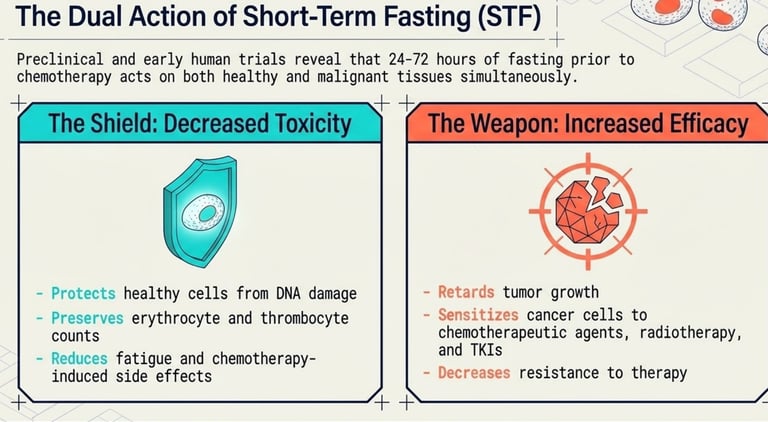
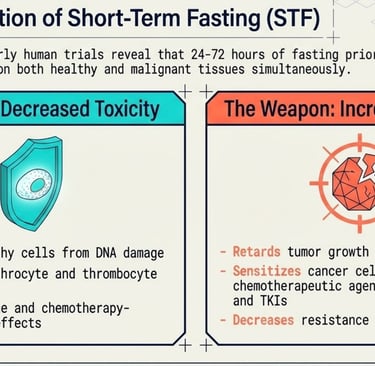
Beyond making sure your tests are accurate, short-term fasting (STF) — typically 24 to 72 hours without food — is being actively studied as a way to make cancer treatments like chemotherapy work better while hurting you less.
Differential Stress Resistance: Shielding Your Healthy Cells
When you fast, something remarkable happens inside your healthy cells.
They don't just sit there starving — they flip into survival mode.
This ancient evolutionary adaptation protects them from damage in several ways.
Growth pathways shut down.
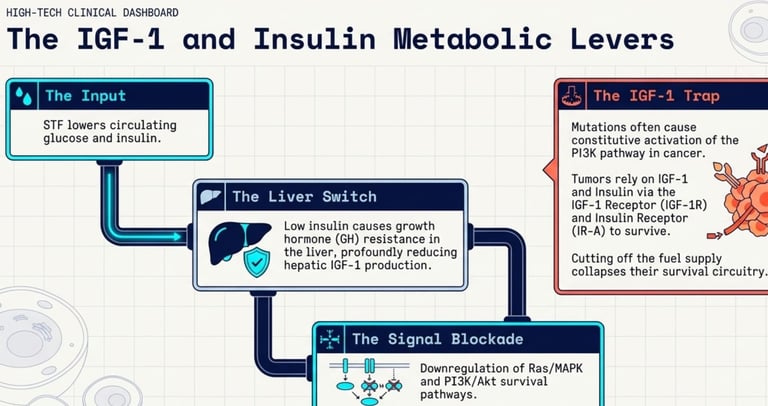
Insulin and IGF-1 levels drop, which tells cells to stop dividing and start repairing.
Autophagy kicks in. Cells begin recycling their own damaged parts — like cleaning out a cluttered garage — which makes them more resilient.
Stress resistance genes activate.
Your DNA repair systems, antioxidant defenses, and protective proteins all ramp up.
Ketones become fuel.
Your liver produces ketone bodies from fat, which your brain and organs can use for energy.
Ketones also have anti-inflammatory properties.
Why This Matters During Chemotherapy:
Chemotherapy drugs are designed to kill rapidly dividing cells.
The problem is, they can't always tell the difference between cancer cells and healthy cells like those in your gut, bone marrow, and hair follicles.
When your healthy cells are in this protective fasting state, they're much harder to damage.
What the Research Shows:
Severe fatigue drops by 30 to 50 percent because your muscle cells preserve their mitochondria — the energy factories that keep you moving.
Nausea and vomiting decrease by 40 to 60 percent because your gut lining stays intact instead of being stripped away by chemo.
Diarrhea is significantly reduced because intestinal stem cells survive and keep regenerating.
Low blood counts show moderate improvement because your bone marrow stem cells are protected.
Nerve pain, or neuropathy, has emerging evidence of benefit because less oxidative stress damages your neurons.
Mouth sores drop by 30 to 40 percent because oral tissue heals faster and stays stronger.
The SAFER trial and follow-up studies have shown that fasting for 48 hours around chemotherapy is not only safe but also associated with better quality of life scores compared to eating normally.
Differential Stress Sensitization: Making Cancer Cells Vulnerable
Here's the beautiful irony: while your healthy cells get tougher during fasting, cancer cells often get weaker.
Carcinoid tumor cells are metabolically inflexible.
Because of genetic mutations in genes like MEN1, DAXX/ATRX, and others, they've lost the ability to adapt when nutrients are scarce.
While your healthy cells gracefully switch to burning fat and ketones, tumor cells keep trying to grow — their internal growth signals stay stuck in the on position.
They can't enter protective mode because they lack the signaling flexibility to repair themselves.
They build up toxic waste because forced to scavenge for energy, they generate damaging free radicals.
And they experience cellular stress because their protein-folding machinery breaks down under pressure.
When chemotherapy hits these vulnerable cells, they're far more likely to die.
In mouse studies of neuroendocrine tumors, fasting combined with chemotherapy caused 40 to 60 percent more tumour shrinkage than chemo alone — with no increase in side effects.
The Anti-Warburg Effect: Starving Cancer's Favorite Fuel Source
Most cancer cells, including carcinoid tumors, love glucose.
They rely on a process called anaerobic glycolysis — burning sugar without oxygen — even when oxygen is available.
This is called the Warburg effect, discovered nearly a century ago.
When you fast, your blood sugar drops.
Your healthy cells smoothly transition to burning fat and ketones.
But cancer cells, addicted to glucose and lacking metabolic flexibility, can't make the switch.
They're forced toward oxidative phosphorylation — using oxygen to burn fuel — which overloads their already-damaged mitochondria, generates massive amounts of damaging oxidative stress, and triggers programmed cell death called apoptosis.
This forced metabolic crisis — the Anti-Warburg effect — could be a powerful weapon against carcinoid tumors.
3. Living with Carcinoid Syndrome: What to Eat (and Avoid) Every Day
While therapeutic fasting is a short-term, research-based strategy, managing carcinoid syndrome — the flushing, wheezing, and diarrhea caused by hormones your tumor releases — requires daily, long-term dietary adjustments. About 20 to 30 percent of people with midgut carcinoid tumors develop this syndrome.
Understanding What's Happening in Your Body
Carcinoid syndrome occurs when your tumor dumps bioactive substances — mainly serotonin, but also substance P, bradykinin, histamine, and prostaglandins — into your bloodstream.
Normally, your liver would filter these out, but if you have liver metastases or a tumor outside the portal system — like in your lungs or ovaries — these substances reach your whole body.
The symptoms you might experience: Sudden redness and warmth in your face, neck, and chest — sometimes triggered by food, stress, or alcohol.
Watery, urgent bowel movements — potentially 10 to 20 times a day in severe cases.
Asthma-like symptoms from bronchial constriction. And over time, serotonin can damage your heart valves — a condition called carcinoid heart disease.
Foods That Trigger Flushing and Diarrhea
The biggest culprits are biogenic amines — natural compounds in certain foods that can mimic or trigger the same vasoactive responses as your tumor's hormones.
Aged cheeses are high in histamine and tyramine, which are direct vasodilators that cause flushing.
Blue cheese, aged cheddar, parmesan, brie, and gouda are the worst offenders.
Alcohol is another major trigger. Red wine, beer, champagne, and spirits contain histamine, tyramine, and ethanol, all of which dilate blood vessels.
Smoked and cured meats like bacon, salami, pepperoni, ham, and smoked fish contain tyramine and preservatives that trigger vascular instability.
Fermented foods including sauerkraut, kimchi, soy sauce, miso, and vinegar have histamine and other amines that irritate the gut and trigger flushing.
Improperly stored fish like tuna, mackerel, and sardines left out too long can develop dangerously high histamine levels.
Dark chocolate and cocoa products contain phenylethylamine and theobromine, which cause vasodilation.
Fermented drinks like kombucha and kefir have variable histamine content that can trigger symptoms.
Processed foods including canned soups, frozen dinners, and fast food often contain MSG and additives that can trigger flushing in sensitive people.
Practical tips for daily living: Cook fresh meals at home whenever possible. Keep a food-symptom diary to identify your personal triggers.
Choose gentle cooking methods like steaming, baking, or grilling instead of frying.
And eat smaller, more frequent meals rather than large plates, since big meals can trigger post-meal flushing.
Fiber: Your Secret Weapon Against Diarrhea
If diarrhea is your main battle, fiber management is critical. But not all fiber is the same.
Embrace Soluble Fiber: The Gut Sponge
Soluble fiber absorbs water and forms a gel, which soaks up excess fluid in your gut, slows things down so your body can reabsorb water, binds bile acids that can worsen diarrhea, and feeds good gut bacteria, producing soothing short-chain fatty acids.
Your soluble fiber allies include oatmeal, which contains beta-glucan that firms stool and supports your gut barrier.
Start your day with half a cup to one cup cooked.
White rice, well-cooked, is low residue and easy to digest — part of the classic BRAT diet. Pair it with lean protein for a gentle meal.
Applesauce provides pectin, a natural stool-bulker.
Choose unsweetened; it's great as a snack.
Ripe bananas, especially when spotted brown, offer pectin plus resistant starch and replace potassium lost in diarrhea.
Psyllium husk is the most powerful soluble fiber, with 7 grams per tablespoon.
Start with half a teaspoon in water and increase slowly.
Barley contains beta-glucan that supports gut health.
Add it to soups or eat as a side dish.
Soaked chia seeds form a thick gel and provide omega-3s that fight inflammation. Soak one tablespoon in water overnight.
Ground flaxseed offers mucilage fiber plus lignans.
Add one tablespoon to smoothies or oatmeal.
Well-cooked sweet potatoes, peeled, provide gentle soluble fiber plus potassium. Steam or bake until very soft.
Cooked carrots are pectin-rich and soothing. Steam them until fork-tender.
How to add soluble fiber without causing gas: Start small — half a teaspoon of psyllium or a quarter cup of oatmeal.
Increase gradually over one to two weeks.
Always drink at least 8 ounces of water with each serving.
And take psyllium 30 minutes before meals for maximum effect.
Go Easy on Insoluble Fiber (For Now)
Insoluble fiber speeds things up and adds bulk — great for constipation, but potentially disastrous when you're already dealing with diarrhea.
During active symptoms, temporarily reduce whole wheat bread and pasta, which have roughage that accelerates transit.
Brown rice has more residue than white rice.
Fruit skins from apples, pears, and peaches contain cellulose that irritates the bowel.
Raw vegetables are hard to digest and gas-producing.
Whole nuts and seeds cause mechanical irritation and are high in fat.
Beans, lentils, and chickpeas contain fermentable sugars that cause gas and bloating. Popcorn has sharp hulls that scratch the gut lining.
And bran cereals contain concentrated insoluble fibre.
Good news: As your diarrhoea comes under control with medications like octreotide or lanreotide — somatostatin analogs — and dietary management, you can gradually bring insoluble fibre back. It's important for long-term colon health and a diverse gut microbiome.
Breaking a Fast Safely: Why the First Meal Matters
If you've been fasting for therapeutic reasons, how you break that fast is just as important as the fast itself.
Research warns that overeating right after a fast can backfire.
The Danger
After fasting, your body is super-sensitive to insulin. A huge meal — especially one loaded with refined carbs — causes a blood sugar spike, a massive insulin surge, activation of cancer-promoting growth pathways called mTOR, and potential feeding of any surviving tumor cells.
The Safe Way to Refeed
Phase one is the gentle start — the first one to four hours after your fast.
Stick to clear broths, diluted juices mixed half with water, herbal teas, and coconut water.
This rehydrates and gently wakes up your digestive system.
Phase two covers hours four to eight.
Introduce steamed zucchini, carrots, and spinach; small amounts of chicken, fish, or tofu; white rice; and applesauce. Nutrients return gradually without spiking insulin.
Phase three spans hours eight to twenty-four.
Add complex carbs like quinoa and sweet potato, healthy fats like avocado and olive oil, moderate protein, and cooked vegetables.
This restores normal metabolism while maintaining benefits.
Phase four begins on day two.
Return to your regular balanced diet, but keep avoiding refined sugars.
This sustains metabolic flexibility and overall health.
Key rules
Small portions, low-glycemic foods, no refined sugars for at least 24 to 48 hours, and always include some protein to protect your muscles.
4. Is Fasting Safe for Everyone?
Important Safety Information
Short-term fasting is generally safe for people who are reasonably healthy, have normal body weight, and haven't lost significant muscle mass.
But it's not safe for everyone.
Your oncology team — medical oncologist, registered dietitian, and primary care doctor — needs to evaluate you before you try this.
Who Should NOT Fast
Malnutrition is a hard stop. If you're already depleted, fasting makes it worse — leading to organ dysfunction and immune collapse.
Cancer cachexia — the wasting syndrome some patients experience — speeds up when you fast. Muscle melts away and mortality risk rises.
Severe muscle loss called sarcopenia means you'll lose even more muscle, becoming weaker and more prone to falls.
If you've lost more than 10 percent of your body weight in six months, you don't have enough reserves.
The risk of dangerous hypoglycemia and electrolyte problems is too high.
Type 1 diabetes is an absolute contraindication.
Life-threatening diabetic ketoacidosis can develop without insulin and carbohydrates.
Type 2 diabetes on insulin or sulfonylureas also carries severe hypoglycemia risk without food to balance medication.
Advanced kidney disease with an eGFR below 30 means fasting could worsen kidney function and cause dangerous electrolyte shifts.
Advanced liver disease means your body can't make glucose properly, risking severe hypoglycemia and confusion.
Pregnant or breastfeeding women should never fast — the baby needs those nutrients, and milk supply drops.
Anyone with a history of eating disorders is at risk because fasting can trigger relapse into dangerous restrictive behaviors.
Active infection or fever means your body needs extra fuel to fight.
Fasting weakens the immune response.
Recent major surgery requires protein and calories for healing. Fasting impairs recovery.
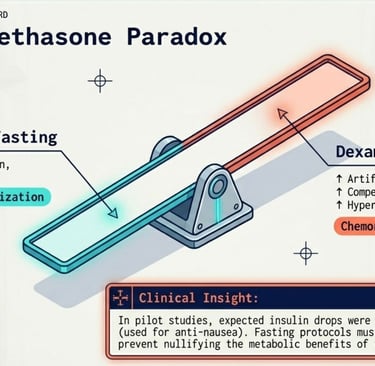
The Dexamethasone Problem: When Medications Clash with Fasting
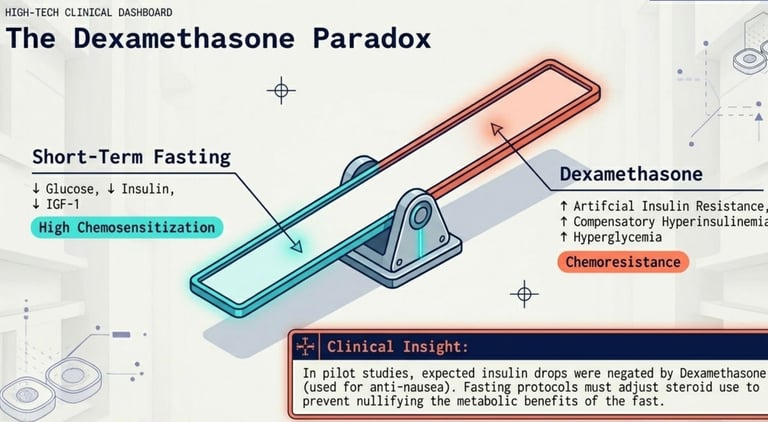
Many chemotherapy regimens include dexamethasone or other steroids to prevent nausea and allergic reactions.
But steroids and fasting don't mix well.
Steroids raise your blood sugar by pushing your liver to make more glucose.
They make your body resistant to insulin.
They counteract every metabolic benefit you're trying to achieve through fasting.
And they break down muscle protein.
What to do: Ask your doctor about steroid-free anti-nausea options like aprepitant, ondansetron, or olanzapine.
If steroids are absolutely necessary — for example, if you have brain metastases — ask about modified approaches like time-restricted eating or very-low-calorie ketogenic diets.
If you have diabetes, you'll need close blood sugar monitoring and possible insulin adjustments.
Some doctors prescribe metformin to counteract steroid-induced insulin resistance.
Other Medications to Review Before Fasting
Diabetes medications including insulin and sulfonylureas carry severe hypoglycemia risk during fasting.
Adjust or hold them only under your doctor's guidance.
Blood pressure medications can cause dizziness from low blood pressure when combined with fasting.
Monitor your blood pressure and may need timing changes.
Diuretics, or water pills, cause dehydration and electrolyte loss during fasting.
Your doctor may recommend holding or reducing them.
Blood thinners like warfarin can have fluctuating INR with diet changes.
More frequent blood tests are needed.
Chemotherapy drugs have altered absorption and metabolism during fasting.
Only attempt this under an oncologist-guided protocol.
Targeted therapies like sunitinib and everolimus are affected by food.
Follow the label instructions exactly.
Somatostatin analogs like octreotide and lanreotide can lower blood sugar.
Continue as prescribed but monitor your glucose.
What to Monitor During a Therapeutic Fast
If you and your doctor decide fasting is appropriate, keep track of several things.
Check your blood glucose two to three times daily if you're diabetic or on blood sugar medications.
Seek help if it drops below 70 or rises above 250 milligrams per deciliter.
Use ketone strips — urine or blood — to confirm you're in ketosis.
The therapeutic target is 0.5 to 3.0 millimoles per liter of beta-hydroxybutyrate.
Do daily weigh-ins.
Alert your doctor if you lose more than 2 percent of your body weight in 48 hours.
Hydration is critical.
Drink at least 2 liters of water daily.
Dark urine, dizziness, or dry mouth mean you need more fluids.
Red flags that require immediate medical attention
include severe weakness, confusion, chest pain, or persistent vomiting.
Frequently Asked Questions
How does fasting help with carcinoid tumor diagnostics?
Fasting ensures the accuracy of the Fasting Gut Hormone Profile — which measures chromogranin A, gastrin, glucagon, VIP, and other markers — and the 24-hour 5-HIAA urine test, which tracks serotonin metabolism.
Without proper fasting and dietary restrictions, food and medications can cause false-positive results — making it look like your tumor is more active than it really is.
This can lead to unnecessary scans, endoscopies, biopsies, and enormous anxiety. Following prep instructions exactly protects you from this cascade.
What is the 35% false-positive rate in gut hormone testing?
Clinical studies show that up to 35% of elevated gut hormone results are false positives — meaning the test says there's a problem when there isn't one.
The main causes are inadequate fasting before the blood draw and medications like proton pump inhibitors — omeprazole, esomeprazole, pantoprazole, and others — which can raise gastrin and CgA levels two to three times above normal as a side effect, not because of cancer.
Other causes include kidney disease, atrophic gastritis, and physical or emotional stress.
Always give your doctor a complete medication and supplement list before testing.
What foods trigger carcinoid syndrome flushing and diarrhea?
Foods high in biogenic amines are the biggest triggers.
These include aged cheeses like blue cheese, cheddar, and parmesan; alcohol especially red wine and beer; smoked or cured meats like bacon, salami, and smoked fish; fermented foods like sauerkraut, kimchi, and soy sauce; improperly stored fish; dark chocolate; and fermented drinks like kombucha.
Everyone's sensitivity is different, so keep a food diary to identify your personal triggers.
How should patients manage fiber for carcinoid syndrome?
Prioritize soluble fiber — it absorbs excess water and firms stool.
Great sources include oatmeal, white rice, applesauce, ripe bananas, psyllium husk, barley, soaked chia seeds, ground flaxseed, and well-cooked sweet potatoes and carrots.
Limit insoluble fiber during active diarrhea — whole grains, fruit skins, raw vegetables, nuts, seeds, and beans — because it speeds transit and can irritate the gut.
As your symptoms stabilize, gradually reintroduce insoluble fiber for long-term colon health.
Can short-term fasting protect healthy cells during chemotherapy?
Yes.
Through Differential Stress Resistance, fasting shifts healthy cells into a protective state where they repair themselves and resist damage.
This can reduce chemotherapy side effects by 30 to 60 percent, including fatigue, nausea, vomiting, diarrhea, and mouth sores.
Research supports this approach, with clinical trials showing improved quality of life in fasting patients.
Why is overconsumption after a fast dangerous for cancer patients?
After fasting, your body is highly sensitive to insulin.
A large, carb-heavy meal spikes blood sugar and insulin, which activates cancer-promoting growth pathways called mTOR and can feed surviving tumor cells.
This may undo the metabolic benefits you worked hard to achieve.
Break your fast gradually with small portions of low-glycemic foods over 24 to 48 hours.
Who should avoid therapeutic short-term fasting?
Fasting is unsafe for people with malnutrition, cancer cachexia, severe muscle loss, significant recent weight loss, type 1 diabetes, advanced kidney or liver disease, pregnancy, breastfeeding, eating disorder history, active infection, recent surgery, or those taking dexamethasone or other corticosteroids during chemotherapy.
Always consult your oncology team before attempting any fasting protocol.
==================================================================================================================================================================================================================================================================================
🎗️Carcinoid : Could Fasting Improve Patient Outcomes?🌙
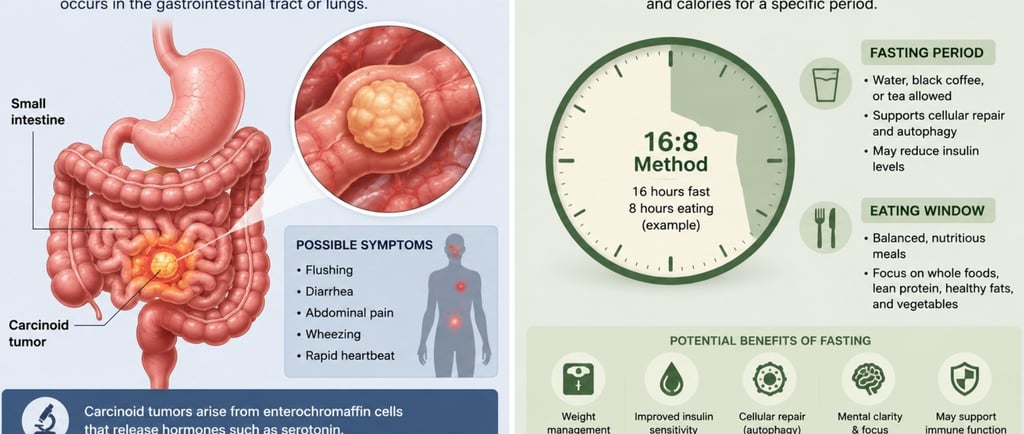
Carcinoid tumors are slow-growing neuroendocrine tumors that can develop in the gastrointestinal tract, lungs, or other organs. Some patients develop carcinoid syndrome, which may cause flushing, diarrhea, wheezing, and other symptoms due to the release of hormones such as serotonin.
Can Fasting Help?
At present, there is no clinical evidence that fasting can treat carcinoid tumors or improve survival.
However, research suggests that fasting may have general health effects that are being investigated in cancer research, including:
🛡️ Reducing inflammation and oxidative stress.
🔄 Activating autophagy, the body's natural cellular recycling process.
⚡ Improving metabolic health and insulin sensitivity.
🧬 Potentially influencing how healthy cells respond to metabolic stress.
These findings are not specific to carcinoid tumors, and they do not demonstrate that fasting slows tumor growth or improves outcomes in patients with neuroendocrine tumors.
Important Considerations
People with carcinoid tumors may experience weight loss, malnutrition, or increased nutritional needs. In these cases, fasting could be inappropriate or even harmful. Any dietary changes should be discussed with the patient's oncologist and registered dietitian.
Bottom Line
Fasting is not an established treatment for carcinoid tumors or carcinoid syndrome. While research into fasting and cancer metabolism continues, current evidence does not support fasting as a therapy to improve patient outcomes. Standard medical care, appropriate nutrition, and regular follow-up remain the foundation of treatment.
carcinoid tumor and fasting, carcinoid tumor fasting, fasting for carcinoid tumor, carcinoid syndrome diet, chromogranin A fasting, 5-HIAA urine test fasting, short-term fasting cancer, therapeutic fasting neuroendocrine tumor, carcinoid tumor biomarkers, fasting gut hormone profile
Primary Hashtags
#CarcinoidTumor #CarcinoidFasting #NeuroendocrineTumor #NETCancer #FastingForCancer #CarcinoidSyndrome #ChromograninA #5HIAA #TherapeuticFasting #CancerNutrition
==================================================================================================================================================================================================================================================================================
🧠 Locked-In Syndrome & Fasting 🌙
Locked-In Syndrome (LIS) is a rare neurological disorder in which a person loses the ability to move most of their body and speak while remaining fully conscious and aware of their surroundings. Communication is often possible through eye movements or blinking.
Can Fasting Help?
Currently, there is no scientific evidence that fasting can treat Locked-In Syndrome or restore lost neurological function.
However, research suggests that fasting may support overall brain health by:
🧠 Reducing inflammation and oxidative stress.
🔄 Activating autophagy, the body's natural cellular repair and recycling process.
⚡ Improving energy metabolism in brain cells.
🌱 Promoting the production of neuroprotective factors that support neuronal health.
Most of these findings come from laboratory and animal studies. Human clinical evidence remains limited, and these potential benefits have not been proven to improve outcomes in people with Locked-In Syndrome.
Bottom Line
Fasting may offer general neuroprotective benefits, but it should not be considered a treatment for Locked-In Syndrome. Patients should only undertake fasting under the guidance of their healthcare team, especially if they require specialized nutrition or have other medical conditions.
=================================================================================================================================================================================================================================================================================


Get in touch
Address
Cairo Al Rehab
Contacts
+20 109 405 2056
hassanalwarraqi@h-k-e-m.com