
Health is a crown on the heads of the healthy that only the sick can see.




💨Abdominal Bloating & Distension: Management Options
🤰💨 Discover effective ways to manage abdominal bloating and distension! Learn about causes, diet changes, natural remedies, and medical options for lasting relief. 🩺🍵 Say goodbye to discomfort and feel better naturally.
GASTROINTESTINAL
Dr Hassan Alwarraqi
11/25/2024


💨Abdominal Bloating & Distension: Management Options
🤰💨 Discover effective ways to manage abdominal bloating and distension! Learn about causes, diet changes, natural remedies, and medical options for lasting relief. 🩺🍵 Say goodbye to discomfort and feel better naturally.
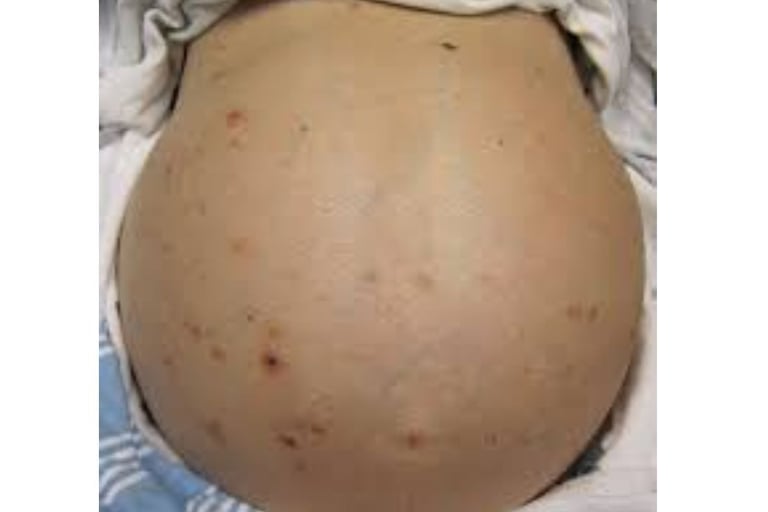
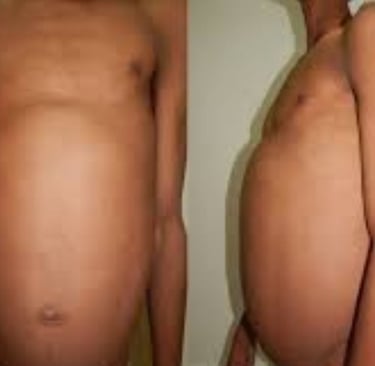
Abdominal distension refers to a noticeable swelling or enlargement of the abdomen.
It can result from a variety of causes, ranging from benign and temporary issues to more serious medical conditions. Here's an overview:
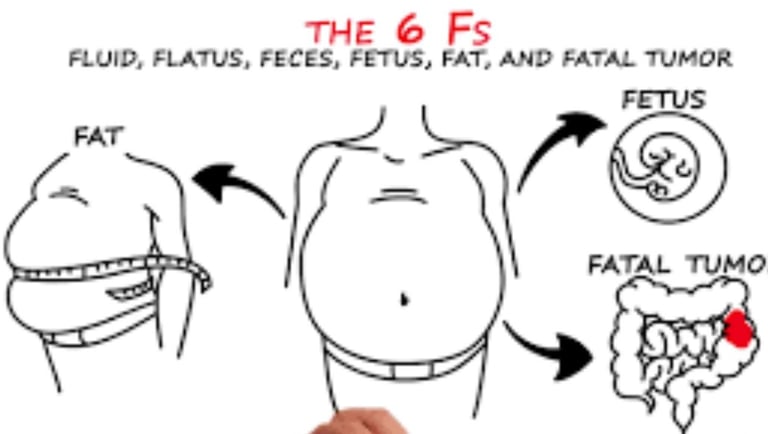
Common Causes of Abdominal Distension
Digestive-related causes:
Gas and bloating: Often due to swallowed air, carbonated drinks, or digestive issues like lactose intolerance or food sensitivities.
Constipation: Retained stool can cause discomfort and a bloated appearance.
Irritable bowel syndrome (IBS): A functional gastrointestinal disorder that can cause bloating and distension.
Overeating: Consuming large meals can temporarily cause distension.
Malabsorption syndromes: Conditions like celiac disease or pancreatic insufficiency.
Fluid accumulation (ascites):
Caused by liver disease (e.g., cirrhosis), kidney issues, or certain cancers.
Pregnancy:
Early or late stages can cause visible distension.
Gynecological issues:
Ovarian cysts, uterine fibroids, or endometriosis.
Inflammation or infections:
Gastroenteritis or peritonitis can lead to abdominal swelling.
Serious conditions:
Obstruction: Intestinal blockage can lead to distension and requires urgent medical attention.
Tumors: Abdominal or pelvic masses can result in visible swelling.
Hernias: A bulge in the abdominal wall may appear distended.
Seek medical attention if abdominal distension is accompanied by:
Severe or persistent pain.
Fever.
Blood in stool or black, tarry stools.
Vomiting, especially if it looks like coffee grounds.
Sudden weight loss.
Difficulty breathing.
Symptoms of shock (e.g., rapid pulse, dizziness).
Diagnosis
A physical examination: Checking for tenderness, fluid, or masses.
Imaging tests: Ultrasound, CT scan, or X-rays.
Blood tests: To check for infections, liver or kidney function, or markers of inflammation.
Endoscopy or colonoscopy: To investigate the digestive tract.
Treatment
Treatment depends on the underlying cause:
Dietary adjustments: Avoid gas-forming foods, monitor for intolerances.
Medications: Antacids, laxatives, diuretics, or antibiotics for infections.
Procedures: Draining ascitic fluid, treating obstructions, or surgery for tumors/hernias.
effect of fasting outside ramadan
Fasting outside of Ramadan, often practiced intermittently or for spiritual, health, or religious purposes, can have various effects on the body and mind.
The impact of fasting depends on factors such as the type (intermittent, water-only, or dry fasting or islamic ), duration, and individual health status.
Potential Effects of Fasting Outside Ramadan
1. Physiological Benefits
Improved Metabolism:
Fasting can enhance insulin sensitivity, making it easier for the body to regulate blood sugar levels.
Promotes fat burning as glycogen stores are depleted, potentially aiding in weight management.
Cellular Repair:
During fasting, the body may initiate autophagy, a process where damaged cells are broken down and recycled, potentially reducing the risk of chronic diseases.
Heart Health:
Intermittent fasting may improve cholesterol levels, reduce inflammation, and lower blood pressure.
Digestive Health:
Giving the digestive system a break can reduce bloating and support gut health.
2. Mental and Emotional Benefits
Improved Focus and Clarity:
Ketone production during fasting can provide a stable energy source for the brain, enhancing mental clarity and cognitive function.
Reduced Stress:
Some find fasting to be a time of mindfulness or spiritual connection, which can alleviate mental stress.
Mood Regulation:
Balancing hormones like serotonin may positively affect mood over time.
3. Spiritual and Psychological Effects
Fasting outside Ramadan, whether for religious observance or self-discipline, often helps foster self-control, gratitude, and mindfulness.
Potential Risks or Challenges
Dehydration:
Dry fasting (abstaining from both food and water) increases the risk of dehydration, especially if prolonged or performed in hot climates.
Fatigue and Weakness:
Energy levels might dip during fasting, particularly for beginners or those fasting for extended periods.
Nutrient Deficiency:
Prolonged or poorly planned fasting could result in insufficient intake of essential vitamins and minerals.
Potential Impact on Hormones:
For some, especially women, prolonged fasting may disrupt menstrual cycles or affect thyroid function.
Not Suitable for Everyone:
People with diabetes, eating disorders, pregnant women, or those with chronic conditions should consult a doctor before fasting.
Fasting Approaches
Some common fasting practices include:
Intermittent Fasting:
E.g., 16/8 method: 16 hours of fasting followed by an 8-hour eating window.
Alternate-Day Fasting:
Alternating between fasting and normal eating days.
Periodic Extended Fasts:
Fasting for 24 hours or longer occasionally.
Dry Fasting:
Complete abstinence from food and water for a set period.
islamic fasting :
white days fasting day 13,14,15 for each arabic month , monday and thursday , alternate day david fasting , or every days fasting except friday.
Tips for Safe Fasting
Stay hydrated (if not dry fasting).
Eat nutrient-dense meals during non-fasting periods.
Break fasts gradually to avoid digestive discomfort.
Avoid intense physical activity during prolonged fasts.
Listen to your body; stop fasting if you feel unwell.
effect of cold water washing on abdominal distension
The effect of washing with cold water on abdominal distension is not well-established in medical literature.
However, anecdotal and traditional practices suggest that it might offer some relief in certain situations.
Here's a breakdown of the potential effects and mechanisms:
Possible Effects of Cold Water Washing on Abdominal Distension
Improved Circulation and Reduced Inflammation:
Applying cold water to the abdomen may cause blood vessels to constrict initially (vasoconstriction), followed by vasodilation (widening) once the body warms up.
This process could help reduce mild inflammation or bloating, especially if distension is due to a temporary gastrointestinal upset.
Stimulation of Digestive Function:
Cold water contact may stimulate the vagus nerve, which plays a role in regulating digestion.
This could promote gut motility and potentially relieve distension caused by sluggish digestion or mild constipation.
Relaxation of Muscles:
For some, the sensation of cold water can help relax abdominal muscles, which might reduce tension and perceived bloating.
Psychological Comfort:
The cooling effect might offer a soothing sensation, reducing stress or discomfort that can exacerbate the feeling of distension.
Limitations and Considerations
Temporary Effect:
Cold water may provide momentary relief but is unlikely to address underlying causes of abdominal distension, such as gas, constipation, or medical conditions like irritable bowel syndrome (IBS).
Not a Substitute for Medical Treatment:
If the distension is persistent or accompanied by symptoms like pain, fever, or changes in bowel habits, it’s important to seek medical advice.
Potential Risks:
Cold water may not be suitable for people with certain conditions, like Raynaud's disease or sensitivity to cold, as it can cause discomfort or exacerbate symptoms.
How to Use Cold Water Safely for Abdominal Relief
Cold Compress:
Apply a cold compress or ice pack (wrapped in a cloth) to the abdomen for 5–10 minutes to soothe the area.
Gentle Washing:
Use cold water to wash the abdominal area in circular motions, which might stimulate circulation and digestion.
Follow-Up with Warmth:
Alternating between cold and warm applications can improve blood flow and relaxation.
While cold water washing might provide minor symptomatic relief for abdominal distension, addressing the root cause—whether dietary, digestive, or medical—is key for long-term management.
effect of sun exposure on abdominal distension
Sun exposure is not a direct or widely recognized treatment for abdominal distension,
but it can have some indirect effects on the body that might influence factors contributing to bloating or discomfort.
Here's an overview of potential connections:
Positive Effects of Sun Exposure on Abdominal Distension
Improved Vitamin D Levels:
Vitamin D plays a role in overall gut health and immune function.
Deficiency in Vitamin D has been associated with gastrointestinal disorders such as irritable bowel syndrome (IBS), which can cause bloating and distension.
Regular sun exposure can help maintain adequate Vitamin D levels, potentially improving digestion and reducing symptoms over time.
Mood Enhancement and Stress Reduction:
Sunlight boosts the production of serotonin, a hormone that regulates mood and has a positive effect on gut motility.
Reduced stress levels can alleviate stress-related bloating, especially in individuals prone to stress-induced abdominal distension.
Regulation of Circadian Rhythms:
Exposure to natural light helps regulate the body’s internal clock, which can improve sleep quality.
Good sleep supports healthy digestion and reduces bloating caused by disrupted gut function.
Relaxation and Physical Activity:
Sun exposure often occurs during outdoor activities like walking, which can promote digestion and reduce gas buildup in the intestines.
Gentle movement combined with sunlight can relieve mild distension caused by slow gut motility.
Potential Risks of Excess Sun Exposure
Dehydration:
Prolonged sun exposure without adequate hydration can lead to dehydration, which may exacerbate constipation and worsen abdominal distension.
Heat Stress:
Excessive heat can cause discomfort or exacerbate existing gastrointestinal symptoms in sensitive individuals.
Skin Damage:
Overexposure to UV rays can lead to sunburn and increase the risk of skin cancer.
Moderation and the use of sunscreen are crucial.
How to Use Sun Exposure for Gut Health
Short, Safe Exposure:
Spend 10–30 minutes in the sun several times a week, depending on your skin type and climate, to maintain Vitamin D levels.
Pair Sunlight with Activity:
Gentle walking or yoga in the sun can promote digestion and help reduce bloating.
Stay Hydrated:
Drink plenty of water during and after sun exposure to prevent dehydration, which can contribute to distension.
Conclusion
While sun exposure may not directly resolve abdominal distension, its benefits for mood, stress, Vitamin D levels, and digestion can indirectly help improve symptoms in some cases.
Persistent or severe distension requires medical evaluation to address its underlying causes.
General Properties of Honey
Antimicrobial Effects:
Honey contains natural enzymes that produce hydrogen peroxide, giving it antibacterial properties.
It may help balance gut flora, reducing symptoms of dysbiosis (an imbalance of gut bacteria), which is a common cause of bloating and distension.
Prebiotic Effects:
Honey contains oligosaccharides, which act as prebiotics, feeding beneficial gut bacteria.
A healthy gut microbiome can improve digestion and reduce gas production.
Soothing Effect:
Honey can soothe inflammation in the gastrointestinal tract, providing relief from irritation that might contribute to bloating.
Unique Benefits of Manuka Honey
Manuka honey, produced from the nectar of the Manuka tree in New Zealand, is particularly potent due to its high levels of methylglyoxal (MGO), a compound with powerful antimicrobial properties.
It is especially beneficial for certain
gastrointestinal conditions:
Eradication of Harmful Bacteria:
Manuka honey has been shown to inhibit Helicobacter pylori, a bacteria linked to stomach ulcers, bloating, and discomfort.
Support for IBS Symptoms:
Manuka honey’s anti-inflammatory properties may help relieve symptoms of irritable bowel syndrome (IBS), such as abdominal distension, by reducing gut inflammation.
Healing Gut Lining:
Its natural antibacterial and anti-inflammatory effects may promote the healing of the gut lining in conditions like leaky gut syndrome, potentially reducing bloating caused by food sensitivities or inflammation.
Reduction of Gas Production:
By modulating gut bacteria and reducing harmful bacterial overgrowth, Manuka honey may lower gas production in the intestines, relieving distension.
How to Use Honey or Manuka Honey for Abdominal Distension
Warm Water with Honey:
Mix 1–2 teaspoons of raw or Manuka honey in a glass of warm water. This can soothe the digestive tract and reduce bloating.
Honey with Ginger or Lemon:
Combine honey with ginger tea or lemon juice to aid digestion and relieve gas.
Manuka Honey Alone:
Consume 1–2 teaspoons of Manuka honey on an empty stomach or before meals for maximum antimicrobial and gut-healing benefits.
Precautions
Sugar Content of Honey:
Honey is high in natural sugars, so excessive consumption can cause a spike in blood sugar levels, potentially aggravating symptoms in people with insulin resistance or diabetes.
Allergic Reactions:
Some people may be allergic to honey, especially if they have a history of bee-related allergies.
SIBO (Small Intestinal Bacterial Overgrowth):
Honey, being a fermentable carbohydrate, may worsen symptoms in individuals with SIBO.
Consult a doctor if distension is related to this condition.
Manuka Honey Authenticity:
Ensure you purchase genuine Manuka honey with a certified UMF (Unique Manuka Factor) rating, as this reflects its potency and quality.
Conclusion
Both regular honey and Manuka honey may help alleviate abdominal distension by promoting gut health, balancing gut bacteria, and reducing inflammation.
Manuka honey, in particular, may be more effective for conditions like bacterial overgrowth or inflammation.
However, it should be used as a complementary remedy alongside addressing the root cause of distension.
The text discusses abdominal bloating, detailing its various causes, ranging from simple digestive issues like constipation and gas to more serious conditions such as tumors and intestinal obstruction.
It explains diagnostic methods, starting with physical examinations and extending to imaging and endoscopic procedures.
Additionally, it presents a range of treatments, including dietary modifications, medications, and medical interventions, as well as alternative therapies involving fasting, cold water body washes, sun exposure, and the use of honey and Manuka honey, highlighting the benefits and risks of each.
Questions and Answers about Abdominal Bloating and Suggested Treatments:
What is abdominal bloating, and what are its common causes?
Abdominal bloating refers to a noticeable enlargement or swelling in the abdominal area. It can result from various factors, including digestive issues like gas, constipation, and irritable bowel syndrome, overeating, or malabsorption problems.
It may also be due to fluid accumulation, pregnancy, gynecological issues, infections, or serious conditions like intestinal obstruction or tumors.
When should I be concerned about abdominal bloating and seek immediate medical attention?
You should seek immediate medical attention if abdominal bloating is accompanied by severe or persistent pain, fever, blood in the stool or black, tarry stools, vomit resembling coffee grounds, sudden weight loss, difficulty breathing, or symptoms of shock such as rapid pulse and dizziness.
These signs may indicate a medical emergency requiring prompt intervention.
What tests might a doctor order to diagnose the cause of abdominal bloating?
To diagnose the cause of abdominal bloating, a doctor may perform a physical examination to check for pain, fluid, or masses.
They might also request imaging tests like ultrasound, CT scans, or X-rays. Additionally, blood tests may be ordered to detect infections or issues with the liver or kidneys, or signs of inflammation.
In some cases, endoscopic procedures like gastroscopy or colonoscopy may be necessary to directly examine the digestive tract.
What treatments are available for abdominal bloating?
Treatments depend on the underlying cause of abdominal bloating.
They may include dietary adjustments to avoid gas-producing foods, medications such as antacids, laxatives, diuretics, or antibiotics for infections.
In certain situations, medical procedures like draining accumulated fluids, addressing obstructions, or surgery for tumors and hernias may be required.
What are the benefits of fasting outside of Ramadan, and how can it help treat abdominal bloating?
Fasting outside of Ramadan, whether intermittent or for health purposes, can improve metabolism, enhance fat burning, aid in cellular repair, and improve heart and digestive health by giving the digestive system a rest, thereby reducing bloating.
It can also improve concentration, reduce stress, and regulate mood. Fasting should be balanced to avoid dehydration, energy deficiency, and nutritional deficiencies.
How can washing the body with cold water help relieve abdominal bloating?
Washing the body with cold water can improve circulation and reduce mild inflammation or bloating resulting from temporary digestive issues.
It may also stimulate the vagus nerve, which plays a role in regulating digestion. Additionally, it can help relax abdominal muscles and provide psychological comfort.
What are the benefits of sun exposure in treating abdominal bloating?
Sun exposure helps improve vitamin D levels, which support gut health and immunity.
It also enhances mood and reduces stress by increasing serotonin production, which can improve digestion.
Furthermore, regulating sleep patterns through sun exposure can promote better digestion.
What is the role of honey and Manuka honey in treating abdominal bloating, and what precautions should be taken when using them?
Honey has antimicrobial properties and nourishes beneficial bacteria, promoting gut health.
Manuka honey, in particular, is effective against Helicobacter pylori bacteria and supports the gut, reducing gas.
It can be consumed on an empty stomach or mixed with warm water or ginger. However, caution is advised as excessive use may raise blood sugar levels and could cause allergies in some individuals.
If Manuka honey is unavailable, regular honey can be used.
=======================================================================================================================================================================================================================================
💨 Abdominal Bloating and Distension: Management Options
🩺🍵 Holistic solutions for lasting gut comfort
Dr. Hassan Alwarraqi is a physician and integrative health researcher, and founder of H-K-E-M.com. His work explores chronic gastrointestinal issues such as abdominal bloating and distension, using both medical and natural approaches — including intermittent fasting, herbal teas, and gut microbiota regulation. Dr. Alwarraqi aims to bridge clinical insights with traditional healing wisdom to help patients find sustainable relief.
📩 hassanalwarraqi@h-k-e-m.com
🧉 Focus: Gut health, fasting therapy, food sensitivities, and natural digestion boosters
💨 Bloated again? You’re not alone.
Dr. Hassan Alwarraqi shares medical and natural strategies to manage abdominal bloating and gut discomfort — from herbal teas to fasting and microbiome reset.
Read more 👉 H-K-E-M.com
#BloatingRelief #GutHealth #FastingForDigestion #NaturalMedicine #HKEM
keywords
causes ,(gas, bloating, IBS, constipation, fluid accumulation, pregnancy, gynecological issues, infections, obstructions, tumors, hernias), diagnostics ,(physical exam, imaging, blood tests, endoscopy), treatments, (dietary changes, medications, surgical procedures), fasting effects, cold water washing, sun exposure, and honey's antimicrobial , prebiotic benefits,
💨 Abdominal Bloating & Distension: Management Options 🌿
Meta Description:
Learn about the common causes of abdominal bloating and distension, along with natural remedies, dietary strategies, lifestyle changes, and medical treatment options to improve digestive comfort and reduce gas buildup.
💨 What Is Abdominal Bloating?
Abdominal bloating refers to the uncomfortable sensation of fullness, tightness, or swelling in the abdomen.
Distension occurs when the abdomen visibly enlarges due to gas, fluid, digestive dysfunction, or other underlying causes.
Common symptoms include:
Excess gas
Burping
Abdominal pressure
Tight clothing sensation
Cramping
Visible abdominal swelling
🔍 Common Causes of Bloating & Distension
🍽️ Digestive Causes
Overeating
Constipation
Gas-producing foods
Food intolerances (lactose, gluten, FODMAPs)
Irritable bowel syndrome (IBS)
🦠 Gut Microbiome Imbalance
Small intestinal bacterial overgrowth (SIBO)
Dysbiosis
Poor digestion
🥤 Lifestyle Factors
Eating too quickly
Swallowing air
Carbonated beverages
Stress and anxiety
🔥 Medical Conditions
GERD / acid reflux
Liver disease
Ascites
Ovarian disorders
Inflammatory bowel disease
Intestinal obstruction
⚠️ Severe or persistent distension requires medical evaluation.
🌿 Natural Management Options
💧 1. Hydration
Drinking enough water may help:
Improve digestion
Reduce constipation
Support bowel movement regularity
🚶 2. Gentle Movement
Walking after meals may help:
Stimulate digestion
Reduce trapped gas
Improve bowel motility
🍵 3. Herbal Support
Certain herbs may help soothe bloating:
Peppermint
Ginger
Fennel
Chamomile
Caraway seeds
⚠️ Peppermint may worsen reflux in some people.
🧂 4. Reduce Excess Salt
Too much sodium may increase:
Water retention
Abdominal puffiness
🥗 5. Dietary Adjustments
Some people improve by reducing:
Beans
Onions
Carbonated drinks
Artificial sweeteners
Highly processed foods
A low-FODMAP diet may help selected individuals with IBS-related bloating.
🍯 Honey & Digestive Comfort
Raw honey may provide gentle digestive support because of its:
Soothing texture
Antioxidants
Mild antimicrobial properties
Some people use warm water with honey and ginger to help improve digestive comfort.
⚠️ Excess honey may worsen bloating in sensitive individuals because it contains natural sugars.
🦠 Probiotics & Gut Health
Certain probiotics may help support:
Microbiome balance
Gas reduction
Digestive regularity
Helpful probiotic foods may include:
Yogurt
Kefir
Fermented vegetables
🧘 Stress & Bloating
Stress may worsen:
Gut sensitivity
IBS symptoms
Muscle tension in the digestive tract
Helpful strategies:
Deep breathing
Relaxation techniques
Better sleep
Mindful eating
💊 Medical Treatment Options
Depending on the cause, healthcare professionals may recommend:
Antacids
Anti-gas medications
Probiotics
Laxatives
Treatment for infections or reflux
Dietary therapy
🚑 When to Seek Medical Attention
Seek urgent medical care if bloating is associated with:
Severe abdominal pain
Vomiting
Fever
Bloody stool
Weight loss
Persistent swelling
Inability to pass stool or gas
🌱 Final Thoughts
Abdominal bloating and distension are common and often related to digestion, diet, stress, or gut imbalance.
Natural strategies such as:
✅ Hydration
✅ Gentle exercise
✅ Dietary modification
✅ Herbal support
✅ Stress management
may help improve comfort and digestion naturally.
⚠️ Persistent, severe, or unexplained symptoms should always be medically evaluated to rule out serious underlying conditions.
#AbdominalBloating #DigestiveHealth #GutHealth #IBS #BloatingRelief #NaturalRemedies #DigestiveWellness #HealthyGut #GasAndBloating #HolisticHealth #GERD #Probiotics #ConstipationRelief #HealthyDigestion #GutHealing
======================================================================================================================================================================================================
🍯 Post-Nasal Drip: Soothe the Throat, Calm the Cough, Breathe Better 🌿
Discover natural ways to relieve post-nasal drip using honey, hydration, steam therapy, and soothing home remedies. Learn how to calm throat irritation, reduce coughing, and breathe more comfortably naturally.
🌿 Natural Support for Post-Nasal Drip
Post-nasal drip happens when excess mucus from the nose or sinuses flows down the back of the throat, leading to:
Constant throat clearing
Persistent coughing
Hoarseness
Throat irritation
Nighttime discomfort
🍯 How Honey May Help
Honey may naturally support comfort by:
Coating irritated throat tissues
Calming dry coughs
Supporting hydration
Providing mild antimicrobial and antioxidant effects
🌙 Many people find that:
1 teaspoon of raw honey before bedtime
may help reduce nighttime coughing and throat irritation.
🍵 Helpful Honey Combinations
Try honey with:
Warm water
Ginger tea
Lemon water
Chamomile tea
🌿 Other Natural Remedies
Supportive measures may include:
Saline nasal rinses
Steam inhalation
Humidifiers
Staying hydrated
Elevating the head during sleep
Avoiding smoke and strong irritants
🍯 Best Types of Honey
Manuka honey
Raw wildflower honey
Buckwheat honey
Raw local honey
⚠️ Important Safety Notes
Never give honey to infants under 12 months
Use caution with diabetes or bee-product allergies
Persistent symptoms may require medical evaluation
🌱 Final Thought
Honey is not a cure for post-nasal drip, but it may provide gentle, natural symptom relief when combined with hydration, nasal care, and healthy lifestyle habits.




















Get in touch
Address
Cairo Al Rehab
Contacts
+20 109 405 2056
hassanalwarraqi@h-k-e-m.com