
Health is a crown on the heads of the healthy that only the sick can see.




☠️ Why Rabies Is Always Deadly But 100% Preventable
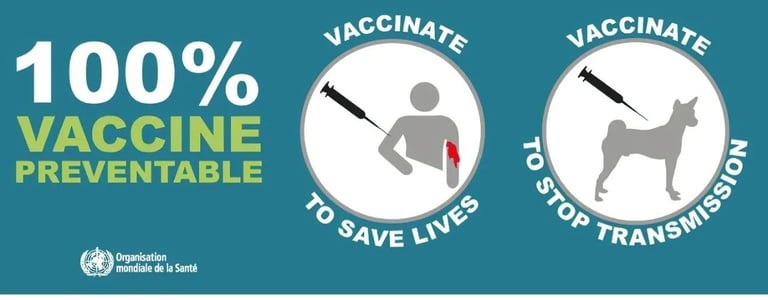
☠️ Rabies: Deadly After Symptoms Begin — But 100% Preventable Rabies has no cure once symptoms start, but early treatment can save lives. Learn how this fatal virus spreads, what to do after a bite, and how to prevent infection. 🧬🐕
NERVOUS SYSTEM FASTING
Dr Hassan Al Warraqi
10/3/2023
☠️ Why Rabies Is Always Deadly But 100% Preventable
☠️ Rabies: Deadly After Symptoms Begin — But 100% Preventable
Rabies has no cure once symptoms start, but early treatment can save lives. Learn how this fatal virus spreads, what to do after a bite, and how to prevent infection. 🧬🐕
Rabies is a viral disease that can be fatal if not treated promptly.
It is caused by a virus that attacks the central nervous system.
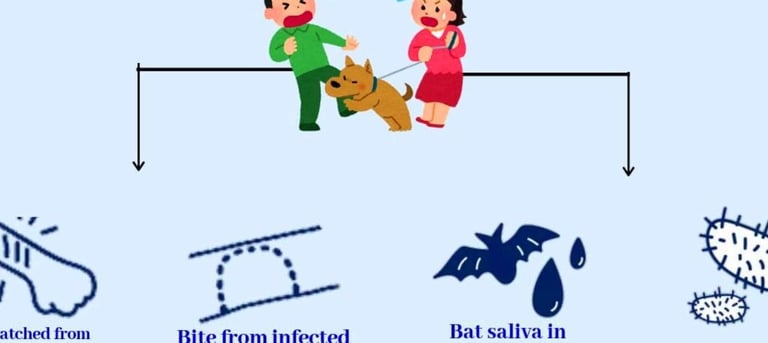
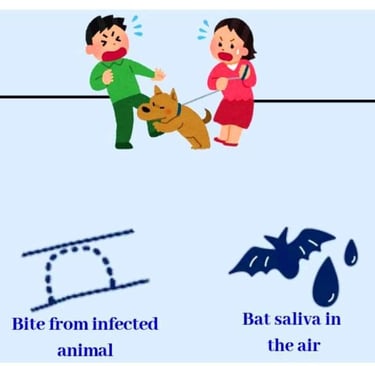
Rabies can be transmitted through the bite of an infected animal, such as a dog, bat, or raccoon.
The symptoms of rabies
can vary depending on the severity of the infection.
In the early stages, symptoms may include fever, headache, fatigue, and muscle aches. As the infection progresses, symptoms may become more severe and include difficulty swallowing, excessive salivation, and hydrophobia (fear of water).
In the final stages of the infection, paralysis and coma can occur.
There is no cure for rabies once symptoms develop.
However, if treatment is started early, it can be possible to prevent the disease from progressing.
If you are bitten by an animal, it is important to follow these steps:
Wash the wound immediately with soap and water.
Seek medical attention immediately.
If you are not sure if the animal is infected with rabies, the doctor may recommend starting rabies treatment.
don't close the open wounds
The best way to prevent rabies is to avoid contact with wild animals. This includes:
Do not feed or touch wild animals.
Keep your distance from wild animals, especially if they are acting strangely.
Supervise children closely around wild animals.
If you find a wild animal that is injured or orphaned, keep away .
These vaccines are recommended for people who are at high risk of exposure to rabies, such as:
Veterinarians
Animal handlers
People who work in areas where rabies is common
People who travel to countries where rabies is common
Here are some additional tips for preventing rabies:
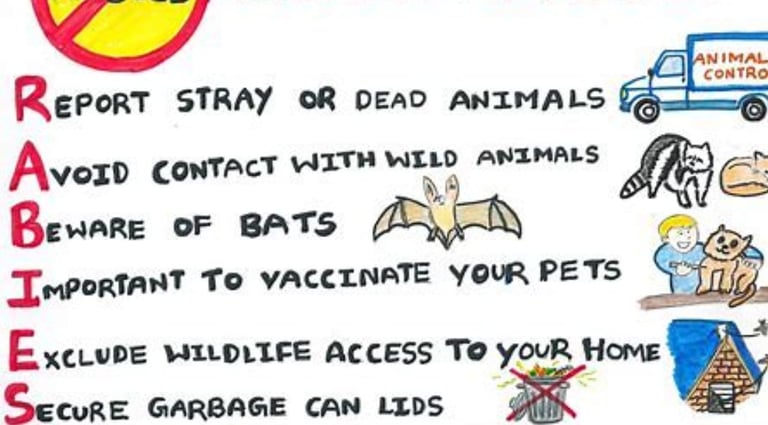
Keep your pets vaccinated against rabies.
Have your pets spayed or neutered.
Do not allow your pets to roam free outside.
Supervise your pets closely when they are around other animals.
By following these tips, you can help to protect yourself and your loved ones from rabies.
Rabies prevention
There are a number of things that can be done to prevent rabies, including:
Vaccinating pets: This is the most important way to prevent rabies in humans. Pets should be vaccinated against rabies according to the recommendations of their veterinarian.
Keeping pets under control: Pets should not be allowed to roam free outside, as this increases the risk of them coming into contact with wild animals that may be infected with rabies.
Supervising children around animals: Children should be supervised closely around all animals, both domestic and wild. This will help to prevent them from being bitten or scratched.
Reporting stray animals: If you see a stray animal, contact your local animal control agency. Stray animals are more likely to be infected with rabies than domesticated animals.
Rabies treatment
If you are bitten by an animal and you are not sure if it is infected with rabies, it is important to seek medical attention immediately.
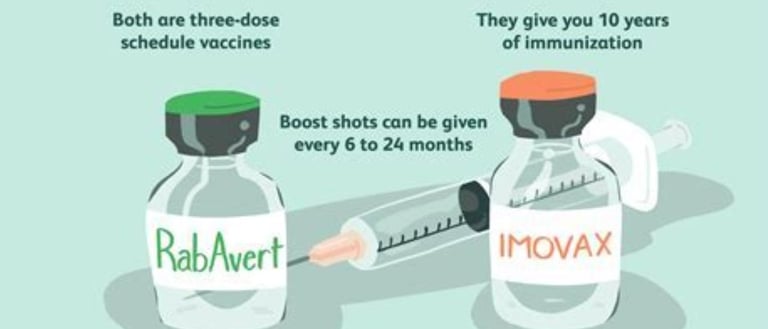
Treatment for rabies infection typically involves a series of injections of rabies immunoglobulin and rabies vaccine.
Rabies immunoglobulin: This is given to provide immediate protection against the virus. It is made from the blood serum of people who have been vaccinated against rabies.
Rabies vaccine: This is given to help the body develop long-term immunity to the virus. It is made from a weakened form of the rabies virus.
The number of injections and the length of time between injections will depend on the severity of the exposure and the patient's age.
If you are bitten by an animal, it is important to follow these steps:
Wash the wound immediately with soap and water.
Seek medical attention immediately.
If you are not sure if the animal is infected with rabies, the doctor may recommend starting rabies treatment.
Rabies is a serious disease, but it is preventable. By following these steps, you can help to protect yourself and your loved ones from rabies.
Additional information about rabies treatment
is most effective if started within 24 hours of exposure to the virus. However, treatment can still be effective if started later, up to 72 hours after exposure.
several health authorities said that latent rabies appear year after exposure .
If you are receiving rabies treatment, it is important to complete the full course of injections, even if you start to feel better.
This will help to ensure that you are fully protected against the virus.
There is no cure for rabies once symptoms develop.
However, early treatment can help to prevent the disease from progressing.
no harm to apply fasting or intermittent fasting.
key words
rabies,central nervous system,bite of infected animals'treatment,prevention,vaccine immunoglobulin,stray animals',symptoms ,started within 24 hours of exposure to the virus,fasting or ,intermittent fasting,
,
Rabies
Rabies is a deadly viral disease that attacks the central nervous system of mammals, including humans.
It is primarily transmitted through the saliva of infected animals, typically via bites, scratches, or contact with open wounds and mucous membranes.
One of the oldest known diseases, rabies has no effective cure once symptoms appear, but it can be prevented through pre- and post-exposure vaccination.
Nature and Cause of the Disease
Rabies is caused by a virus from the Rhabdoviridae family, specifically the Lyssa virus. The virus targets the central nervous system, causing severe brain inflammation.
"Rabies is an infectious viral disease transmitted from infected animals to humans and pets through bites or scratches, leading to brain inflammation and potentially death if untreated."
Transmission Methods
The virus spreads through the saliva of infected animals, with dogs responsible for 99% of human rabies cases globally. Transmission occurs via:
Bites: The most common route.
Scratches or licking wounds: The virus can enter through damaged skin or mucous membranes (mouth, nose).
Other animals: Including cats, bats, foxes, wolves, and mongooses. Human-to-human transmission is extremely rare.
"The virus cannot penetrate intact skin but can enter through wounds or mucous membranes."
"Dogs cause 96% of rabies cases in Southeast Asia."
Incubation Period
The incubation period typically ranges from 2 to 10 weeks but can vary from 4 days to several years, depending on:
The location and severity of the wound.
The amount of virus transmitted. In over 90% of cases, the incubation period is less than a year.
"The incubation period is usually 20-90 days, rarely extending to years."
"It depends on the wound’s location and viral load."
Symptoms
Initial symptoms resemble the flu, including:
Fever, headache, fatigue, nausea, sore throat, dry cough.
These progress to:
Agitation, insomnia, confusion, abnormal behavior.
Hallucinations, hydrophobia (due to painful throat spasms).
Partial paralysis, coma, and death within days of clinical symptoms.
"Hydrophobia prevents swallowing due to throat spasms."
"Symptoms evolve into delirium and paralysis."
Diagnosis
No effective diagnostic tools exist before symptoms appear.
Clinical diagnosis relies on linking symptoms to exposure to an infected animal.
Confirmation occurs post-mortem by detecting the virus or its antigens in tissues.
"Diagnosis is challenging without distinctive symptoms like hydrophobia."
Treatment
Once symptoms appear, rabies is almost always fatal, with no effective treatment.
Supportive care: May prolong life but rarely saves the patient.
Milwaukee Protocol: A rare treatment attempt with limited success.
"Death occurs within 2-10 days of symptoms."
"No specific treatment exists for classic rabies."
Post-Exposure Prophylaxis (PEP)
Post-exposure prophylaxis is critical to prevent rabies progression and includes:
Wound cleaning: Wash with soap and water for 10-15 minutes.
Disinfection: Use an antiseptic like alcohol or iodine.
Vaccination: Administer rabies vaccine and, if needed, human rabies immunoglobulin (HRIG) based on exposure severity.
"Wound cleaning is the most effective first aid."
"PEP is required for bleeding wounds or mucous membrane exposure to saliva."
Pre-Exposure Prophylaxis (PrEP)
Rabies vaccines are recommended for high-risk individuals, such as:
Veterinary lab workers.
Those handling wild animals (bats, foxes).
Travelers to endemic areas (Asia, Africa).
Children in high-risk regions.
"Vaccines are essential for animal handlers and travelers."
Animal Control
Preventive measures include:
Pet vaccination: Regular shots for dogs and cats.
Stray animal control: Reducing exposure to infected animals.
Monitoring biting animals: Observing for 10 days to check for rabies signs.
"Pet vaccination is a key preventive step."
"Supervise pets to avoid contact with wildlife."
Geographic Distribution
Rabies is widespread globally but is more common in:
Asia and Africa: Dogs are the primary vector.
The Americas: Bats and raccoons alongside dogs.
Western Europe and Oceania: Mostly limited to bats.
"Dogs cause 99% of human cases globally."
"Bats account for 98% of U.S. cases."
Historical Significance
Rabies has been feared throughout history due to its violent symptoms.
Louis Pasteur’s 1885 vaccine marked a turning point in its control.
"Rabies was known since 2000 BCE for its aggressive nature."
"Before Pasteur’s vaccine, all cases were fatal."
Challenges in Developing Countries
Inadequate animal vaccination programs.
Poor control of stray animals.
Limited access to post-exposure treatment.
"Stray dogs increase risks in developing nations."
Keys to Success
Education and awareness: Spreading prevention knowledge.
Vaccination: For humans and animals.
Surveillance: Tracking cases and infected animals.
Collaboration: Between health and veterinary sectors.
"Education and vaccination are key to control."
Conclusion
Rabies is a preventable yet deadly viral disease. Rapid intervention, vaccination, and awareness are critical to curbing its spread.
Eliminating rabies requires ongoing collaboration between health, veterinary, and community sectors for effective control.
SEO Keywords
Rabies, rabies virus, rabies vaccine, rabies symptoms, rabies prevention, rabies treatment, rabies transmission, dogs and rabies, hydrophobia, rabies shot, Milwaukee Protocol.
Frequently Asked Questions About Rabies FAQS
1. What is rabies and how is it transmitted to humans?
Rabies is a deadly viral disease that affects the central nervous system of mammals, including humans. It is primarily transmitted through the saliva of infected animals, typically via:
Bites: The most common method.
Scratches or licking wounds: The virus can enter through broken skin or mucous membranes (mouth, nose).
Carrier animals: Dogs cause 99% of human rabies cases globally, especially in Asia and Africa. Other animals like bats, foxes, raccoons, cats, and wolves can also transmit it.
Human-to-human transmission is extremely rare, occurring only in exceptional cases like organ or cornea transplants from an infected person.
"The virus spreads through infected saliva and cannot penetrate intact skin."
"Dogs are responsible for most rabies cases in Asia and Africa."
Keywords: Rabies, rabies virus, rabies transmission, dogs and rabies.
2. What are the symptoms of rabies in humans?
Rabies symptoms begin with flu-like signs, including:
Fever, headache, fatigue.
Nausea, vomiting, sore throat, dry cough.
These progress to a severe neurological phase, including:
Hyperactivity: Agitation, insomnia, confusion, abnormal behavior.
Hydrophobia: Difficulty swallowing due to painful throat spasms.
Aerophobia: Extreme sensitivity to air currents.
Muscle spasms, excessive salivation, sweating, hallucinations.
In the final stage, patients develop paralysis, followed by coma and death, often due to respiratory or cardiac failure.
"Hydrophobia is a hallmark symptom of rabies."
"The disease leads to death within days of neurological symptoms."
Keywords: Rabies symptoms, hydrophobia, rabies in humans, signs of rabies.
3. What should I do immediately after an animal bite?
If bitten or scratched by an animal, take these steps immediately:
Wash the wound: Clean the area with soap and water for 10-15 minutes. If soap is unavailable, use water alone.
Disinfect the wound: Apply a 70% alcohol solution or povidone-iodine if possible.
Seek medical care: Visit a healthcare facility as soon as possible for risk assessment and potential treatment.
Avoid harmful actions: Do not apply irritants (e.g., spices) to the wound or cover it with a bandage before medical evaluation.
"Wound cleaning is the most critical first step."
"Early treatment can be lifesaving."
Keywords: Animal bite, rabies first aid, wound cleaning, rabies prevention.
4. When is rabies vaccination necessary after a bite?
Post-exposure prophylaxis (PEP) is necessary in the following cases:
Bleeding bite or scratch: From an animal confirmed or suspected to have rabies (dogs, cats, bats, foxes).
Saliva contact: If an animal’s saliva reaches open wounds or mucous membranes.
Animal behavior: If the animal acts abnormally, disappears, is killed, or tests positive for rabies.
Even vaccinated animals: Treatment may be needed if the animal’s vaccination status is uncertain.
PEP must begin promptly to be effective.
"PEP is essential for suspected rabies exposure."
"Delay can reduce survival chances."
Keywords: Rabies vaccine, post-exposure treatment, rabies PEP, rabies shot.
5. Is there a treatment for rabies after symptoms appear?
Unfortunately, rabies is nearly 100% fatal once neurological symptoms appear, with no effective treatment at this stage.
Rare survival cases (e.g., using the Milwaukee Protocol) involved patients who had prior vaccination or exceptional intensive care.
The primary goal is prevention through:
Rapid intervention after exposure.
Administering vaccines and human rabies immunoglobulin (HRIG) before symptoms develop.
"No specific treatment exists after symptoms."
"Prevention is the only solution."
Keywords: Rabies treatment, rabies after symptoms, Milwaukee Protocol.
6. What are the most important ways to prevent rabies?
Rabies prevention relies on multiple strategies:
Pet vaccination: Regularly vaccinate dogs, cats, and other pets, keeping records.
Pet supervision: Prevent pets from contacting wild animals.
Stray animal control: Report stray dogs or cats to local authorities.
Avoid wild animals: Especially bats, foxes, and raccoons.
Pre-exposure prophylaxis (PrEP): For high-risk groups like veterinarians, animal handlers, or travelers to endemic areas.
Post-exposure actions: Immediately wash wounds and seek PEP if needed.
"Pet vaccination reduces disease spread."
"Avoiding bats protects against infection."
Keywords: Rabies prevention, pet vaccination, rabies control, rabies precautions.
7. What is the role of vaccination in controlling rabies?
Vaccination is critical for rabies prevention and control:
Animal vaccination: Reduces infection in dogs and cats, limiting human transmission.
Human pre-exposure vaccination (PrEP): Protects high-risk individuals like veterinary workers.
Post-exposure vaccination (PEP): Highly effective if started early, preventing disease progression.
Comprehensive animal vaccination programs, combined with accessible human vaccines and immunoglobulin, have significantly reduced rabies cases in many countries.
"Widespread vaccination has eliminated rabies in some regions."
"Human vaccines are effective if given early."
Keywords: Rabies vaccination, rabies shot, rabies control.
8. What are the recent advancements in rabies vaccines and treatments?
Rabies vaccines have seen significant progress:
Tissue culture vaccines: Safe, highly effective, and provide long-lasting immunity.
Freeze-dried vaccines: Extended shelf life, available in single-dose vials.
Intradermal vaccination: A cost-effective, safe method endorsed by the World Health Organization.
In treatment:
Monoclonal antibodies: Being developed to supplement human rabies immunoglobulin (HRIG) supplies.
Milwaukee Protocol: Involves induced coma and intensive care but has low success rates and requires further research.
Ongoing research aims to improve treatments and ensure vaccine availability in developing regions.
"Modern vaccines are safer and more effective."
"The Milwaukee Protocol remains experimental."
Keywords: Rabies vaccine advancements, rabies treatment, Milwaukee Protocol, rabies antibodies.
Conclusion
Rabies is a fatal but preventable disease. Vaccination, prompt wound care, and awareness are key to eliminating its threat.
Advances in vaccines and global control programs bring us closer to eradicating rabies.
Additional Keywords: Rabies virus, rabies cure, rabies signs, rabies animals, preventive vaccination.
🧠 Rabies: Always Deadly, No Cure After Symptoms Begin
📢 Important Facts:
Rabies kills 59,000+ people every year, mostly in Asia and Africa
Children are at highest risk, especially in rural areas
Even a scratch or lick near broken skin can transmit the virus
Once symptomatic: NO cure, NO recovery
🧠🍯 Between the Milwaukee Coma and the protocol of Fasting : Two Paths in the Battle Against Rabies
☠️ The Dilemma of Rabies: A Deadly Virus That Defies Medicine
Rabies remains one of the most feared viral diseases in human history. Once symptoms appear, it is almost universally fatal. Modern medicine has tried to fight it with technology and sedation — while ancient wisdom turns to fasting, purification, and honey for prevention and balance.
Two philosophies stand in contrast:
The Milwaukee Protocol, where the brain is put into a coma to survive.
The Fasting of Healing, where the body is guided into harmony to resist.
🧬 The Milwaukee Protocol: Sleeping to Survive
In 2004, doctors in Milwaukee attempted a daring experiment.
A young girl with symptomatic rabies was placed in a medically induced coma, given antiviral drugs, and supported by machines until her immune system could build antibodies.
The logic was bold:
“If the virus kills by overstimulating the brain, let’s silence the brain until the immune system catches up.”
This became known as the Milwaukee Protocol — a combination of deep sedation, antivirals, and intensive care support.
🩺 Results
While the first patient survived, most others did not.
Out of dozens of cases worldwide, less than 5% recovered.
The treatment is now largely viewed as experimental, and not recommended by the WHO.
⚠️ Biological Limitation
Rabies hides inside neurons, beyond the reach of antibodies and drugs.
Even the most advanced machines cannot remove it once it reaches the brain.
The protocol tries to preserve life — but often only delays the inevitable.
🌙 The Fasting of Healing: Awakening the Body’s Defenses
In contrast, Dr. Hassan Al-Warraqi and other natural medicine thinkers view rabies not as a battle to suppress life, but to restore balance before the virus dominates.
Their protocol approach draws from the physiology of fasting and the purification power of honey — two forces that support natural immunity and cleanse infected tissues.
🍯 Honey and the Wound
Applying raw or Manuka honey immediately after a dog bite helps:
Clean the wound and inhibit microbial growth.
Dehydrate and sterilize the area naturally.
Block viral migration into nerves through osmotic action and enzyme activity.
🌙 Fasting and the Inner Terrain
Fasting creates a controlled metabolic slowdown without drugs:
Reduces glucose and energy availability for viral replication.
Triggers autophagy, allowing the body to recycle infected or damaged cells.
Enhances immune coordination, especially in lymphocytes and macrophages.
In short, while the Milwaukee Protocol silences the brain with medication, fasting calms the body naturally, aligning metabolism, hormones, and immunity to resist infection.
⚖️ Two Philosophies, One Goal
AspectMilwaukee Protocol Fasting of HealingGoalPreserve life until antibodies formPurify body to prevent infection spreadMethodArtificial coma + antiviralsNatural fasting + honey therapyApproachSuppress brain activityActivate inner healingEnvironment
Intensive care unitHome and spiritual settingFocusTechnology and controlNature and surrenderOutcomeRare survival after symptomsPrevention and recovery before onset
🩸 The Meeting Point : Prevention Is Everything : what is case if prevention dosent happen and we are confronted with full disease picture .
Despite their differences, both paths reveal a single truth:
Once rabies reaches the brain, medicine and nature both stand powerless.
The real battle must be fought immediately after exposure — through:
Wound cleansing with soap or honey,
Prompt vaccination,
Mindful fasting to support immune strength.
Rabies teaches a profound lesson:
Human survival depends not only on scientific progress but on respecting the body’s natural limits.
🌿 Conclusion
The Milwaukee Coma represents humanity’s struggle to rescue life after losing balance.
The Procol Fasting of Healing represents a return to the body’s original wisdom — where moderation, purity, and divine design guide recovery.
One silences the mind to wait for immunity.
The other awakens the soul to build it.
Both paths, in their own way, testify to the same truth:
Healing begins not in machines or medicines — but in the harmony between body, nature, and Creator.
the author recommeds
the author strongly support fasting during the day , continuation of iv fluids , treatment of unsutured wounds with hony , oral feeding and hydration after iftar , sedation my apply , continue obervation . aalh who cure .
===============================================================================================================================================================================
Author Bio for Dr. Hassan Alwarraqi (h-k-e-m.com)
Dr. Hassan Alwarraqi
Infectious Disease Specialist & Public Health Advocate
"With over [X] years of research in zoonotic diseases, Dr. Hassan Alwarraqi is a leading voice in rabies prevention at h-k-e-m.com. His work bridges virology and global health, focusing on:
Vaccination campaigns: Advocating for mass dog immunization and PEP accessibility in endemic regions.
Public education: Raising awareness about bite prevention and emergency response.
Policy development: Collaborating with WHO and local governments to implement rabies elimination strategies 1.
Dr. Alwarraqi’s expertise has been cited in [mention notable publications or initiatives], and his fieldwork in has contributed to a reduction in local rabies cases."
Key Elements of the Bio:
Credibility: Highlights experience, collaborations (e.g., WHO), and measurable impact.
Alignment with h-k-e-m.com’s content: Focuses on prevention, education, and global health.
Call to action: Encourages readers to explore his articles or resources on the site.
For the exact bio, visit h-k-e-m.com’s author page
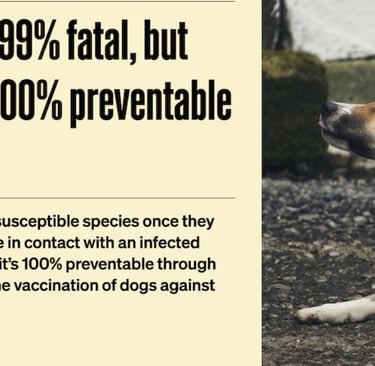
☠️ Why Rabies Is Always Deadly But 100% Preventable
https://www.h-k-e-m.com/-why-rabies-is-always-deadly-but-100percent-preventable
☠️ Why Rabies Is Always Deadly But 100% Preventable
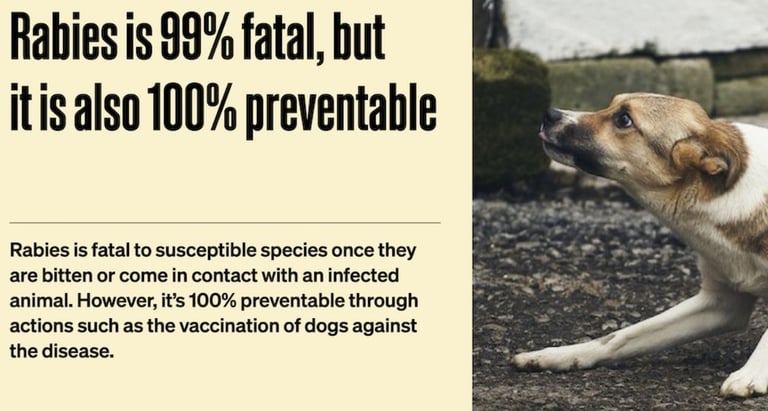
Rabies presents one of medicine's most striking paradoxes: a disease that is virtually 100% fatal once symptoms appear, yet entirely preventable with timely intervention. Understanding this duality requires examining how the virus operates and why modern medicine can stop it so effectively.
🧬 Why Rabies Is Almost Invariably Fatal
The Virus's Journey to the Brain
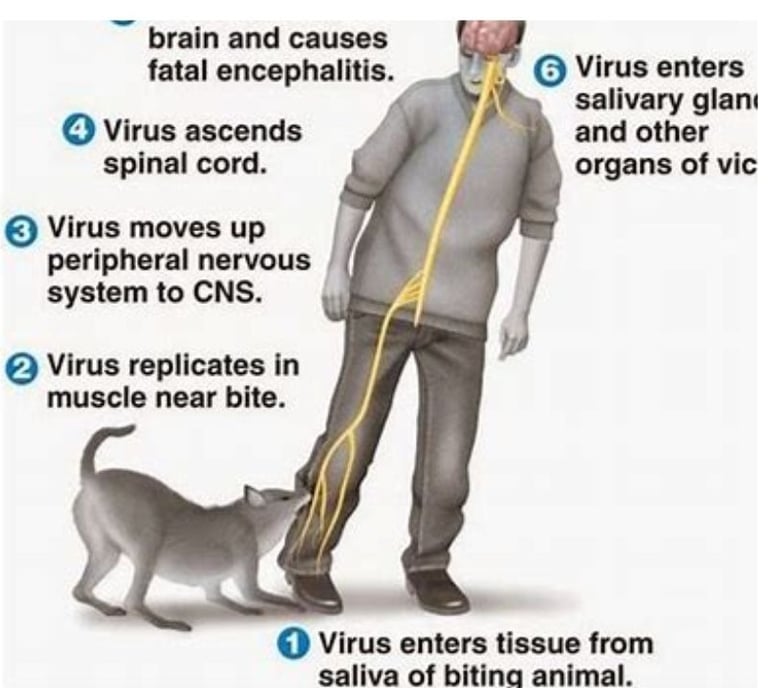
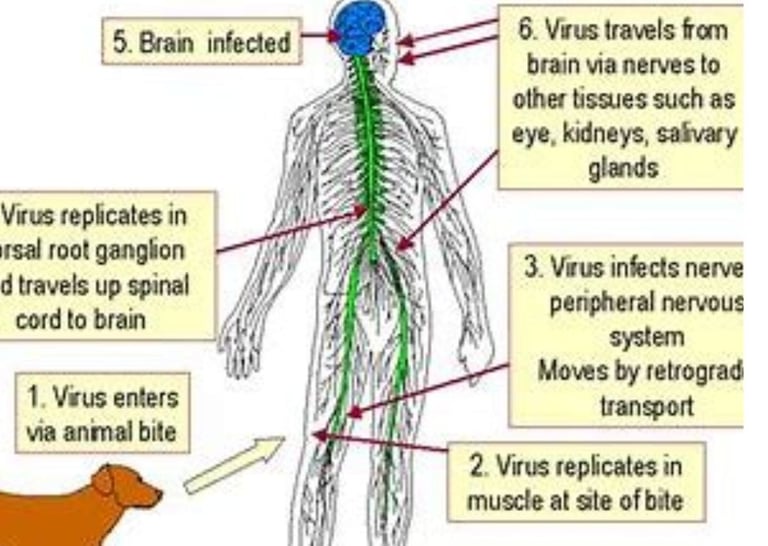
The rabies virus belongs to the genus Lyssavirus and is transmitted through the saliva of infected animals, typically via bites.
What makes rabies uniquely dangerous is its path through the body.
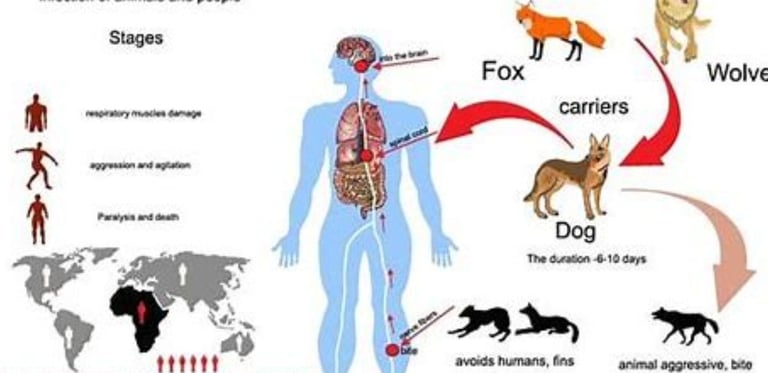
From the wound, the virus travels along peripheral nerves toward the spinal cord and ultimately the brain.
This journey typically takes 10 to 50 days, depending on the bite's location, but once the virus reaches the central nervous system, the disease becomes almost invariably fatal.
The speed of this journey depends heavily on where the bite occurs.
A bite on the face or head gives the virus a much shorter distance to travel, often resulting in a shorter incubation period and faster onset of symptoms.
Conversely, a bite on the extremity may take longer to reach the brain, which is precisely why timely post-exposure prophylaxis is so critical.
The Immune System's Blind Spot
The virus has evolved sophisticated mechanisms to evade immune detection.
Pathogenic strains of rabies virus antagonize interferon induction, preventing downstream signal activation that would otherwise trigger antiviral proteins and inflammatory cytokines to eliminate the virus.
This is a critical distinction: while laboratory-attenuated strains trigger an immune response, wild-type strains effectively bypass it.
Additionally, the virus maintains blood-brain barrier integrity during infection, shielding itself from immune clearance once it reaches the central nervous system.
Even in previously immunized individuals, clearance of wild-type virus from the brain is challenging without specialized immune effector delivery across this barrier.
The blood-brain barrier, which normally protects the brain from harmful substances, unfortunately also protects the virus from the body's immune defenses.
Pathological Mechanisms
The virus's pathogenicity involves complex modulation of immune and brain functions associated with metabolic, synaptic, and neuronal impairments.
Notably, this occurs without significant histopathological lesions visible in the central nervous system, making the disease's mechanism particularly insidious.
The brain tissue often appears relatively normal under a microscope, yet the neurological damage is catastrophic.
Key evasion strategies include:
Delayed apoptosis in neural cells allows the virus to spread further before immune exposure. By keeping infected cells alive longer, the virus buys itself more time to replicate and spread to neighboring neurons.
Incomplete autophagy during pathogenic infection fails to destroy viruses and may even help them evade antigen-presenting cells.
Autophagy, the cell's recycling process, normally helps eliminate pathogens, but the rabies virus subverts this mechanism.
Mitochondrial dysfunction induced by viral proteins and nitric oxide production leads to reactive oxygen species and neuronal degeneration.
This energy crisis ultimately causes the death of neurons, leading to the devastating neurological symptoms characteristic of the disease.
The result is a mortality rate approaching 100% once clinical symptoms appear. Fewer than ten documented survivors exist in medical history, and most of those experienced long-term severe neurological deficits.
The Clinical Progression
Once symptoms develop, the disease progresses through distinct stages. The initial prodromal phase features non-specific symptoms like fever, headache, and malaise
This is followed by the acute neurological phase, characterized by agitation, confusion, and the classic hydrophobia (fear of water) and aerophobia (fear of drafts), caused by painful throat spasms when attempting to swallow.
Finally, the paralytic phase leads to coma and death, typically within days to weeks. Once this cascade begins, no effective treatment exists.
🛡️ Why Rabies Is 100% Preventable
The Window of Opportunity
The virus's slow journey to the brain creates a critical window for intervention. Before reaching the central nervous system, the virus can be stopped.
Post-exposure prophylaxis (PEP) is highly effective when administered promptly.
The key to prevention is timing: PEP must be given before the virus establishes infection in the brain.
This window typically lasts from days to months, depending on the bite location, the amount of virus introduced, and the individual's immune status.
This explains why immediate wound cleaning and prompt medical attention are crucial.
Simply washing the wound thoroughly with soap and water for at least 15 minutes can significantly reduce the viral load at the entry site.
The Two-Pronged Approach
PEP combines two elements that work together to provide comprehensive protection:
1. Passive Immunization (Rabies Immunoglobulin)
Immediate protection is provided by injecting rabies antibodies directly into and around the wound.
This neutralizes the virus at the entry site before it can reach nerves.
The immunoglobulin works immediately, providing temporary protection until the body can mount its own immune response.
Several monoclonal antibody products now exist as alternatives to human or equine immunoglobulin, offering advantages in safety and availability.
These newer products eliminate concerns about allergic reactions and blood-borne pathogens associated with blood-derived products. In a large phase 4 trial involving over 4,000 patients with category 3 rabies exposure, no patient developed rabies during the 1-year follow-up period, demonstrating the remarkable efficacy of this approach.
2. Active Immunization (Vaccine)
The rabies vaccine stimulates the body to produce its own antibodies. Four doses are typically given over 14 days: on days 0, 3, 7, and 14.
This schedule ensures a robust and lasting immune response. People with weakened immune systems may receive an additional dose on day 28 to ensure adequate protection.
For individuals who have been previously vaccinated, the risk is significantly reduced, and only two vaccine doses are needed, given immediately and on day 3, without immunoglobulin.
This is because the immune system retains memory of the virus and can mount a rapid response with a simple booster.
The vaccine uses inactivated rabies virus, making it safe for all age groups, including pregnant women and children.
Millions of doses are administered annually with an excellent safety profile.
The Importance of Wound Care
Proper wound care is often overlooked but represents the first line of defense. Immediate and thorough washing of the wound with soap and water for at least 15 minutes can reduce the viral load and the risk of infection.
This simple measure, accessible to anyone regardless of healthcare access, can be lifesaving.
Additional wound treatment includes the application of antiseptics such as povidone-iodine or alcohol, which further reduce viral particles at the site of entry.
These measures, combined with prompt medical attention, form the foundation of successful prevention.
Why Prevention Sometimes Fails
Despite the effectiveness of PEP, an estimated 59,000 people die from rabies annually, primarily in Africa and Asia.
The reasons are not biological but logistical and systemic.
The tragedy is that these deaths are entirely avoidable.
Cost and access remain major barriers.
The vaccine remains too expensive for routine coverage in many regions, and multiple trips to clinics pose financial burdens on already struggling families.
A full course of PEP can cost more than a month's wages in many endemic countries.
Low utilization of immunoglobulin is another significant problem.
In China, for example, the utilization rate of passive immunization agents among exposed populations remains only about 15%.
Many clinics simply do not stock immunoglobulin, or patients cannot afford it, leaving them only partially protected.
Underestimation of prevalence contributes to the problem. Rabies is often classified as a neglected tropical disease and receives less attention and funding than other infectious diseases.
Many governments prioritize other health issues, leaving rabies prevention underfunded.
Lack of dog vaccination is perhaps the most critical failure. Dogs are responsible for over 99% of human rabies cases in endemic areas.
Vaccinating 60 to 70% of the dog population would effectively control spread, as this creates herd immunity and breaks the transmission cycle.
However, sustained vaccination programs are lacking in many countries, and stray dog populations remain largely unvaccinated.
Additional barriers include limited awareness of the need for PEP, geographical distance from treatment centers, and cultural beliefs that may discourage seeking medical care.
Combined, these factors turn a preventable disease into a persistent killer.
🔑 The Bottom Line
Rabies is not a medical mystery—it is a disease of biology and access.
The virus is deadly because it has evolved to evade immune detection and hide behind the blood-brain barrier.
It is preventable because the long incubation period gives modern medicine time to intervene.
The tragedy is that millions remain at risk not because we lack the tools, but because we have not deployed them universally.
The path to zero deaths lies not in new science, but in political will, public education, and expanded access to proven interventions.
Vaccinating dogs, making PEP affordable and accessible, and raising awareness about the importance of prompt medical attention after animal bites can eliminate this ancient scourge.
If you are bitten by a dog or wild animal, seek medical attention immediately. Do not wait for symptoms. Clean the wound thoroughly.
If a dog is known and can be monitored, still consult a healthcare professional.
When it comes to rabies, waiting is gambling with your life — and the odds are heavily stacked against you.
As one medical review succinctly states:
"Rabies is entirely preventable through proper vaccination."
This is not a claim of future possibility but a statement of present reality.
Every death from rabies is a failure of systems, not a failure of science.
Keywords: rabies, post-exposure prophylaxis, PEP, rabies vaccine, rabies immunoglobulin, lyssavirus, zoonotic diseases, prevention
Hashtags: #RabiesAwareness #PreventRabies #ZoonoticDiseases #VaccineWorks #PublicHealth #OneHealth #RabiesPrevention
===========================================================================================================================================================================================================================
🌙 Kidney Disease & Fasting: Is It Safe or Risky?
The relationship between kidney disease and fasting is complex. The short answer is: it depends entirely on your individual health status, the stage of your kidney disease, and how carefully you prepare and monitor yourself. Fasting is not a one-size-fits-all recommendation for people with Chronic Kidney Disease (CKD) .
📊 The Risk Spectrum: It's Not a Simple "Yes" or "No"
Recent guidelines and expert consensus, including the RaK (Ramadan and Kidney) Initiative, emphasize that patients fall into risk categories that guide the safety of fasting .
🟢 Patients Who May Be Able to Fast Safely (With Close Monitoring)
Stable CKD Stages 1-3: Those with stable kidney function, no recent complications, and well-controlled blood pressure and electrolytes may be able to fast safely with careful preparation and medical supervision .
Stable Kidney Transplant Recipients: Those with good graft function for more than one year post-transplant may fast, provided they are closely monitored by their transplant team .
🔴 Patients Who Should Avoid Fasting (High to Very High Risk)
CKD Stages 4-5: Fasting is generally not recommended for patients with advanced CKD (eGFR below 30 mL/min) due to the high risk of dehydration and further kidney function decline .
Unstable Kidney Function: Patients with acute kidney injury, rapidly declining eGFR, or frequent fluid overload episodes are strongly advised not to fast .
Dialysis Patients: Patients on hemodialysis or peritoneal dialysis are considered very high risk and are generally advised against fasting due to strict fluid and dietary restrictions. However, some stable patients may choose to fast on non-dialysis days with careful oversight .
Co-existing Health Conditions: The presence of poorly controlled diabetes, uncontrolled hypertension, or significant cardiovascular disease dramatically increases the risk of fasting and is generally a contraindication .
⚠️ What Are the Main Risks?
For those with kidney disease, fasting poses several specific risks:
Dehydration and Acute Kidney Injury (AKI): Abstaining from fluids for 12-16 hours can lead to dehydration, which can reduce blood flow to the kidneys and precipitate an AKI . Studies have shown that the incidence of AKI increases with CKD severity .
Electrolyte Imbalances: Fasting can lead to dangerous shifts in potassium, phosphorus, and sodium levels, especially in those with advanced CKD or on dialysis .
Medication Interactions: The timing and dosage of medications, particularly diuretics and diabetes medications, often need to be adjusted to prevent dehydration, hypotension, or hypoglycemia .
Nutritional Concerns and Sarcopenia: Fasting, especially if combined with restrictive diets, can exacerbate the risk of malnutrition and muscle loss (sarcopenia) common in CKD patients .
🧪 What Does the Latest Research Show?
Recent studies are beginning to provide more nuanced data.
A 2025 study on patients with stable CKD (stages 2-5) found that Ramadan fasting did not worsen renal function. In fact, researchers observed significant improvements in blood pressure and creatinine levels after fasting, though most participants had stage 3-4 CKD .
Another 2025 study focused on CKD patients taking SGLT2 inhibitors. It found that fasting did not increase the risk of acute kidney injury, but it did confirm that older age and lower baseline eGFR were significant predictors of developing AKI during the fast .
Research on dialysis patients is limited, but a 2025 study on maintenance hemodialysis patients suggested that intermittent fasting did not negatively affect heart rate variability, a measure of cardiac autonomic function, which is a positive finding .
🩺 Essential Steps for Safe Fasting
If you have CKD and are considering fasting, a structured, medical approach is non-negotiable.
1. Before Fasting
Consult Your Nephrologist: Schedule an appointment 4-6 weeks before you plan to fast .
Get a Risk Assessment: Your doctor will review your medical history, current eGFR, blood pressure, and medications to determine your risk category .
Medication Adjustment: Work with your doctor to adjust the timing and dosage of your medications. For example, diuretics are often moved to the evening meal (iftar) to prevent fluid loss during the day .
Dietary Counseling: Consult a renal dietitian to plan balanced meals that meet your kidney-friendly dietary restrictions (sodium, potassium, phosphorus) within the shortened eating window .
2. During Fasting
Monitor for Danger Signs: Watch for symptoms like dizziness, headache, dark urine (signs of dehydration), or significant weight gain (signs of fluid retention). Break your fast immediately if you feel unwell .
Stay Hydrated (During Non-Fasting Hours): Drink adequate fluids between breaking your fast (iftar) and the pre-dawn meal (suhoor). For most CKD patients, this is around 1.5 to 2 liters, but follow your nephrologist's specific guidance .
Manage Your Diet: Prioritize a balanced, kidney-friendly diet. Limit high-potassium foods like dates (limit to 1-2) and bananas . Avoid excessive fried foods and foods high in salt, which can affect blood pressure and fluid balance.
Monitor Your Health: Follow your doctor's advice on checking your blood pressure, weight, and blood sugar levels (if diabetic). Be prepared for a follow-up blood test mid-fast to check your kidney function and electrolytes .
💎 The Bottom Line
Fasting with kidney disease is not inherently safe or unsafe. It is a deeply personal decision that requires careful medical evaluation. For patients with early-stage, stable CKD, fasting can be safe with proper planning and monitoring. However, for those with advanced CKD, additional health complications, or on dialysis, the risks of fasting are significant and generally outweigh the
https://www.h-k-e-m.com/-kidney-disease-and-fasting-is-it-safe-or-risky
#KidneyDisease #Fasting #RenalHealth #IntermittentFasting #CKDAwareness #FastingAndHealth #FastingSafety #NaturalHealing #IslamicFasting #HKEM
========================================================================================================================================================================================












Get in touch
Address
Cairo Al Rehab
Contacts
+20 109 405 2056
hassanalwarraqi@h-k-e-m.com