
Health is a crown on the heads of the healthy that only the sick can see.



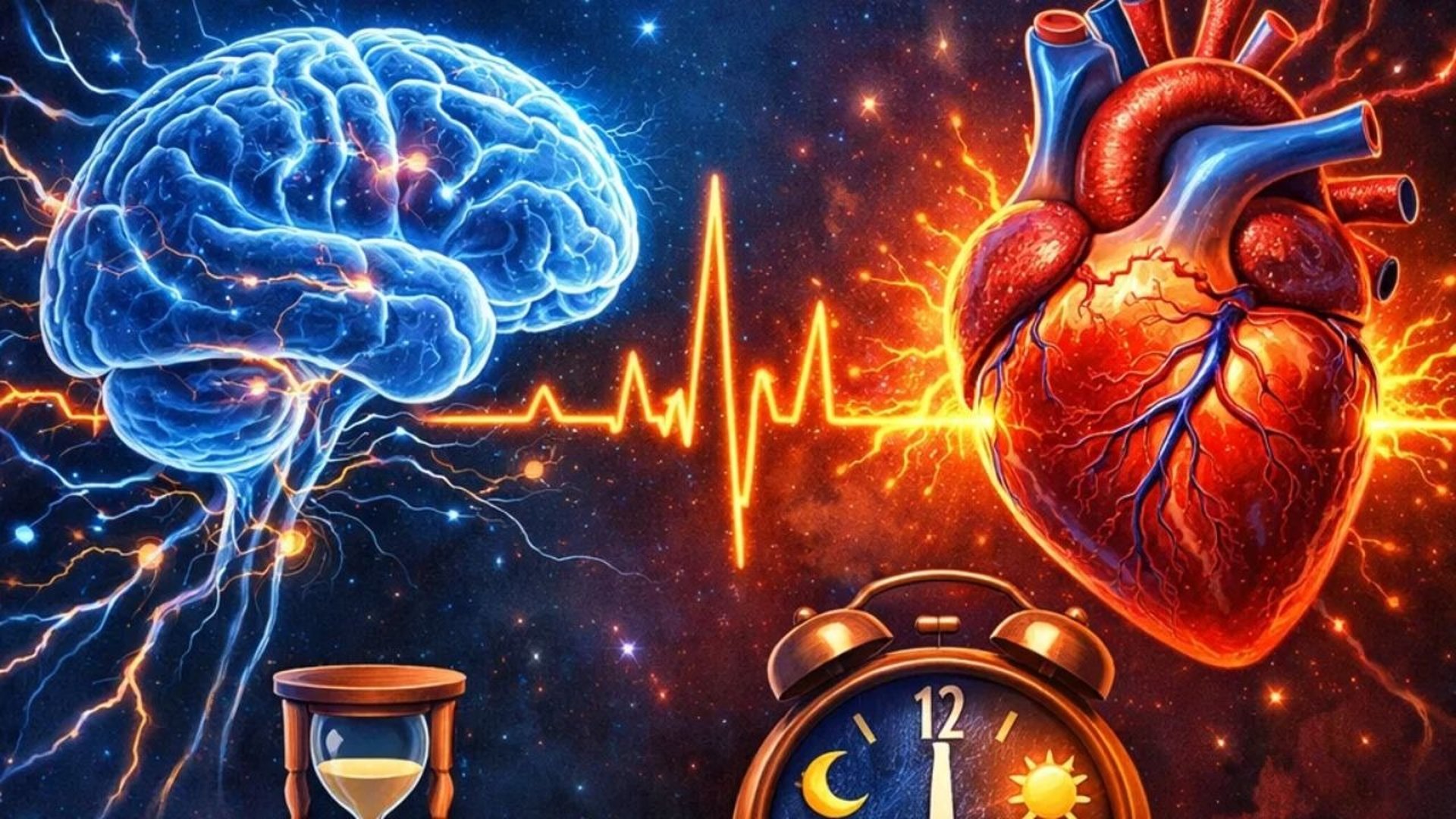
❤️🧠 The Heart-Brain Axis infography & the Power of Fasting
neurocardiology heart-brain axis fasting
FASTINGNEUROCARDIOLOGY
Dr Hassan Al Warraqi
3/1/20264 min read
❤️🧠The Heart-Brain Axis infography
& the Power of Fasting
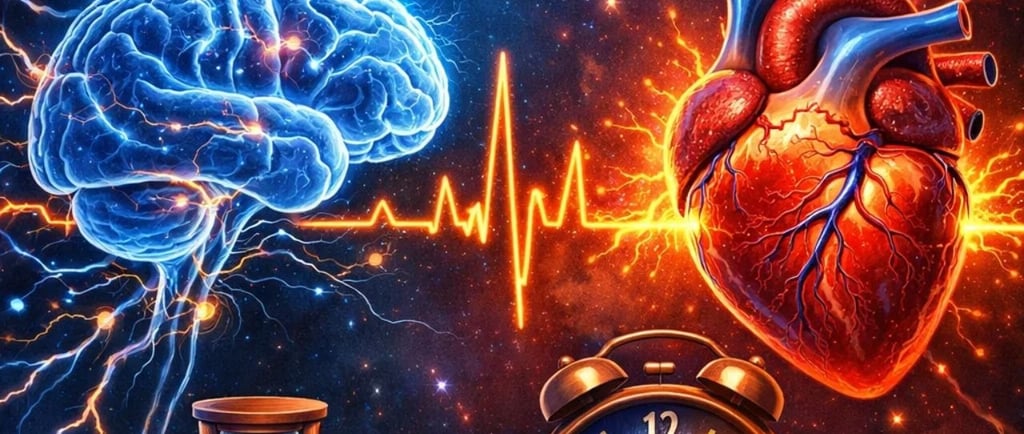
❤️🧠 The Heart-Brain Axis & The Power of Fasting: An Infographic Guide
The Heart-Brain Axis is the continuous, bidirectional communication network linking your cardiovascular system and your central nervous system.
They do not operate in isolation; they constantly "talk" to each other through nerves, hormones, and metabolic signals.
When this axis is optimized, it promotes resilience, sharp cognition, and cardiovascular longevity.
Short-term fasting is one of the most powerful, evidence-based tools to upgrade this connection.
Here is your visual, easy-to-digest guide to how they work together.
🔗 1. The Wiring: How the Heart and Brain Communicate
The heart and brain are in constant dialogue through three primary pathways:
🧵 The Vagus Nerve (The Superhighway): This is the main nerve of the parasympathetic nervous system ("rest and digest").
It sends signals from the brain to slow the heart rate, and sends signals from the
heart back to the brain to regulate emotional calmness and stress response.
📊 Heart Rate Variability (HRV): This is the gold-standard metric of the heart-brain axis.
High HRV means your heart can quickly adapt to stress and recover, indicating strong vagal tone and a resilient brain.
Low HRV is linked to chronic stress, hypertension, and cognitive decline.
🧪 Hormonal & Chemical Messengers:
The Heart releases Atrial Natriuretic Peptide (ANP), which crosses the blood-brain barrier to reduce stress and lower blood pressure.
The Brain releases cortisol and adrenaline during stress, which can increase heart rate and blood vessel constriction if chronically elevated.
⚡ 2. The Power of Fasting: Upgrading the Axis
Short-term fasting (typically 16–72 hours) acts as a "system reset" for the heart-brain axis, triggering profound protective mechanisms in both organs simultaneously.
🧠 Neuroprotective Benefits (The Brain)
BDNF Boost: Fasting significantly increases Brain-Derived Neurotrophic Factor (BDNF), a protein that acts like "fertilizer" for the brain, promoting the growth of new neurons and protecting against cognitive decline and stroke recovery.
Enhanced Autophagy: Fasting triggers cellular cleanup in the brain, clearing out misfolded proteins and damaged cellular components that contribute to neurodegeneration.
Mood & Clarity: By stabilizing blood sugar and reducing neuroinflammation, fasting often leads to improved mental clarity, focus, and emotional regulation.
❤️ Cardioprotective Benefits (The Heart)
Improved Vagal Tone: Fasting shifts the autonomic nervous system away from sympathetic dominance ("fight or flight") toward parasympathetic dominance, directly improving Heart Rate Variability (HRV).
Endothelial Function: Fasting enhances the health of the endothelium (the inner lining of blood vessels), improving their ability to dilate, which helps manage hypertension and supports healthy blood flow to the brain.
Metabolic Optimization: Fasting lowers resting heart rate, reduces systemic inflammation, and improves lipid profiles (managing hypercholesterolemia), reducing the overall strain on the cardiovascular system.
🔋 3. The Shared Super-Fuel: Ketones
One of the most profound ways fasting heals the heart-brain axis is by changing the body's primary fuel source from glucose to ketones (specifically beta-hydroxybutyrate, or BHB).
Cleaner Energy: Ketones produce significantly fewer reactive oxygen species (free radicals) than glucose when metabolized, reducing oxidative stress in both heart muscle and brain tissue.
Brain Fuel: The brain readily uses ketones, which can cross the blood-brain barrier efficiently, providing a stable, high-octane fuel source that improves cognitive endurance without the "crashes" associated with blood sugar spikes.
Heart Efficiency: The heart is a highly metabolic organ that actually prefers ketones over glucose for energy, especially under stress.
Ketones improve the heart's pumping efficiency and oxygen utilization.
🔄 4. The Gut-Heart-Brain Connection
Fasting doesn't just affect the heart and brain directly; it also resets the gut microbiome, which is the hidden third player in this axis.
A fasting period gives the gut lining time to repair, reducing systemic inflammation ("leaky gut").
It promotes the growth of beneficial bacteria that produce Short-Chain Fatty Acids (SCFAs) like butyrate.
SCFAs travel through the bloodstream and vagus nerve, directly signaling the brain to reduce inflammation and the heart to maintain healthy blood pressure.
✅ 5. Actionable Takeaways for Axis Optimization
To safely harness the power of fasting for heart and brain health, consider these evidence-based practices:
Start with Time-Restricted Eating (TRE): A daily 14 to 16-hour fasting window (e.g., eating between 10 AM and 6 PM) is highly effective for maintaining high HRV and stable metabolic health without extreme stress.
Hydrate with Electrolytes: The heart and brain rely on sodium, potassium, and magnesium for electrical signaling. During a fast, replenish these minerals to prevent dizziness, palpitations, or brain fog.
Break the Fast Gently: Avoid massive, high-sugar, or highly processed meals when breaking a fast.
A sudden glucose spike can cause oxidative stress and blunt the cardiovascular benefits.
Opt for lean proteins, healthy fats, and fiber-rich vegetables.
Pair Fasting with Breathwork: Deep, slow diaphragmatic breathing stimulates the vagus nerve.
Combining this with a fasting state multiplies the benefits for HRV and stress resilience.
Monitor and Personalize: For individuals managing conditions like hypertension, diabetes, or a history of cardiovascular events, fasting is a powerful tool, but it should be done under medical supervision to safely adjust medications (like blood pressure or glucose-lowering drugs) as the body's needs change.
💡 The Bottom Line
The heart and brain are a unified team. Fasting is not just about weight loss; it is a profound metabolic therapy that strengthens the vagus nerve, fuels both organs with clean ketones, reduces inflammation, and builds long-term resilience against cardiovascular and neurological decline.
Focus Keyword
neurocardiology heart-brain axis fasting
Secondary Keywords
intrinsic cardiac nervous system, ICNS fasting, intermittent fasting heart health, heart rate variability, autonomic nervous system heart, atrial fibrillation fasting, vagal tone, Ganglionated Plexi, cardiac arrhythmia lifestyle, fasting and heart health
Meta Description
Explore how neurocardiology, the heart-brain axis, and the intrinsic cardiac nervous system (ICNS) regulate cardiac health — and how fasting restores autonomic balance, reduces arrhythmia risk, and protects the heart's 'little brain'.
URL Slug
neurocardiology-heart-brain-axis-fasting

Get in touch
Address
Cairo Al Rehab
Contacts
+20 109 405 2056
hassanalwarraqi@h-k-e-m.com