
Health is a crown on the heads of the healthy that only the sick can see.



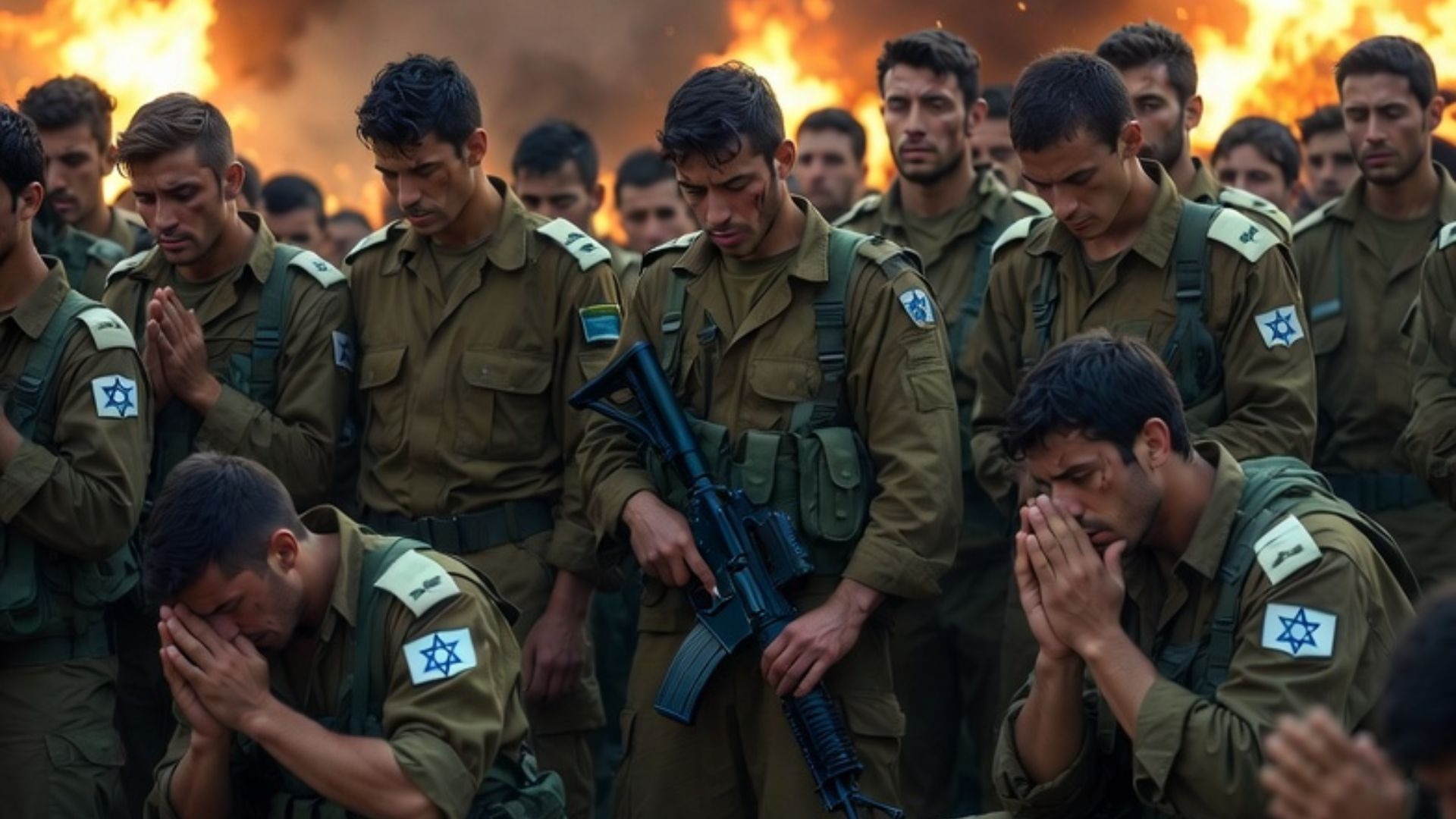
⭐🔥 💣🕯️ Silent Casualties: Israeli Soldiers Battling Conscription, Trauma & the Edge of Suicide
A deep investigative look into the hidden psychological toll on Israeli soldiers—forced conscription, extreme battlefield pressure, untreated PTSD, and the rising wave of suicides within the IDF. A revealing report on the silent casualties of war.
GENERAL
Dr Hassan Al Warraqi
12/1/20257 min read
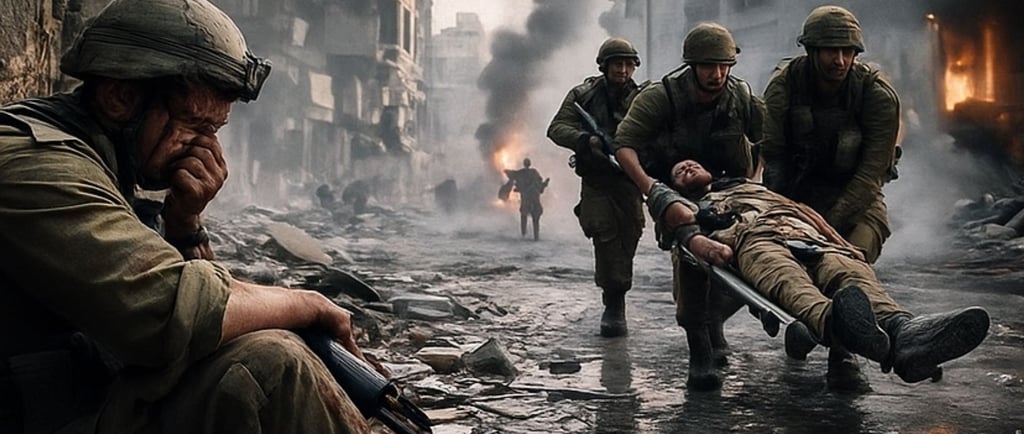
⭐🔥 💣🕯️ Silent Casualties: Israeli Soldiers Battling Conscription, Trauma & the Edge of Suicide
A deep investigative look into the hidden psychological toll on Israeli soldiers—forced conscription, extreme battlefield pressure, untreated PTSD, and the rising wave of suicides within the IDF. A revealing report on the silent casualties of war.
A recent investigation has brought to light the heavy price paid by Israeli soldiers.
This comes amid a mandatory draft, war-induced psychological trauma, and a disturbing rise in suicides during the recent Gaza conflict.
The Gaza war, which dramatically escalated after the Hamas attack on October 7, 2023, has been one of the most psychologically taxing for Israeli soldiers.
Beyond the physical dangers of combat, reports from both Israeli and sources reveal a hidden crisis within the Israel Defense Forces (IDF): increasing numbers of soldiers suffering from mental trauma, severe exhaustion, and a worrying increase in suicide rates. Israel has a mandatory conscription system, where men are required to serve 32 months and women 24 months.
Adding to this, the mobilization of over 360,000 reservists at the start of the conflict put greater stress on both young recruits and experienced veterans.
By late 2025, troop mental health has become a top concern for the IDF.
This is fueled by negative public perception, a shortage of mental health professionals, and the moral difficulties arising from operations in Gaza.
The confluence of all these factors is putting soldiers under incredible strain, which makes their suffering way worse.
The Burden of Conscription – National Duty or Endless Exhaustion?
Since 1949, national security has relied on mandatory conscription in Israel.
Most Jewish youth enlist in the military at 18, and they continue to serve in the reserves until their 40s.
This system is meant to keep the army ready to defend the country.
But the Gaza war has turned it into a harmful cycle of depletion:
After October 7th, the IDF lengthened service times and troop deployment periods, which made soldiers and their families feel even more stressed.
Thousands of reservists, many of whom were fathers in their 30s and 40s, were called up for operations that lasted over 300 days.
This had a negative impact on their family and work lives.
Soldiers have described experiencing constant fighting in Gaza's tunnels and destroyed streets, where they face frequent ambushes, improvised explosive devices (IEDs), and booby traps, that puts them in constant danger.
A report by the Knesset released late last year shows:
A big increase in referrals for mental health treatment.
This indicates a worsening of mental health issues among soldiers.
Thousands of reservists leaving combat duty because of psychological problems, revealing how bad their experiences have been.
One soldier who witnessed the deaths of two wounded comrades and then killed himself after being denied leave, even though he was clearly traumatized, has become a symbol of the failing troop support system.
This sad situation shows how urgently psychological support and care need to be improved. An investigation by The Times of Israel shows:
Most suicides between 2017 and 2025 (68%) were from active-duty soldiers, usually in their early 20s, who had little to no combat experience.
This indicates that young people are the most at-risk group.
Critics, and soldiers’ families, say that the military cares more about operations than mental health.
These worries call for adjustments to policies and practices that ensure soldiers' well-being.
The Trauma of Gaza – PTSD, Moral Conflicts, and Stigma
The war that occurred in densely populated areas, like Gaza, has resulted in significantly higher rates of post-traumatic stress disorder (PTSD). This is due to:
Seeing dead civilians and body parts, which can cause lasting psychological trauma.
Working in areas where military and civilian targets are located near each other, making choices hard and putting soldiers in compromising situations.
Witnessing injuries and deaths under rubble, which makes them feel hopeless and sad.
Professionals have noted that the PTSD cases have grown from 50-70% among Gaza returnees.
The surge calls for more support and resources for these soldiers.
Common indications include:
Severe restlessness
Recurring flashbacks
Loss of appetite because of memories of blood
Panic Attacks
Drone operators are also affected.
Even though they are away from the real combat, they witness the outcomes of strikes in real-time, which leads to:
Deep moral conflict
Shame
Thoughts of suicide
This group faces challenges that need specialist mental health attention.
Comments from troops who have served in the field:
We drive over dead bodies inside armored vehicles.
The smell of destroyed corpses fills our minds all the time, even while we are eating.
More than 10,000 PTSD situations have been recorded as of now.
Only 1,000 psychologists are available to assist 170,000 troops, which is seriously insufficient.
Women consist of 35% of IDF forces, they face other challenges:
Higher rates of harassment
Field traumas that go unreported
More difficulty in getting mental health support or assistance
These things make women more prone to emotional pain, which calls for personalized support programs.
Rising Suicide Rates – The Crisis Nobody Discusses
More soldiers in the IDF are dying from suicide than from combat or during peacetime. Numbers show:
11 incidents (2021)
14 incidents (2022)
17 incidents (2023), 7 took place after October 7
21 incidents (2024), the highest in 13 years
16 incidents (2025 through August)
Total suicides since October 2023:
28-38 situations as per numbers of the IDF
Roughly 50 situations according to independent reporters, such as Haaretz
The total may be higher than what is recorded: Suicide attempts:
279 attempts since January 2024
78% were within combat units (raised from 42-45% pre-war)
Over half were reservists, because of long periods
A soldier killed himself two days before going back to Gaza in August of 2025
A drone operator commited suicide because of moral issues after he witnessed civilian casualties
Three soldiers commited suicide in one week (July 2025).
This prompted Knesset members to seek an investigation.
Suicide trends in the IDF show a trend upward from 2017 through 2025.
The Future – How Can Israel Acknowledge the Problem?
Professionals believe that without major improvements, soldiers' mental health could continue down, with the conflict is still going and no resolution in sight.
The changes that need to be made include:
Cutting active and reserve service durations
Making mental health support more available
Getting rid of negative feelings or stigma for seeking therapy
Monitoring of mental health units by the independent oversight
Reducing combat duties and think regarding operational costs
Sky News interviewed the mother of one of the soldiers who took his life, and she stated, My son was not murdered by Gaza, but it destroyed his soul.
The war does not end with the ceasefire; the war continues to linger in the psyche.
Throughout Israel, it is becoming clear that the effects of the Gaza war on troops' minds is a major topic of concern to the country.
The government needs to address this crisis quickly and provide essential support for soldiers who have sacrificed so much to protect the country.
Questions on Conscription, Psychological Traumas, and Suicide in the IDF During the Gaza War
Is military duty compulsory in Israel?
Yes, military service is mandatory for almost all Jewish citizens in Israel. The service periods are:
Men: 32 months.
Women: 24 months.
Men and women are also called for reserve duty up until they reach their 40s.
Can soldiers object to service during the Gaza war?
Yes, soldiers can object to service in very few cases:
Serious medical conditions.
Harsh psychological conditions.
Particular religious reasons.
It is rare for refusals based on political or ethical factors to be approved, and may result in imprisonment.
Why have situations that involved psychological trauma risen among soldiers during the Gaza war?
Multiple factors:
Brutal combat in urbanized areas.
Terrifying sights of bodies and deceased individuals.
Warfare tunnels.
Raids and attacks.
Feelings of morality inflicted because of actions that resulted in the deaths of citizens
Lack of mental health.
Encouraging resilience, which makes people not want to seek help.
What is the prevalence of PTSD among Israeli soldiers?
Reports indicate:
By November of 2025, there were over 10,000 situations of PTSD.
diagnoses have surged up to 50-70%
Breakdowns caused thousands of reservists to exit combat duty.
Why are suicide rates going up in the IDF because of the Gaza war?
Major causes include:
Witnessing direct combat accidents.
Exhaustion due to frequent repeat calls.
For certain reservists, service exceeds 300 days.
Guilt.
Lack of support.
Scared of society treating help-seeking as a weakness.
How many suicide situations in the IDF once the war began?
According to the IDF, there were from 28-38 suicides from October of 2023 to August of 2025. Independent media recorded nearly 50 situations.
There have been 279 suicide attempts since January 2024. 78% were by combat units.
Why are reservists more likely to attempt suicide?
The reasons include:
More Older (30-45 years old).
They are very invested in family and responsibilities.
Engaging in difficult battles, like tunnels and direct engagements.
Additional pressures
Has this crisis in the IDF been acknowledged?
Somewhat acknowledged.
Mental health support teams have been increased.
Units for that support.
Families are not happy, and answers are inadequate to them.
Until 2026, IDF stopped releasing the data on suicide.
What behavior by drone operators is influencing their moral issues?
The state where they feel they transgressed their rules, like causing fatalities.
Visualizing the aftermath of the war.
Depression is the result.
How do the IDF deal with mental health?
Experts advise there should be a balance between pressures, destigmatizing, shorter rotations, and more people hired to assist.
Report exposes how the IDF has issues.
============================================================================================================
🎯 SEO Keywords
Israeli soldiers mental health
IDF conscription stress
PTSD in Israeli army
Israel soldier suicide rates
trauma in war zones
psychological impact of Gaza conflict
military mental health crisis
forced conscription Israel
hidden cost of war soldiers
suicide epidemic IDF
Behind the frontlines lies a darker, quieter battlefield—one fought inside the minds of young Israeli soldiers. Between compulsory conscription, intense combat pressure, traumatic experiences, and a rising tide of suicides, many are collapsing in silence. This investigation exposes the psychological cost Israel struggles to hide.
👤 Short Author Bio (dr hassan alwarraqi)
Dr. Hassan Alwarraqi is a medical researcher specializing in integrative and preventive health. Through H-K-E-M.com, he analyzes complex health and psychological issues using evidence-based insights and clear, accessible writing aimed at raising public awareness.
🔥 Hashtags (English + Arabic)
English:
#IsraeliArmy #IDF #PTSD #MentalHealthCrisis #MilitaryTrauma #ForcedConscription #WarPsychology #GazaWar #SoldierSuicide #CombatStress
============================================================================================================
💧🩺 Discover why dehydration during voluntary fasting doesn’t cause dangerous blood clots. Learn the science behind blood flow, safety, and body adaptation.
https://www.h-k-e-m.com/-why-dehydration-during-voluntary-fasting-doesnt-lead-to-blood-clots
💧🩺 Why Dehydration During Voluntary Fasting Doesn’t Lead to Blood Clots
============================================================================================================


Get in touch
Address
Cairo Al Rehab
Contacts
+20 109 405 2056
hassanalwarraqi@h-k-e-m.com