
Health is a crown on the heads of the healthy that only the sick can see.


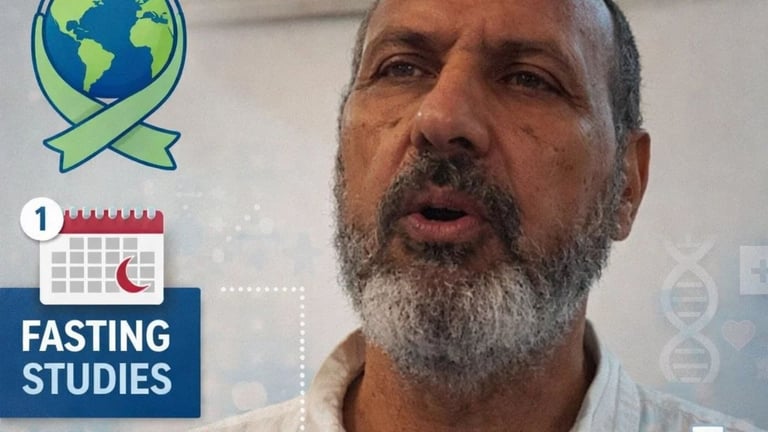
🌍 Fasting & Cancer Research 26 Infolog
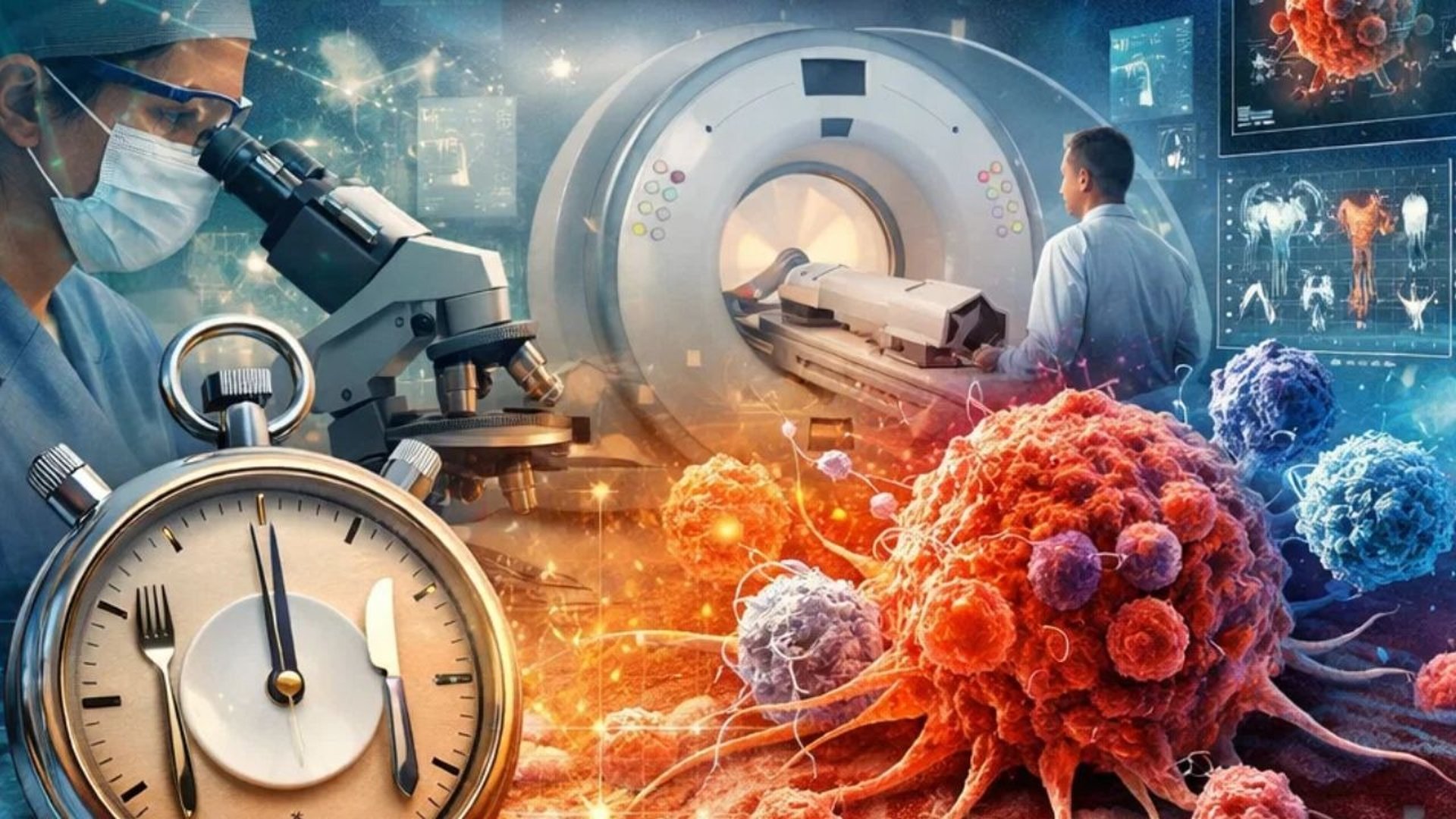
🔬 Discover the latest research on fasting and cancer in 2026. Learn how fasting influences tumor metabolism, immune response, and integrative oncology treatment strategies.
CANCERGENERAL FASTING
Dr Hassan Al Warraqi
3/15/20263 min read
🌍Fasting & Cancer Research 26 Infolog
🔬 Discover the latest research on fasting and cancer in 2026. Learn how fasting influences tumor metabolism, immune response, and integrative oncology treatment strategies.
Fasting and cancer research explores how metabolic changes during fasting influence tumor biology, immune response, and treatment outcomes. Scientists in integrative oncology are studying whether fasting or fasting-mimicking diets can support conventional cancer therapies by altering cancer cell metabolism.
1️⃣ Metabolic Shift
During fasting, the body switches from glucose to fat-derived energy (ketones). This metabolic transition can reduce growth signals such as insulin and IGF-1 that many tumors rely on.
2️⃣ Cellular Recycling
Fasting activates Autophagy, allowing cells to remove damaged components and maintain cellular health.
3️⃣ Stress Resistance
Research suggests fasting can trigger differential stress resistance, where healthy cells enter a protected maintenance mode while cancer cells remain vulnerable to metabolic stress.
4️⃣ Immune Activation
Fasting may influence immune surveillance, helping immune cells recognize and attack abnormal cells more effectively.
Researchers are investigating:
Short-term fasting before chemotherapy
Fasting-mimicking diets during cancer treatment
Metabolic therapy targeting tumor energy pathways
Immune system responses during fasting cycles
Much of this work has been influenced by studies from scientists such as Valter Longo, whose research examines fasting-mimicking diets in cancer therapy.
Research findings suggest fasting may:
✔ reduce metabolic fuel available to tumors
✔ enhance sensitivity of cancer cells to treatment
✔ support cellular repair mechanisms
✔ influence inflammation and immune activity
However, clinical evidence is still evolving and fasting should not replace standard cancer treatment.
Cancer patients may experience malnutrition or weight loss, especially in conditions such as Cancer cachexia. For this reason, fasting interventions should only be considered under professional medical supervision.
Key areas scientists are exploring:
metabolic targeting of tumors
personalized fasting protocols
fasting combined with immunotherapy
fasting-mimicking diet clinical trials
These approaches aim to integrate metabolic strategies into modern oncology care.
Fasting research highlights the powerful relationship between metabolism, immunity, and cancer biology, offering promising avenues for future therapeutic strategies within integrative oncology.
#FastingResearch #CancerResearch #IntegrativeOncology #MetabolicMedicine #Autophagy #CancerMetabolism #TherapeuticFasting #BiomedicalScience #FutureMedicine #HealthResearch
=============================================================================================================================================================================================================================================================================================================================================================================================================================================================================================================
Fasting & Cancer Research 2026 Infolog
https://www.h-k-e-m.com/fasting-and-cancer-research-2026-infolog
🧬🌙 Fasting & Cancer Research 2026 — Infolog
Recent 2025–2026 research is exploring whether fasting strategies such as intermittent fasting, time-restricted eating, and fasting-mimicking diets may support cancer therapy alongside standard treatment — especially through metabolic and immune pathways.
🔬 Key Mechanisms Under Study
• Reduced insulin & IGF-1 signaling
• Enhanced autophagy (cellular cleanup)
• Lower inflammation & oxidative stress
• Improved immune surveillance
• “Differential stress resistance” — healthy cells may become more protected while cancer cells remain vulnerable
A central concept being studied is autophagy:
Autophagy→Cellular Cleanup and Recycling\text{Autophagy} \rightarrow \text{Cellular Cleanup and Recycling}Autophagy→Cellular Cleanup and Recycling
🧪 2026 Clinical Research Highlights
• The National Cancer Institute is supporting trials of time-restricted eating during chemotherapy for breast and rectal cancers.
• The CHRONO Trial is investigating whether early time-restricted eating can improve treatment response and reduce side effects.
• A 2026 paper in Cell Metabolism reported that 16-hour fasting improved some immunotherapy responses in experimental and early human settings.
• Nature Publishing Group published findings suggesting fasting may enhance endocrine therapy activity in some breast cancer models through glucocorticoid signaling.
⚠️ Important Medical Reality
Current evidence remains promising but not definitive. Most experts do not consider fasting a cure for cancer. Benefits appear most likely as a carefully supervised adjunct to conventional treatment.
Potential risks include:
• Weight loss & malnutrition
• Muscle wasting (cachexia)
• Weakness during chemotherapy
• Blood sugar instability
• Poor tolerance in frail patients
This is especially important for people with diabetes, advanced cancer, or low body weight.
🛡️ Current Scientific Consensus
✅ Fasting research in oncology is expanding rapidly
✅ Some studies show reduced chemotherapy toxicity and metabolic benefits
✅ Autophagy and immune modulation are major research targets
⚠️ Large randomized human trials are still needed
⚠️ Fasting should never replace evidence-based cancer treatment
=============================================================================================================================================================================================================================================================================================================================================================================================================================================================================================================
⚠️🔥 Super Flu : From High Fever to Cytokine Storm 🦠
Some severe influenza infections can rapidly progress from ordinary flu symptoms to dangerous systemic inflammation known as a cytokine storm — an overwhelming immune reaction that may damage the lungs, heart, and other organs.
🚨 Warning signs include:
• Persistent high fever
• Severe shortness of breath
• Chest pain
• Confusion or extreme weakness
• Blue lips or low oxygen levels
🛡️ Prevention matters:
✅ Vaccination
✅ Good nutrition & hydration
✅ Adequate sleep
✅ Managing chronic diseases
✅ Early medical care for high-risk patients
⚠️ Cytokine storm is a medical emergency and may require hospital treatment, oxygen support, and intensive care.
Get in touch
Address
Cairo Al Rehab
Contacts
+20 109 405 2056
hassanalwarraqi@h-k-e-m.com