Health is a crown on the heads of the healthy that only the sick can see.



🐝 Discover Apitherapy: Benefits of Bee-Derived Products
Explore the world of apitherapy, a complementary medicine utilizing honeybee-derived products such as honey, pollen, propolis, royal jelly, and bee venom for various therapeutic benefits. Learn how these natural substances can enhance your well-being.
HONEY
Dr Hassan Al Warraqi
5/11/2025
🐝 Discover Apitherapy: Benefits of Bee-Derived Products
The world of natural wellness is abuzz with interest in the therapeutic powers of bees.
This interest isn’t new; in fact, bee-based wellness practices date back thousands of years.
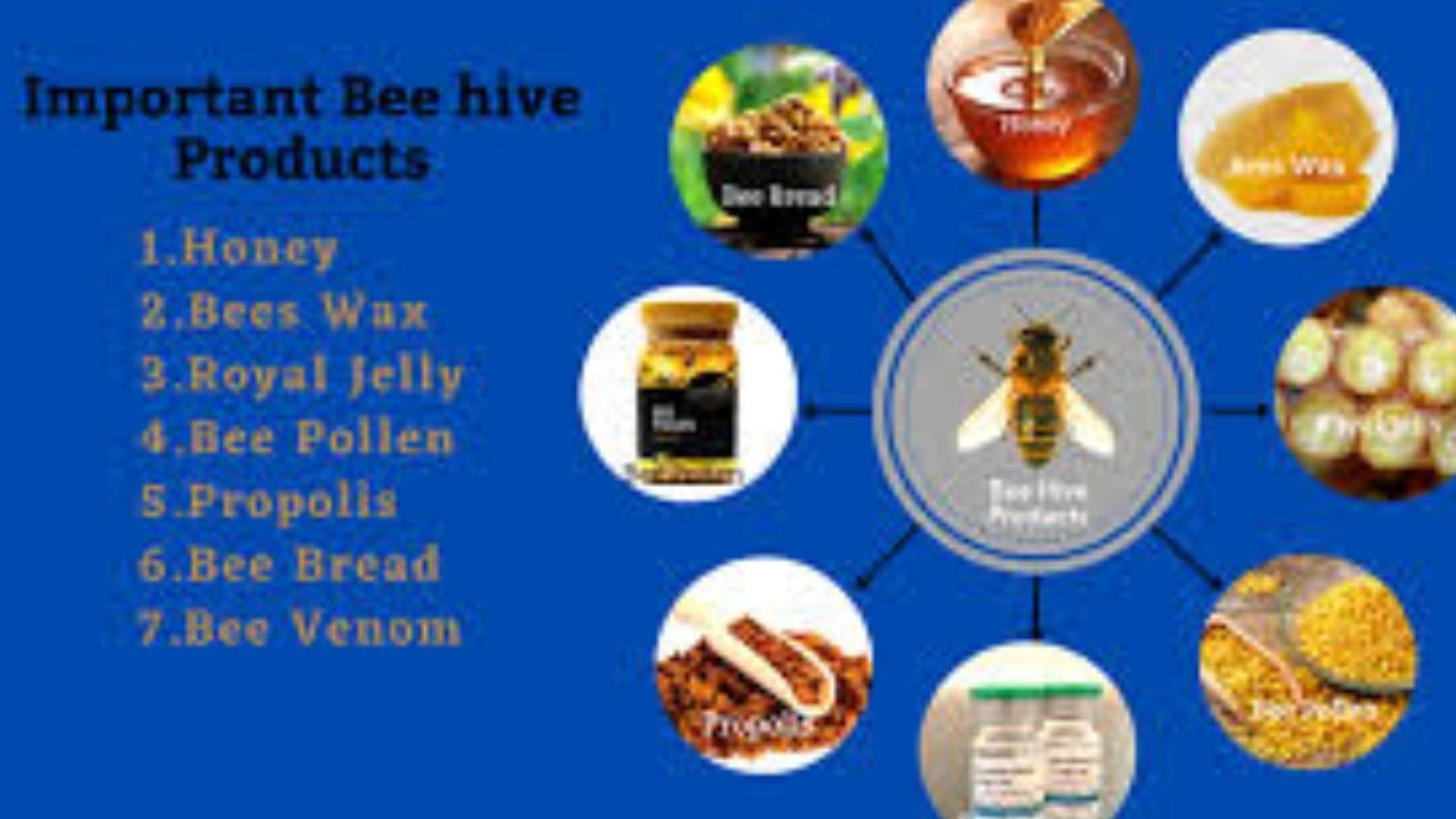
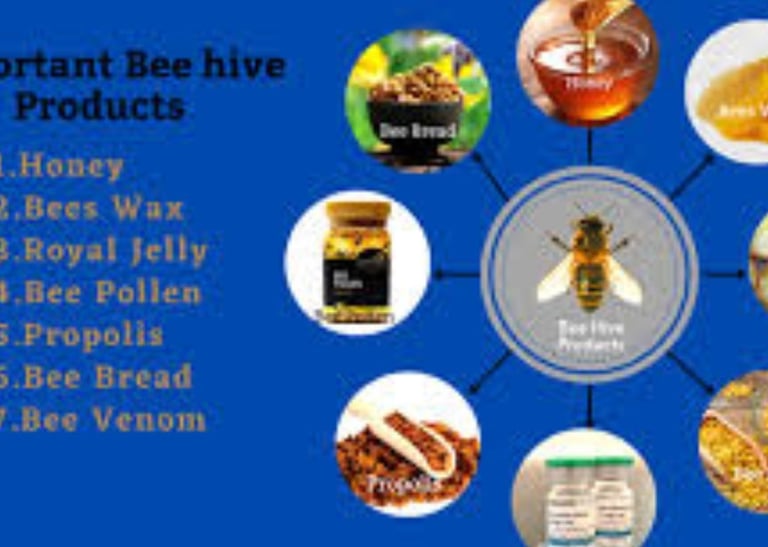
Known as apitherapy, this holistic healing approach uses various bee products—such as honey, propolis, royal jelly, bee pollen, and even bee venom—to enhance health and well-being.
Honey, in particular, has been used not only as a sweetener but also as a potent natural remedy.
Today, science and tradition meet as people discover how these natural products can support immunity, soothe skin, alleviate pain, and promote overall vitality.
The Roots of Apitherapy
Apitherapy comes from the Latin apis, meaning bee.
It encompasses the therapeutic use of honey and other bee products to support a wide array of health benefits.
While honey is perhaps the most famous product of the hive, other bee products like propolis, royal jelly, and bee pollen each play a unique role in wellness.
With a long history in traditional medicine, apitherapy is now gaining attention as people increasingly seek natural remedies to complement conventional healthcare.
Honey: Nature’s Liquid Gold
Honey is a staple in the practice of apitherapy and has been cherished for its taste and therapeutic properties since ancient times.
Here’s how honey can support wellness:
1. Skin Health and Wound Healing
Honey has natural antibacterial and anti-inflammatory properties, which make it highly effective for wound care and skin healing.
Manuka honey, for instance, is rich in methylglyoxal, a compound that promotes wound healing and helps to prevent infections.
Many people use honey topically on minor burns, cuts, or abrasions to accelerate healing.
Honey’s moisturizing qualities also make it a popular ingredient in skincare, where it can soothe conditions like eczema and acne.
2. Immune Boosting
Honey is packed with antioxidants, primarily flavonoids and phenolic acids, which protect cells from oxidative stress.
This property boosts immune function and helps the body fight off infections.
Regular consumption of honey, especially raw honey, may enhance immunity by supplying nutrients, enzymes, and minerals that contribute to overall health.
3. Digestive Support
Honey has prebiotic qualities, meaning it can stimulate the growth of beneficial bacteria in the gut.
These bacteria are essential for good digestive health, and consuming honey can help balance gut flora, support digestion, and even alleviate issues like acid reflux.
Explore the world of apitherapy, a complementary medicine utilizing honeybee-derived products such as honey, pollen, propolis, royal jelly, and bee venom for various therapeutic benefits. Learn how these natural substances can enhance your well-being.
Propolis: The Natural Protector
Propolis, also known as “bee glue,” is a resinous mixture created by bees using tree sap and their own secretions.
Bees use it to seal and protect their hive from harmful microorganisms.
For humans, propolis offers its own set of benefits:
1. Immune Support and Infection Defense
Propolis is known for its antimicrobial properties, which protect against bacteria, fungi, and viruses.
Research suggests it can be used to enhance immune function and help prevent infections.
During flu season, propolis tinctures or sprays are popular for their potential to reduce symptoms and shorten recovery time.
2. Anti-Inflammatory Properties
Propolis is rich in bioactive compounds that combat inflammation, making it beneficial for managing joint pain and other inflammatory conditions.
Propolis has also shown promise in oral health, as it can reduce inflammation of the gums and aid in healing mouth ulcers and other dental issues.
3. Oral Health
Propolis has natural antiseptic properties, which makes it beneficial for oral care.
It can be found in some toothpastes and mouthwashes designed to reduce plaque buildup, protect gums, and promote fresh breath.
Royal Jelly: The Queen Bee’s Secret
Royal jelly is a milky secretion that worker bees produce to nourish the queen bee, giving her an extended lifespan and enhanced fertility.
This nutrient-rich substance offers several health benefits for humans:
1. Hormonal Support and Reproductive Health
Royal jelly contains compounds that can support hormonal balance, particularly in women.
It has been used as a natural remedy to alleviate menopausal symptoms, such as hot flashes and mood swings.
Royal jelly may also promote reproductive health and is sometimes used by those trying to conceive.
2. Skin Health and Anti-Aging
Royal jelly is loaded with proteins, vitamins, and antioxidants that contribute to skin elasticity and reduce the appearance of fine lines and wrinkles.
These qualities make it a popular ingredient in skincare products designed to hydrate, nourish, and rejuvenate the skin.
3. Energy and Mental Clarity
Known to support energy levels, royal jelly is rich in B vitamins and other essential nutrients that may improve mental clarity, reduce fatigue, and promote overall vitality.
It has been used in traditional medicine to combat exhaustion and support cognitive function.
Bee Pollen: Nutrient-Rich Superfood
Bee pollen, which bees collect from flowers, is another powerhouse of nutrition.
It’s considered one of nature’s most complete foods, containing proteins, vitamins, and enzymes.
1. Nutritional Support
Bee pollen provides a wide range of vitamins and minerals, including B-complex vitamins, iron, zinc, and magnesium.
Because of its rich nutritional profile, bee pollen is often taken as a supplement to support overall wellness and energy levels.
2. Antioxidant and Anti-Inflammatory Effects
Bee pollen is rich in antioxidants, which help protect cells from damage and reduce inflammation.
These properties make it valuable for individuals with chronic inflammatory conditions like arthritis.
Consuming bee pollen regularly may help reduce oxidative stress, supporting both physical and mental well-being.
3. Allergy Relief Potential
Some holistic practitioners suggest that consuming small amounts of local bee pollen can help desensitize the body to local allergens.
While scientific support for this approach is limited, some people find that introducing bee pollen into their diet helps reduce seasonal allergy symptoms.
Bee Venom Therapy: A Natural Pain Reliever
Bee venom therapy, also known as apitoxin therapy, is one of the more unique aspects of apitherapy.
Bee venom contains compounds like melittin and adolapin, which have anti-inflammatory and pain-relieving properties.
1. Pain and Inflammation Management
Bee venom therapy is known for its potential to alleviate pain and reduce inflammation in people with conditions like rheumatoid arthritis and multiple sclerosis.
Melittin, a key component of bee venom, has been shown to inhibit inflammatory processes, which can relieve joint pain and stiffness.
2. Immune System Modulation
Research suggests that bee venom may have immune-modulating effects, which could benefit people with autoimmune conditions.
By helping to balance the immune response, bee venom therapy may aid in managing symptoms and improving quality of life for some individuals with immune-related conditions.
3. Safe Application
Bee venom therapy should only be administered by a trained practitioner, as it carries a risk of allergic reactions.
However, for those without allergies, bee venom therapy can offer an alternative approach to managing chronic pain and inflammation.
Incorporating Bee-Based Products into Daily Wellness
For those new to bee-based wellness, there are several ways to incorporate apitherapy into daily routines:
Start with Raw Honey:
Use raw honey as a natural sweetener in tea, yogurt, or smoothies.
For sore throats or digestive health, take a teaspoon of raw honey directly for additional benefits.
Propolis for Immune Support:
Look for propolis tinctures or sprays, which can be used during cold and flu season to boost immunity.
Propolis mouthwash or toothpaste can also support oral health.
Add Bee Pollen to Meals:
Sprinkle bee pollen granules into your morning smoothie, oatmeal, or salads. Starting with a small amount and gradually increasing is recommended, as some people may experience allergic reactions.
Skincare with Royal Jelly:
Try skincare products with royal jelly for its anti-aging and moisturizing benefits.
Many creams, serums, and masks now include royal jelly as a key ingredient.
Bee Venom Creams for Pain Relief: If you have joint pain or sore muscles, consider using bee venom cream.
Always test a small area first to avoid any adverse reaction.
A Few Precautions
While bee-based wellness products offer numerous benefits, it’s essential to use them mindfully:
Allergy Awareness: People allergic to bee stings or pollen should consult a healthcare professional before trying any bee-based product.
Quality Matters: Choose high-quality, raw, and unprocessed products to ensure you’re getting the maximum health benefits.
Consult Professionals: For specialized treatments like bee venom therapy, it’s crucial to seek guidance from a trained apitherapist or healthcare provider.
In Summary
Bee-based wellness through apitherapy is a holistic approach to health that has stood the test of time.
From honey’s healing properties to the anti-inflammatory effects of bee venom, each bee-derived product offers unique benefits that can enhance well-being.
As more people seek natural ways to improve their health, apitherapy provides a safe, effective, and sustainable option that honors the wisdom of the hive.
By incorporating these powerful natural remedies into daily life, we not only support our health but also celebrate the incredible contributions of bees to our world.
Keywords
Bee-based wellness, apitherapy, honey benefits, propolis immune support, royal jelly skin health, bee pollen superfood, bee venom therapy, natural remedies, inflammation relief, antioxidant properties, immune booster, holistic health, traditional medicine, skincare, pain management,
Therapeutic Uses, Benefits, and Risks of Bee-Derived Products
Apitherapy, the therapeutic use of honey bee products, is a practice rooted in both traditional and complementary medicine.
This review synthesizes evidence on key bee products—honey, pollen, propolis, royal jelly, and bee venom—highlighting their applications, reported benefits, administration methods, and associated risks.
While some uses are supported by scientific studies, others remain anecdotal, underscoring the need for cautious integration with medical guidance.
Key Bee Products and Their Applications
1. Honey
Uses: Topical wound care, oral consumption for energy and immunity.
Benefits: Antibacterial properties; accelerates healing in burns and post-surgical wounds.
Evidence: Studies cite faster recovery in burns vs. conventional treatments (e.g., gauze).
2. Bee Pollen
Nutritional Profile: Rich in amino acids, omega-3/6 fatty acids, vitamins, and minerals.
Applications: Dietary supplement for BPH management, athletic performance, and anti-inflammatory effects.
Dosage: 20–50 g daily, taken pre-meals (subject to individual tolerance).
Note: Partial digestion and potential bloodstream absorption (“persorption”) under research.
3. Propolis
Composition: Resinous compound with flavonoids and phenolics; varies by plant source.
Therapeutic Roles: Antioxidant, antimicrobial, and anti-inflammatory effects. Studied for diabetes, arthritis, and gastrointestinal disorders.
4. Royal Jelly
Uses: Cognitive enhancement, skin health (collagen production), and energy support.
Forms: Oral (capsules, gel) or topical skincare.
Dosage: 300–6,000 mg daily in research settings.
5. Bee Venom
Applications: “Apipuncture” (live stings) for arthritis, neurological conditions.
Risks: High allergy potential; fatalities reported (e.g., anaphylaxis from bee acupuncture).
Administration Methods
Oral: Honey, pollen (capsules, mixed with food), propolis extracts, royal jelly.
Topical: Honey dressings, propolis creams, royal jelly skincare.
Invasive: Direct bee stings, venom injections (requires professional oversight).
Critical Risks and Precautions
Allergic Reactions: Severe responses (e.g., anaphylaxis) possible, particularly with venom.
Contraindications: Avoid in allergy-prone individuals; consult healthcare providers before use.
Quality Variability: Chemical composition of propolis, pollen, etc., depends on botanical/geographical sources, affecting efficacy.
Conclusion
Apitherapy presents a blend of historical practice and emerging scientific interest.
While products like honey and pollen show promise in wound healing and nutrition, claims around chronic disease management require rigorous validation.
Risks, especially allergies, necessitate caution. Healthcare provider consultation is essential to balance potential benefits against safety concerns.
Further research is critical to establish standardized guidelines and confirm therapeutic efficacy.
Frequently Asked Questions (FAQs) About Apitherapy
1. What is Apitherapy?
Apitherapy is a branch of complementary medicine that uses honeybee-derived products like honey, pollen, propolis, royal jelly, and bee venom for therapeutic purposes.
Practitioners claim these products may help treat conditions such as inflammation, skin disorders, and neurological issues, though some uses require stronger scientific validation.
2. What Are the Key Products Used in Apitherapy?
Honey: Promotes wound healing and provides nutritional support.
Bee Pollen: A nutrient-rich substance studied for prostate health and athletic performance.
Propolis: A resinous compound with antibacterial and anti-inflammatory properties.
Royal Jelly: Used to support cognitive function and skin health.
Bee Venom: Administered via bee stings (apipuncture) for arthritis, with potential allergic risks.
3. How is Honey Used in Apitherapy?
Composition: Contains easily digestible sugars, organic acids, vitamins, and minerals, varying by botanical and geographical origin.
Applications:
Topical use for burns and wounds to accelerate healing.
Oral consumption to boost immunity and energy.
Historically used as a natural sweetener and traditional remedy.
4. What Are the Potential Benefits of Bee Pollen?
Nutritional Profile: Rich in omega-3/6 fatty acids, potassium, magnesium, and vitamins (e.g., vitamin C, B-complex).
Potential Benefits:
Enhanced nutrient absorption.
Improved physical performance and hypoxia tolerance.
Antioxidant and anti-inflammatory effects.
Support for prostate and gastrointestinal health.
5. How is Royal Jelly Used, and What Are Its Benefits?
Forms: Fresh gel, powder, capsules, or skincare products.
Reported Benefits:
Cognitive enhancement and productivity.
Collagen production and skin rejuvenation.
Fertility and energy support (recommended doses: 300–6,000 mg daily).
Caution: Start with small doses to avoid allergic reactions.
6. What is Propolis, and What Are Its Active Compounds?
Definition: A resinous substance bees collect from plants.
Key Bioactive Compounds:
Flavonoids (e.g., apigenin, quercetin).
Phenolic acids (e.g., caffeic acid).
Terpenes and volatile oils.
Research Applications:
Managing Type 2 diabetes via improved insulin sensitivity.
Reducing inflammation in rheumatoid arthritis and asthma.
Supporting gut and oral health.
7. Are There Risks Associated with Bee Venom Therapy?
Yes, risks include:
Severe allergic reactions (e.g., anaphylaxis), which can be life-threatening.
Reported fatalities linked to direct bee stings ("apipuncture").
Recommendations:
Benefits of Bee Venom (Apitoxin)
Bee venom is a colorless acidic fluid secreted by honey bees when they feel threatened. It contains a complex mixture of proteins, peptides, and enzymes that give it various therapeutic properties.
Key Components of Bee Venom
Melittin — Makes up 40-60% of dry venom weight. A peptide of 26 amino acids with antiviral, antibacterial, and anticancer properties.
Apamin — A small peptide that enhances nerve activity, learning, and memory.
Phospholipase A2 — An enzyme responsible for allergic reactions, but also possesses anti-inflammatory and immune-stimulating properties.
Adolapin — A peptide with anti-inflammatory and pain-relieving properties.
Histamine and Catecholamines — Biologically active amines that contribute to the multiple effects of the venom.
Therapeutic Benefits Supported by Science
1. Anti-Inflammatory and Pain Relief
Bee venom is widely used to relieve chronic pain, especially at acupuncture points.
In a study of 54 patients with chronic lower back pain, bee venom acupuncture showed significant improvement in quality of life compared to placebo.
Another study on 40 patients with knee arthritis showed that bee venom acupuncture twice weekly for 4 weeks significantly reduced pain compared to traditional acupuncture.
Mechanism: Bee venom inhibits prostaglandin E2 (PGE2) production by deactivating NF-κB, and reduces TNF-α, IL-1β, and nitric oxide production.
2. Rheumatoid Arthritis
Studies show that bee venom reduces pain, swelling, and morning stiffness in affected joints.
In a randomized study of 180 patients, those receiving purified bee venom (Apitoxin) injections for 6 weeks reported greater pain relief immediately after treatment. After 6 months, pain returned in the control group while remaining low in the bee venom group.
Bee venom also enhances methotrexate effectiveness and reduces its liver toxicity.
3. Neurodegenerative Diseases
Parkinson's Disease: In mouse models, bee venom prevented dopaminergic neuron degeneration in the substantia nigra and increased dopamine levels. It also reduced microglial activity and neuroinflammation.
Alzheimer's Disease: Studies show bee venom inhibits beta-amyloid protein accumulation and reduces neuroinflammatory response by suppressing the NF-κB pathway.
ALS (Amyotrophic Lateral Sclerosis): Bee venom improved motor activity and increased survival rates in affected mice.
Central Neuropathic Pain After Stroke: In a study of 8 patients, diluted bee venom injections (0.005%) showed significant improvement in pain perception compared to the saline group.
4. Anticancer Properties
Melittin is the main component in cancer treatment research.
Inhibits cancer cell proliferation
Stimulates programmed cell death (Apoptosis)
Stimulates local immune response through lymph nodes
Possesses antimutagenic and radioprotective properties
5. Atherosclerosis
Studies show that melittin and apamin reduce total cholesterol and triglyceride levels in blood. They also reduce TNF-α, ICAM-1, and VCAM-1 levels in the aorta and heart.
6. Liver Protection
In mouse models, bee venom reduced progression of carbon tetrachloride-induced liver fibrosis. It also reduced liver enzyme levels (AST and ALT) and inflammatory cytokines.
7. Treatment for Bee Sting Allergy
Bee venom immunotherapy is the first-line treatment for severe bee sting allergies. It provides 98-99% protection from allergic reactions.
Bee Sting Benefits for the Head
There are no direct scientific studies proving specific benefits of bee stings to the head. However, based on known mechanisms:
May help improve blood circulation in the scalp
May reduce peripheral nerve inflammation in the scalp
May stimulate release of pain-relieving substances (Endorphins) in the body
Warning: Head stings carry additional risks due to proximity to the brain and sensitive nerves. Not recommended except under specialist supervision.
Methods of Bee Venom Administration
Live Bee Sting — A live bee is placed on specific skin points
Subcutaneous Injection — Using purified bee venom (Apitoxin)
Creams and Ointments — For topical use
Dietary Supplements — But effectiveness is limited because digestion destroys most properties
Warnings and Risks
Allergic Reactions — The biggest risk is anaphylactic shock, which can cause respiratory arrest and death if not treated immediately.
Allergy Testing Required — Before any treatment, allergy testing must be done to ensure no severe allergic reaction exists.
No Definitive Scientific Proof — Scientists do not fully understand how bee venom works. Evidence is still limited and needs larger studies.
Contraindications:
Known bee sting allergy
Children and pregnant women
Acute kidney and liver diseases
Active autoimmune diseases
Blood-thinning medications
Conclusion
Bee venom has promising therapeutic potential in multiple areas: anti-inflammatory, pain relief, neuroprotection, anticancer, and arthritis treatment.
However, it is not a substitute for medical treatment and needs more clinical studies to confirm its effectiveness and safety.
Always consult a doctor and perform allergy testing before starting any bee venom treatment.
Avoid if allergic to bee products.
Conduct an allergy test before use.
Medical supervision during bee venom therapy.
Important Note
Consult a healthcare professional before using bee-derived products, especially if you have chronic conditions, are pregnant, or breastfeeding.
Product quality and efficacy vary by source, so choose trusted, certified brands.
====================================================================================================================
🐝 Discover Apitherapy: Benefits of Bee-Derived Products
🐝 Apitherapy: Healing from the Hive
For over 5,500 years, humans have used bee products as medicine. Apitherapy — from Latin apis ("bee") and Greek therapeia ("healing") — is the therapeutic use of hive products to prevent and treat disease. Recognized by APIMONDIA, it bridges ancient tradition with modern clinical science.
The Six Pillars of the Hive
The beehive is nature's pharmacy.
Honey serves as the colony's energy source and is used clinically for wound healing and cough suppression. Propolis — the hive's immune system and sealant — delivers powerful anti-inflammatory and antimicrobial effects. Royal jelly, the queen bee's exclusive nourishment, supports neuroprotection and hormonal balance.
Bee pollen acts as a dense nutritional supplement for energy and recovery.
Beeswax forms a protective skin barrier and serves as a delivery vehicle for topical treatments. Bee venom (apitoxin), the colony's defense weapon, is used for pain management and arthritis relief.
What the Science Shows
Honey is the most clinically validated bee product. A Cochrane review of 26 trials found honey heals partial-thickness burns 4–5 days faster than conventional dressings.
It inhibits over 60 bacterial species — including MRSA and VRE — with no reported resistance.
The WHO recognizes honey as an effective cough suppressant, with studies showing it outperforms common OTC remedies.
Propolis contains over 500 bioactive compounds.
A 2025 meta-analysis of 41 randomized trials confirmed it significantly reduces inflammation markers — hs-CRP, TNF-alpha, and IL-6 — with doses above 500 mg/day showing the strongest benefits.
It also raises HDL cholesterol, lowers triglycerides, and reduces fasting blood glucose.
In children, propolis reduced illness episodes by 55% and fever days by 62%.
Royal jelly supports neuronal survival against oxidative stress and amyloid β toxicity — key factors in Alzheimer's disease.
It improves memory, enhances vascular function, reduces menopause symptoms within 8 weeks, and increases bone mineral density in postmenopausal women.
Bee pollen aids muscle recovery and enhances athletic performance when combined with royal jelly and CoQ10.
It also supports reproductive health by improving testosterone levels and sperm quality.
Bee venom's primary compound, melittin, shows antiviral, antibacterial, and anticancer potential in lab studies.
Clinically, it reduces knee osteoarthritis pain, post-surgical hip pain, and chronic neck pain from disc herniation.
Beeswax is a semi-occlusive skin barrier that reduces water loss without clogging pores. New 2026 research explores beeswax nano-formulations for chronic wound healing.
Safety First
Bee products are not for everyone. Anyone with a bee allergy should avoid all hive products. Never give honey to infants under 12 months due to botulism risk.
Pregnant or breastfeeding women, people with autoimmune conditions, cardiovascular or neurological diseases, and those on blood thinners should consult a healthcare provider before use.
Always introduce one product at a time in small amounts.
Getting Started
Begin with raw honey — stir it into tea for sore throats, apply it to minor burns or cuts, or take a daily tablespoon for digestive benefits. Next, consider propolis for systemic anti-inflammatory support; aim for 500+ mg daily based on current meta-analyses.
For skin concerns, look for balms combining honey, propolis, and beeswax.
The Bottom Line
Bee-derived products offer antibacterial, antiviral, antifungal, antioxidant, anti-inflammatory, and immunomodulatory properties backed by growing clinical evidence.
While standardization across floral sources remains a challenge, sourcing from reputable, tested suppliers ensures quality.
The hive has healed humanity for millennia — and science is only beginning to unlock its full potential.
This article is for informational purposes only. Always consult your healthcare provider before beginning any new therapeutic regimen.
The Science-Backed Health Benefits at a Glance
Burn & wound healing — Honey ⭐ Strong (Cochrane review)
Cough & sore throat — Honey ⭐ Strong
Inflammation reduction — Propolis ⭐ Strong (multiple meta-analyses)
Immune support — Propolis, bee pollen ⭐ Moderate-Strong
Neuroprotection — Royal jelly, honey, propolis ⭐ Moderate
Cardiovascular health — Honey, propolis, royal jelly ⭐ Moderate
Pain management — Bee venom ⭐ Moderate
Skin health — Honey, propolis, beeswax ⭐ Moderate
Menopause symptoms — Royal jelly ⭐ Moderate
Allergy relief — Bee pollen ⭐ Emerging
==============================================================================================================
Is Honey Good for Hemorrhoids (Piles)?
The Short Answer
Honey has some supportive properties for hemorrhoid relief, but it is not a cure. Evidence is limited and mostly anecdotal or from small studies.
Potential Benefits
Anti-inflammatory – may reduce swelling and irritation
Antibacterial – helps prevent infection in irritated tissue
Wound healing – promotes tissue repair (supported by some research on skin wounds)
Moisturizing – soothes dryness and itching when applied topically
Antioxidant – supports overall tissue health
How People Use It
Topical application – raw honey applied directly to external hemorrhoids for soothing relief
Warm water + honey drink – some consume it to ease bowel movements (though fiber and water are more proven)
Combined with turmeric or aloe vera – popular home remedies, but clinical evidence is sparse
What the Evidence Actually Says
Strong clinical trials specifically on honey for hemorrhoids are lacking
Honey's wound-healing benefits are well-documented for external skin wounds, but hemorrhoidal tissue is different
It may provide symptomatic relief (itching, mild inflammation) but won't shrink hemorrhoids or address underlying causes
What Actually Works (Proven)
Dietary fiber (25–35g daily) – prevents straining
Adequate hydration – softens stools
Sitz baths – reduces swelling and pain
Topical treatments – witch hazel, hydrocortisone creams, lidocaine ointments
Stool softeners – if constipation is chronic
Medical procedures – rubber band ligation, sclerotherapy, or surgery for severe cases
Cautions
Do not use honey on bleeding or thrombosed hemorrhoids without medical advice
Avoid if allergic to bee products
Honey is not sterile in typical store-bought form – use medical-grade Manuka honey if trying topical use
See a doctor if you experience rectal bleeding, severe pain, or symptoms lasting more than a week
Bottom Line
Honey is a safe, natural soothing option for mild external hemorrhoid discomfort, but it should not replace proven treatments or medical evaluation for persistent or severe symptoms.

Get in touch
Address
Cairo Al Rehab
Contacts
+20 109 405 2056
hassanalwarraqi@h-k-e-m.com