
Health is a crown on the heads of the healthy that only the sick can see.




💤 Chronic Fatigue : Can Fasting & Cold Water Therapy Help? ❄️🍽️
Explore how fasting and cold water therapy can help manage chronic fatigue syndrome (CFS) and myalgic encephalomyelitis (ME).
GENERAL
Dr Hassan Al Warraqi
1/22/2025


💤 Chronic Fatigue : Can Fasting & Cold Water Therapy Help? ❄️🍽️
Explore how fasting and cold water therapy can help manage chronic fatigue syndrome (CFS) and myalgic encephalomyelitis (ME). Discover insights on severe fatigue, brain fog, and the role of immune dysfunction in these conditions.
Chronic Fatigue Syndrome (CFS) / Myalgic Encephalomyelitis (ME) Voluntary Fasting and Cold Water Therapy
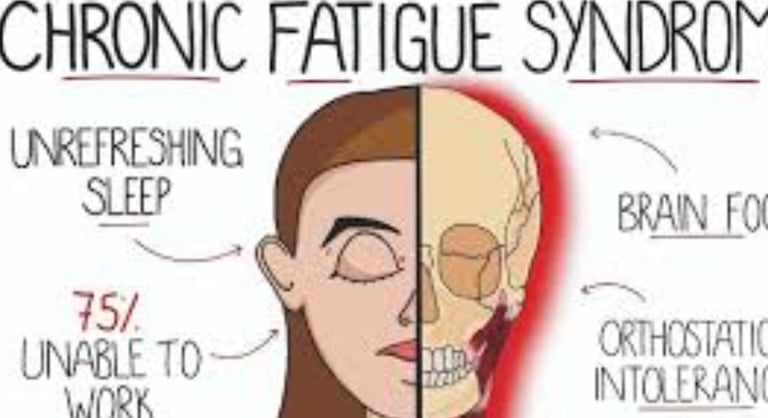
Chronic Fatigue Syndrome (CFS), also known as Myalgic Encephalomyelitis (ME), is a complex medical condition characterized by severe and persistent fatigue that does not improve with rest.
Symptoms often worsen with physical or mental activity, significantly impacting the quality of life for those affected.
Other symptoms include:
Brain Fog: Difficulty concentrating and memory problems.
Sleep Disorders: Such as insomnia or unrefreshing sleep.
Muscle and Joint Pain: Without obvious inflammation.
Headaches: Especially if they are new or more severe than usual.
Flu-Like Symptoms: Such as sore throat and swollen lymph nodes.
The exact cause of the condition is unknown, but the following factors are believed to play a role:
Viral Infections: Such as Epstein-Barr virus.
Immune System Dysfunction.
Psychological and Social Factors: Such as chronic stress.
Genetic Factors.
The Role of Voluntary Fasting in Managing Chronic Fatigue Syndrome
Voluntary fasting, such as intermittent fasting, may have some potential benefits for individuals with Chronic Fatigue Syndrome.
However, it should be approached cautiously and under medical supervision.
Potential Benefits:
Improving Mitochondrial Function: Fasting may stimulate autophagy, a cellular cleaning process that helps repair damaged cells, potentially improving the function of mitochondria (the cell's energy centers).
Reducing Inflammation: Fasting may help reduce chronic inflammation, which is believed to exacerbate CFS symptoms.
Improving Insulin Sensitivity: Intermittent fasting may enhance blood sugar regulation, potentially reducing energy fluctuations.
Challenges and Risks:
Energy Depletion: Fasting may worsen fatigue in some patients, especially if the body does not handle calorie restriction well.
Symptom Exacerbation: Some patients may experience worsening symptoms such as dizziness or headaches during fasting.
Tips for Voluntary Fasting:
Consult your doctor before starting.
Begin with short fasting periods (e.g., 12-14 hours) and monitor how your symptoms respond.
Ensure adequate hydration and consume nutritious meals after fasting.
The Role of Cold Water Therapy in Managing Chronic Fatigue Syndrome
Exposure to cold water, such as cold showers or cryotherapy, may offer some potential benefits. However, it should be approached cautiously, as the body in CFS can be highly sensitive.
Potential Benefits:
Improving Circulation: Cold water may stimulate blood flow, potentially reducing muscle pain and boosting energy.
Reducing Inflammation: Cold exposure may help reduce chronic inflammation.
Stimulating the Nervous System: Cold water may activate the sympathetic nervous system, enhancing alertness and energy.
Improving Mood: Cold water may trigger the release of endorphins, improving mood and reducing feelings of fatigue.
Challenges and Risks:
Shock to the Body: Sudden exposure to cold water may cause shock, especially in individuals with heightened sensitivity or weakened immune systems.
Symptom Exacerbation: Some patients may experience worsened symptoms such as fatigue or pain after cold exposure.
Tips for Using Cold Water Therapy:
Start with short exposures (e.g., 30 seconds) and gradually increase duration.
Avoid cold water if you feel weak or excessively fatigued.
Consult your doctor before trying cryotherapy or cold showers.
Summary
Voluntary Fasting and Cold Water Therapy may be beneficial for some individuals with Chronic Fatigue Syndrome, but they are not comprehensive treatments.
These practices should be applied cautiously and under medical supervision, especially in CFS, where the body is highly sensitive.
A balanced diet, stress management, and medically recommended treatments remain the foundation for managing this condition.
If you are considering trying any of these approaches, discuss them with your doctor or healthcare provider to determine if they are suitable for your condition.
Frequently Asked Questions About Chronic Fatigue Syndrome and Treatment with Fasting and Cold Water Therapy
Q1: What is Chronic Fatigue Syndrome (CFS)?
A: Chronic Fatigue Syndrome (CFS), also known as Myalgic Encephalomyelitis (ME), is a complex medical condition characterized by severe and persistent fatigue that does not improve with rest.
Symptoms often worsen with physical or mental activity, significantly impacting the quality of life for those affected.
Other symptoms include:
Brain Fog: Difficulty concentrating and memory problems.
Sleep Disorders: Such as insomnia or unrefreshing sleep.
Muscle and Joint Pain: Without obvious inflammation.
Headaches: Especially if they are new or more severe than usual.
Flu-Like Symptoms: Such as sore throat and swollen lymph nodes.
Q2: What are the causes of Chronic Fatigue Syndrome?
A: The exact cause of CFS is unknown, but the following factors are believed to play a role:
Viral Infections: Such as Epstein-Barr virus.
Immune System Dysfunction.
Psychological and Social Factors: Such as chronic stress.
Genetic Factors.
Q3: What is the role of fasting in managing Chronic Fatigue Syndrome?
A: Voluntary fasting, such as intermittent fasting, may have some potential benefits for individuals with CFS.
However, it should be approached cautiously and under medical supervision.
Q4: What are the potential benefits of fasting for Chronic Fatigue Syndrome?
A: Potential benefits include:
Improving Mitochondrial Function: Fasting may stimulate autophagy, a cellular cleaning process that helps repair damaged cells, potentially improving the function of mitochondria (the cell's energy centers).
Reducing Inflammation: Fasting may help reduce chronic inflammation, which is believed to exacerbate CFS symptoms.
Improving Insulin Sensitivity: Intermittent fasting may enhance blood sugar regulation, potentially reducing energy fluctuations.
Q5: What are the risks of fasting for CFS patients?
A: Challenges and risks include:
Energy Depletion: Fasting may worsen fatigue in some patients, especially if the body does not handle calorie restriction well.
Symptom Exacerbation: Some patients may experience worsening symptoms such as dizziness or headaches during fasting.
Q6: What is the role of cold water therapy in managing Chronic Fatigue Syndrome?
A: Exposure to cold water, such as cold showers or cryotherapy, may offer some potential benefits.
However, it should be approached cautiously, as the body in CFS can be highly sensitive.
Q7: What are the potential benefits of cold water therapy for Chronic Fatigue Syndrome?
A: Potential benefits include:
Improving Circulation: Cold water may stimulate blood flow, potentially reducing muscle pain and boosting energy.
Reducing Inflammation: Cold exposure may help reduce chronic inflammation.
Stimulating the Nervous System: Cold water may activate the sympathetic nervous system, enhancing alertness and energy.
Improving Mood: Cold water may trigger the release of endorphins, improving mood and reducing feelings of fatigue.
Q8: What are the risks of cold water therapy for CFS patients?
A: Challenges and risks include:
Shock to the Body: Sudden exposure to cold water may cause shock, especially in individuals with heightened sensitivity or weakened immune systems.
Symptom Exacerbation: Some patients may experience worsened symptoms such as fatigue or pain after cold exposure.
If you are considering trying fasting or cold water therapy, consult your doctor or healthcare provider to determine if these approaches are suitable for your condition.
========================================================================================================================================================================================================================================================================================
💤 Chronic Fatigue : Can Fasting & Cold Water Therapy Help? ❄️🍽️
Chronic fatigue can have many causes, including poor sleep, stress, nutritional deficiencies, chronic inflammation, infections, hormonal imbalance, and medical conditions. Some people explore structured fasting and cold water therapy as supportive wellness practices to improve energy, resilience, and metabolic health.
🌙 Potential Benefits of Structured Fasting
May improve insulin sensitivity and metabolic balance
Could reduce inflammation and oxidative stress
Supports cellular cleanup processes (autophagy)
May help stabilize energy regulation in some individuals
❄️ Potential Benefits of Cold Water Therapy
May increase alertness and circulation
Can stimulate the nervous system
May improve mood and stress resilience
Could support recovery and mental focus
🧠 Some researchers believe these mild “hormetic stressors” may help the body adapt and become more resilient over time.
⚠️ Important Cautions
Chronic fatigue may signal serious medical conditions
Excessive fasting or cold exposure can worsen exhaustion in some people
Individuals with anemia, thyroid disease, heart problems, eating disorders, or severe fatigue should seek medical advice before trying these approaches
🌱 Supportive lifestyle habits remain essential:
Quality sleep
Balanced nutrition
Hydration
Gentle physical activity
Stress reduction
Medical evaluation when symptoms persist
🩺 The best approach is personalized care that combines healthy lifestyle strategies with proper medical assessment to identify and treat the underlying cause of fatigue.
Chronic Fatigue Syndrome (CFS), Myalgic Encephalomyelitis (ME), severe fatigue, brain fog, sleep disorders, muscle pain, inflammation, viral infections, immune dysfunction, voluntary fasting, intermittent fasting, autophagy, cold water therapy,
🌀 Fasting + Cold = Synergistic Adaptation
Together, fasting and cold water therapy form a metabolic reset duo that:
Enhances mitochondrial health
Reduces oxidative stress
Boosts mental clarity
Recalibrates immunity
Builds resilience to physical and emotional stressors
⚠️ Note: People with CFS should start very gently. Short fasts (12–14 hours), warm-to-cool showers, and close medical supervision are essential. Pushing too hard too soon can lead to relapse.
Hassan Al-Warraqi is the founder of H-K-E-M.com, a holistic health researcher focused on chronic conditions and lifestyle medicine. He educates readers on ancient and modern approaches—like fasting, cold therapy, and stress management—to manage chronic fatigue and reclaim vitality naturally.
🖋️ By Hassan Al-Warraqi
Founder @h_k_e_m_com | 💤❄️🍽️ Tired of being tired? Fasting + cold therapy may support energy, reduce inflammation, and reboot your system. Gently, naturally. #ChronicFatigue #FastingHealing #ColdTherapy
========================================================================================================================================================================================================================================================================================
🦟🧠 Eastern Equine Encephalitis (EEE): Risks & Prevention ⚠️🛡️
Eastern Equine Encephalitis (EEE) is a rare but serious viral infection spread by infected mosquitoes. The virus can affect humans and horses and may cause severe inflammation of the brain (encephalitis).
⚠️ Symptoms of EEE
Early symptoms may include:
Fever
Headache
Fatigue
Muscle aches
Nausea or vomiting
Severe cases may progress to:
Confusion
Seizures
Neck stiffness
Coma
Brain inflammation
🧠 EEE can be life-threatening and may leave survivors with long-term neurological complications.
🦟 How It Spreads
EEE virus is transmitted through mosquito bites, especially in:
Wetlands and swampy areas
Warm seasons with high mosquito activity
It does not usually spread directly from person to person.
🛡️ Prevention Tips
✅ Use mosquito repellents
✅ Wear long sleeves and pants outdoors
✅ Remove standing water around homes
✅ Use window screens and bed nets
✅ Avoid outdoor exposure during peak mosquito activity
✅ Protect horses with veterinary vaccination programs
🩺 Is There a Treatment?
There is currently:
No specific antiviral cure for EEE
No routine human vaccine widely available
Treatment is mainly supportive and may include:
Hospital care
Breathing support
Fluids and symptom management
⚠️ Seek urgent medical attention for severe headache, confusion, seizures, or neurological symptoms after mosquito exposure.
🌱 Key Takeaway
Prevention is the strongest defense against Eastern Equine Encephalitis. Mosquito control, personal protection, and public awareness remain essential for reducing risk.








Get in touch
Address
Cairo Al Rehab
Contacts
+20 109 405 2056
hassanalwarraqi@h-k-e-m.com