
Health is a crown on the heads of the healthy that only the sick can see.



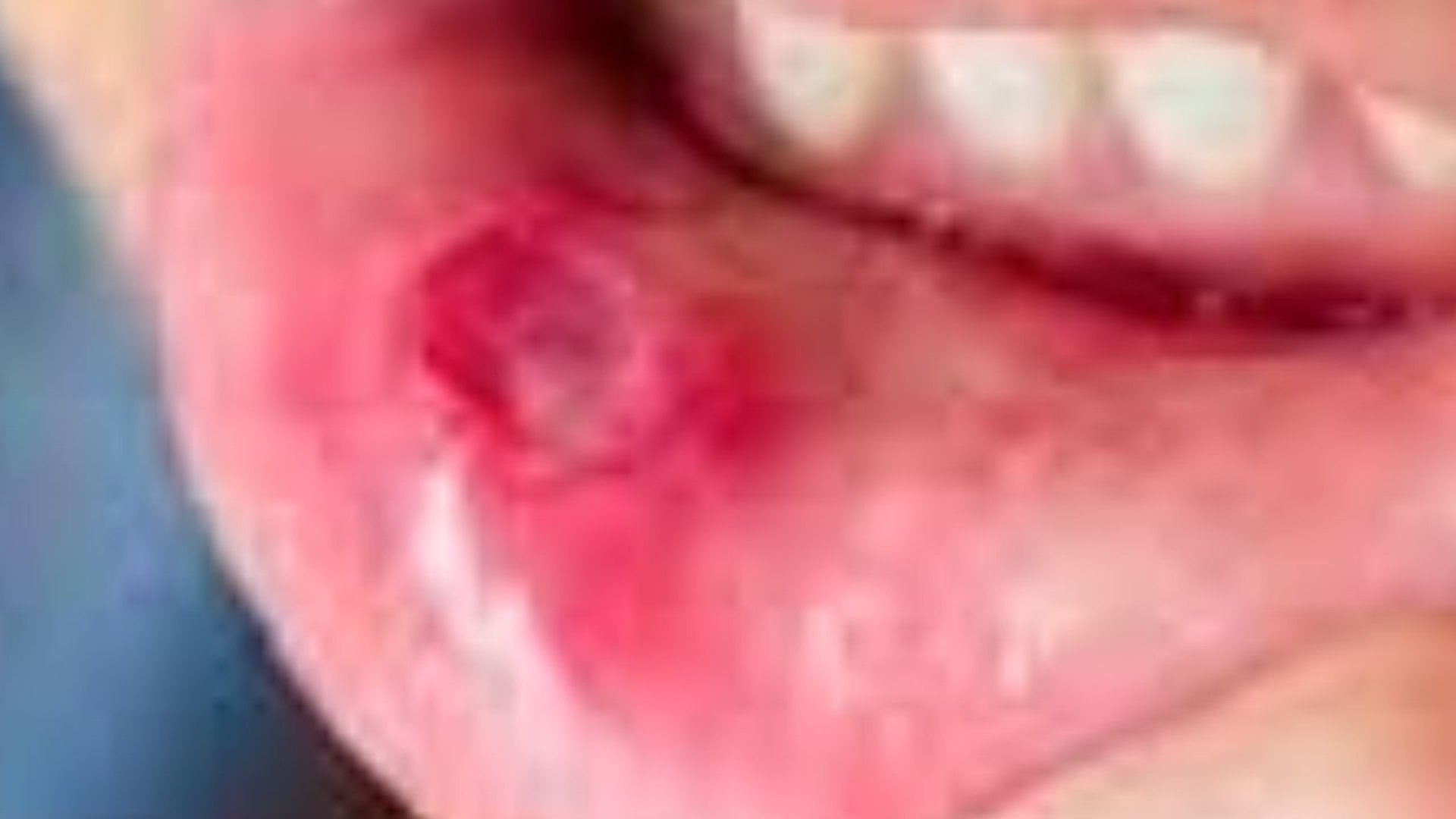
🍯 Behcet’s Disease: Are You Using Honey?
Explore the complexities of Behçet's disease, an autoimmune inflammatory disorder characterized by oral and genital ulcers, uveitis, and skin lesions. Discover diagnosis criteria, treatment options...
GENERAL AUTOIMMUNE DISEASES
Dr Hassan AL-Warraqi
11/4/2024
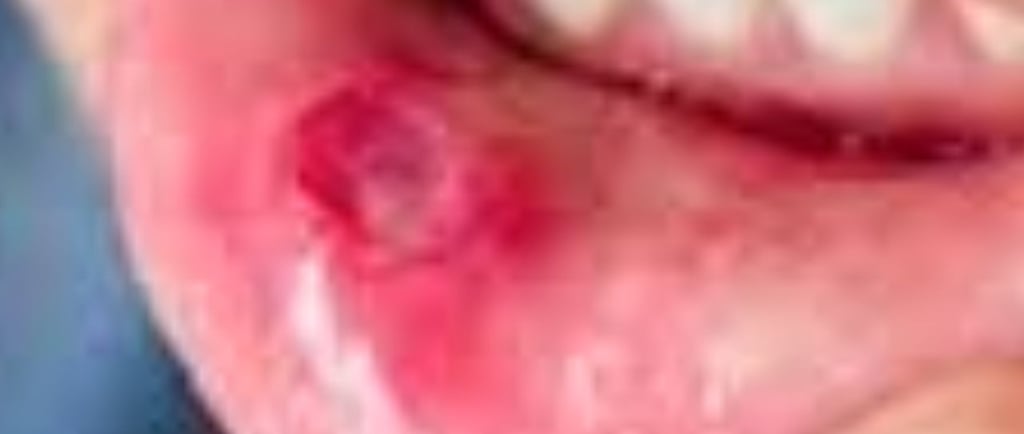
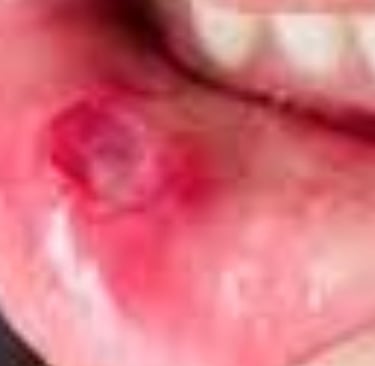
🍯 Behcet’s Disease: Are You Using Honey?
Explore the complexities of Behçet's disease, an autoimmune inflammatory disorder characterized by oral and genital ulcers, uveitis, and skin lesions. Discover diagnosis criteria, treatment options...
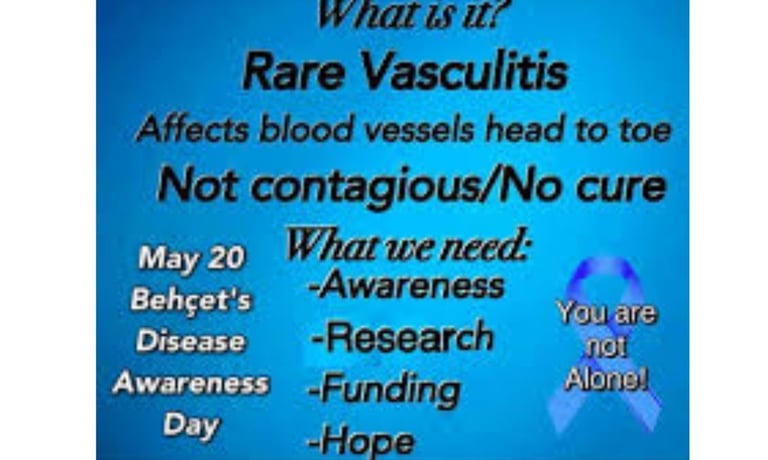
Behçet's disease is a rare, chronic, and complex inflammatory disorder that can affect various parts of the body.
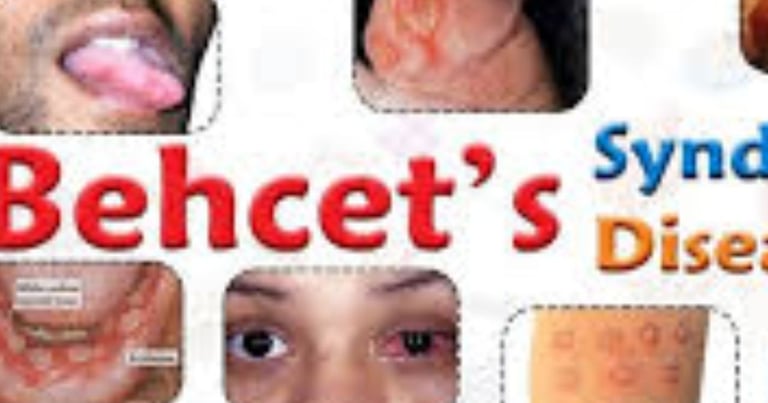
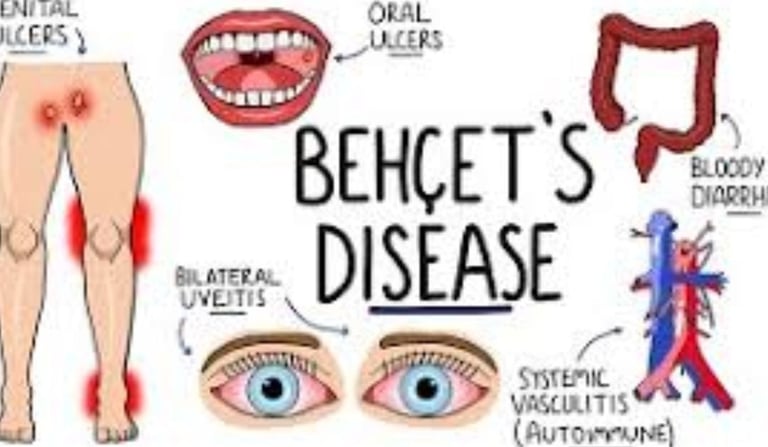
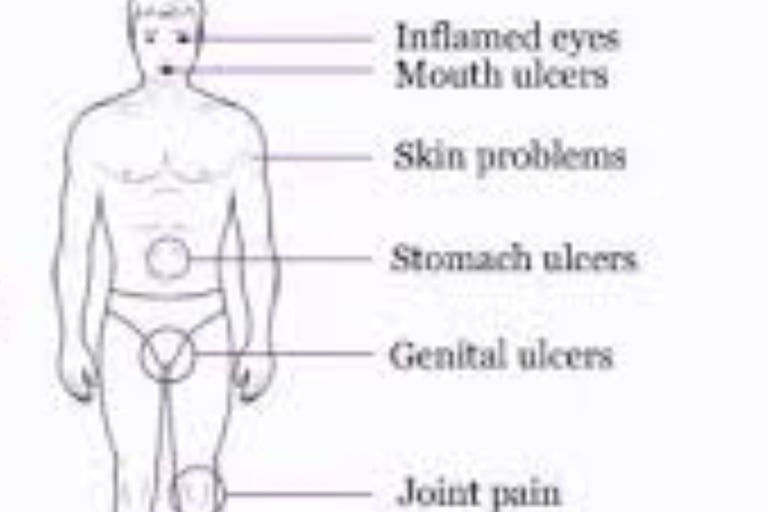
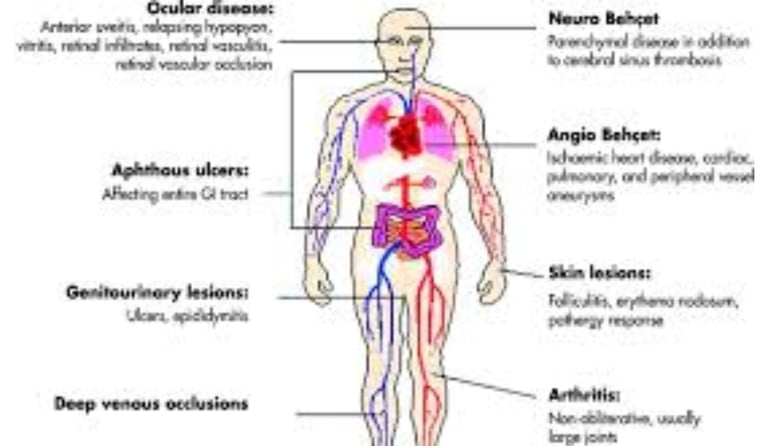
It is characterized by a triad of recurrent oral aphthous ulcers, genital ulcers, and eye inflammation, along with a range of other potential manifestations.
This comprehensive overview will delve into the various aspects of Behçet's disease, including its causes, symptoms, diagnosis, treatment, and prognosis.
Causes of Behçet's Disease
The exact cause of Behçet's disease is not fully understood, but it is believed to involve a complex interplay of genetic and environmental factors that trigger an abnormal immune response.
Genetic Factors:
Certain genetic variations, particularly those related to the HLA-B51 gene, have been associated with an increased risk of developing Behçet's disease.
However, not everyone with these genetic markers will develop the condition, suggesting that additional factors are involved.
Autoimmunity and Autoinflammation:
Behçet's disease is considered an immune-mediated condition, with both autoimmune and autoinflammatory components.
In autoimmunity, the body's immune system mistakenly attacks its own healthy tissues.
In autoinflammation, the immune system responds abnormally, leading to excessive and inappropriate inflammation.
Environmental Triggers:
Various environmental factors, such as infections (e.g., streptococcal or herpes simplex virus), physical trauma, and certain medications, may act as triggers in genetically predisposed individuals, leading to the onset or exacerbation of Behçet's disease symptoms.
Symptoms of Behçet's Disease
The classic triad of Behçet's disease includes:
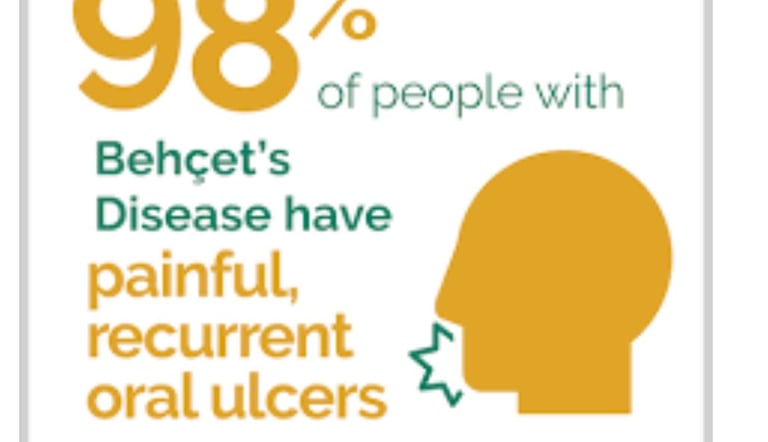
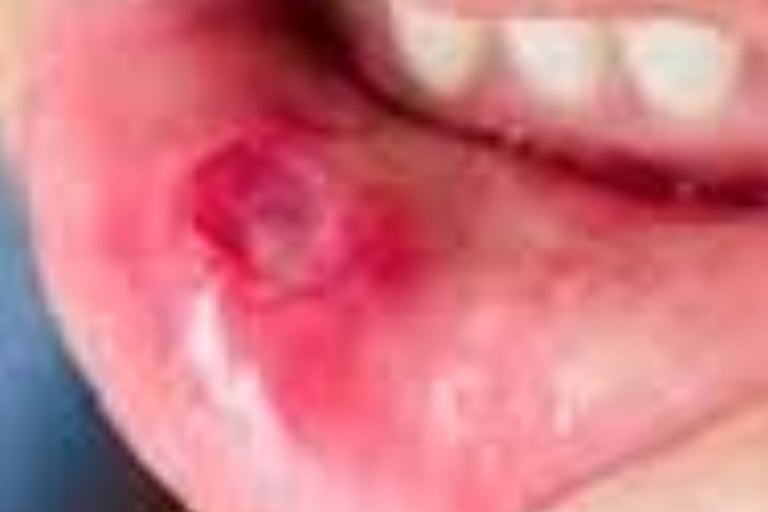
1. Recurrent oral aphthous ulcers (also known as canker sores): These are painful, recurrent sores that appear inside the mouth, on the tongue, or on the lips.
2. Recurrent genital ulcers: These are similar to the oral ulcers and can appear on the scrotum, vulva, or perineal area.
3. Eye inflammation (uveitis): This can manifest as redness, pain, sensitivity to light, and potentially vision impairment.
In addition to the classic triad, Behçet's disease can also present with a variety of other symptoms, including:
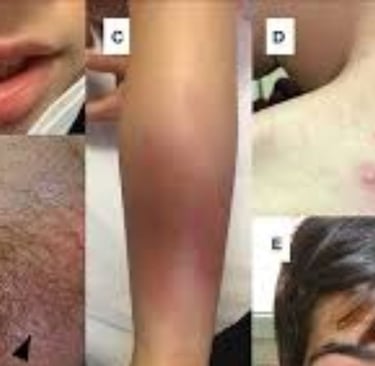
- Skin lesions: These can include erythema nodosum (red, painful nodules on the legs), acneiform lesions, and other skin manifestations.
- Joint pain and swelling (arthritis)
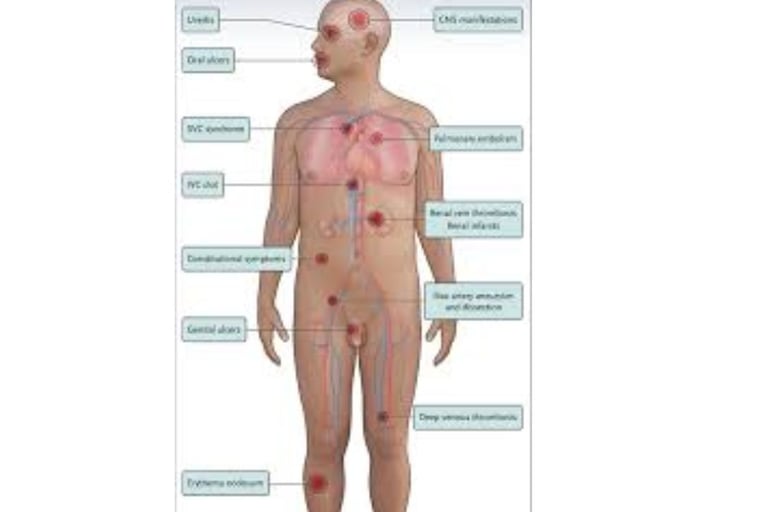
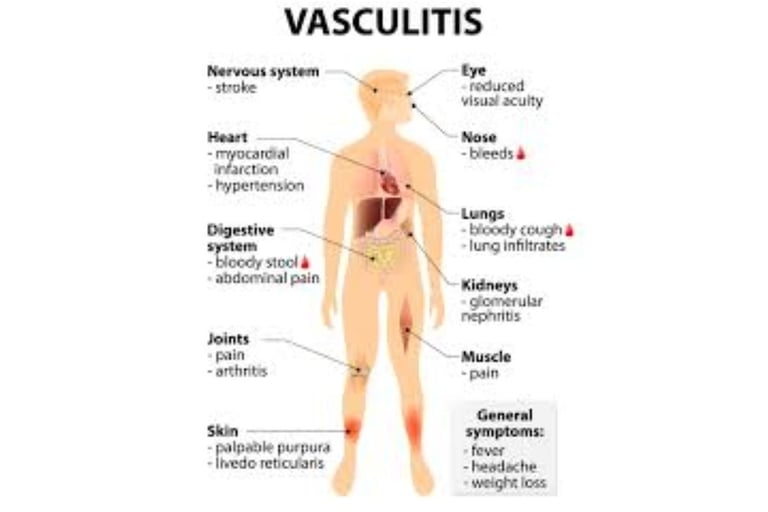
- Vascular involvement: This can include inflammation of blood vessels (vasculitis) and increased risk of blood clots (thrombosis).
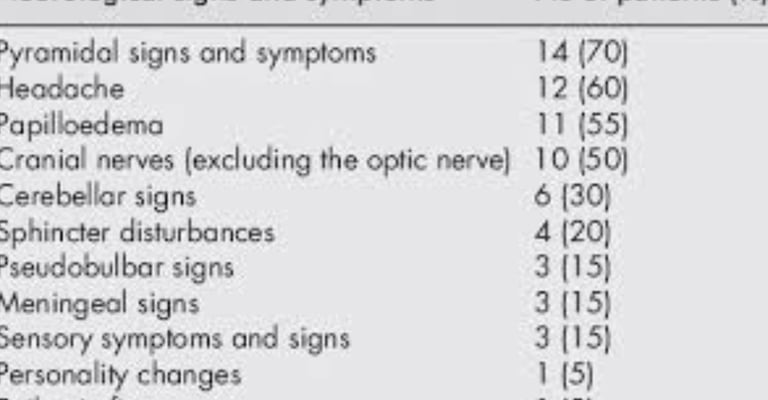
- Neurological manifestations: These can include headaches, ataxia, cognitive impairment, and other central nervous system-related symptoms.
- Gastrointestinal symptoms: Abdominal pain, diarrhea, and gastrointestinal bleeding may occur.
The severity and combination of symptoms can vary greatly among individuals with Behçet's disease, and the condition can be highly unpredictable, with periods of remission and exacerbation.
Diagnosis and Diagnostic Criteria
There is no single definitive test for Behçet's disease, and the diagnosis is typically based on a combination of clinical findings and the exclusion of other potential causes.
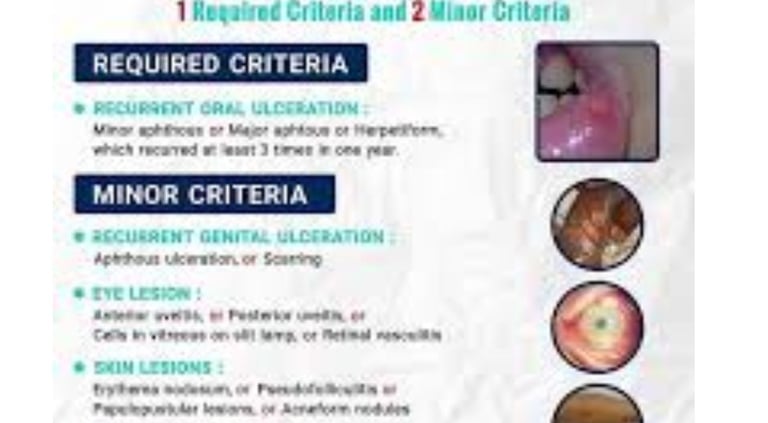
The International Criteria for Behçet's Disease (ICBD) are commonly used to establish the diagnosis, which requires the presence of at least two of the following:
1. Recurrent oral ulceration
2. Recurrent genital ulceration
3. Eye inflammation
4. Skin lesions
5. Positive pathergy test (an abnormal skin reaction to a needle prick)
Additional tests, such as blood tests, imaging studies, and biopsies, may be performed to rule out other conditions and support the diagnosis of Behçet's disease.
Behçet's Disease Treatments
The primary goals of Behçet's disease treatment are to control symptoms, prevent complications, and maintain remission.
The treatment approach is tailored to the individual patient's specific symptoms and disease severity, and may involve a combination of the following:
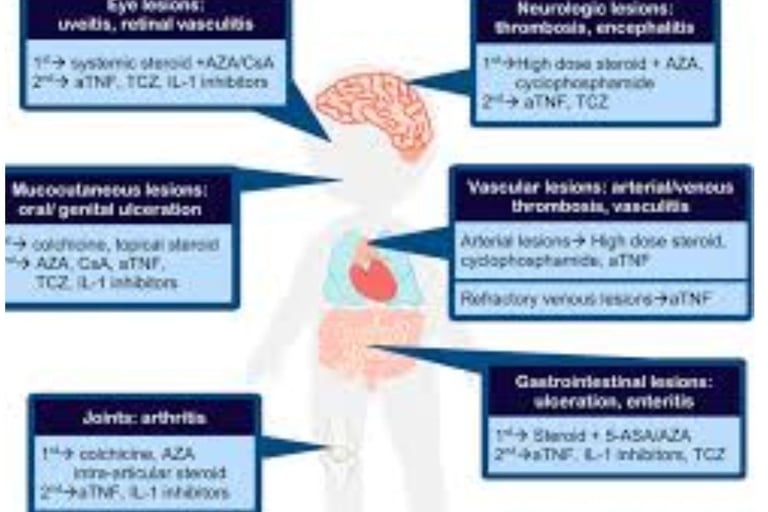
Corticosteroids: These anti-inflammatory medications, such as prednisone, are often the first-line treatment for acute flare-ups of Behçet's disease, helping to reduce inflammation and alleviate symptoms.
Immunosuppressants: Drugs like azathioprine, cyclosporine, and methotrexate are used to modulate the immune system and prevent relapses.
Biologics: In more severe or refractory cases, biologic medications targeting specific inflammatory pathways, such as tumor necrosis factor (TNF) inhibitors, may be utilized.
Topical treatments: For local manifestations, such as mouth or genital ulcers, topical therapies like corticosteroid ointments or local anesthetics may be employed.
Prophylactic medications: In some cases, patients may be prescribed medications to prevent disease flare-ups and maintain remission.
The specific treatment plan for each patient is determined by the healthcare provider based on the individual's symptoms, disease severity, and response to therapy.
Prognosis and Outlook
The prognosis for Behçet's disease can vary widely, depending on the organs involved and the severity of the symptoms.
With proper treatment and management, many patients with Behçet's disease are able to achieve long periods of remission and maintain a good quality of life.
However, Behçet's disease can be a chronic, relapsing condition, and some patients may develop severe or even life-threatening complications, particularly involving the eyes, central nervous system, or vascular system.
Prompt recognition and treatment of flare-ups is crucial to prevent permanent damage or disability.
The overall prognosis for Behçet's disease has improved in recent decades, thanks to advancements in treatment options and a better understanding of the disease.
With appropriate care and management, many patients with Behçet's disease are able to lead relatively normal lives, though the condition may require ongoing monitoring and adjustment of treatment strategies.
Behçet's Disease Complications and Manifestations
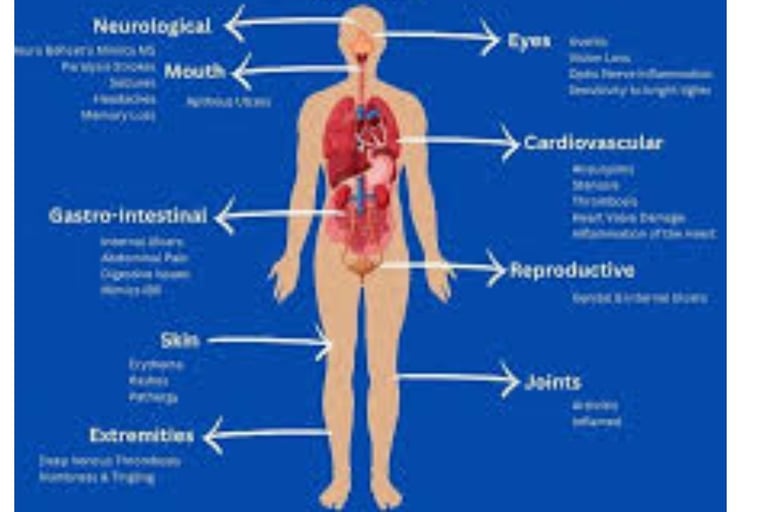
Behçet's disease can affect various organ systems, leading to a diverse range of potential complications and manifestations.
Some of the key complications and manifestations include:
Ocular Manifestations
Eye involvement, particularly uveitis, is a common and potentially serious complication of Behçet's disease.
Uveitis can cause redness, pain, sensitivity to light, and even vision loss if left untreated.
Regular ophthalmological monitoring is crucial for early detection and management of ocular complications.
Neurological Manifestations (Neuro-Behçet's Disease)
Neurological involvement, known as neuro-Behçet's disease, can occur in a subset of patients.
This can include headaches, cognitive impairment, ataxia, and other central nervous system-related symptoms.
Prompt diagnosis and treatment are essential to prevent permanent neurological damage.
Vascular Involvement (Vascular Behçet's Disease)
Behçet's disease can affect the vascular system, leading to inflammation of blood vessels (vasculitis) and an increased risk of blood clots (thrombosis).
This can potentially lead to serious complications, such as deep vein thrombosis, pulmonary embolism, and arterial aneurysms.
Gastrointestinal Manifestations
Abdominal pain, diarrhea, and gastrointestinal bleeding may occur in some patients with Behçet's disease, particularly in those with intestinal involvement.
Skin Manifestations
Behçet's disease can manifest with a variety of skin lesions, including erythema nodosum (red, painful nodules on the legs), acneiform lesions, and other skin manifestations.
Joint and Musculoskeletal Involvement
Arthritis, characterized by joint pain and swelling, is a common feature of Behçet's disease and can significantly impact the patient's quality of life.
Differential Diagnosis and Mimics
Behçet's disease can sometimes be mistaken for other conditions due to the overlapping symptoms.
Some conditions that may be considered in the differential diagnosis include:
- Inflammatory bowel diseases (Crohn's disease, ulcerative colitis)
- Recurrent aphthous stomatitis (canker sores)
- Erythema nodosum
- Relapsing polychondritis
- Systemic lupus erythematosus
- Sarcoidosis
Careful clinical evaluation, diagnostic tests, and the consideration of the full spectrum of Behçet's disease manifestations are essential for accurate diagnosis and appropriate treatment.
Behçet's Disease in Children
Behçet's disease can also affect children, though it is relatively rare in the pediatric population.
The presentation and course of the disease in children may differ from adults, and the diagnostic and treatment approaches may need to be tailored accordingly.
Pediatric Behçet's disease can be particularly challenging, as the symptoms may overlap with other childhood conditions, and the long-term consequences of the disease can have a significant impact on the child's growth, development, and quality of life.
Close collaboration between pediatric rheumatologists, ophthalmologists, and other specialists is crucial for the management of Behçet's disease in children.
New Treatments and Emerging Therapies
The treatment landscape for Behçet's disease is evolving, with ongoing research and the development of new therapies.
Some emerging treatments and areas of research include:
Biologic Medications: In addition to the currently available biologics, such as TNF inhibitors, new targeted therapies aimed at other inflammatory pathways are being investigated for the management of Behçet's disease.
Stem Cell Transplantation: In some cases, autologous hematopoietic stem cell transplantation (HSCT) has been explored as a potential treatment option for severe, refractory Behçet's disease.
Combination Therapies: The use of combined treatment approaches, such as the combination of conventional immunosuppressants and biologics, is being explored to optimize disease control and minimize side effects.
Precision Medicine Approaches: Ongoing research is aimed at better understanding the genetic and molecular mechanisms underlying Behçet's disease, which may lead to the development of more personalized treatment strategies in the future.
As research continues, the management of Behçet's disease is expected to evolve, offering patients and healthcare providers new and potentially more effective treatment options.
Conclusion
Behçet's disease is a complex, multifaceted condition that can have a significant impact on an individual's quality of life.
While the exact cause of the disease remains elusive, the understanding of its pathophysiology and the available treatment options have improved significantly in recent years.
Effective management of Behçet's disease requires a multidisciplinary approach, with close collaboration between healthcare providers, including rheumatologists, ophthalmologists, neurologists, and others, to address the diverse range of potential manifestations.
Ongoing research and the development of new therapies hold promise for improving the care and outcomes for patients living with this rare and challenging condition.
Here's a detailed analysis of the role of honey (particularly Manuka honey) and fasting in the treatment of Behçet's disease:
Role of Honey in Behçet's Disease Treatment
General Honey Benefits:
Anti-inflammatory properties
Natural antibacterial activity
Wound healing promotion
Immune system modulation
Antioxidant effects
Pain-relieving properties
Manuka Honey Specific Benefits:
Higher antimicrobial activity compared to regular honey
Contains unique compound methylglyoxal (MGO)
Stronger anti-inflammatory effects
Enhanced wound healing properties
Better tissue regeneration promotion
More effective against bacterial biofilms
Applications in Behçet's Disease:
Oral Ulcers Management:
Direct application to mouth sores
Creates protective barrier
Reduces pain and inflammation
Accelerates healing time
May prevent secondary infections
Can be used as oral rinse when diluted
Wound Healing:
Topical application for skin lesions
Promotes faster healing of genital ulcers
Reduces scarring potential
Maintains moist wound environment
Provides protective barrier
Method of Application:
Direct application to ulcers
Mixed with warm water for gargling
As part of oral paste preparations
Combined with other natural remedies
Regular application (3-4 times daily)
Role of Fasting in Behçet's Disease
Potential Benefits:
Reduces inflammation
Modulates immune system
May help prevent flares
Could improve overall symptoms
Potential for disease remission
Types of Fasting Approaches:
a) Intermittent Fasting:
16/8 method (16 hours fasting, 8 hours eating window)
Alternate day fasting
5:2 diet (regular eating 5 days, restricted calories 2 days)
b) Extended Fasting:
24-72 hour fasts
Medically supervised longer fasts
Water fasting
Modified fasting
c) alternate day fasting (David) fasting , its the fasting of choice
Mechanisms of Action:
a) Immune System Effects:
Reduces pro-inflammatory cytokines
Promotes immune system reset
Decreases autoimmune responses
Enhances cellular repair
b) Metabolic Effects:
Improves insulin sensitivity
Reduces oxidative stress
Enhances autophagy
Promotes cellular regeneration
Implementation Guidelines:
a) Starting Fasting:
Begin gradually
Start with shorter fasting periods
Monitor symptoms carefully
Keep medical team informed
b) Safety Considerations:
Should be medically supervised
Not suitable for all patients
Need to maintain medication schedule
Important to stay hydrated
Combined Approach:
Integration Strategy:
Use honey during eating windows
Apply honey topically during fasting
Coordinate with medication timing
Monitor symptoms and adjust accordingly
Lifestyle Modifications:
Clean eating during non-fasting periods
Adequate hydration
Stress management
Regular exercise as tolerated
Monitoring and Adjustment:
a) Track:
Symptom changes
Ulcer healing time
Energy levels
Overall well-being
b) Adjust:
Fasting duration
Honey application frequency
Combination with other treatments
Treatment timing
Important Considerations:
Individual Response:
Effects may vary between patients
Need for personalized approach
Regular monitoring required
Adjustment based on response
Medical Supervision:
Consult healthcare providers
Regular check-ups
Monitor disease activity
Adjust conventional treatments as needed
Contraindications:
Pregnancy/nursing
Severe disease activity
Certain medications
Other medical conditions
Quality Considerations:
a) Honey Selection:
Use medical-grade Manuka honey
Check UMF rating (ideally 10+ or higher)
Ensure proper storage
Use fresh product
b) Fasting Protocol:
Individualized approach
Based on disease severity
Coordinated with medications
Regular monitoring
Recommendations:
Starting Treatment:
Begin with short fasting periods
Use high-quality Manuka honey
Monitor response carefully
Keep detailed symptom diary
Maintenance:
Adjust protocol based on response
Regular medical follow-up
Combined with conventional treatment
Long-term monitoring
Integration with Conventional Treatment:
Coordinate with medical team
Maintain prescribed medications
Regular assessment of effectiveness
Adjust as needed
This natural approach using honey and fasting should be considered as complementary to conventional medical treatment rather than a replacement.
Always consult with healthcare providers before starting any new treatment approach, especially when dealing with a complex condition like Behçet's disease.
Frequently Asked Questions About Behçet's Disease FAQS
What is Behçet's disease, and what are its most prominent symptoms?
Behçet's disease is a rare, chronic inflammatory disorder that affects various parts of the body. It is characterized by a triad of main symptoms: recurrent oral ulcers (canker sores), genital ulcers, and eye inflammation (uveitis).
Other symptoms may include skin lesions such as erythema nodosum, joint pain and swelling, vascular problems, neurological symptoms like headaches and cognitive changes, and gastrointestinal issues.
The severity of symptoms varies from person to person, with periods of remission and relapse.
What are the potential causes of Behçet's disease?
The exact cause of Behçet's disease is not fully understood, but it is believed to result from a complex interaction between genetic and environmental factors that trigger an abnormal immune response.
Genetics play a role, particularly genes related to HLA-B51, but not everyone with these genes will develop the disease.
Environmental triggers such as viral or bacterial infections, physical trauma, and certain medications may provoke symptoms in genetically predisposed individuals.
The disease involves both autoimmune (where the immune system attacks healthy tissues) and autoinflammatory (where the immune system is excessively active) components.
How is Behçet's disease diagnosed?
There is no single definitive test for Behçet's disease.
Diagnosis is based on a combination of clinical findings and the exclusion of other potential causes.
The International Criteria for Behçet's Disease (ICBD) are commonly used, requiring the presence of at least two of the following: recurrent oral ulcers, recurrent genital ulcers, eye inflammation, skin lesions, and a positive pathergy test (an abnormal skin reaction to needle pricks).
Additional tests such as blood tests, imaging studies, and biopsies may be performed to rule out other conditions and support the diagnosis.
What are the conventional treatments for Behçet's disease?
Conventional treatments aim to control symptoms, prevent complications, and maintain remission.
Treatment includes:
Corticosteroids: Such as prednisone, as a first-line treatment to reduce acute inflammation and symptoms.
Immunosuppressants: Such as azathioprine, cyclosporine, and methotrexate, to modulate the immune system and prevent relapses.
Biologics: In severe or treatment-resistant cases, biologics targeting specific inflammatory pathways, such as TNF inhibitors, are used.
Topical treatments: Such as corticosteroid ointments or local anesthetics for oral and genital ulcers.
Prophylactic medications: In some cases, medications are prescribed to prevent disease flares and maintain remission.
What is the role of Manuka honey in treating Behçet's disease?
Manuka honey has antimicrobial and anti-inflammatory properties, making it a potential adjunct in managing some Behçet's disease symptoms.
It contains a unique compound called methylglyoxal (MGO), which enhances its antimicrobial and anti-inflammatory effects. Manuka honey can be applied topically to promote the healing of oral and genital ulcers, reduce pain and inflammation, and prevent secondary infections.
It helps maintain wound moisture and forms a protective barrier.
Medical-grade Manuka honey with a high UMF rating (10+ or higher) is recommended for optimal results.
How can fasting help manage Behçet's disease?
Fasting may play a role in modulating the immune system and reducing inflammation in Behçet's patients.
Intermittent fasting, such as the 16/8 method, is believed to reduce pro-inflammatory cytokines, reset the immune system, and enhance cellular autophagy.
Additionally, fasting may improve insulin sensitivity, reduce oxidative stress, and promote cell regeneration.
Fasting should be done under medical supervision, considering the patient's individual health status and medications.
Why is an integrated approach important in treating Behçet's disease?
Managing Behçet's disease requires an integrated approach that combines conventional treatments with complementary strategies.
This involves collaboration between rheumatologists, ophthalmologists, neurologists, and nutritionists to provide comprehensive care.
Treatment plans, including the use of Manuka honey and fasting, are tailored based on disease severity, patient response, and tolerance.
This approach aims to improve long-term quality of life and symptom control.
What is the general prognosis for Behçet's disease?
The prognosis for Behçet's disease varies significantly depending on the affected organs and symptom severity.
With proper treatment and management, many patients can achieve long periods of remission and maintain a good quality of life.
However, Behçet's disease can be chronic and unpredictable, and some patients may develop serious complications, particularly affecting the eyes, central nervous system, or blood vessels.
Early detection and prompt treatment are essential to prevent permanent damage or disability.
Thanks to advancements in treatment options and a better understanding of the disease, the overall prognosis has improved in recent decades.
================================================================================================================================
🍯 Behcet’s Disease: Are You Using Honey?
🍯 Honey & Behcet's Disease: What the Evidence Says
Honey has been explored as a topical adjunct for managing the painful ulcers associated with Behcet's disease, but it is not a standard or disease-modifying treatment. Here's a breakdown of what we know.
📋 The Limited Behcet's-Specific Evidence
There is a documented case report from the Philippine General Hospital describing the use of honey as a topical wound dressing for vulvar ulcers in a young patient with Behcet's syndrome. The authors reported it as an alternative topical treatment to support healing of Behcet's-related ulcers.
However, this appears to be isolated case-level evidence, not a randomized trial or guideline recommendation.
🔬 Why Honey Might Help with Ulcers (General Mechanism)
Honey is well-studied for wound healing and oral ulcerative conditions due to several properties:
Antibacterial effects — Honey's high osmolarity, low pH, and hydrogen peroxide production create an environment hostile to bacteria like Staphylococcus aureus and Pseudomonas aeruginosa. This helps prevent secondary infection in open ulcers.
Anti-inflammatory action — It reduces edema, exudate, and inflammatory markers at the wound site, which can decrease pain and swelling around the ulcer.
Tissue repair promotion — Honey stimulates angiogenesis, granulation tissue formation, and epithelialization, helping the ulcer close faster.
Moist wound environment — It provides a protective barrier and maintains moisture conducive to healing, which can minimize scar formation.
In oral aphthous ulcers (similar in appearance to Behcet's oral ulcers), studies have shown honey can reduce pain and accelerate healing. One study found ulcerations "almost completely disappeared after three days treatment by natural honey dressing as compared to triamcinolone acetonide."
⚕️ Standard Behcet's Treatments (What Guidelines Recommend)
Honey is not mentioned in major clinical guidelines or comprehensive reviews from authoritative institutions like the Cleveland Clinic, Mayo Clinic, or NIH. Established treatments focus on controlling the underlying inflammation and immune dysregulation.
For mild mucocutaneous symptoms, doctors typically prescribe topical corticosteroids, colchicine, or apremilast (Otezla).
For moderate disease, oral corticosteroids, azathioprine, or cyclosporine are commonly used.
For severe or refractory cases, TNF inhibitors like infliximab or adalimumab, interferon-alpha, or IL-1 blockers are the standard of care.
Corticosteroids such as prednisone remain the main treatment, often combined with immunosuppressive agents and increasingly biological therapies.
✅ Practical Takeaway
Honey may be a useful topical adjunct for local wound care of oral or genital ulcers in Behcet's disease, leveraging its antibacterial and wound-healing properties. However, it is not a substitute for immunosuppressive or anti-inflammatory therapy that controls the systemic disease.
If you choose to use honey, opt for medical-grade honey such as Manuka or sterilized medical honey rather than raw supermarket honey, to avoid bacterial spore risks.
Always discuss this with your rheumatologist or dermatologist before adding honey dressings to your regimen, especially if you are on immunosuppressive therapy.
Bottom line: Honey sits in the "promising complementary care" category for Behcet's ulcer management, not the "proven disease treatment" category. The strongest evidence supports its role in general wound healing and oral ulcer care, with only limited direct documentation in Behcet's disease itself.
, genital ulcers, uveitis, vasculitis, HLA-B51 gene, autoimmune, autoinflammatory, triad symptoms, skin lesions, erythema nodosum, neurological manifestations, diagnosis criteria, pathergy test, corticosteroids, immunosuppressants, biologics, TNF inhibitors, Manuka honey, antimicrobial, methylglyoxal (MGO), fasting therapy, intermittent fasting, immune modulation, wound healing, multidisciplinary treatment, prognosis, quality of life, disease monitoring, personalized medicine, and holistic management.
✍️ About the Author
Dr. Hassan Alwarraqi is a physician-researcher and founder of H-K-E-M.com, focusing on natural and integrative approaches to autoimmune and inflammatory diseases. His research explores ancient remedies like raw honey, fasting, and gut healing to support patients with conditions like Behçet's Disease — where conventional treatments often fall short. He advocates for evidence-based natural strategies alongside medical care.
===================================================================================================
Insulin Resistance and Fasting
The Complete Scientific Guide to Adaptive Mechanisms and Therapeutic Strategies
⚠️ Critical Medical Disclaimer
Given your specific medical history—diabetes, hypertension, hypercholesterolemia, and a history of stroke with hemiplegia—this guide strongly emphasizes the necessity of consulting your endocrinologist and a therapeutic nutrition specialist before modifying your fasting regimen. Because you have practiced fasting for five years with reported clinical improvements, you already understand its benefits. However, understanding how fasting interacts with your medications (which modulate blood sugar, blood pressure, cholesterol, and blood thinning) is vital for your continued safety, especially regarding hydration states and glucose fluctuations.
🤔 The Core Question: Does Fasting Cause Insulin Resistance?
The short answer: No. Short to moderate fasting (12 to 24 hours) actively improves insulin sensitivity and reduces chronic insulin resistance.
However, prolonged fasting (beyond 36 hours) may trigger a temporary, localized change in skeletal muscle known as physiological insulin resistance. This is not a disease. It is an intelligent, protective metabolic mechanism hard-wired by natural selection to ensure survival.
🔴 vs. 🟢 Pathological vs. Physiological Insulin Resistance: The Critical Distinction
🔴 Pathological Insulin Resistance: The Silent Enemy
This develops chronically from diets high in refined carbohydrates, simple sugars, and hydrogenated oils, combined with physical inactivity. Insulin remains persistently elevated (hyperinsulinemia), and cells become desensitized to its signals. Triglycerides accumulate in the liver (non-alcoholic fatty liver disease), skeletal muscle, and pancreas. Low-grade chronic inflammation rises via cytokines like TNF-α, IL-6, and CRP.
Warning Signs: Fasting glucose above 126 mg/dL, fasting insulin above 15 μIU/mL, increased waist circumference (visceral obesity), elevated triglycerides with low HDL cholesterol, and HbA1c above 5.7%.
🟢 Physiological Insulin Resistance: The Intelligent Protector
This occurs during prolonged fasting, very low-carbohydrate (keto) diets, pregnancy, or puberty. When dietary glucose is absent, the brain—which consumes 20% of the body’s energy and relies primarily on glucose—needs a continuous supply. Skeletal muscles temporarily adapt to become less responsive to insulin.
The Purpose: To preserve available glucose exclusively for the brain, red blood cells, and other glucose-dependent tissues, while muscles seamlessly switch to using fats and ketones for fuel. This is a harmless, intelligent adaptation that prevents brain starvation and preserves muscle glycogen as an emergency reserve.
🧬 The Evolutionary Science: Why Muscles "Refuse" Glucose During Fasting
The Selfish Brain Hypothesis
The brain holds a hierarchical metabolic position. Under metabolic stress, the sympathetic nervous system stimulates temporary insulin resistance in muscles and adipose tissue to "spare" glucose for the brain, while the rest of the body relies on free fatty acids and ketones.
Adaptive Glucose Sparing and the Randle Cycle
When you fast, precise molecular changes occur in skeletal muscle to enforce this protection:
Fuel Competition (Randle Cycle): As fatty acid oxidation increases, mitochondrial signals inhibit the pyruvate dehydrogenase complex (PDH), placing muscles in "Glucose Refusal Mode." Unoxidized glucose is redirected to the bloodstream for the brain.
AS160 Protein Inhibition: Prolonged fasting inhibits the phosphorylation of the AS160 protein, stopping the glucose transporter (GLUT4) from moving to the cell membrane. Glucose simply cannot enter the muscle.
Glycogen Preservation: Surprisingly, muscle glycogen does not drop during prolonged fasting; it may even rise slightly. This acts as an emergency reserve for sudden physical exertion, even during starvation.
Note: The upper insulin signaling pathways (Akt and AMPK) remain completely intact. This proves the resistance is not a cellular defect, but a highly targeted, adaptive modification.
🫀 Adipose Tissue and Lipotoxicity: The Ticking Time Bomb
Adipose tissue is a vital endocrine organ, but its behavior depends on location:
Subcutaneous Fat (Safe Storage): Expands by forming new, small cells (hyperplasia). It secretes beneficial adiponectin (which improves insulin sensitivity) and has low inflammatory activity.
Visceral Fat (Inflammatory Hub): Expands by enlarging existing cells (hypertrophy). It secretes inflammatory cytokines (TNF-α, IL-6) and attracts macrophages, creating a chronic inflammatory state that drives systemic insulin resistance.
The Expandability Hypothesis: When subcutaneous fat reaches its genetic capacity, fat "spills over" into the bloodstream, leading to ectopic deposition in the liver, skeletal muscle, and pancreas. This lipotoxicity directly drives beta-cell failure and Type 2 Diabetes.
🌡️ Chronic Stress and Lifestyle: The Hidden Triggers
Insulin resistance is not solely nutritional. Environmental and psychological factors play a massive role:
Cortisol: Chronic stress sustains cortisol secretion, stimulating hepatic gluconeogenesis and promoting visceral obesity.
Sleep Deprivation: Sleeping less than 6 hours raises fasting blood sugar by 20–30 points due to early morning cortisol spikes, reduced leptin, and increased ghrelin.
The Dawn Phenomenon: A natural early-morning rise in blood sugar (4–8 AM) driven by pulses of cortisol, growth hormone, and adrenaline. This is normal but appears exaggerated in individuals with existing insulin resistance.
🔄 Reversing Type 2 Diabetes: Therapeutic Strategies and Scientific Hope
Landmark clinical research has proven that significant calorie restriction and intermittent fasting can reverse Type 2 Diabetes by depleting ectopic fat from the liver and pancreas, thereby restoring beta-cell function and resetting insulin sensitivity.
Key Therapeutic Pillars:
Intermittent Fasting: Gradually lowers HbA1c, reduces chronic inflammation, and improves lipid profiles.
Physical Exercise: Stimulates irisin secretion (a myokine that converts energy-storing white fat into energy-burning beige/brown fat) and forces GLUT4 translocation to the muscle membrane, bypassing insulin resistance entirely.
Future Interventions: Emerging research focuses on safe PPAR-gamma activators to promote healthy subcutaneous fat expansion and recombinant adiponectin to improve systemic sensitivity.
🌙 Intermittent vs. Prolonged Fasting: Which Is Better for You?
Given your complex medical history, the distinction between fasting protocols is critical:
✅ Intermittent Fasting (14:10 or 16:8)
Benefits: Improves insulin sensitivity in both liver and muscle. Gradually lowers HbA1c over 3 to 6 months. Reduces chronic inflammation and stimulates irisin. Highly compatible with medications like metformin.
Verdict: The safest and most sustainable approach for your profile.
⚠️ Prolonged Fasting (Beyond 24 Hours)
Risks: Triggers temporary physiological muscle resistance, delaying glucose absorption when breaking the fast. Carries a high risk of severe hypoglycemia if you are on insulin or sulfonylureas. Increases blood viscosity, raising clotting risks.
Verdict: Not recommended without direct, continuous medical oversight.
🩸 Special Safety Protocol: Tailored for Your Medical History
Diabetes and Medication: If you take insulin or insulin-secretagogues, prolonged fasting drastically increases hypoglycemia risk. Physiological insulin resistance means your body will take longer (60–90 minutes) to absorb glucose after breaking a fast. Golden Rule: Do not fast beyond 16 hours without explicit doctor approval and potential dose adjustments.
Stroke and Hemiplegia: Dehydration increases blood viscosity and clotting risk. If you take blood thinners, limit fasting to a maximum of 14–16 hours. Hydration between breaking the fast and your next meal is vital (2.5 to 3 liters of water). Monitor for dark urine, dizziness, or headaches.
Hypertension and Cholesterol: Statins do not conflict with intermittent fasting. However, diuretics can compound fasting dehydration, requiring timing adjustments. ACE inhibitors may cause temporary potassium elevation during fasting. Long-term fasting (3–6 months) naturally improves HDL, lowers triglycerides, and reduces blood pressure.









Get in touch
Address
Cairo Al Rehab
Contacts
+20 109 405 2056
hassanalwarraqi@h-k-e-m.com